Artistic Style
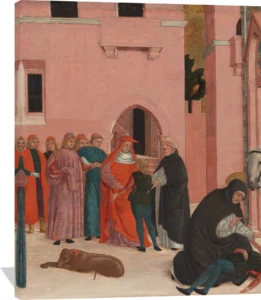
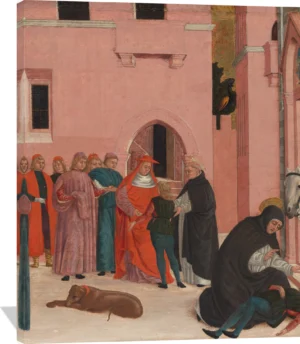
Bartolomeo’s paintings are characterized by elongated figures, serene expressions, and a refined, linear elegance typical of the Emilian school. His use of luminous color, crisp outlines, and balanced compositions reflects the transition from late Gothic sensibilities toward the emerging Renaissance interest in clarity and spatial harmony.
Subjects and Themes
Bartolomeo specialized in religious imagery, creating altarpieces and panel paintings that depicted saints, the Virgin Mary, and narrative scenes from Christian tradition. His work often combines symbolic detail with an intimate emotional tone, offering viewers a contemplative experience grounded in devotional purpose.
Legacy and Significance
As a central painter in mid‑fifteenth‑century Modena, Bartolomeo degli Erri played a vital role in shaping the region’s artistic identity. His contributions show the distinctive blend of Gothic refinement and early Renaissance innovation that characterized Modena’s cultural moment. Today his work is appreciated for its meticulous craftsmanship, spiritual clarity, and the subtle yet distinctive elegance that marks his place in Italian art history.