Artistic Style and Techniques
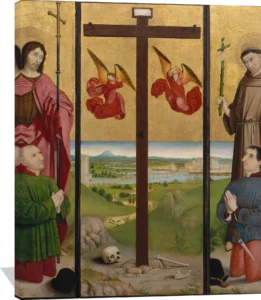
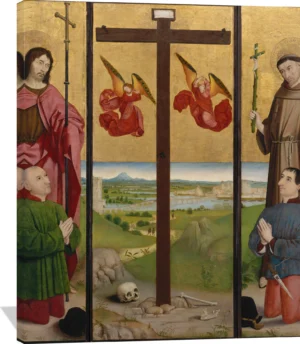
Froment’s work is distinguished by its precise draftsmanship, luminous color, and close attention to naturalistic detail. His paintings reveal a deep engagement with the innovations of Flemish masters, particularly in the rendering of textures, light, and expressive faces. This combination of Northern technique with the elegance of French courtly aesthetics forms the foundation of what makes his style uniquely resonant.
Notable Subjects and Works
Best known for altarpieces and devotional scenes, Froment often created complex narrative compositions that guide the viewer through layers of symbolism and theological meaning. His celebrated triptych The Burning Bush, commissioned for King René of Anjou, stands as a defining example of his ability to integrate intricate iconography with serene, contemplative imagery. Portraits attributed to him also reflect a deep sensitivity to character, presenting sitters with a clarity and psychological presence rare for his era.
Cultural and Historical Significance
Froment played a significant role in shaping the visual culture of late medieval Provence, working during a period when artistic centers across Europe were rapidly evolving. His paintings bear witness to the cultural exchange between France and the Low Countries, and his influence helped introduce a more naturalistic, emotionally resonant approach to religious art in the region. Today, his work is valued for its blend of spiritual intensity and technical refinement, offering insight into the devotional practices and courtly tastes of 15th-century France.
Recognized as a master of early French Renaissance painting, Froment continues to be admired for his elegant precision and his ability to transform sacred narratives into vivid, immersive visual experiences.