Artistic Style
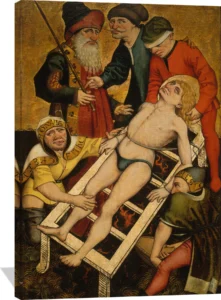
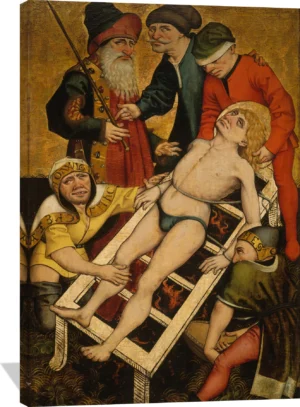
The artist’s style reflects the flourishing Gothic traditions of the Alpine region, characterized by graceful figures, elongated proportions, and a keen attention to emotional nuance. His compositions balance decorative elegance with a grounded sense of human presence, often enhanced by vivid color harmonies and delicate linear rhythms. The interplay of spiritual symbolism and everyday observation is a hallmark of his approach.
Notable Contributions
The Master of the Acts of Mercy is best known for his painted panels depicting charitable acts such as feeding the hungry or sheltering the poor, images that communicate both theological depth and compassionate realism. These scenes are distinguished by their carefully articulated settings and their focus on moral action, making them a significant reference point in the development of Central European narrative painting. His ability to imbue devotional works with a sense of lived experience marks him as a key figure in Salzburg’s late medieval artistic output.
Subjects and Significance
Religious themes dominate the artist’s surviving oeuvre, particularly scenes emphasizing virtue, community, and spiritual duty. Figures are rendered with expressive faces and finely observed gestures, inviting viewers into a contemplative encounter with the depicted narratives. His work provides insight into the cultural priorities of fifteenth-century Salzburg, when art served both as visual instruction and as a means of cultivating empathy and devotion.
Through his distinctive blend of stylistic refinement and moral storytelling, the Master of the Acts of Mercy played an essential role in shaping the visual language of Central European Gothic painting. His surviving works remain valued for their emotional clarity, artistic discipline, and enduring spiritual resonance.