Artistic Style
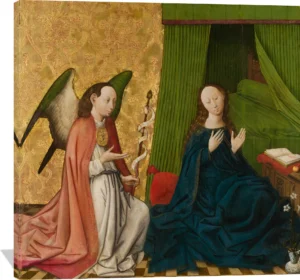
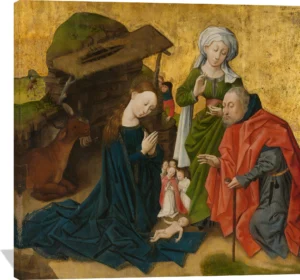
This painter’s style is characterized by meticulous detail, luminous color, and a careful balance between naturalism and symbolism. Figures are rendered with subtle modeling, delicate textures, and a keen observation of human emotion. Architectural backdrops and landscape elements demonstrate the era’s increasing interest in depth and spatial coherence, often illuminated with a gentle, atmospheric light.
Subjects and Themes
Typical subjects include devotional scenes, Marian imagery, and episodes from the life of Christ, executed with a meditative calm meant to invite contemplation. The painter’s compositions frequently incorporate richly adorned textiles, refined gestures, and quietly expressive faces, all hallmarks of the South Netherlandish tradition. Religious panels, such as those depicting the Virgin and Child or the Adoration of the Magi, stand out for their intimate realism and the careful choreography of sacred narrative.
Historical Significance
Active during a pivotal period in Northern Renaissance art, the South Netherlandish Painter contributed to the transition from medieval stylization to a more naturalistic visual language. The artist’s work reflects the cultural prosperity of the Burgundian court and the region’s demand for devotional images that blended spiritual depth with material splendor. Today, panels attributed to this painter offer a compelling window into the evolution of technique, craftsmanship, and religious expression in the fifteenth century.