Artistic Style
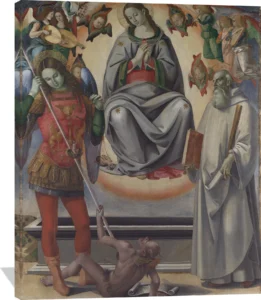
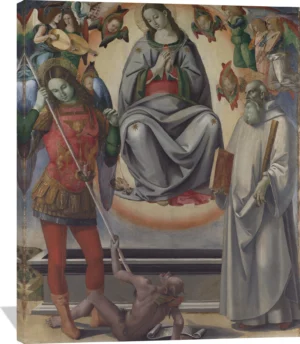
Signorelli’s work is marked by sculptural clarity, anatomical precision, and dramatic spatial arrangements. His confident modeling of the body, often shown in complex poses, helped shape the visual language that would influence later Renaissance masters. Vivid coloration and architectural backdrops further define his unmistakable aesthetic.
Notable Contributions
Best known for his monumental frescoes in the San Brizio Chapel in Orvieto Cathedral, Signorelli demonstrated a visionary imagination through scenes of the Last Judgment, the End of Days, and apocalyptic drama. These works established him as a leading interpreter of narrative intensity and intellectual depth. His mastery of perspective and the expressive possibilities of the nude played a vital role in the evolution of Renaissance art, leaving a lasting impact on younger artists, including Michelangelo.
Subjects and Themes
Signorelli frequently depicted biblical narratives, mythological subjects, and allegorical themes. His figures convey physical vigor and psychological presence, often highlighted through energetic compositions and richly detailed settings. The interplay between human emotion and spiritual revelation remains a defining hallmark of his work.
Cultural Significance
As one of the most forward-looking painters of his generation, Signorelli bridged the transition from the Quattrocento to the High Renaissance. His innovative handling of anatomy and movement, along with his commitment to visual storytelling, secured his reputation as a pivotal force in Renaissance art. Today, his paintings and frescoes continue to captivate viewers with their intensity, technical brilliance, and enduring humanism.