Artistic Style
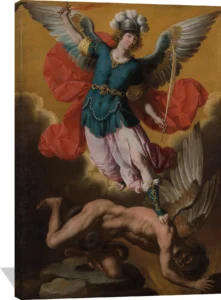
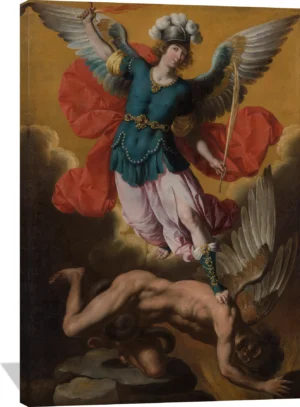
De Ries is known for blending the emotional intensity of the Spanish Baroque with a distinctive softness in modeling and atmosphere. His works often reveal a delicate interplay of light and shadow, balancing dramatic contrasts with serene, carefully structured compositions. His palette, more vivid than that of many contemporaries, contributes to the sense of spiritual radiance that defines his paintings.
Subjects and Themes
Although he painted a range of subjects, de Ries is most celebrated for his religious works, including altarpieces and devotional scenes created for churches and monastic settings. His interpretations of saints, angels, and biblical narratives demonstrate a contemplative tone and a capacity to convey emotion through subtle gesture and expression. He also produced notable allegorical works, where symbolic figures are rendered with clarity and poetic restraint.
Legacy and Significance
Ignacio de Ries holds a meaningful place in seventeenth-century Spanish art, both for his technical skill and the distinctive harmony of his compositions. His contributions enriched the visual culture of post-Tridentine Spain, supporting the era’s emphasis on vivid, emotionally compelling imagery. Though not as widely known today as some contemporaries, his work stands out for its refined Baroque sensibility and for its gentle yet powerful spiritual presence.