Artistic Style
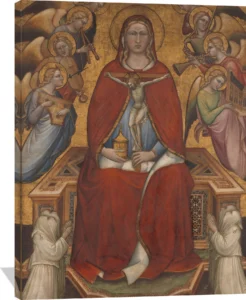
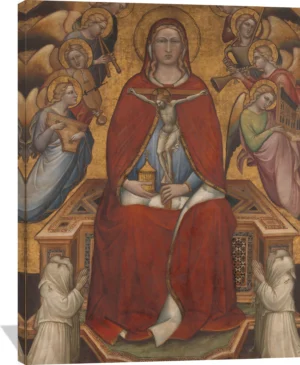
Aretino’s work is distinguished by its luminous color, fluid contours, and dynamic compositions. His style blends the refined linear grace of the Sienese school with the dramatic vigor associated with Florentine painting. The resulting synthesis gives his figures a powerful presence while maintaining a sense of spiritual clarity. His bold use of color and confident draftsmanship made him a sought-after fresco painter throughout Tuscany and beyond.
Notable Contributions
Among Aretino’s most celebrated achievements are his large-scale fresco cycles depicting scenes from the lives of saints, angels, and heroic figures of Christian tradition. Works such as his depictions of Saint Benedict and the Archangel Michael, as well as narrative cycles in San Miniato al Monte and the churches of Arezzo, showcase his ability to weave complex stories with visual immediacy. His mastery of expressive gesture and atmospheric detail helped elevate religious storytelling into a more emotionally resonant art form. These frescoes remain valued for their clarity, boldness, and enduring spiritual charge, marking him as a key innovator of late medieval mural painting.
Subjects and Significance
Aretino primarily explored sacred themes, with a focus on saints, celestial battles, and episodes emphasizing moral virtue. His portrayals of angels and warriors often carry a dramatic intensity unusual for his time, anticipating the heightened emotional register that would later flourish in early Renaissance art. He worked during a moment of profound artistic evolution, and his achievements helped bridge the gap between Gothic stylization and the more human-centered realism emerging in Florence.
Legacy
Spinello Aretino’s legacy endures in the enduring vibrancy of his frescoes and the influence he exerted on generations of Tuscan painters. His ability to combine decorative elegance with narrative strength has secured his place as one of the most compelling visual storytellers of the fourteenth century. Today, his work stands as a testament to the expressive power and spiritual resonance of Italian Gothic art, offering viewers a vivid connection to the cultural and devotional world of medieval Italy.