Artistic Style
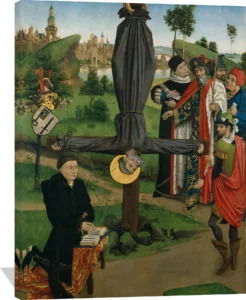
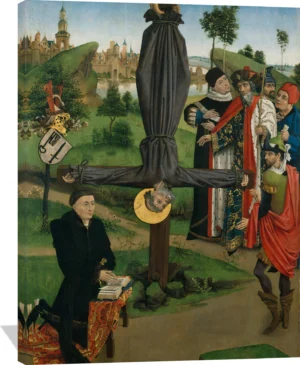
This painter’s approach is distinguished by luminous color, delicate modeling of faces and fabrics, and a subtle interplay of light that enhances both realism and emotional resonance. Influenced by the innovations of Flemish contemporaries, the artist often employed fine brushwork and layered glazes to achieve a polished surface and exceptional depth. This meticulous technique aligns with the period’s growing interest in capturing the tangible world with unprecedented clarity.
Subjects and Themes
Typical subjects include religious narratives, devotional panels, and portraits, each rendered with attentive observation and gentle psychological insight. Figures are set within carefully considered architectural or landscape spaces, allowing symbolic objects and atmospheric details to enrich the storytelling. Whether depicting sacred scenes or secular life, the artist’s compositions convey a quiet dignity and a strong sense of presence.
Historical Significance
Working during a moment of artistic transition, the Northern French Painter contributed to the spread of Northern Renaissance ideals across France. The artist’s works reflect a period when painters were increasingly integrating naturalism, spatial coherence, and emotional subtlety into traditional medieval formats. This synthesis helped pave the way for later developments in French painting and strengthened cultural exchanges with neighboring artistic centers.
What Makes the Work Distinctive
The combination of precise draftsmanship, atmospheric delicacy, and thoughtful symbolism lends these paintings a lasting appeal. Details such as the shimmer of textiles, the expressive tilt of a gesture, or the tranquil organization of a scene reveal both technical discipline and a refined sensitivity. These qualities embody the quiet yet profound innovations that made this painter’s circle an important presence in early Renaissance art, offering collectors today a glimpse into the origins of Northern European naturalism and the aesthetic values that shaped its enduring legacy.