The Holy Family with Saint Anne and the Young Baptist and His Parents
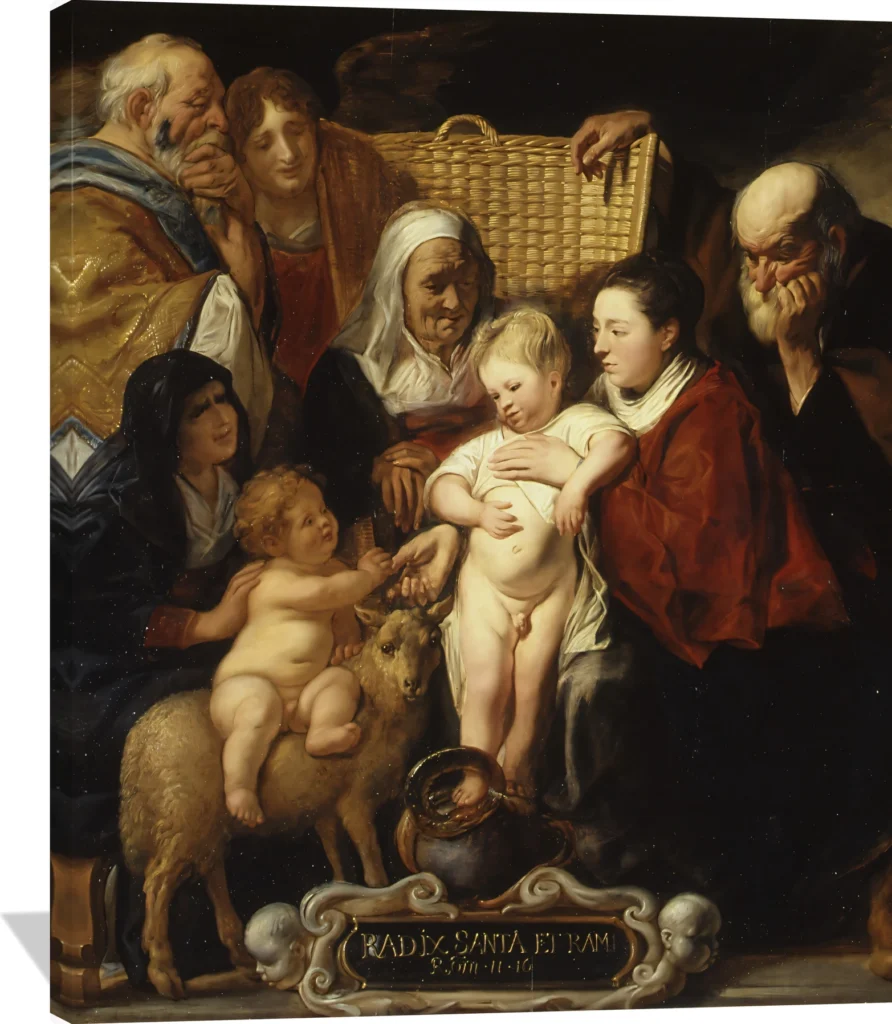
The Jacob Jordaens The Holy Family with Saint Anne and the Young Baptist and His Parents canvas captures a tender moment of devotion and kinship, rendered in the artist’s signature Baroque warmth. Deep golds, soft creams, and rich crimson tones illuminate the figures, drawing the eye to the central embrace surrounded by gentle, contemplative faces. The balanced composition and lifelike textures create a timeless sense of reverence and humanity.
This museum-quality canvas print brings classical grace and emotional depth to any setting. Ideal for a living room, study, or entryway, this exquisite wall art infuses your space with the luminous spirit of Flemish mastery and the enduring beauty of sacred family bonds.
Jacob Jordaens (Flemish, Antwerp 1593–1678 Antwerp) was one of the leading painters of the Northern Baroque, celebrated for his exuberant compositions, dynamic figures, and masterful command of light and color. Closely associated with the artistic milieu of Rubens and Van Dyck, he developed a distinct voice rooted in both grandeur and earthy realism.
Artistic Style
Jordaens is known for his vigorous brushwork, warm tonalities, and richly animated scenes. His paintings often feature robust figures, dramatic contrasts, and expressive faces that capture the vitality of Flemish life. Although influenced by Rubens, he forged a more grounded aesthetic distinguished by a strong narrative impulse and a keen sense of character.
Subjects and Themes
His work spans mythological narratives, allegories, portraiture, and devotional imagery, yet he is especially admired for lively domestic scenes and depictions of festivals and proverbs. Compositions such as As the Old Sing, So Pipe the Young reflect his affinity for moral storytelling and his ability to transform everyday subjects into compelling visual drama.
Cultural Significance
As one of Antwerp’s most prominent painters of the 17th century, Jordaens played a central role in shaping the identity of Flemish Baroque art. His paintings capture both the splendor and humanity of his era, offering a vivid window into the cultural life of the Southern Netherlands. Today, he is regarded as a master whose robust energy and expressive realism remain enduring hallmarks of the Baroque tradition.
Trust & policies
- 🚚 Free worldwide shipping
- 🔁 30-day returns (change of mind)
- 🛡️ If damaged/defective/misprinted: free replacement or full refund
- 🌍 Printed in US/CA/EU/UK/AU (based on delivery location)
- 💎 Made to order using acid-free, fade-resistant canvas
- 💎 Solid wood stretcher bars • Pine floating frames
- 🪝 Ready to hang

The Music Lesson
John George BrownCanvas from
32,00 $Select options This product has multiple variants. The options may be chosen on the product pagePortrait of a Gentleman
Henry BenbridgeCanvas from
32,00 $Select options This product has multiple variants. The options may be chosen on the product pageBaked Pears in Duane Park
William P. ChappelCanvas from
50,00 $Select options This product has multiple variants. The options may be chosen on the product pageAn Indian Encampment
Ralph Albert BlakelockCanvas from
44,00 $Select options This product has multiple variants. The options may be chosen on the product pageSamuel Cutts
Joseph BlackburnCanvas from
32,00 $Select options This product has multiple variants. The options may be chosen on the product pageMrs. David Chesebrough
Joseph BlackburnCanvas from
32,00 $Select options This product has multiple variants. The options may be chosen on the product pageThe Ring
John White AlexanderCanvas from
32,00 $Select options This product has multiple variants. The options may be chosen on the product pageLandscape
Ralph Albert BlakelockCanvas from
33,00 $Select options This product has multiple variants. The options may be chosen on the product pageRepose
John White AlexanderCanvas from
32,00 $Select options This product has multiple variants. The options may be chosen on the product pageSea Cove
Albert BierstadtCanvas from
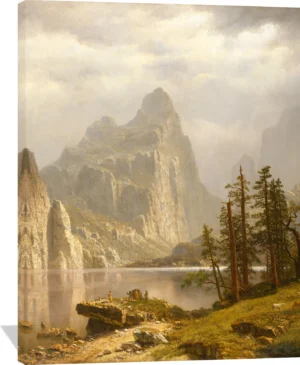
33,00 $Select options This product has multiple variants. The options may be chosen on the product pageMerced River, Yosemite Valley
Albert BierstadtCanvas from
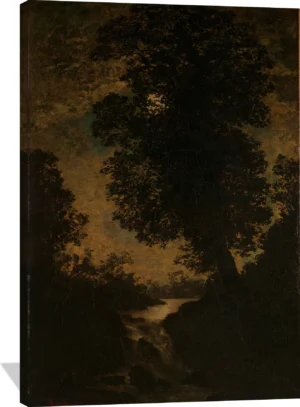
33,00 $Select options This product has multiple variants. The options may be chosen on the product pageA Waterfall, Moonlight
Ralph Albert BlakelockCanvas from
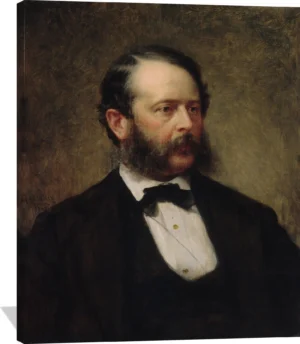
50,00 $Select options This product has multiple variants. The options may be chosen on the product pageJohn F. Kensett
George Augustus Baker Jr.Canvas from
32,00 $Select options This product has multiple variants. The options may be chosen on the product pageMountain Scene
Albert BierstadtCanvas from
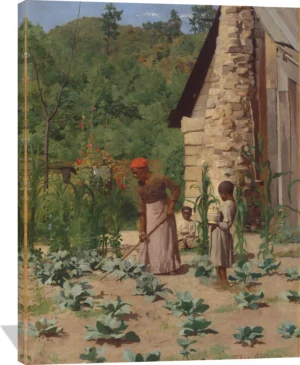
33,00 $Select options This product has multiple variants. The options may be chosen on the product pageThe Way They Live
Thomas AnshutzCanvas from
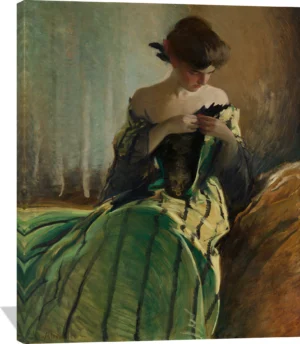
33,00 $Select options This product has multiple variants. The options may be chosen on the product pageStudy in Green and Black
John White AlexanderCanvas from
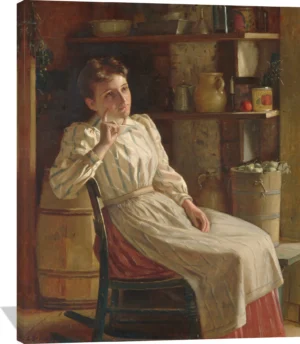
32,00 $Select options This product has multiple variants. The options may be chosen on the product pageMeditation
John George BrownCanvas from
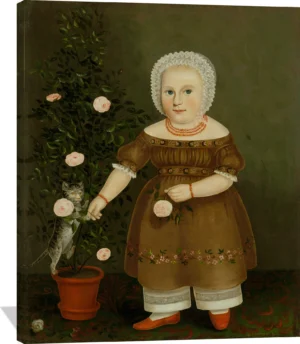
32,00 $Select options This product has multiple variants. The options may be chosen on the product pageEmma Homan
John BradleyCanvas from
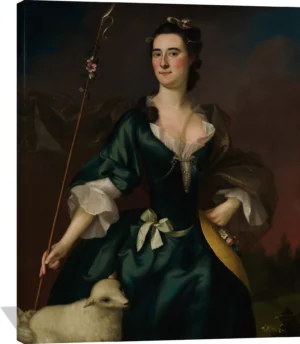
32,00 $Select options This product has multiple variants. The options may be chosen on the product pageMary Sylvester
Joseph BlackburnCanvas from
32,00 $Select options This product has multiple variants. The options may be chosen on the product pageJames Badger
Joseph BadgerCanvas from
32,00 $Select options This product has multiple variants. The options may be chosen on the product pageThe Ameya
Robert Frederick BlumCanvas from
32,00 $Select options This product has multiple variants. The options may be chosen on the product pageAn Arctic Summer: Boring Through the Pack in Melville Bay
William BradfordCanvas from
50,00 $Select options This product has multiple variants. The options may be chosen on the product page

Explore Historical Figures
Saint Francis in Ecstasy
Giovanni Benedetto Castiglione (Il Grechetto)Canvas from
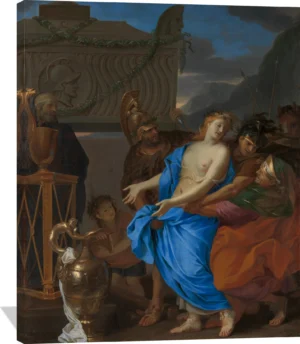
33,00 $Select options This product has multiple variants. The options may be chosen on the product pageThe Sacrifice of Polyxena
Charles Le BrunCanvas from
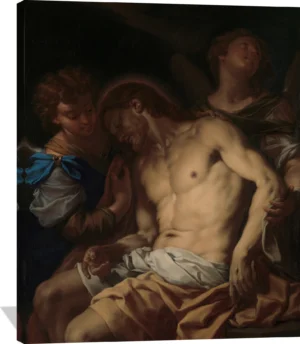
32,00 $Select options This product has multiple variants. The options may be chosen on the product pageDead Christ Supported by Angels
Francesco TrevisaniCanvas from
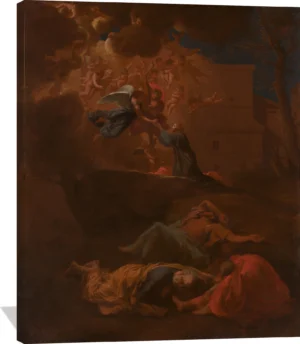
32,00 $Select options This product has multiple variants. The options may be chosen on the product pageThe Agony in the Garden
Nicolas PoussinCanvas from
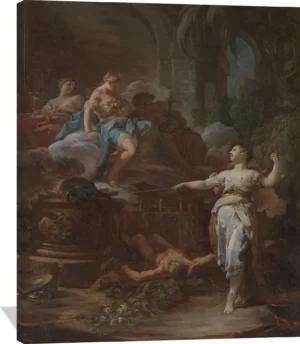
32,00 $Select options This product has multiple variants. The options may be chosen on the product pageMedea Rejuvenating Aeson
Corrado GiaquintoCanvas from
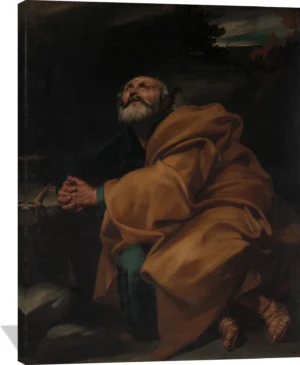
32,00 $Select options This product has multiple variants. The options may be chosen on the product pageThe Tears of Saint Peter
Jusepe de Ribera (called Lo Spagnoletto)Canvas from
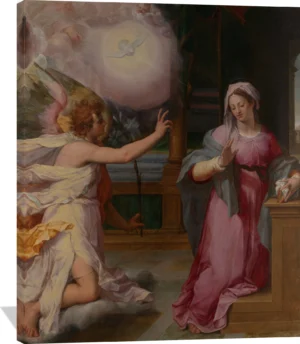
33,00 $Select options This product has multiple variants. The options may be chosen on the product pageThe Annunciation
Peter Candid (Pieter de Witte, Pietro Candido)Canvas from
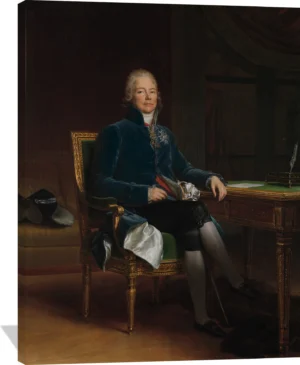
32,00 $Select options This product has multiple variants. The options may be chosen on the product pageCharles Maurice de Talleyrand Périgord (1754–1838), Prince de Bénévent
baron François GérardCanvas from
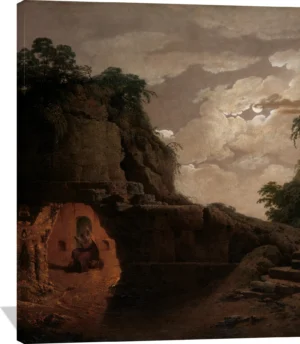
33,00 $Select options This product has multiple variants. The options may be chosen on the product pageVirgil’s Tomb by Moonlight, with Silius Italicus Declaiming
Joseph Wright (Wright of Derby)Canvas from
32,00 $Select options This product has multiple variants. The options may be chosen on the product pageThe Holy Family with the Infant Saint John the Baptist
Perino del Vaga (Pietro Buonaccorsi)Canvas from
32,00 $Select options This product has multiple variants. The options may be chosen on the product pageA Cardinal’s Procession
Ottavio Leoni (Il Padovano)Canvas from
44,00 $Select options This product has multiple variants. The options may be chosen on the product pageHagar and the Angel
Francesco MaffeiCanvas from
32,00 $Select options This product has multiple variants. The options may be chosen on the product pageSketch for “Reception of Emperor Napoleon III and Empress Eugénie by the Kabyle Leaders at Algiers on September 18, 1860”
Isidore PilsCanvas from
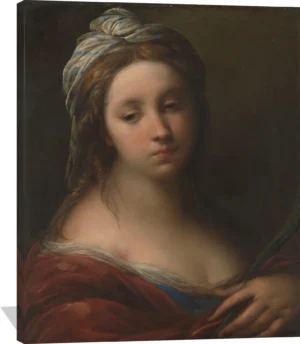
50,00 $Select options This product has multiple variants. The options may be chosen on the product pageA Female Martyr Saint
Carlo Francesco NuvoloneCanvas from
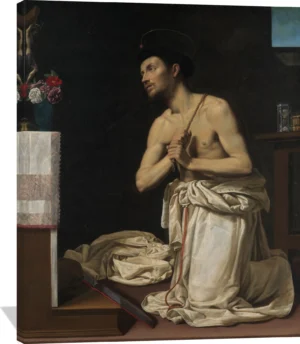
32,00 $Select options This product has multiple variants. The options may be chosen on the product pageSaint Dominic in Penitence
Filippo TarchianiCanvas from
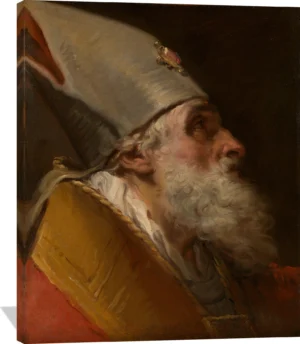
32,00 $Select options This product has multiple variants. The options may be chosen on the product pageHead of a Bishop
Gaetano GandolfiCanvas from
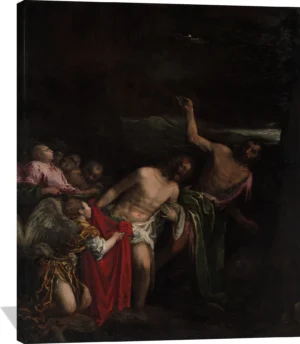
32,00 $Select options This product has multiple variants. The options may be chosen on the product pageThe Baptism of Christ
Jacopo Bassano (Jacopo da Ponte)Canvas from
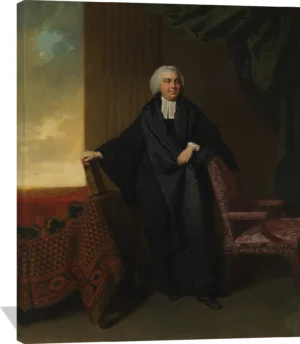
32,00 $Select options This product has multiple variants. The options may be chosen on the product pageThe Reverend Philip Cocks (1735–1797)
Johan Joseph ZoffanyCanvas from
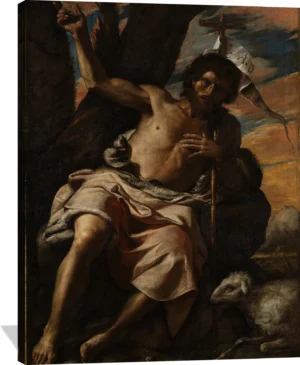
32,00 $Select options This product has multiple variants. The options may be chosen on the product pageSaint John the Baptist Preaching
Mattia Preti (Il Cavalier Calabrese)Canvas from
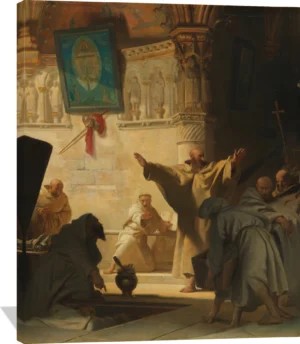
33,00 $Select options This product has multiple variants. The options may be chosen on the product pageDramatic Scene with Monks in a Crypt
Alexandre Evariste FragonardCanvas from
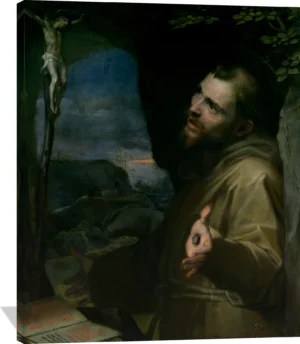
32,00 $Select options This product has multiple variants. The options may be chosen on the product pageSaint Francis
Federico BarocciCanvas from
32,00 $Select options This product has multiple variants. The options may be chosen on the product page
Explore Baroque
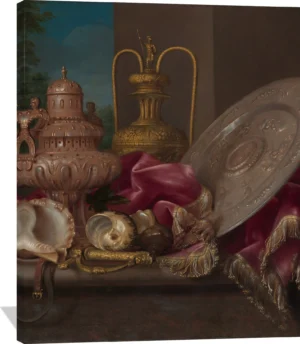
Still Life with Silver and Gold Plate, Shells, and a Sword
Meiffren ConteCanvas from
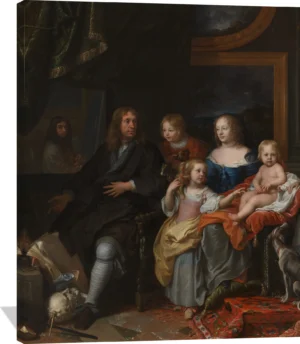
32,00 $Select options This product has multiple variants. The options may be chosen on the product pageThe Jabach Family
Charles Le BrunCanvas from
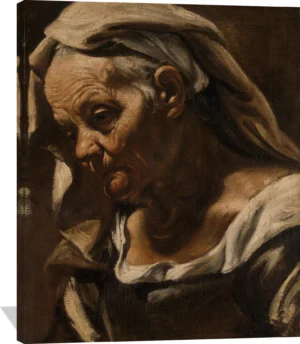
32,00 $Select options This product has multiple variants. The options may be chosen on the product pageHead of an Old Woman
Orazio BorgianniCanvas from
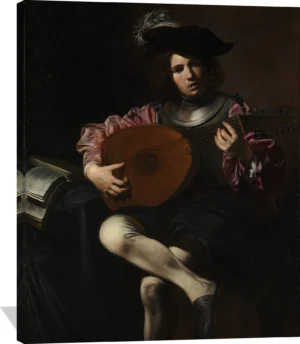
32,00 $Select options This product has multiple variants. The options may be chosen on the product pageLute Player
Valentin de BoulogneCanvas from
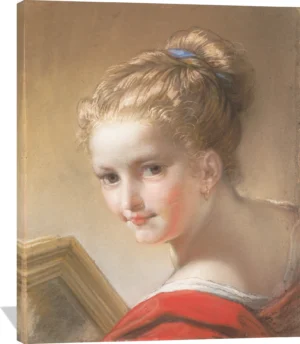
32,00 $Select options This product has multiple variants. The options may be chosen on the product pageStudy of a Girl in Red
Benedetto LutiCanvas from
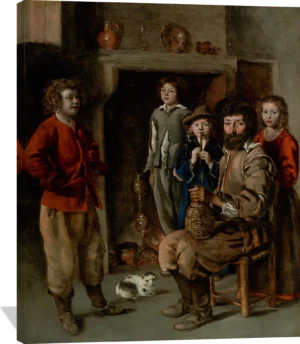
32,00 $Select options This product has multiple variants. The options may be chosen on the product pageA Peasant Family
Antoine Le NainCanvas from
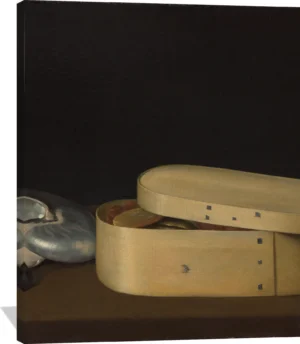
32,00 $Select options This product has multiple variants. The options may be chosen on the product pageStill Life with Shells and a Chip-Wood Box
Sebastian StoskopffCanvas from
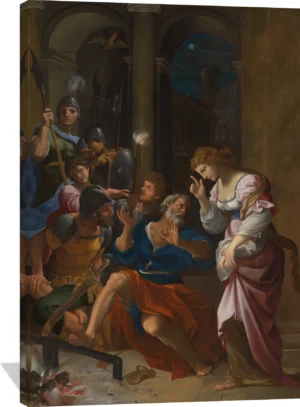
32,00 $Select options This product has multiple variants. The options may be chosen on the product pageThe Denial of Saint Peter
Ludovico CarracciCanvas from
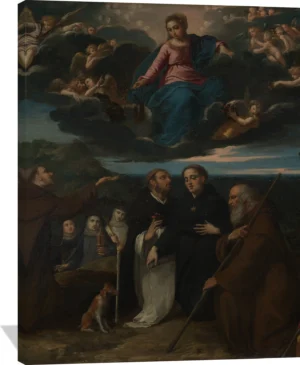
50,00 $Select options This product has multiple variants. The options may be chosen on the product pageThe Virgin Adored by Saints
Scarsellino (Ippolito Scarsella)Canvas from
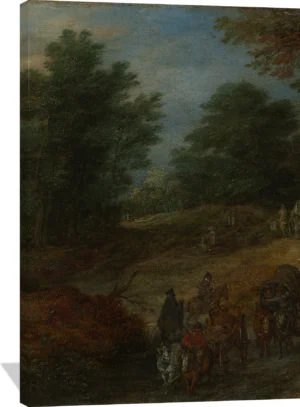
33,00 $Select options This product has multiple variants. The options may be chosen on the product pageLandscape with Travelers on a Woodland Path
Jan Brueghel the ElderCanvas from
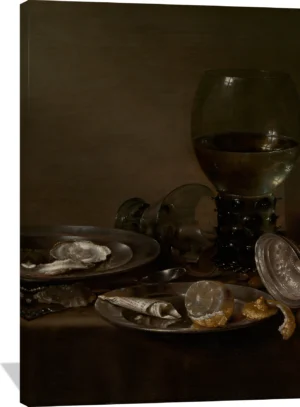
50,00 $Select options This product has multiple variants. The options may be chosen on the product pageStill Life with Oysters, a Silver Tazza, and Glassware
Willem Claesz HedaCanvas from
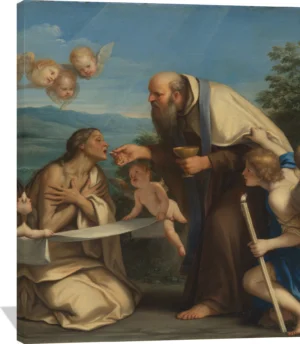
50,00 $Select options This product has multiple variants. The options may be chosen on the product pageThe Last Communion of Saint Mary of Egypt
Marcantonio FranceschiniCanvas from
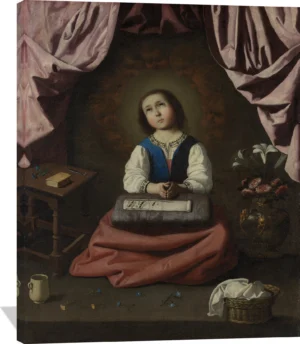
32,00 $Select options This product has multiple variants. The options may be chosen on the product pageThe Young Virgin
Francisco de ZurbaránCanvas from
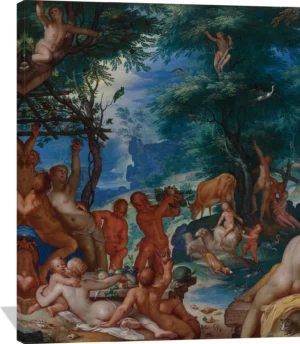
32,00 $Select options This product has multiple variants. The options may be chosen on the product pageThe Golden Age
Joachim WtewaelCanvas from
32,00 $Select options This product has multiple variants. The options may be chosen on the product pageA Man and a Woman on Horseback
Philips WouwermanCanvas from
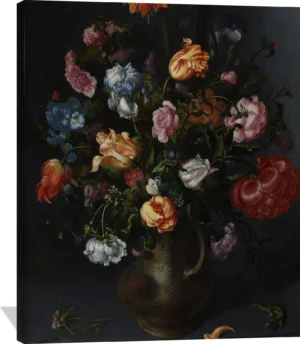
32,00 $Select options This product has multiple variants. The options may be chosen on the product pageA Vase with Flowers
Jacob VosmaerCanvas from
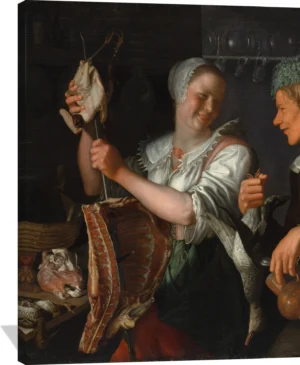
32,00 $Select options This product has multiple variants. The options may be chosen on the product pageKitchen Scene
Peter WtewaelCanvas from
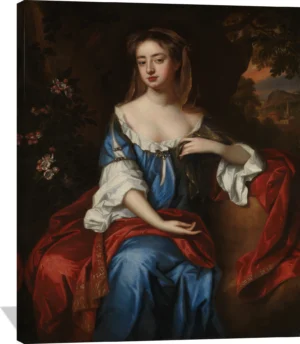
33,00 $Select options This product has multiple variants. The options may be chosen on the product pagePortrait of a Woman
Willem WissingCanvas from
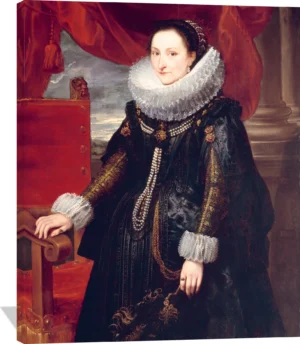
32,00 $Select options This product has multiple variants. The options may be chosen on the product pagePortrait of a Woman
Cornelis de VosCanvas from
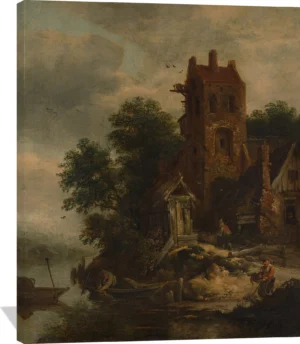
32,00 $Select options This product has multiple variants. The options may be chosen on the product pageThe Pigeon House
Roelof van VriesCanvas from
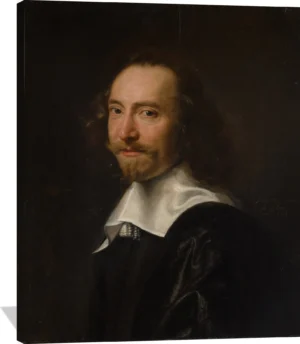
32,00 $Select options This product has multiple variants. The options may be chosen on the product pagePortrait of a Man
Abraham de VriesCanvas from
32,00 $Select options This product has multiple variants. The options may be chosen on the product page

Explore Religious Figures
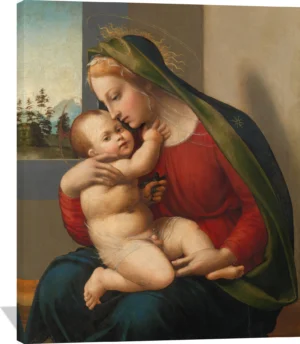
Madonna and Child
Francesco Granacci (Francesco di Andrea di Marco)Canvas from
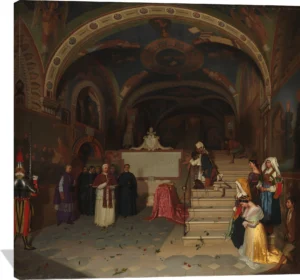
32,00 $Select options This product has multiple variants. The options may be chosen on the product pagePope Gregory XVI Visiting the Church of San Benedetto at Subiaco
Jean-François MontessuyCanvas from
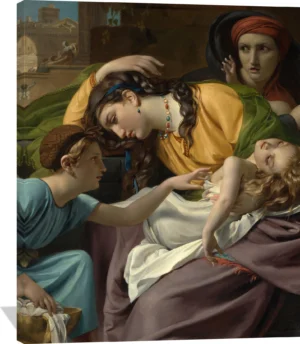
44,00 $Select options This product has multiple variants. The options may be chosen on the product pageThe Massacre of the Innocents
François Joseph NavezCanvas from
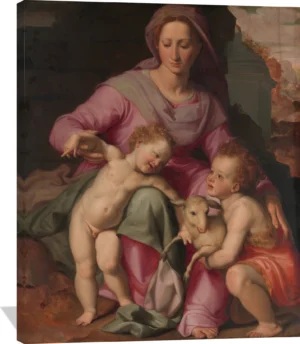
32,00 $Select options This product has multiple variants. The options may be chosen on the product pageMadonna and Child with the Infant Saint John the Baptist
Santi di TitoCanvas from
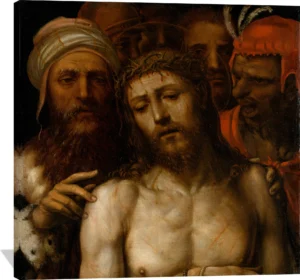
32,00 $Select options This product has multiple variants. The options may be chosen on the product pageChrist Presented to the People (Ecce Homo)
Sodoma (Giovanni Antonio Bazzi)Canvas from
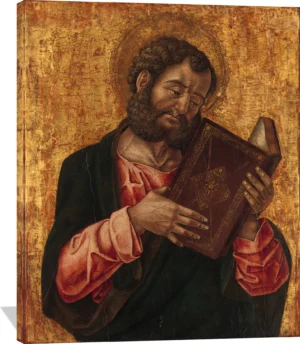
44,00 $Select options This product has multiple variants. The options may be chosen on the product pageA Saint (Mark?) Reading
Bartolomeo VivariniCanvas from
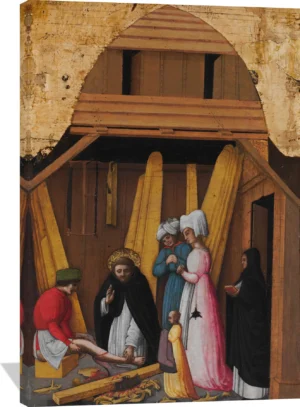
32,00 $Select options This product has multiple variants. The options may be chosen on the product pageSaint Peter Martyr Healing the Leg of a Young Man
Antonio VivariniCanvas from
50,00 $Select options This product has multiple variants. The options may be chosen on the product pageAbraham’s Parting from the Family of Lot
Jan VictorsCanvas from
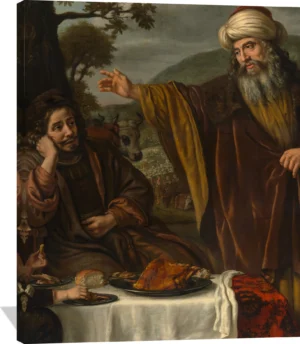
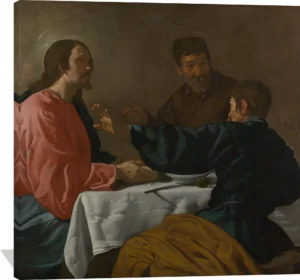
32,00 $Select options This product has multiple variants. The options may be chosen on the product pageThe Supper at Emmaus
Velázquez (Diego Rodríguez de Silva y Velázquez)Canvas from
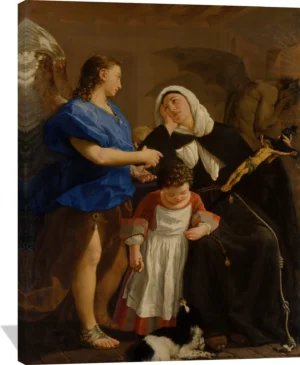
44,00 $Select options This product has multiple variants. The options may be chosen on the product pageSaint Margaret of Cortona
Gaspare TraversiCanvas from
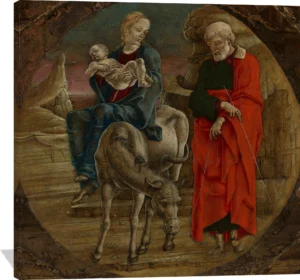
33,00 $Select options This product has multiple variants. The options may be chosen on the product pageThe Flight into Egypt
Cosmè Tura (Cosimo di Domenico di Bonaventura)Canvas from
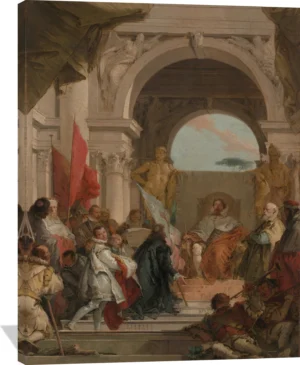
44,00 $Select options This product has multiple variants. The options may be chosen on the product pageThe Investiture of Bishop Harold as Duke of Franconia
Giovanni Battista TiepoloCanvas from
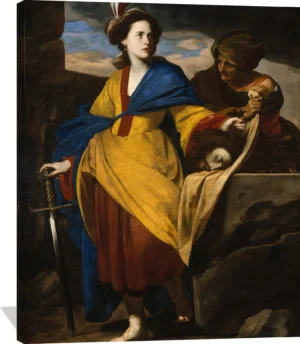
33,00 $Select options This product has multiple variants. The options may be chosen on the product pageJudith with the Head of Holofernes
Massimo StanzioneCanvas from
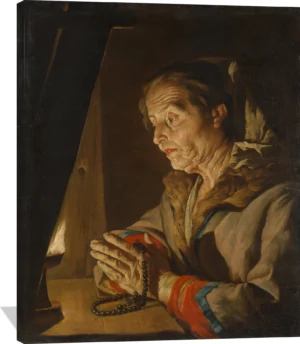
32,00 $Select options This product has multiple variants. The options may be chosen on the product pageOld Woman Praying
Matthias StomCanvas from
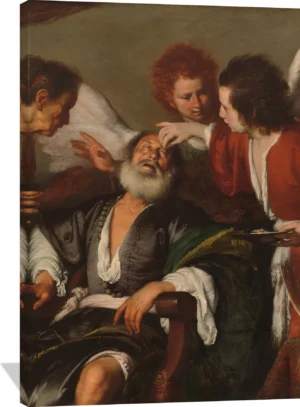
32,00 $Select options This product has multiple variants. The options may be chosen on the product pageTobias Curing His Father’s Blindness
Bernardo StrozziCanvas from
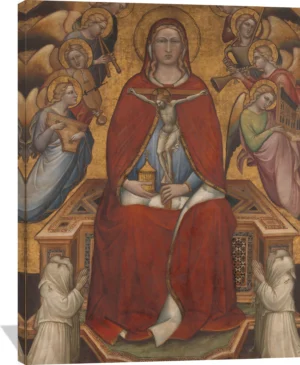
50,00 $Select options This product has multiple variants. The options may be chosen on the product pageSaint Mary Magdalen Holding a Crucifix; (reverse) The Flagellation
Spinello Aretino (Spinello di Luca Spinelli)Canvas from
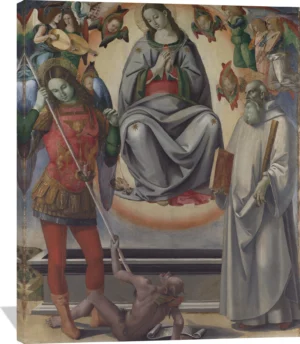
33,00 $Select options This product has multiple variants. The options may be chosen on the product pageThe Assumption of the Virgin with Saints Michael and Benedict
Luca SignorelliCanvas from
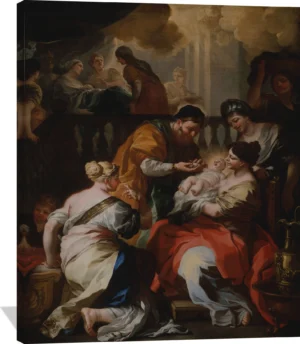
32,00 $Select options This product has multiple variants. The options may be chosen on the product pageThe Birth of the Virgin
Francesco SolimenaCanvas from
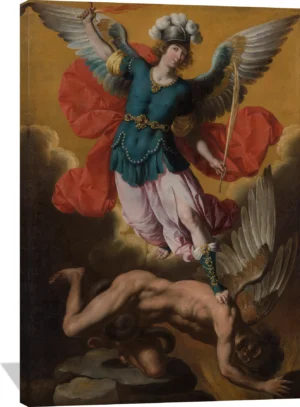
32,00 $Select options This product has multiple variants. The options may be chosen on the product pageSaint Michael the Archangel
Ignacio de RiesCanvas from
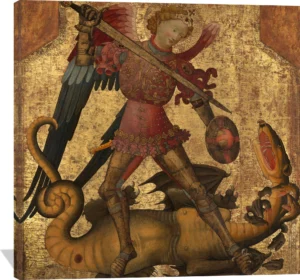
50,00 $Select options This product has multiple variants. The options may be chosen on the product pageSaint Michael and the Dragon
Spanish (Valencian) Painter(?)Canvas from
44,00 $Select options This product has multiple variants. The options may be chosen on the product pageThe Beheading of Saint John the Baptist
Spanish (Catalan) PainterCanvas from
44,00 $Select options This product has multiple variants. The options may be chosen on the product page