Artistic Style
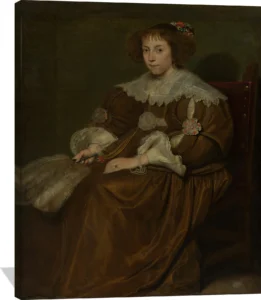
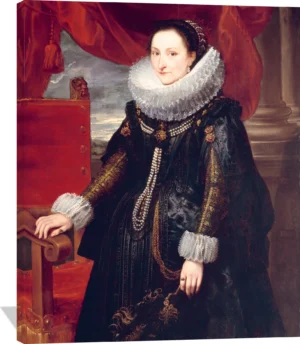
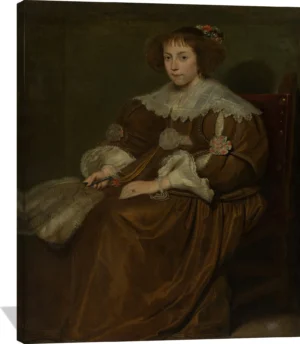
De Vos is celebrated for a richly detailed, naturalistic style that combines Baroque drama with a refined sense of intimacy. His portraits are marked by sensitive characterization, luminous flesh tones, and a striking clarity of form. The subtle interplay of light and texture in his paintings demonstrates a masterful command of both technique and mood, establishing him as one of the era’s finest portraitists.
Subjects and Themes
Although best known for portraiture, de Vos also produced compelling narrative works and religious scenes. His portraits of children and families are particularly admired for their warmth and emotional immediacy, conveying a sense of authenticity that sets his work apart. Narrative compositions often feature strong compositional balance and expressive gestures that reflect the broader Baroque interest in theatricality and movement.
Cultural and Historical Significance
Working during a flourishing period for Antwerp’s artistic community, Cornelis de Vos contributed significantly to the city’s visual culture. His paintings offer valuable insight into the social and cultural fabric of the time, especially through his depiction of the urban elite and their domestic worlds. As a respected member and eventually dean of the city’s guild, he played a meaningful role in shaping the professional environment for artists of his generation.
Legacy
De Vos’s enduring appeal lies in the harmonious blend of realism, elegance, and psychological depth found throughout his work. His portraits remain sought after for their expressive presence, and his influence is evident in the broader development of Flemish Baroque portraiture. Today, his paintings stand as distinctive reflections of Antwerp’s Golden Age, valued for both their artistic mastery and historical resonance.