Artistic Style
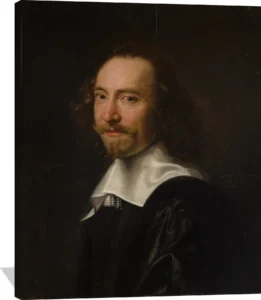
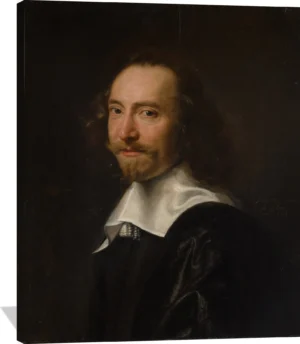
De Vries is celebrated for his meticulous handling of light and texture, capturing skin tones, fabrics, and subtle facial expressions with exceptional sensitivity. His portraits often balance naturalism with a quiet elegance, revealing both the physical likeness and the inner character of his subjects. This skill places him among the era’s most accomplished interpreters of the human face, showing affinities with the work of Frans Hals while maintaining an unmistakably personal approach.
Notable Contributions
Known primarily for his half-length and bust portraits, de Vries helped shape the evolving language of Dutch portraiture in the early seventeenth century. He is credited with elevating the expressive potential of the genre by emphasizing authenticity and immediacy rather than formality alone. His works, sometimes signed with a distinctive monogram, reflect a mastery of painterly detail and a strong understanding of individual identity.
Subjects and Significance
His subjects included members of the Dutch middle class, clergymen, scholars, and other prominent figures of his time. Through them, de Vries documented the cultural and intellectual spirit of the Dutch Republic. His portraits provide an invaluable record of the era’s ideals of respectability, introspection, and urban sophistication.
Legacy
Although less widely known today than some of his contemporaries, Abraham de Vries holds an important place in Dutch art history. His distinctive blend of realism and expressive nuance continues to appeal to collectors and admirers of the period. De Vries’s work remains a testament to the power of portraiture as both an artistic achievement and a window into seventeenth‑century life, marked by its exceptional naturalism and subtly compelling presence.