The Children of Martin Anton Heckscher: Johann Gustav Wilhelm Moritz (1797–1865), Carl Martin Adolph (1796–1850), and Leopold (born 1792)
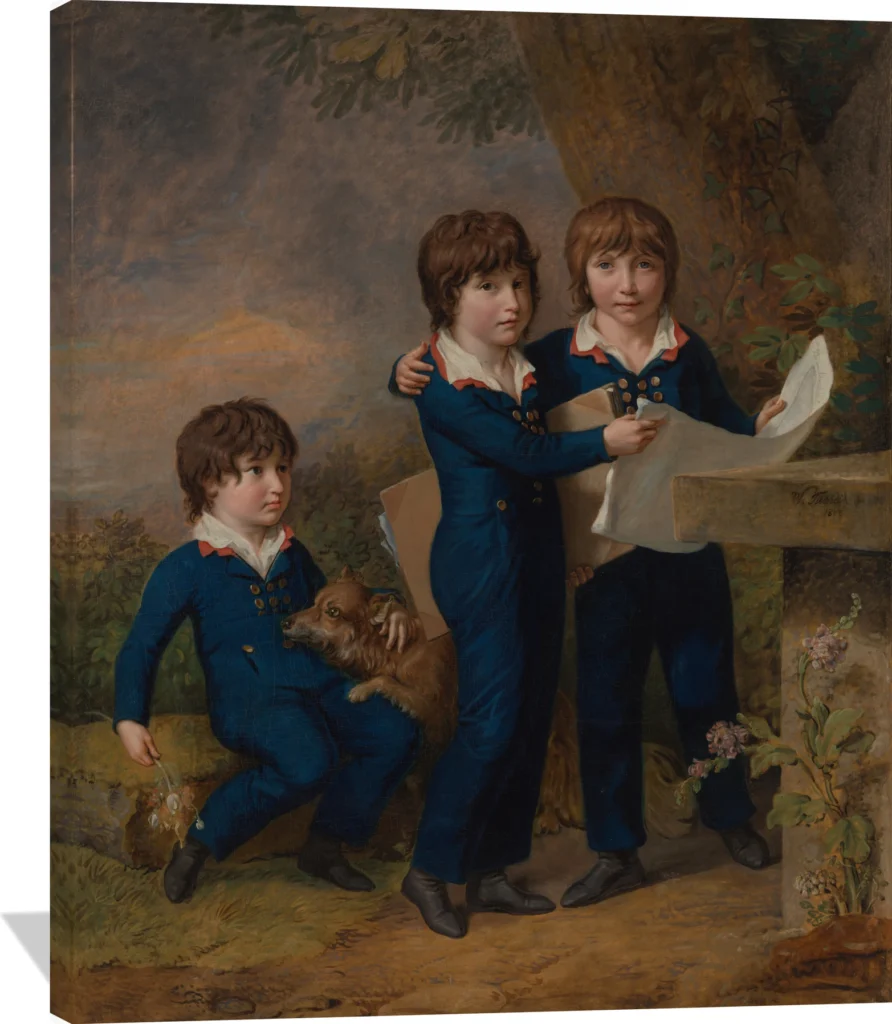
The Johann Heinrich Wilhelm Tischbein The Children of Martin Anton Heckscher canvas captures a tender portrait of three young brothers in coordinated blue attire, set against a serene natural backdrop. Warm earth tones, deep navy, and soft greens create a balanced composition that radiates harmony and familial affection. Tischbein’s refined brushwork and gentle lighting evoke timeless grace and intimacy.
This exquisite wall art brings classical sophistication to any living room, study, or entryway. A canvas print of this piece adds depth and warmth to modern or traditional interiors, celebrating the enduring beauty of 18th-century portraiture through a scene of youthful innocence and quiet connection.
Johann Heinrich Wilhelm Tischbein (1751–1829), born in Haina and later active in Eutin, was a German painter celebrated for his refined synthesis of Neoclassical ideals and graceful portraiture. A member of the prolific Tischbein family of artists, he distinguished himself through a cultivated style that merged clarity of form with a poetic sensibility shaped by his time in Italy.
Artistic Style
Tischbein’s work is defined by balanced compositions, harmonious proportions, and a disciplined yet lyrical approach to the human figure. His embrace of Neoclassicism is evident in the calm precision of his lines and the measured elegance of his subjects, while his sensitivity to atmosphere reflects a deep engagement with classical antiquity and the Italian landscape.
Notable Contributions
Often referred to as the “Goethe-Tischbein,” he is best known for his iconic portrait Goethe in the Roman Campagna, a masterpiece that captures both the intellectual spirit of its sitter and the timeless allure of Italy. Through such works, Tischbein helped shape the visual identity of Germany’s late Enlightenment era, portraying leading cultural figures with a heightened sense of introspection and dignity.
Subjects and Significance
Tischbein painted portraits, mythological scenes, and historical themes, infusing each with a refined clarity that became his hallmark. His depictions of writers, thinkers, and aristocrats convey the aspirations of an age that valued reason, beauty, and the revival of classical ideals. His paintings remain significant for their role in articulating the visual language of the Neoclassical movement and for their contribution to the cultural dialogue between Germany and Italy.
Enduring Legacy
Today, Tischbein is remembered for his ability to merge intellectual depth with visual grace. His best works embody a distinctive poetic restraint, offering viewers an enduring glimpse into the artistic and cultural currents of late eighteenth-century Europe. Through his portraits and narrative scenes, he secured a lasting place among the influential painters of his era.
Trust & policies
- 🚚 Free worldwide shipping
- 🔁 30-day returns (change of mind)
- 🛡️ If damaged/defective/misprinted: free replacement or full refund
- 🌍 Printed in US/CA/EU/UK/AU (based on delivery location)
- 💎 Made to order using acid-free, fade-resistant canvas
- 💎 Solid wood stretcher bars • Pine floating frames
- 🪝 Ready to hang

Mrs. Benjamin Simons
Henry BenbridgeCanvas from
142,00 leiSelect options This product has multiple variants. The options may be chosen on the product pageMountain Scene
Albert BierstadtCanvas from
146,00 leiSelect options This product has multiple variants. The options may be chosen on the product pageIn the Laboratory
Henry AlexanderCanvas from
142,00 leiSelect options This product has multiple variants. The options may be chosen on the product pageJames Badger
Joseph BadgerCanvas from
142,00 leiSelect options This product has multiple variants. The options may be chosen on the product pageWalt Whitman
John White AlexanderCanvas from
142,00 leiSelect options This product has multiple variants. The options may be chosen on the product pagePhilip Van Cortlandt
Ezra AmesCanvas from
142,00 leiSelect options This product has multiple variants. The options may be chosen on the product pageAfter a Long Cruise
John CarlinCanvas from
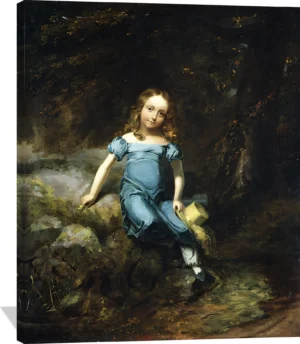
222,00 leiSelect options This product has multiple variants. The options may be chosen on the product pageThe Children of Nathan Starr
Ambrose AndrewsCanvas from
142,00 leiSelect options This product has multiple variants. The options may be chosen on the product pageThe Pipe Dance
Ralph Albert BlakelockCanvas from
222,00 leiSelect options This product has multiple variants. The options may be chosen on the product pageSea Cove
Albert BierstadtCanvas from
146,00 leiSelect options This product has multiple variants. The options may be chosen on the product pageAn Arctic Summer: Boring Through the Pack in Melville Bay
William BradfordCanvas from
222,00 leiSelect options This product has multiple variants. The options may be chosen on the product pageLeete Farm, West Claremont, New Hampshire
Francis AlexanderCanvas from
222,00 leiSelect options This product has multiple variants. The options may be chosen on the product pageMrs. Samuel Cutts
Joseph BlackburnCanvas from
142,00 leiSelect options This product has multiple variants. The options may be chosen on the product pageMeditation
John George BrownCanvas from
142,00 leiSelect options This product has multiple variants. The options may be chosen on the product pageJohn F. Kensett
George Augustus Baker Jr.Canvas from
142,00 leiSelect options This product has multiple variants. The options may be chosen on the product pageNevada Falls, Yosemite
Albert BierstadtCanvas from
142,00 leiSelect options This product has multiple variants. The options may be chosen on the product pageMerced River, Yosemite Valley
Albert BierstadtCanvas from
146,00 leiSelect options This product has multiple variants. The options may be chosen on the product pageShipwreck off Nantucket (Wreck off Nantucket after a Storm)
William BradfordCanvas from
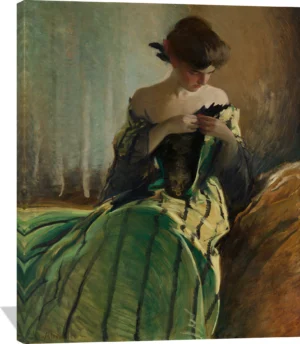
222,00 leiSelect options This product has multiple variants. The options may be chosen on the product pageStudy in Green and Black
John White AlexanderCanvas from
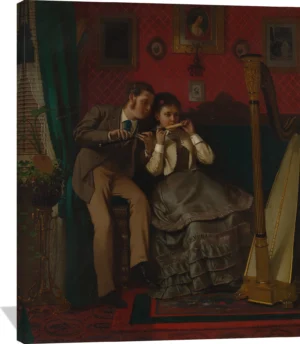
142,00 leiSelect options This product has multiple variants. The options may be chosen on the product pageThe Music Lesson
John George BrownCanvas from
142,00 leiSelect options This product has multiple variants. The options may be chosen on the product pageJanet Halleck Drake
Henry InmanCanvas from
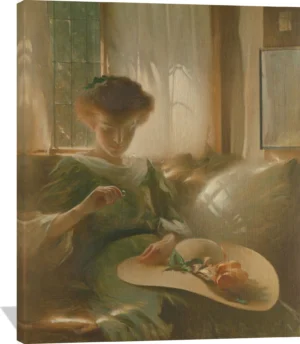
142,00 leiSelect options This product has multiple variants. The options may be chosen on the product pageThe Ring
John White AlexanderCanvas from
142,00 leiSelect options This product has multiple variants. The options may be chosen on the product page
Explore Portraits
Jeanne Hébuterne
Amedeo ModiglianiCanvas from
142,00 leiSelect options This product has multiple variants. The options may be chosen on the product pageGirl in a Sailor’s Blouse
Amedeo ModiglianiCanvas from
146,00 leiSelect options This product has multiple variants. The options may be chosen on the product pageSelf-Portrait
Umberto BoccioniCanvas from
142,00 leiSelect options This product has multiple variants. The options may be chosen on the product pageThe Fitting Room
Kenneth Hayes MillerCanvas from
142,00 leiSelect options This product has multiple variants. The options may be chosen on the product pageThe Jabach Family
Charles Le BrunCanvas from
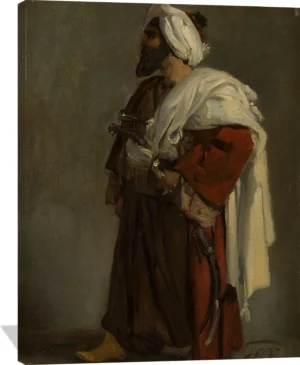
142,00 leiSelect options This product has multiple variants. The options may be chosen on the product pageArab Warrior
Horace VernetCanvas from
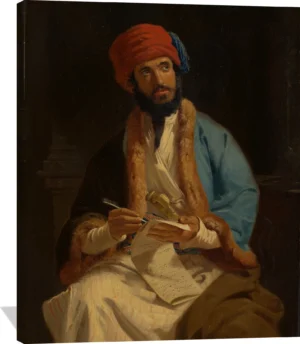
146,00 leiSelect options This product has multiple variants. The options may be chosen on the product pageThe Arab Sage
German PainterCanvas from
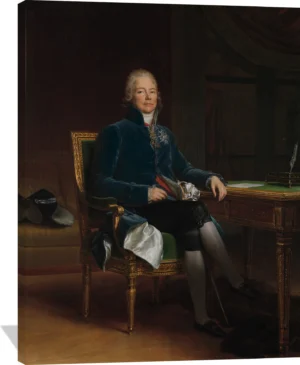
142,00 leiSelect options This product has multiple variants. The options may be chosen on the product pageCharles Maurice de Talleyrand Périgord (1754–1838), Prince de Bénévent
baron François GérardCanvas from
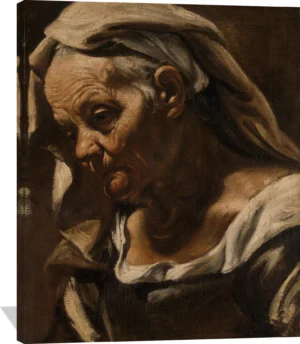
146,00 leiSelect options This product has multiple variants. The options may be chosen on the product pageHead of an Old Woman
Orazio BorgianniCanvas from
142,00 leiSelect options This product has multiple variants. The options may be chosen on the product pageSelf-Portrait
Anton Raphael MengsCanvas from
142,00 leiSelect options This product has multiple variants. The options may be chosen on the product pageSeated Arab Man with Horse
Alfred DedreuxCanvas from
142,00 leiSelect options This product has multiple variants. The options may be chosen on the product pageA Cardinal’s Procession
Ottavio Leoni (Il Padovano)Canvas from
195,00 leiSelect options This product has multiple variants. The options may be chosen on the product pageAn Egyptian in a Doorway
Sir Lawrence Alma-TademaCanvas from
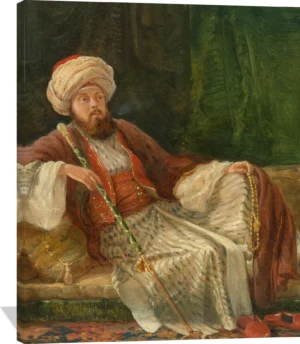
146,00 leiSelect options This product has multiple variants. The options may be chosen on the product pageWestern Gentleman in Oriental Costume
British PainterCanvas from
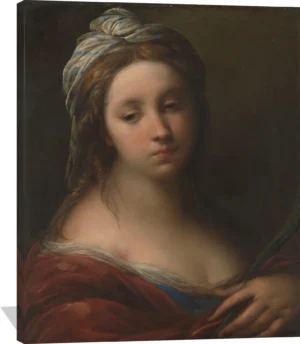
142,00 leiSelect options This product has multiple variants. The options may be chosen on the product pageA Female Martyr Saint
Carlo Francesco NuvoloneCanvas from
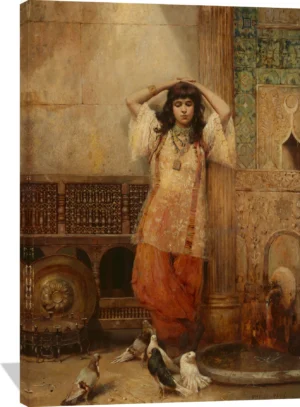
142,00 leiSelect options This product has multiple variants. The options may be chosen on the product pageGirl in a Courtyard, Algiers (formerly Courtyard in Tangier)
Philippe PavyCanvas from
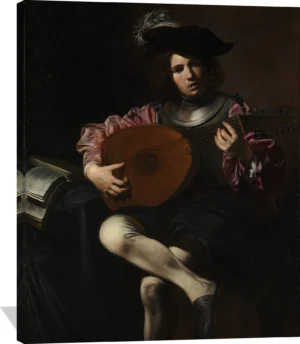
222,00 leiSelect options This product has multiple variants. The options may be chosen on the product pageLute Player
Valentin de BoulogneCanvas from
142,00 leiSelect options This product has multiple variants. The options may be chosen on the product pageThe Opium Smokers
Georges ClairinCanvas from
195,00 leiSelect options This product has multiple variants. The options may be chosen on the product pageHead of a Bishop
Gaetano GandolfiCanvas from
142,00 leiSelect options This product has multiple variants. The options may be chosen on the product pageThe Two Central Figures in “Derby Day”
William Powell FrithCanvas from
146,00 leiSelect options This product has multiple variants. The options may be chosen on the product pageThe Saithwaite Family
Francis WheatleyCanvas from
142,00 leiSelect options This product has multiple variants. The options may be chosen on the product page

Explore Figurative
Docks on Sunday
Joseph De MartiniCanvas from
142,00 leiSelect options This product has multiple variants. The options may be chosen on the product pageChrysanthemums in the Garden at Petit-Gennevilliers
Gustave CaillebotteCanvas from
222,00 leiSelect options This product has multiple variants. The options may be chosen on the product pageA Cairo Bazaar
Adrien DauzatsCanvas from
142,00 leiSelect options This product has multiple variants. The options may be chosen on the product pageStudy of Palm Trees
Jean-Léon GérômeCanvas from
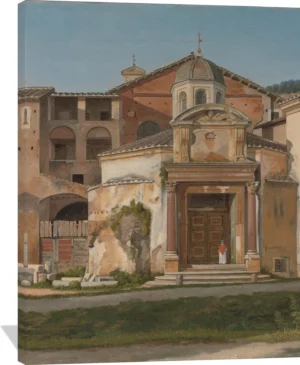
142,00 leiSelect options This product has multiple variants. The options may be chosen on the product pageA Section of the Via Sacra, Rome (The Church of Saints Cosmas and Damian)
Christoffer Wilhelm EckersbergCanvas from
146,00 leiSelect options This product has multiple variants. The options may be chosen on the product pageLandscape with Figures
Kenneth Hayes MillerCanvas from
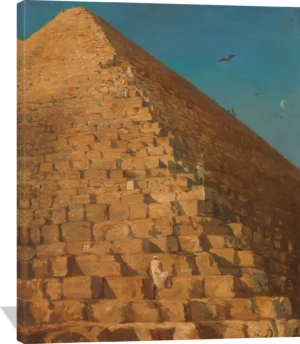
142,00 leiSelect options This product has multiple variants. The options may be chosen on the product pageThe Great Pyramid, Giza
Adrien DauzatsCanvas from
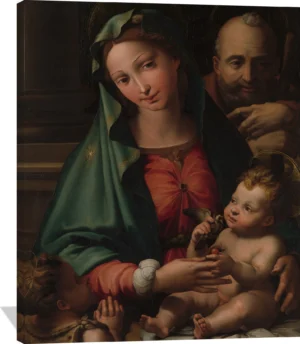
142,00 leiSelect options This product has multiple variants. The options may be chosen on the product pageThe Holy Family with the Infant Saint John the Baptist
Perino del Vaga (Pietro Buonaccorsi)Canvas from
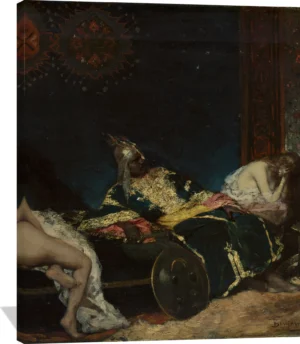
142,00 leiSelect options This product has multiple variants. The options may be chosen on the product pageScene in a Harem (Un Envoi de Serbie)
Benjamin-Constant (Jean-Joseph-Benjamin Constant)Canvas from
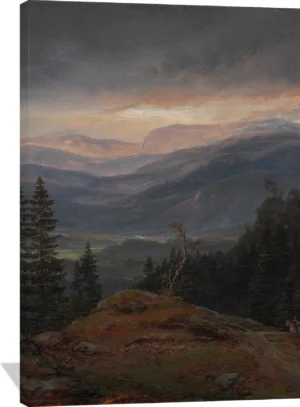
142,00 leiSelect options This product has multiple variants. The options may be chosen on the product pageView over Hallingdal
Johan Christian DahlCanvas from
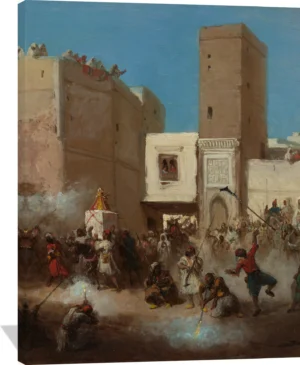
222,00 leiSelect options This product has multiple variants. The options may be chosen on the product pageWedding Procession
Victor EeckhoutCanvas from
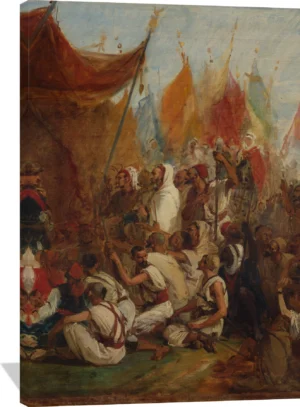
146,00 leiSelect options This product has multiple variants. The options may be chosen on the product pageSketch for “Reception of Emperor Napoleon III and Empress Eugénie by the Kabyle Leaders at Algiers on September 18, 1860”
Isidore PilsCanvas from
222,00 leiSelect options This product has multiple variants. The options may be chosen on the product pageWindow
Anton DieffenbachCanvas from
146,00 leiSelect options This product has multiple variants. The options may be chosen on the product pageOdalisque
Benjamin-Constant (Jean-Joseph-Benjamin Constant)Canvas from
222,00 leiSelect options This product has multiple variants. The options may be chosen on the product pageAt the Edge of the Forest
August HeinrichCanvas from
142,00 leiSelect options This product has multiple variants. The options may be chosen on the product pageThe Baptism of Christ
Jacopo Bassano (Jacopo da Ponte)Canvas from
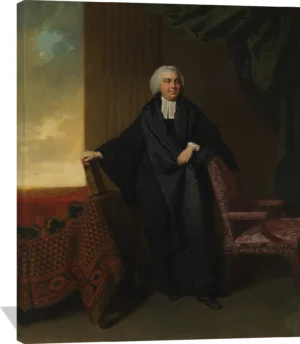
142,00 leiSelect options This product has multiple variants. The options may be chosen on the product pageThe Reverend Philip Cocks (1735–1797)
Johan Joseph ZoffanyCanvas from
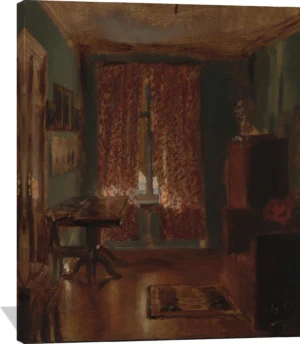
142,00 leiSelect options This product has multiple variants. The options may be chosen on the product pageThe Artist’s Sitting Room in Ritterstrasse
Adolph MenzelCanvas from
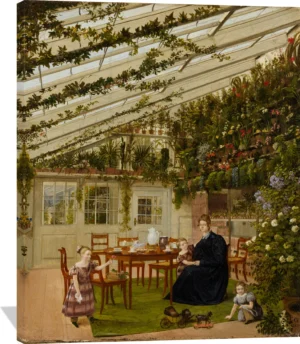
142,00 leiSelect options This product has multiple variants. The options may be chosen on the product pageThe Family of Mr. Westphal in the Conservatory
Eduard GaertnerCanvas from
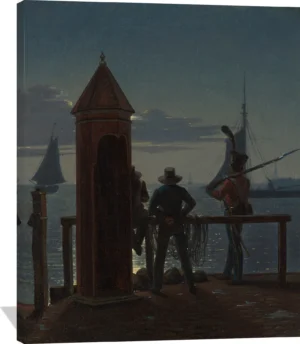
142,00 leiSelect options This product has multiple variants. The options may be chosen on the product pageView from the Citadel Ramparts in Copenhagen by Moonlight
Martinus RørbyeCanvas from
142,00 leiSelect options This product has multiple variants. The options may be chosen on the product pageThe Cemetery at Pronoia near Nauplia
Carl RottmannCanvas from
142,00 leiSelect options This product has multiple variants. The options may be chosen on the product page
Explore Mammals
The Black Horse
John AthertonCanvas from
146,00 leiSelect options This product has multiple variants. The options may be chosen on the product pageHeroic Landscape with Rainbow
Joseph Anton KochCanvas from
142,00 leiSelect options This product has multiple variants. The options may be chosen on the product pageA Peasant Family
Antoine Le NainCanvas from
142,00 leiSelect options This product has multiple variants. The options may be chosen on the product pageMadonna and Child with the Infant Saint John the Baptist
Santi di TitoCanvas from
142,00 leiSelect options This product has multiple variants. The options may be chosen on the product pageLandscape with Travelers on a Woodland Path
Jan Brueghel the ElderCanvas from
222,00 leiSelect options This product has multiple variants. The options may be chosen on the product pageA Man and a Woman on Horseback
Philips WouwermanCanvas from
142,00 leiSelect options This product has multiple variants. The options may be chosen on the product pageLandscape with Peasants at a Fountain
Francesco ZuccarelliCanvas from
222,00 leiSelect options This product has multiple variants. The options may be chosen on the product pageMrs. Walter Rathbone Bacon (Virginia Purdy Barker, 1862–1919)
Anders ZornCanvas from
222,00 leiSelect options This product has multiple variants. The options may be chosen on the product pageThe Highland Family
Sir David WilkieCanvas from
222,00 leiSelect options This product has multiple variants. The options may be chosen on the product pageMars and Venus United by Love
Paolo Veronese (Paolo Caliari)Canvas from
142,00 leiSelect options This product has multiple variants. The options may be chosen on the product pageHalt of the Hunt
Carle (Charles André) VanlooCanvas from
142,00 leiSelect options This product has multiple variants. The options may be chosen on the product pageThe Start of the Race of the Riderless Horses
Horace VernetCanvas from
142,00 leiSelect options This product has multiple variants. The options may be chosen on the product pageAbraham’s Parting from the Family of Lot
Jan VictorsCanvas from
142,00 leiSelect options This product has multiple variants. The options may be chosen on the product pageGoing to Market
Constant TroyonCanvas from
142,00 leiSelect options This product has multiple variants. The options may be chosen on the product pageSaint Margaret of Cortona
Gaspare TraversiCanvas from
146,00 leiSelect options This product has multiple variants. The options may be chosen on the product pageThe Flight into Egypt
Cosmè Tura (Cosimo di Domenico di Bonaventura)Canvas from
195,00 leiSelect options This product has multiple variants. The options may be chosen on the product pageThe Billiard Room
Nicolas Antoine TaunayCanvas from
142,00 leiSelect options This product has multiple variants. The options may be chosen on the product pageLandscape with Cattle
Jacob van StrijCanvas from
142,00 leiSelect options This product has multiple variants. The options may be chosen on the product pageThe Third Duke of Dorset’s Hunter with a Groom and a Dog
George StubbsCanvas from
142,00 leiSelect options This product has multiple variants. The options may be chosen on the product pageTobias Curing His Father’s Blindness
Bernardo StrozziCanvas from
222,00 leiSelect options This product has multiple variants. The options may be chosen on the product pagePortrait of a Horseman
James SeymourCanvas from
146,00 leiSelect options This product has multiple variants. The options may be chosen on the product page