Saints Peter and John Healing the Lame Man
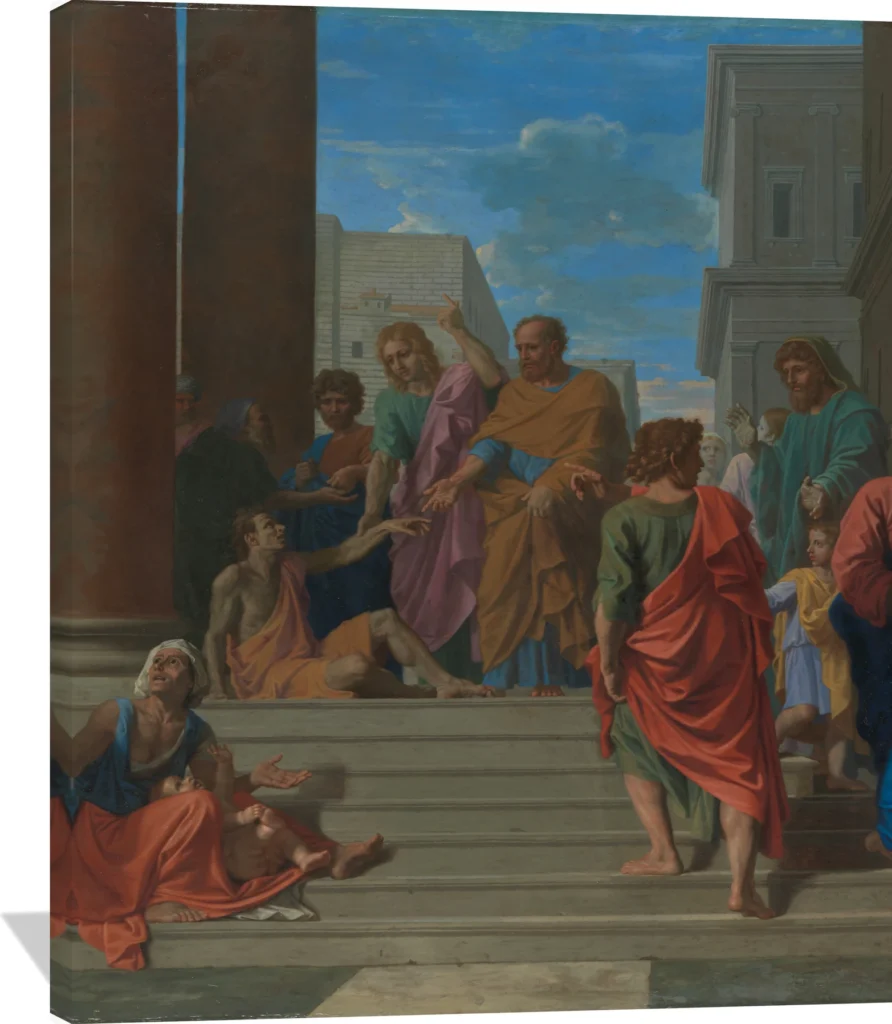
The Nicolas Poussin Saints Peter and John Healing the Lame Man canvas captures a moment of divine compassion rendered with classical precision and luminous color. Warm ochres, deep blues, and soft violets unfold across the architectural setting, guiding the eye toward the miraculous act at its heart. Poussin’s masterful balance of light and form evokes serenity and reverence, making this piece a timeless focal point for any refined space.
This museum-quality canvas print brings the grandeur of 17th-century French art into your home. Perfect for a living room, study, or entryway, it adds a sense of history and grace that complements both traditional and modern interiors.
Nicolas Poussin (French, Les Andelys 1594–1665 Rome) stands as one of the most influential painters of the French Baroque, celebrated for his rigorous compositions and intellectual approach to narrative imagery. Working primarily in Rome, he developed a visual language rooted in classical antiquity, philosophy, and poetic clarity.
Artistic Style
Poussin’s work is defined by balanced structure, controlled emotion, and a deep commitment to classical ideals. His paintings emphasize harmony, reason, and order, often constructed with sculptural precision. This disciplined style became a foundation for later academic painting and contributed to his reputation as a master of classical classicism.
Subjects and Themes
He is renowned for historical, mythological, and biblical scenes, presenting complex narratives through carefully arranged figures and symbolic detail. Works such as The Abduction of the Sabine Women and The Triumph of Pan reveal his ability to weave drama and morality into serene, architectonic compositions. Pastoral landscapes, another significant aspect of his oeuvre, reflect his interest in nature as a site of contemplation and philosophical reflection.
Legacy and Significance
Poussin’s disciplined vision shaped generations of artists and established enduring principles of pictorial composition. His influence extended well beyond his lifetime, securing his place as a pivotal figure in the history of Western art and a lasting model of artistic intellect and refinement.
Trust & policies
- 🚚 Free worldwide shipping
- 🔁 30-day returns (change of mind)
- 🛡️ If damaged/defective/misprinted: free replacement or full refund
- 🌍 Printed in US/CA/EU/UK/AU (based on delivery location)
- 💎 Made to order using acid-free, fade-resistant canvas
- 💎 Solid wood stretcher bars • Pine floating frames
- 🪝 Ready to hang

Mrs. Samuel Cutts
Joseph BlackburnCanvas from
32,00 $Select options This product has multiple variants. The options may be chosen on the product pageMrs. Benjamin Simons
Henry BenbridgeCanvas from
32,00 $Select options This product has multiple variants. The options may be chosen on the product pageRepose
John White AlexanderCanvas from
32,00 $Select options This product has multiple variants. The options may be chosen on the product pageMary Sylvester
Joseph BlackburnCanvas from
32,00 $Select options This product has multiple variants. The options may be chosen on the product pageMrs. David Chesebrough
Joseph BlackburnCanvas from
32,00 $Select options This product has multiple variants. The options may be chosen on the product pageMountain Scene
Albert BierstadtCanvas from
33,00 $Select options This product has multiple variants. The options may be chosen on the product pageLandscape
Ralph Albert BlakelockCanvas from
33,00 $Select options This product has multiple variants. The options may be chosen on the product pageSamuel Cutts
Joseph BlackburnCanvas from
32,00 $Select options This product has multiple variants. The options may be chosen on the product pageAn Indian Encampment
Ralph Albert BlakelockCanvas from
44,00 $Select options This product has multiple variants. The options may be chosen on the product pageAdult Funeral Procession
William P. ChappelCanvas from
50,00 $Select options This product has multiple variants. The options may be chosen on the product pageStudy in Green and Black
John White AlexanderCanvas from
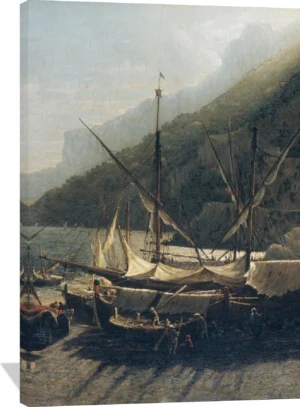
32,00 $Select options This product has multiple variants. The options may be chosen on the product pageView at Amalfi, Bay of Salerno
George Loring BrownCanvas from
50,00 $Select options This product has multiple variants. The options may be chosen on the product pagePhilip Van Cortlandt
Ezra AmesCanvas from
32,00 $Select options This product has multiple variants. The options may be chosen on the product pageFur Traders Descending the Missouri
George Caleb BinghamCanvas from
32,00 $Select options This product has multiple variants. The options may be chosen on the product pageBaked Pears in Duane Park
William P. ChappelCanvas from
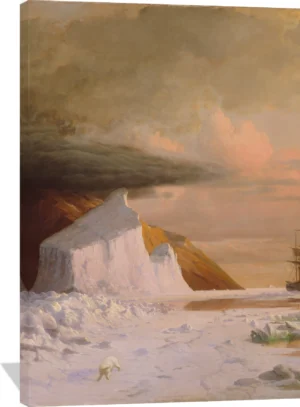
50,00 $Select options This product has multiple variants. The options may be chosen on the product pageAn Arctic Summer: Boring Through the Pack in Melville Bay
William BradfordCanvas from
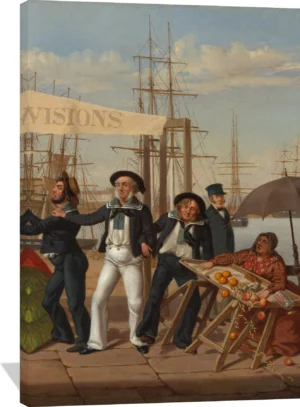
50,00 $Select options This product has multiple variants. The options may be chosen on the product pageAfter a Long Cruise
John CarlinCanvas from
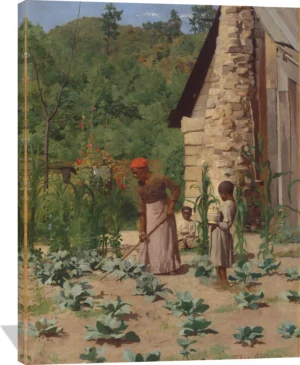
50,00 $Select options This product has multiple variants. The options may be chosen on the product pageThe Way They Live
Thomas AnshutzCanvas from
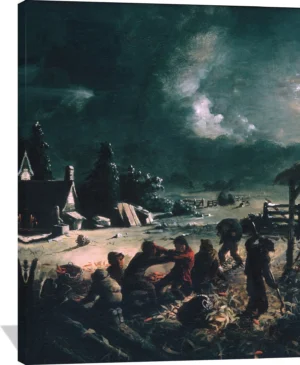
33,00 $Select options This product has multiple variants. The options may be chosen on the product pageCorn Husking
David Gilmour BlytheCanvas from
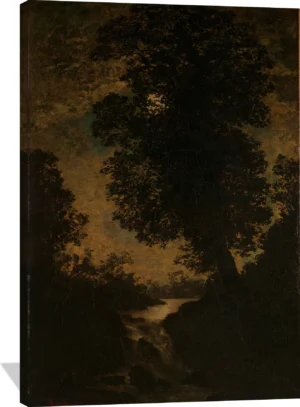
33,00 $Select options This product has multiple variants. The options may be chosen on the product pageA Waterfall, Moonlight
Ralph Albert BlakelockCanvas from
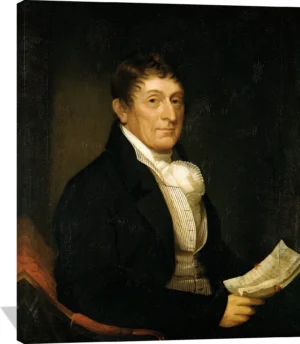
50,00 $Select options This product has multiple variants. The options may be chosen on the product pagePortrait of a Gentleman
Henry BenbridgeCanvas from
32,00 $Select options This product has multiple variants. The options may be chosen on the product pageNevada Falls, Yosemite
Albert BierstadtCanvas from
32,00 $Select options This product has multiple variants. The options may be chosen on the product page



Explore Nicolas Poussin
The Agony in the Garden
Nicolas PoussinCanvas from
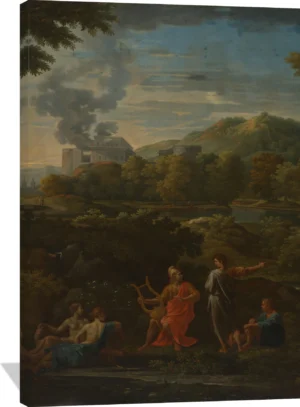
32,00 $Select options This product has multiple variants. The options may be chosen on the product pageBlind Orion Searching for the Rising Sun
Nicolas PoussinCanvas from
50,00 $Select options This product has multiple variants. The options may be chosen on the product pageThe Holy Family with Saint John the Baptist
Nicolas PoussinCanvas from
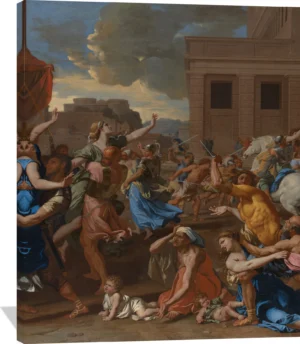
32,00 $Select options This product has multiple variants. The options may be chosen on the product pageThe Abduction of the Sabine Women
Nicolas PoussinCanvas from
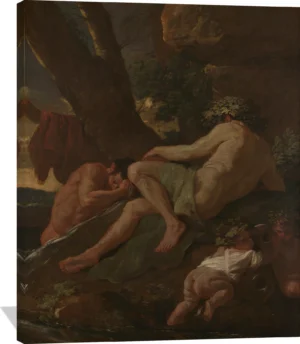
32,00 $Select options This product has multiple variants. The options may be chosen on the product pageMidas Washing at the Source of the Pactolus
Nicolas PoussinCanvas from
32,00 $Select options This product has multiple variants. The options may be chosen on the product pageOrpheus and Eurydice
Nicolas PoussinCanvas from
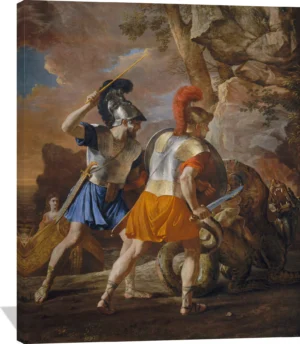
50,00 $Select options This product has multiple variants. The options may be chosen on the product pageThe Companions of Rinaldo
Nicolas PoussinCanvas from
32,00 $Select options This product has multiple variants. The options may be chosen on the product page
Explore Historical Figures
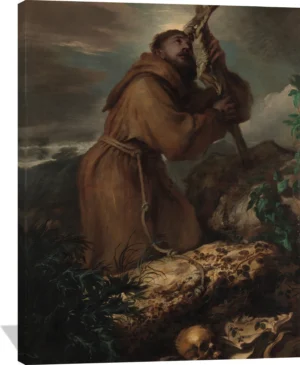
Saint Francis in Ecstasy
Giovanni Benedetto Castiglione (Il Grechetto)Canvas from
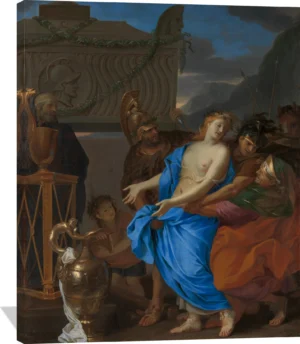
33,00 $Select options This product has multiple variants. The options may be chosen on the product pageThe Sacrifice of Polyxena
Charles Le BrunCanvas from
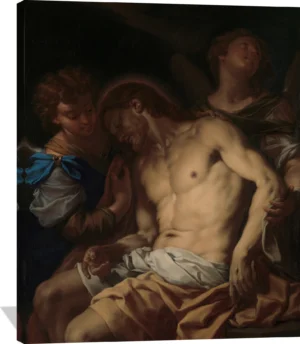
32,00 $Select options This product has multiple variants. The options may be chosen on the product pageDead Christ Supported by Angels
Francesco TrevisaniCanvas from
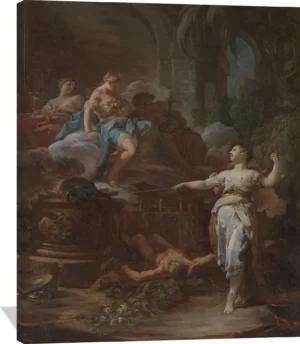
32,00 $Select options This product has multiple variants. The options may be chosen on the product pageMedea Rejuvenating Aeson
Corrado GiaquintoCanvas from
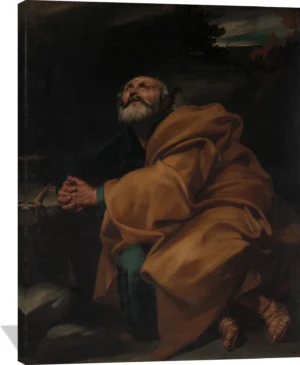
32,00 $Select options This product has multiple variants. The options may be chosen on the product pageThe Tears of Saint Peter
Jusepe de Ribera (called Lo Spagnoletto)Canvas from
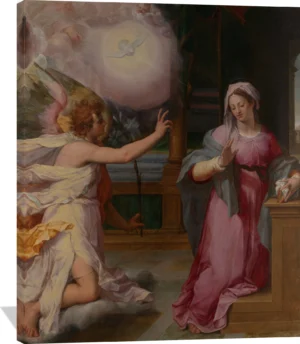
33,00 $Select options This product has multiple variants. The options may be chosen on the product pageThe Annunciation
Peter Candid (Pieter de Witte, Pietro Candido)Canvas from
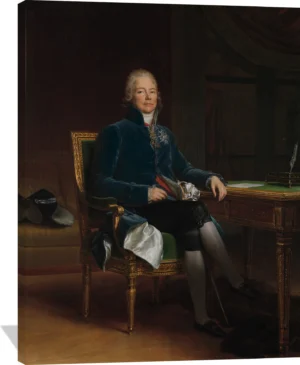
32,00 $Select options This product has multiple variants. The options may be chosen on the product pageCharles Maurice de Talleyrand Périgord (1754–1838), Prince de Bénévent
baron François GérardCanvas from
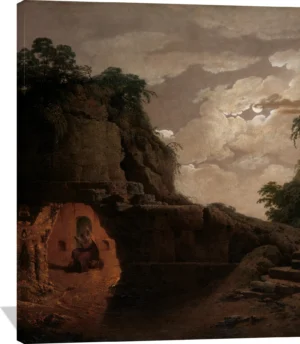
33,00 $Select options This product has multiple variants. The options may be chosen on the product pageVirgil’s Tomb by Moonlight, with Silius Italicus Declaiming
Joseph Wright (Wright of Derby)Canvas from
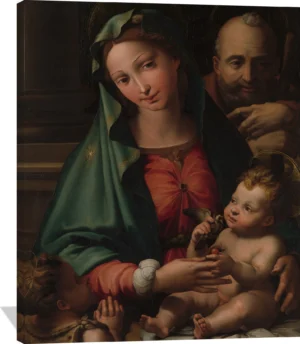
32,00 $Select options This product has multiple variants. The options may be chosen on the product pageThe Holy Family with the Infant Saint John the Baptist
Perino del Vaga (Pietro Buonaccorsi)Canvas from
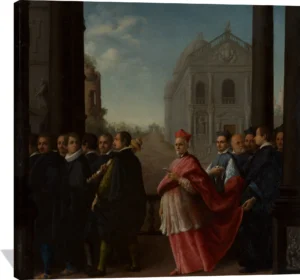
32,00 $Select options This product has multiple variants. The options may be chosen on the product pageA Cardinal’s Procession
Ottavio Leoni (Il Padovano)Canvas from
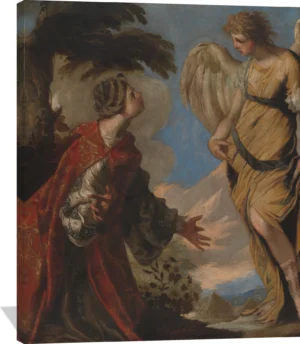
44,00 $Select options This product has multiple variants. The options may be chosen on the product pageHagar and the Angel
Francesco MaffeiCanvas from
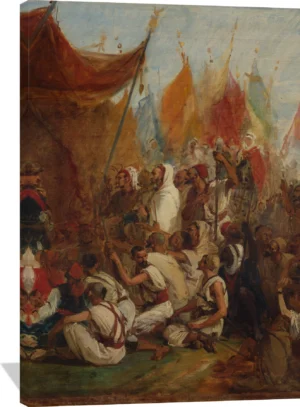
32,00 $Select options This product has multiple variants. The options may be chosen on the product pageSketch for “Reception of Emperor Napoleon III and Empress Eugénie by the Kabyle Leaders at Algiers on September 18, 1860”
Isidore PilsCanvas from
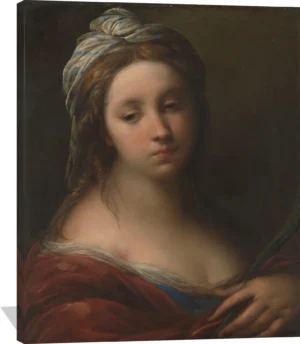
50,00 $Select options This product has multiple variants. The options may be chosen on the product pageA Female Martyr Saint
Carlo Francesco NuvoloneCanvas from
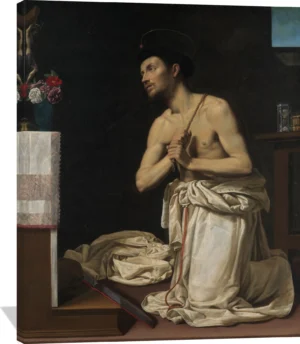
32,00 $Select options This product has multiple variants. The options may be chosen on the product pageSaint Dominic in Penitence
Filippo TarchianiCanvas from
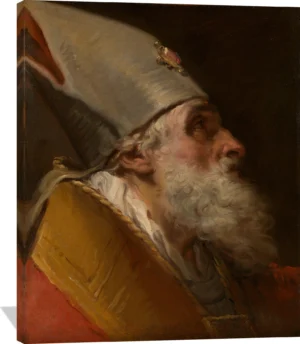
32,00 $Select options This product has multiple variants. The options may be chosen on the product pageHead of a Bishop
Gaetano GandolfiCanvas from
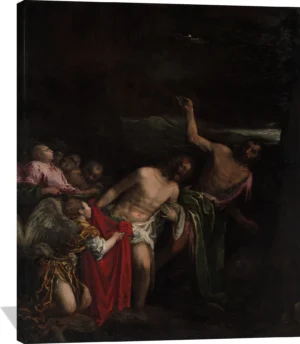
32,00 $Select options This product has multiple variants. The options may be chosen on the product pageThe Baptism of Christ
Jacopo Bassano (Jacopo da Ponte)Canvas from
32,00 $Select options This product has multiple variants. The options may be chosen on the product pageThe Reverend Philip Cocks (1735–1797)
Johan Joseph ZoffanyCanvas from
32,00 $Select options This product has multiple variants. The options may be chosen on the product pageSaint John the Baptist Preaching
Mattia Preti (Il Cavalier Calabrese)Canvas from
33,00 $Select options This product has multiple variants. The options may be chosen on the product pageDramatic Scene with Monks in a Crypt
Alexandre Evariste FragonardCanvas from
32,00 $Select options This product has multiple variants. The options may be chosen on the product pageSaint Francis
Federico BarocciCanvas from
32,00 $Select options This product has multiple variants. The options may be chosen on the product pageMadonna and Child
Francesco Granacci (Francesco di Andrea di Marco)Canvas from
32,00 $Select options This product has multiple variants. The options may be chosen on the product page
Explore Baroque
Still Life with Silver and Gold Plate, Shells, and a Sword
Meiffren ConteCanvas from
32,00 $Select options This product has multiple variants. The options may be chosen on the product pageThe Jabach Family
Charles Le BrunCanvas from
32,00 $Select options This product has multiple variants. The options may be chosen on the product pageHead of an Old Woman
Orazio BorgianniCanvas from
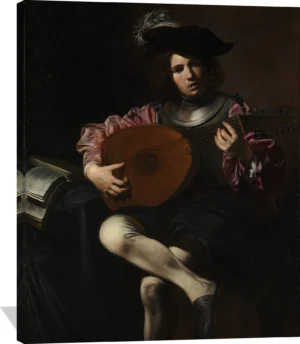
32,00 $Select options This product has multiple variants. The options may be chosen on the product pageLute Player
Valentin de BoulogneCanvas from
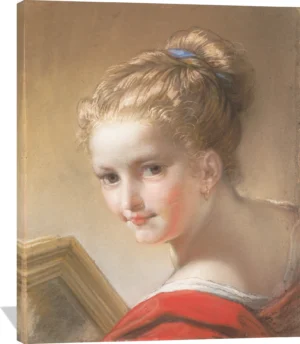
32,00 $Select options This product has multiple variants. The options may be chosen on the product pageStudy of a Girl in Red
Benedetto LutiCanvas from
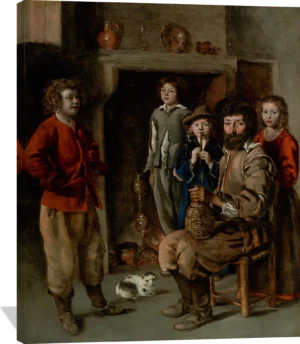
32,00 $Select options This product has multiple variants. The options may be chosen on the product pageA Peasant Family
Antoine Le NainCanvas from
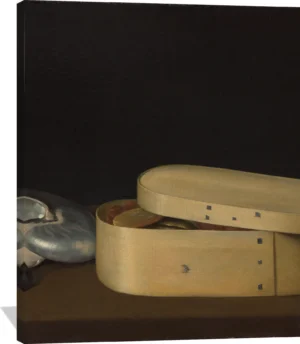
32,00 $Select options This product has multiple variants. The options may be chosen on the product pageStill Life with Shells and a Chip-Wood Box
Sebastian StoskopffCanvas from
32,00 $Select options This product has multiple variants. The options may be chosen on the product pageThe Denial of Saint Peter
Ludovico CarracciCanvas from
50,00 $Select options This product has multiple variants. The options may be chosen on the product pageThe Virgin Adored by Saints
Scarsellino (Ippolito Scarsella)Canvas from
33,00 $Select options This product has multiple variants. The options may be chosen on the product pageLandscape with Travelers on a Woodland Path
Jan Brueghel the ElderCanvas from
50,00 $Select options This product has multiple variants. The options may be chosen on the product pageStill Life with Oysters, a Silver Tazza, and Glassware
Willem Claesz HedaCanvas from
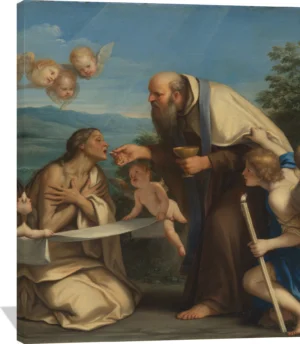
50,00 $Select options This product has multiple variants. The options may be chosen on the product pageThe Last Communion of Saint Mary of Egypt
Marcantonio FranceschiniCanvas from
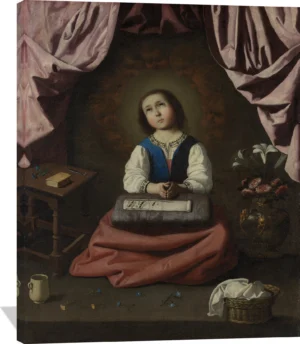
32,00 $Select options This product has multiple variants. The options may be chosen on the product pageThe Young Virgin
Francisco de ZurbaránCanvas from
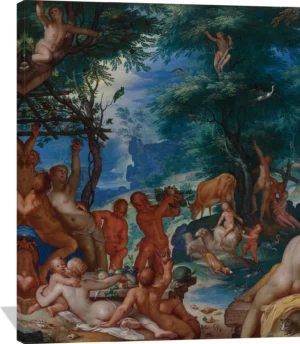
32,00 $Select options This product has multiple variants. The options may be chosen on the product pageThe Golden Age
Joachim WtewaelCanvas from
32,00 $Select options This product has multiple variants. The options may be chosen on the product pageA Man and a Woman on Horseback
Philips WouwermanCanvas from
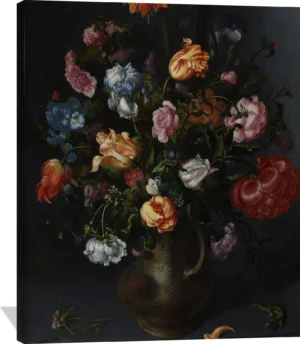
32,00 $Select options This product has multiple variants. The options may be chosen on the product pageA Vase with Flowers
Jacob VosmaerCanvas from
32,00 $Select options This product has multiple variants. The options may be chosen on the product pageKitchen Scene
Peter WtewaelCanvas from
33,00 $Select options This product has multiple variants. The options may be chosen on the product pagePortrait of a Woman
Willem WissingCanvas from
32,00 $Select options This product has multiple variants. The options may be chosen on the product pagePortrait of a Woman
Cornelis de VosCanvas from
32,00 $Select options This product has multiple variants. The options may be chosen on the product pageThe Pigeon House
Roelof van VriesCanvas from
32,00 $Select options This product has multiple variants. The options may be chosen on the product pagePortrait of a Man
Abraham de VriesCanvas from
32,00 $Select options This product has multiple variants. The options may be chosen on the product page

Explore Religious Figures
Pope Gregory XVI Visiting the Church of San Benedetto at Subiaco
Jean-François MontessuyCanvas from
44,00 $Select options This product has multiple variants. The options may be chosen on the product pageThe Massacre of the Innocents
François Joseph NavezCanvas from
32,00 $Select options This product has multiple variants. The options may be chosen on the product pageMadonna and Child with the Infant Saint John the Baptist
Santi di TitoCanvas from
32,00 $Select options This product has multiple variants. The options may be chosen on the product pageChrist Presented to the People (Ecce Homo)
Sodoma (Giovanni Antonio Bazzi)Canvas from
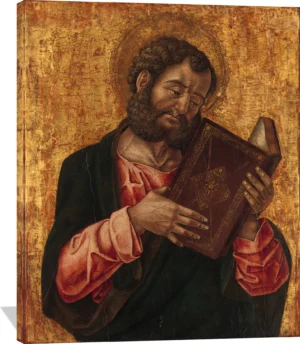
44,00 $Select options This product has multiple variants. The options may be chosen on the product pageA Saint (Mark?) Reading
Bartolomeo VivariniCanvas from
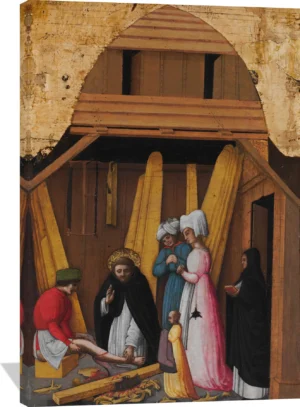
32,00 $Select options This product has multiple variants. The options may be chosen on the product pageSaint Peter Martyr Healing the Leg of a Young Man
Antonio VivariniCanvas from
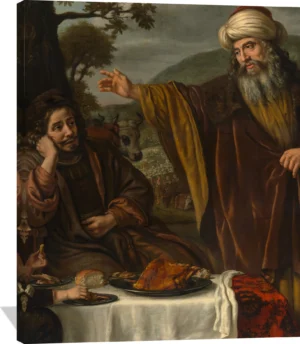
50,00 $Select options This product has multiple variants. The options may be chosen on the product pageAbraham’s Parting from the Family of Lot
Jan VictorsCanvas from
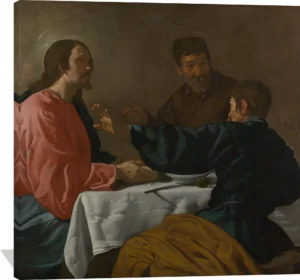
32,00 $Select options This product has multiple variants. The options may be chosen on the product pageThe Supper at Emmaus
Velázquez (Diego Rodríguez de Silva y Velázquez)Canvas from
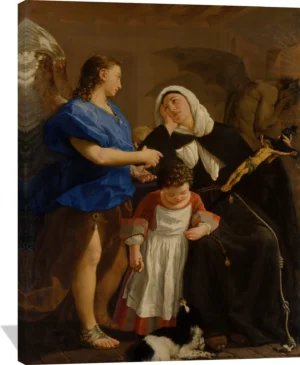
44,00 $Select options This product has multiple variants. The options may be chosen on the product pageSaint Margaret of Cortona
Gaspare TraversiCanvas from
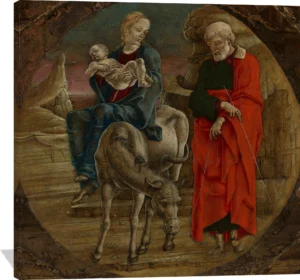
33,00 $Select options This product has multiple variants. The options may be chosen on the product pageThe Flight into Egypt
Cosmè Tura (Cosimo di Domenico di Bonaventura)Canvas from
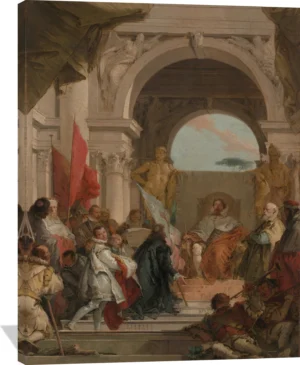
44,00 $Select options This product has multiple variants. The options may be chosen on the product pageThe Investiture of Bishop Harold as Duke of Franconia
Giovanni Battista TiepoloCanvas from
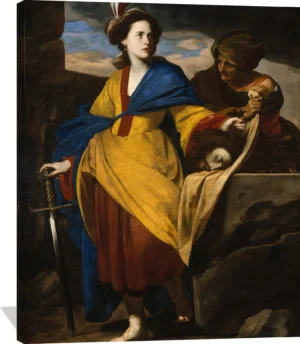
33,00 $Select options This product has multiple variants. The options may be chosen on the product pageJudith with the Head of Holofernes
Massimo StanzioneCanvas from
32,00 $Select options This product has multiple variants. The options may be chosen on the product pageOld Woman Praying
Matthias StomCanvas from
32,00 $Select options This product has multiple variants. The options may be chosen on the product pageTobias Curing His Father’s Blindness
Bernardo StrozziCanvas from
50,00 $Select options This product has multiple variants. The options may be chosen on the product pageSaint Mary Magdalen Holding a Crucifix; (reverse) The Flagellation
Spinello Aretino (Spinello di Luca Spinelli)Canvas from
33,00 $Select options This product has multiple variants. The options may be chosen on the product pageThe Assumption of the Virgin with Saints Michael and Benedict
Luca SignorelliCanvas from
32,00 $Select options This product has multiple variants. The options may be chosen on the product pageThe Birth of the Virgin
Francesco SolimenaCanvas from
32,00 $Select options This product has multiple variants. The options may be chosen on the product pageSaint Michael the Archangel
Ignacio de RiesCanvas from
50,00 $Select options This product has multiple variants. The options may be chosen on the product pageSaint Michael and the Dragon
Spanish (Valencian) Painter(?)Canvas from
44,00 $Select options This product has multiple variants. The options may be chosen on the product pageThe Beheading of Saint John the Baptist
Spanish (Catalan) PainterCanvas from
44,00 $Select options This product has multiple variants. The options may be chosen on the product pageSaint Matthew and the Angel
Giovanni Gerolamo SavoldoCanvas from
32,00 $Select options This product has multiple variants. The options may be chosen on the product page