Bandits on a Rocky Coast
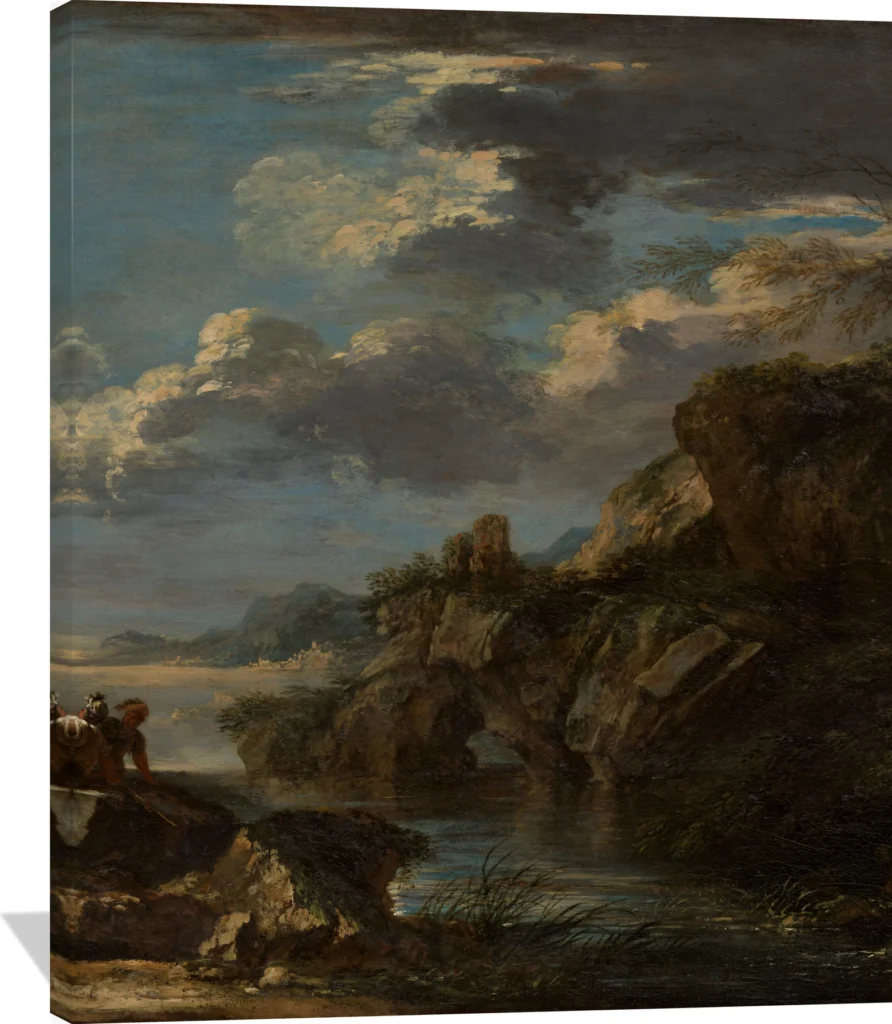
The Salvator Rosa Bandits on a Rocky Coast canvas captures the dramatic tension of nature and humanity in perfect balance. Set against a sweeping coastal landscape, rugged cliffs and turbulent skies frame a group of figures poised in action, rendered in earthy browns, deep greens, and luminous blues. Rosa’s masterful brushwork evokes both grandeur and mystery, making this piece a striking focal point for any space.
This museum-quality canvas print brings the intensity of 17th-century Italian Baroque art into your home. Ideal for a sophisticated living room, study, or entryway, it adds depth, drama, and timeless elegance to modern interiors.
Salvator Rosa (1615–1673) was an Italian painter, draftsman, and printmaker born in Arenella near Naples and active primarily in Rome. Known for his rebellious spirit and fiercely independent artistic vision, he became one of the most distinctive figures of the Italian Baroque.
Artistic Style and Vision
Rosa’s work is defined by dramatic landscapes, bold chiaroscuro, and an expressive, sometimes tempestuous mood. Rather than idealized vistas, he preferred wild, untamed terrains populated by jagged rocks, stormy skies, and foreboding ruins. This atmospheric approach positioned him as a precursor to the Romantic movement and earned him a reputation for creating scenes charged with emotional intensity.
Subjects and Themes
In addition to landscape painting, Rosa produced allegorical scenes, philosophical compositions, and depictions of witches, soldiers, and hermits. His interest in the mysterious and the macabre set him apart from his contemporaries, while his satirical drawings and prints reveal a sharp, critical mind. Works such as Philosopher in Meditation and The Temptation of Saint Anthony capture his fascination with solitude, contemplation, and the supernatural.
Legacy and Significance
Rosa’s unconventional path challenged artistic norms of the seventeenth century, making him a compelling figure for later generations. His landscapes, often described as wildly poetic and strikingly original, offered an alternative to the classical serenity favored in his era. His influence extended beyond painting to literature and theatre, reflecting his broader intellectual ambitions.
Today, Salvator Rosa is celebrated for the rugged beauty of his compositions and for the fiercely individualistic spirit that shaped his work, securing his place in the cultural history of the Italian Baroque.
Trust & policies
- 🚚 Free worldwide shipping
- 🔁 30-day returns (change of mind)
- 🛡️ If damaged/defective/misprinted: free replacement or full refund
- 🌍 Printed in US/CA/EU/UK/AU (based on delivery location)
- 💎 Made to order using acid-free, fade-resistant canvas
- 💎 Solid wood stretcher bars • Pine floating frames
- 🪝 Ready to hang

View at Amalfi, Bay of Salerno
George Loring BrownCanvas from
50,00 $Select options This product has multiple variants. The options may be chosen on the product pageLake of Orta
J. Carroll BeckwithCanvas from
32,00 $Select options This product has multiple variants. The options may be chosen on the product pagePhilip Van Cortlandt
Ezra AmesCanvas from
32,00 $Select options This product has multiple variants. The options may be chosen on the product pageAdult Funeral Procession
William P. ChappelCanvas from
50,00 $Select options This product has multiple variants. The options may be chosen on the product pageThe Way They Live
Thomas AnshutzCanvas from
33,00 $Select options This product has multiple variants. The options may be chosen on the product pageNevada Falls, Yosemite
Albert BierstadtCanvas from
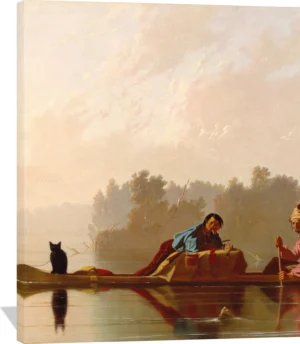
32,00 $Select options This product has multiple variants. The options may be chosen on the product pageFur Traders Descending the Missouri
George Caleb BinghamCanvas from
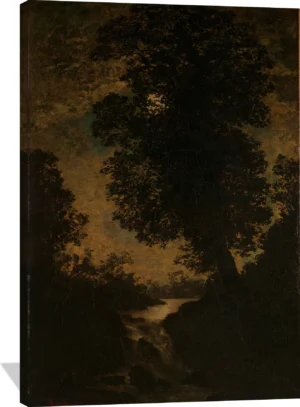
32,00 $Select options This product has multiple variants. The options may be chosen on the product pageA Waterfall, Moonlight
Ralph Albert BlakelockCanvas from
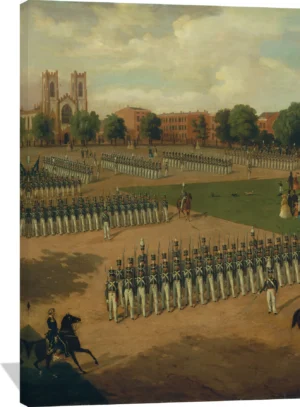
50,00 $Select options This product has multiple variants. The options may be chosen on the product pageSeventh Regiment on Review, Washington Square, New York
Otto BoetticherCanvas from
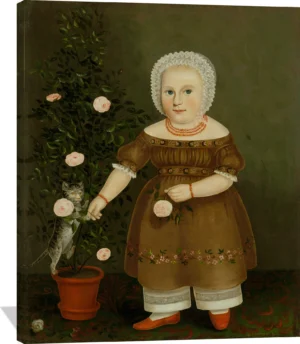
50,00 $Select options This product has multiple variants. The options may be chosen on the product pageEmma Homan
John BradleyCanvas from
32,00 $Select options This product has multiple variants. The options may be chosen on the product pageJohn F. Kensett
George Augustus Baker Jr.Canvas from
32,00 $Select options This product has multiple variants. The options may be chosen on the product pageThe Ring
John White AlexanderCanvas from
32,00 $Select options This product has multiple variants. The options may be chosen on the product pageStudy in Green and Black
John White AlexanderCanvas from
32,00 $Select options This product has multiple variants. The options may be chosen on the product pageWalt Whitman
John White AlexanderCanvas from
32,00 $Select options This product has multiple variants. The options may be chosen on the product pageEleanor Hardy Bunker
Dennis Miller BunkerCanvas from
32,00 $Select options This product has multiple variants. The options may be chosen on the product pageJames Badger
Joseph BadgerCanvas from
32,00 $Select options This product has multiple variants. The options may be chosen on the product pageAn Indian Encampment
Ralph Albert BlakelockCanvas from
44,00 $Select options This product has multiple variants. The options may be chosen on the product pageThe Children of Nathan Starr
Ambrose AndrewsCanvas from
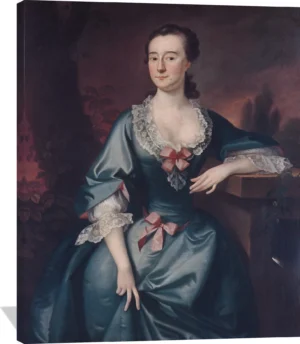
32,00 $Select options This product has multiple variants. The options may be chosen on the product pageMrs. David Chesebrough
Joseph BlackburnCanvas from
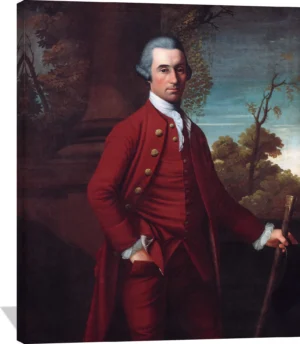
32,00 $Select options This product has multiple variants. The options may be chosen on the product pagePortrait of a Gentleman
Henry BenbridgeCanvas from
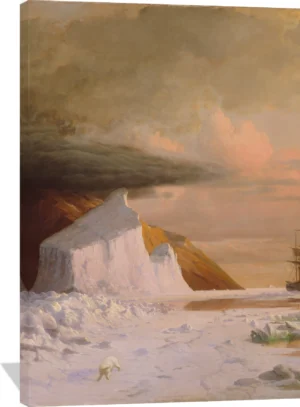
32,00 $Select options This product has multiple variants. The options may be chosen on the product pageAn Arctic Summer: Boring Through the Pack in Melville Bay
William BradfordCanvas from
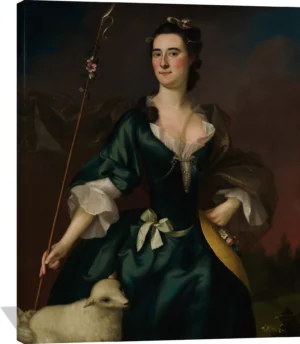
50,00 $Select options This product has multiple variants. The options may be chosen on the product pageMary Sylvester
Joseph BlackburnCanvas from
32,00 $Select options This product has multiple variants. The options may be chosen on the product page
Explore Portraits
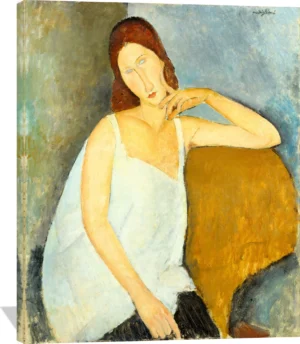
Jeanne Hébuterne
Amedeo ModiglianiCanvas from
32,00 $Select options This product has multiple variants. The options may be chosen on the product pageGirl in a Sailor’s Blouse
Amedeo ModiglianiCanvas from
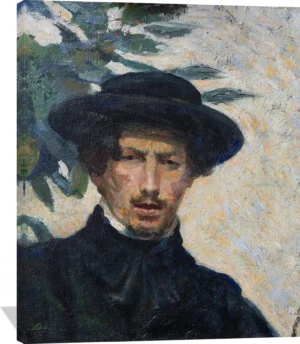
33,00 $Select options This product has multiple variants. The options may be chosen on the product pageSelf-Portrait
Umberto BoccioniCanvas from
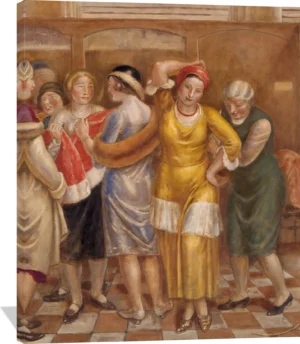
32,00 $Select options This product has multiple variants. The options may be chosen on the product pageThe Fitting Room
Kenneth Hayes MillerCanvas from
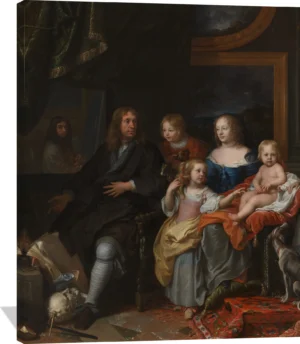
32,00 $Select options This product has multiple variants. The options may be chosen on the product pageThe Jabach Family
Charles Le BrunCanvas from
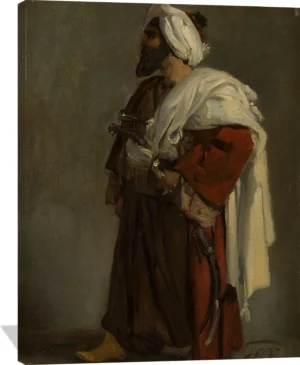
32,00 $Select options This product has multiple variants. The options may be chosen on the product pageArab Warrior
Horace VernetCanvas from
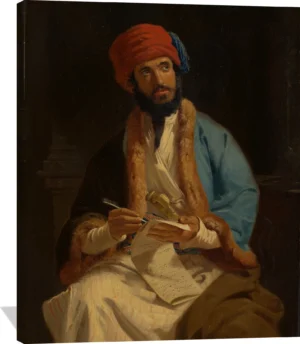
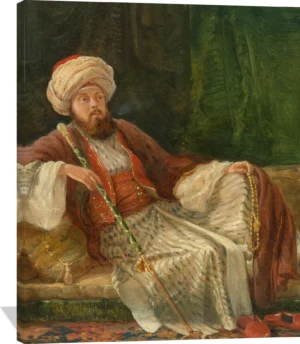
33,00 $Select options This product has multiple variants. The options may be chosen on the product pageThe Arab Sage
German PainterCanvas from
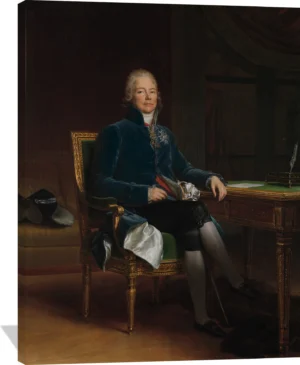
32,00 $Select options This product has multiple variants. The options may be chosen on the product pageCharles Maurice de Talleyrand Périgord (1754–1838), Prince de Bénévent
baron François GérardCanvas from
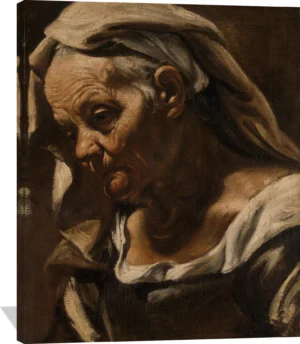
33,00 $Select options This product has multiple variants. The options may be chosen on the product pageHead of an Old Woman
Orazio BorgianniCanvas from
32,00 $Select options This product has multiple variants. The options may be chosen on the product pageSelf-Portrait
Anton Raphael MengsCanvas from
32,00 $Select options This product has multiple variants. The options may be chosen on the product pageSeated Arab Man with Horse
Alfred DedreuxCanvas from
32,00 $Select options This product has multiple variants. The options may be chosen on the product pageA Cardinal’s Procession
Ottavio Leoni (Il Padovano)Canvas from
44,00 $Select options This product has multiple variants. The options may be chosen on the product pageAn Egyptian in a Doorway
Sir Lawrence Alma-TademaCanvas from
33,00 $Select options This product has multiple variants. The options may be chosen on the product pageWestern Gentleman in Oriental Costume
British PainterCanvas from
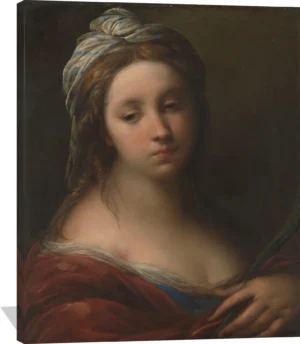
32,00 $Select options This product has multiple variants. The options may be chosen on the product pageA Female Martyr Saint
Carlo Francesco NuvoloneCanvas from
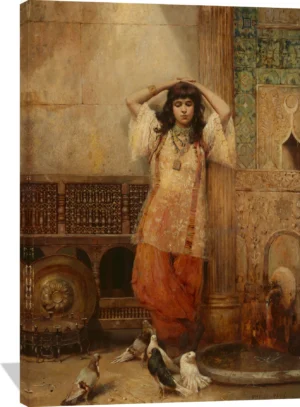
32,00 $Select options This product has multiple variants. The options may be chosen on the product pageGirl in a Courtyard, Algiers (formerly Courtyard in Tangier)
Philippe PavyCanvas from
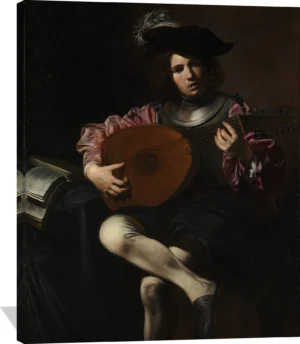
50,00 $Select options This product has multiple variants. The options may be chosen on the product pageLute Player
Valentin de BoulogneCanvas from
32,00 $Select options This product has multiple variants. The options may be chosen on the product pageThe Opium Smokers
Georges ClairinCanvas from
44,00 $Select options This product has multiple variants. The options may be chosen on the product pageHead of a Bishop
Gaetano GandolfiCanvas from
32,00 $Select options This product has multiple variants. The options may be chosen on the product pageThe Two Central Figures in “Derby Day”
William Powell FrithCanvas from
33,00 $Select options This product has multiple variants. The options may be chosen on the product pageThe Saithwaite Family
Francis WheatleyCanvas from
32,00 $Select options This product has multiple variants. The options may be chosen on the product page

Explore Baroque
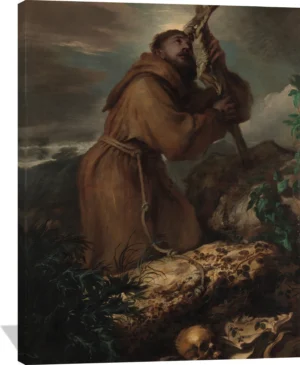
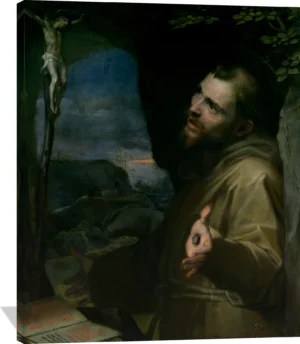
Saint Francis in Ecstasy
Giovanni Benedetto Castiglione (Il Grechetto)Canvas from
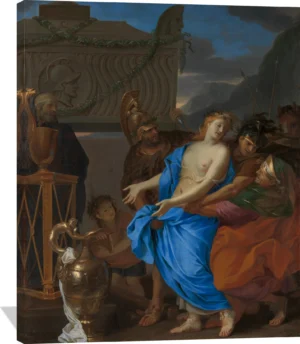
33,00 $Select options This product has multiple variants. The options may be chosen on the product pageThe Sacrifice of Polyxena
Charles Le BrunCanvas from
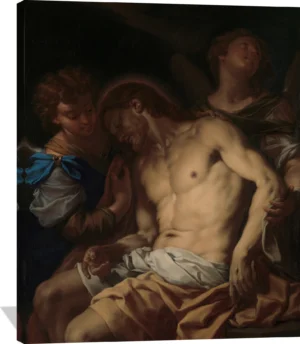
32,00 $Select options This product has multiple variants. The options may be chosen on the product pageDead Christ Supported by Angels
Francesco TrevisaniCanvas from
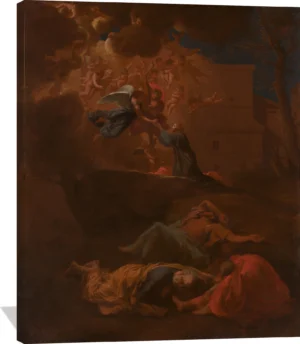
32,00 $Select options This product has multiple variants. The options may be chosen on the product pageThe Agony in the Garden
Nicolas PoussinCanvas from
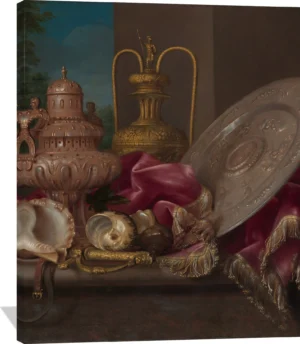
32,00 $Select options This product has multiple variants. The options may be chosen on the product pageStill Life with Silver and Gold Plate, Shells, and a Sword
Meiffren ConteCanvas from
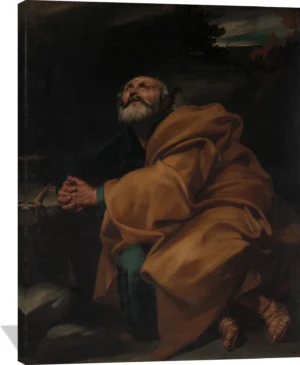
32,00 $Select options This product has multiple variants. The options may be chosen on the product pageThe Tears of Saint Peter
Jusepe de Ribera (called Lo Spagnoletto)Canvas from
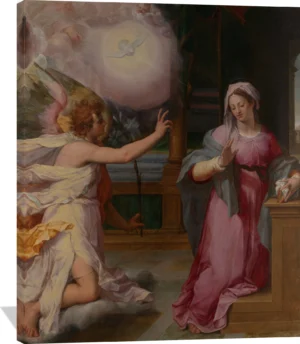
33,00 $Select options This product has multiple variants. The options may be chosen on the product pageThe Annunciation
Peter Candid (Pieter de Witte, Pietro Candido)Canvas from
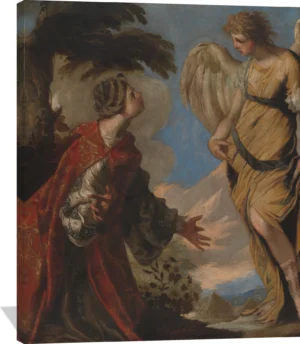
32,00 $Select options This product has multiple variants. The options may be chosen on the product pageHagar and the Angel
Francesco MaffeiCanvas from
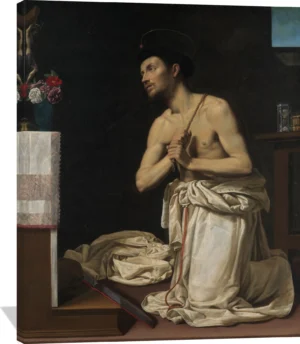
32,00 $Select options This product has multiple variants. The options may be chosen on the product pageSaint Dominic in Penitence
Filippo TarchianiCanvas from
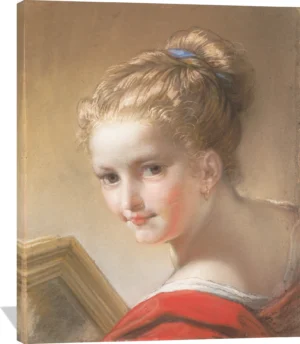
32,00 $Select options This product has multiple variants. The options may be chosen on the product pageStudy of a Girl in Red
Benedetto LutiCanvas from
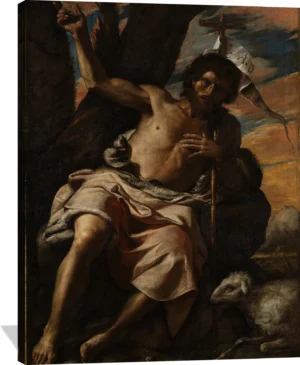
32,00 $Select options This product has multiple variants. The options may be chosen on the product pageSaint John the Baptist Preaching
Mattia Preti (Il Cavalier Calabrese)Canvas from
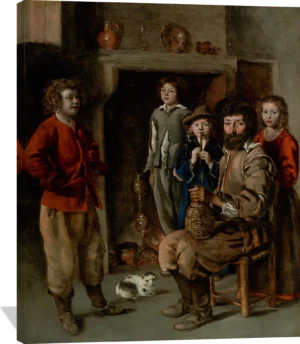
33,00 $Select options This product has multiple variants. The options may be chosen on the product pageA Peasant Family
Antoine Le NainCanvas from
32,00 $Select options This product has multiple variants. The options may be chosen on the product pageSaint Francis
Federico BarocciCanvas from
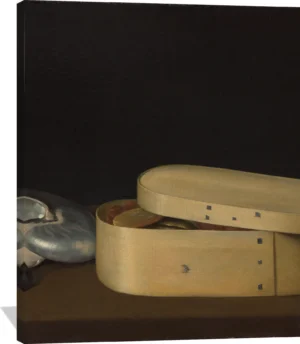
32,00 $Select options This product has multiple variants. The options may be chosen on the product pageStill Life with Shells and a Chip-Wood Box
Sebastian StoskopffCanvas from
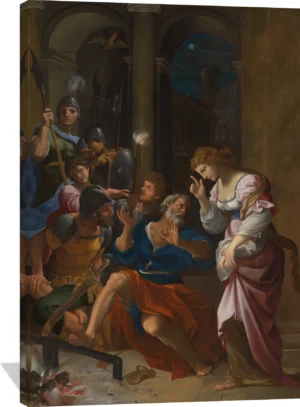
32,00 $Select options This product has multiple variants. The options may be chosen on the product pageThe Denial of Saint Peter
Ludovico CarracciCanvas from
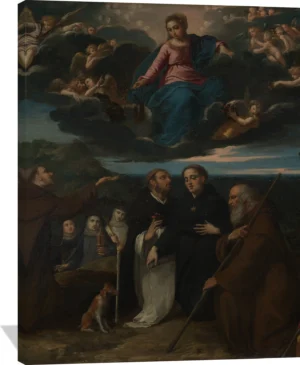
50,00 $Select options This product has multiple variants. The options may be chosen on the product pageThe Virgin Adored by Saints
Scarsellino (Ippolito Scarsella)Canvas from
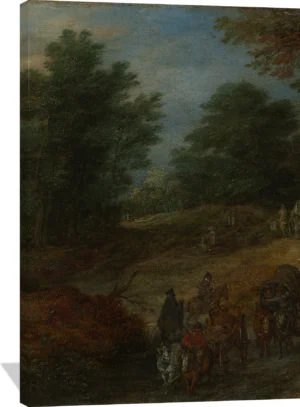
33,00 $Select options This product has multiple variants. The options may be chosen on the product pageLandscape with Travelers on a Woodland Path
Jan Brueghel the ElderCanvas from
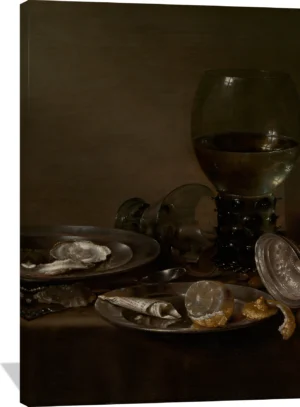
50,00 $Select options This product has multiple variants. The options may be chosen on the product pageStill Life with Oysters, a Silver Tazza, and Glassware
Willem Claesz HedaCanvas from
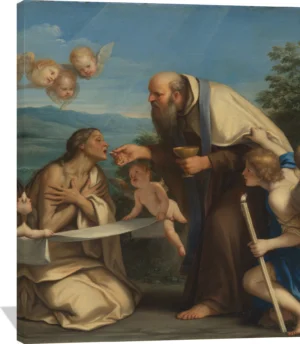
50,00 $Select options This product has multiple variants. The options may be chosen on the product pageThe Last Communion of Saint Mary of Egypt
Marcantonio FranceschiniCanvas from
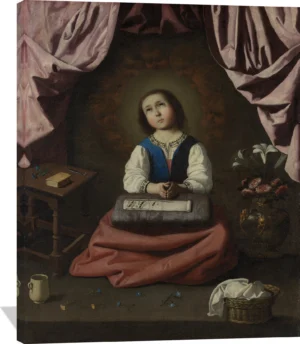
32,00 $Select options This product has multiple variants. The options may be chosen on the product pageThe Young Virgin
Francisco de ZurbaránCanvas from
32,00 $Select options This product has multiple variants. The options may be chosen on the product pageThe Golden Age
Joachim WtewaelCanvas from
32,00 $Select options This product has multiple variants. The options may be chosen on the product page
Explore Rural Scenes
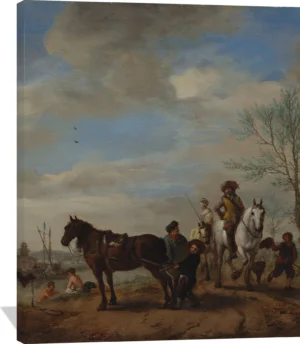
A Man and a Woman on Horseback
Philips WouwermanCanvas from
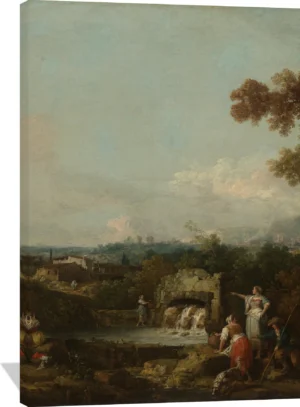
32,00 $Select options This product has multiple variants. The options may be chosen on the product pageLandscape with Peasants at a Fountain
Francesco ZuccarelliCanvas from
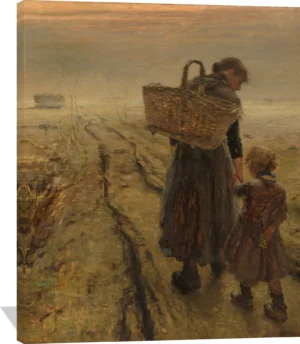
50,00 $Select options This product has multiple variants. The options may be chosen on the product pageGoing Home
Fritz von UhdeCanvas from
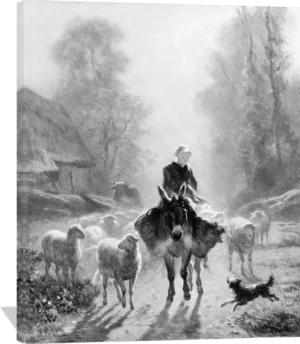
32,00 $Select options This product has multiple variants. The options may be chosen on the product pageGoing to Market
Constant TroyonCanvas from
32,00 $Select options This product has multiple variants. The options may be chosen on the product pageLandscape with Cattle
Jacob van StrijCanvas from
32,00 $Select options This product has multiple variants. The options may be chosen on the product pageThe Third Duke of Dorset’s Hunter with a Groom and a Dog
George StubbsCanvas from
32,00 $Select options This product has multiple variants. The options may be chosen on the product pagePeasants Dancing and Feasting
David Teniers the YoungerCanvas from
32,00 $Select options This product has multiple variants. The options may be chosen on the product pageLandscape with a Village in the Distance
Jacob van RuisdaelCanvas from
33,00 $Select options This product has multiple variants. The options may be chosen on the product pageThe Banks of the Bièvre near Bicêtre
Henri Rousseau (le Douanier)Canvas from
32,00 $Select options This product has multiple variants. The options may be chosen on the product pagePreparing for Christmas (Plucking Turkeys)
Francis William EdmondsCanvas from
32,00 $Select options This product has multiple variants. The options may be chosen on the product pageOn the Old Sod
William MagrathCanvas from
32,00 $Select options This product has multiple variants. The options may be chosen on the product pageCamp Fire
Winslow HomerCanvas from
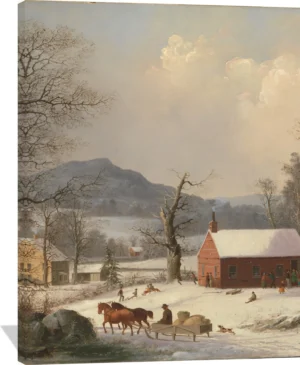
50,00 $Select options This product has multiple variants. The options may be chosen on the product pageRed School House (Country Scene)
George Henry DurrieCanvas from
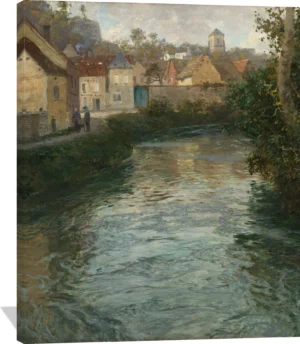
33,00 $Select options This product has multiple variants. The options may be chosen on the product pagePicquigny
Frits ThaulowCanvas from
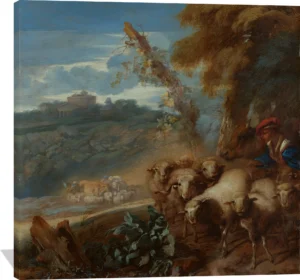
32,00 $Select options This product has multiple variants. The options may be chosen on the product pageRoman Landscape with a Shepherd and Sheep
Giovanni Benedetto Castiglione (Il Grechetto)Canvas from
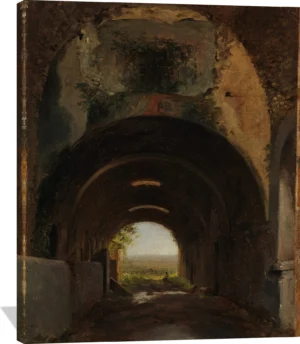
44,00 $Select options This product has multiple variants. The options may be chosen on the product pageView in the Stables of the Villa of Maecenas, Tivoli
François Marius GranetCanvas from
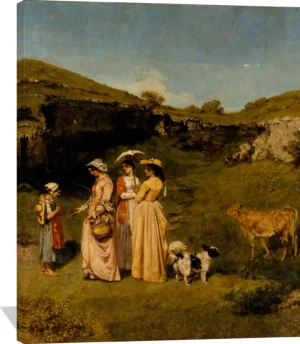
32,00 $Select options This product has multiple variants. The options may be chosen on the product pageYoung Ladies of the Village
Gustave CourbetCanvas from
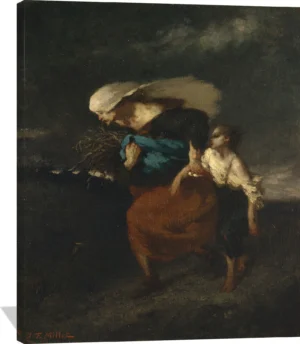
32,00 $Select options This product has multiple variants. The options may be chosen on the product pageRetreat from the Storm
Jean-François MilletCanvas from
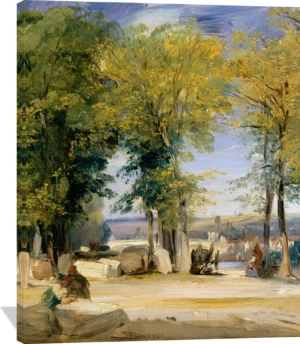
32,00 $Select options This product has multiple variants. The options may be chosen on the product pageView near Rouen
Richard Parkes BoningtonCanvas from
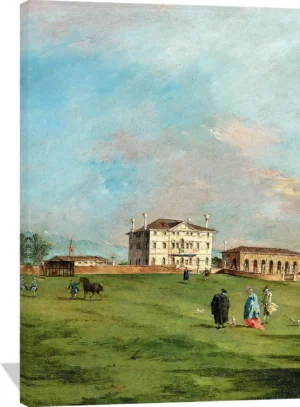
32,00 $Select options This product has multiple variants. The options may be chosen on the product pageThe Villa Loredan, Paese
Francesco GuardiCanvas from
50,00 $Select options This product has multiple variants. The options may be chosen on the product pageRoad in the Woods
Constant TroyonCanvas from
32,00 $Select options This product has multiple variants. The options may be chosen on the product page