Artistic Style
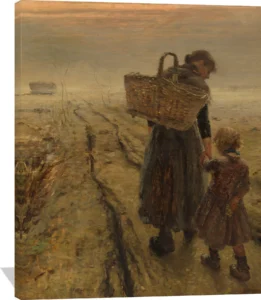
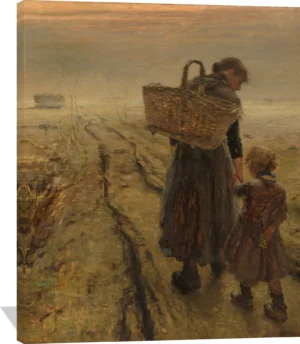
Uhde developed a distinctive blend of luminous, plein-air techniques with the disciplined draftsmanship of the Munich School. His palette grew increasingly bright over time, revealing the influence of French Impressionism while maintaining a grounded, human-centered approach. This fusion made his work both innovative and approachable.
Subjects and Themes
Known for reimagining biblical narratives within contemporary German settings, Uhde offered viewers a relatable and deeply human interpretation of sacred themes. He also painted intimate domestic scenes, rural life, and portraits, often imbuing everyday subjects with spiritual resonance. His compositions are marked by natural light, quiet emotional intensity, and a focus on ordinary people, reflecting a democratic and empathetic artistic vision.
Historical Significance
Uhde played a key role in advancing modern tendencies in German painting at the turn of the century. His commitment to portraying spirituality within real-world environments challenged academic conventions and helped shape a more progressive direction in religious art. As a founding member of the Munich Secession, he contributed to the broader movement toward artistic independence and modern expression.
Enduring Appeal
Collectors value Fritz von Uhde’s work for its intimate atmosphere, luminous color, and the way it elevates the everyday into something quietly profound. His paintings continue to resonate for their human warmth and their pioneering blend of realism and impressionistic light.