View near Sherburne, Chenango County, New York
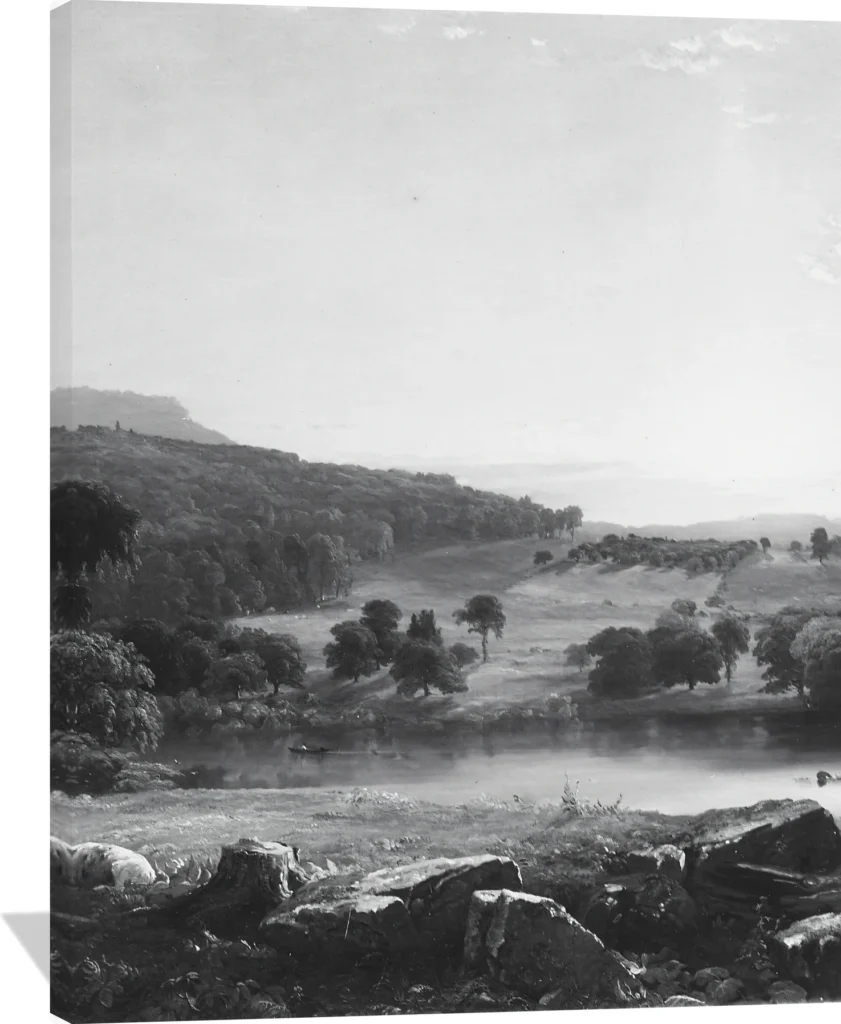
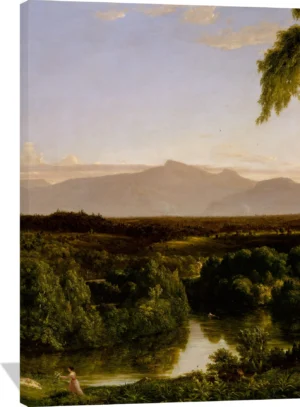
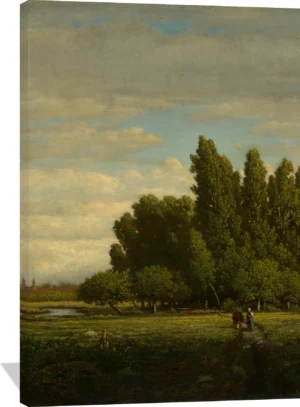
The Jasper Francis Cropsey View near Sherburne, Chenango County, New York canvas captures the serene majesty of the American landscape with luminous detail and poetic calm. Rolling hills, reflective waters, and grazing cattle unfold beneath a soft, radiant sky, evoking the quiet grandeur of 19th-century pastoral life. Warm earth tones, gentle greens, and golden light blend seamlessly in Cropsey’s masterful composition.
This timeless wall art brings a sense of harmony and open-air tranquility to any interior. Ideal for a living room, study, or entryway, this canvas print celebrates the beauty of nature and the refined artistry of one of America’s great landscape painters.
Jasper Francis Cropsey (1823–1900) was an American painter associated with the Hudson River School, celebrated for his luminous landscapes that captured the grandeur of the American wilderness.
Artistic Style
Cropsey’s work is distinguished by its radiant light, meticulous detail, and vivid color harmonies. Trained originally as an architect, he brought a refined structural sensibility to his compositions, balancing natural expansiveness with precise draftsmanship. His paintings often evoke a sense of poetic idealism, emphasizing the sublime beauty of the American landscape.
Subjects and Themes
He is best known for sweeping views of the Hudson River Valley, the Adirondacks, and the White Mountains. Autumn scenes became his signature, rendered with brilliant foliage that set his work apart within the movement. Many of his landscapes such as the richly colored Autumn on the Hudson River reflect a deep reverence for nature as a uniquely American source of identity and inspiration.
Legacy and Significance
As a key figure of the Hudson River School, Cropsey helped shape a visual language that celebrated the nation’s vast and unspoiled terrain. His work offered viewers a vision of America defined by both natural splendor and spiritual promise. Today he is recognized for his masterful use of color and his role in elevating landscape painting as a defining artistic expression of the 19th century. His paintings remain valued for their clarity, elegance, and enduring sense of place, embodying the ideals of a transformative moment in American art.
Trust & policies
- 🚚 Free worldwide shipping
- 🔁 30-day returns (change of mind)
- 🛡️ If damaged/defective/misprinted: free replacement or full refund
- 🌍 Printed in US/CA/EU/UK/AU (based on delivery location)
- 💎 Made to order using acid-free, fade-resistant canvas
- 💎 Solid wood stretcher bars • Pine floating frames
- 🪝 Ready to hang

Landscape
Ralph Albert BlakelockCanvas from
33,00 $Select options This product has multiple variants. The options may be chosen on the product pageEmma Homan
John BradleyCanvas from
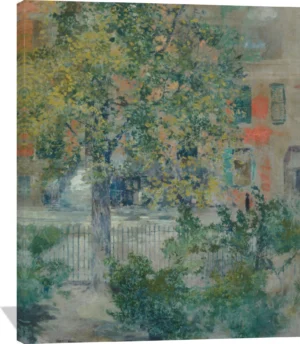
32,00 $Select options This product has multiple variants. The options may be chosen on the product pageView from the Artist’s Window, Grove Street
Robert Frederick BlumCanvas from
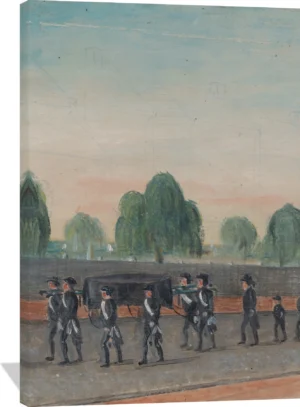
32,00 $Select options This product has multiple variants. The options may be chosen on the product pageAdult Funeral Procession
William P. ChappelCanvas from
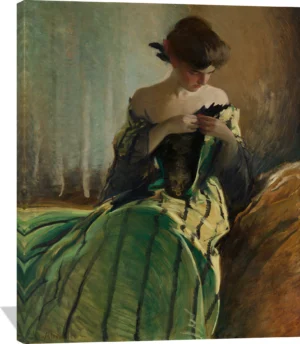
50,00 $Select options This product has multiple variants. The options may be chosen on the product pageStudy in Green and Black
John White AlexanderCanvas from
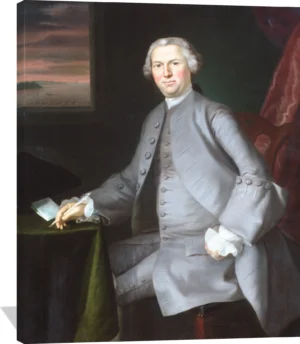
32,00 $Select options This product has multiple variants. The options may be chosen on the product pageSamuel Cutts
Joseph BlackburnCanvas from
32,00 $Select options This product has multiple variants. The options may be chosen on the product pageMrs. David Chesebrough
Joseph BlackburnCanvas from
32,00 $Select options This product has multiple variants. The options may be chosen on the product pageBaked Pears in Duane Park
William P. ChappelCanvas from
50,00 $Select options This product has multiple variants. The options may be chosen on the product pageEleanor Hardy Bunker
Dennis Miller BunkerCanvas from
32,00 $Select options This product has multiple variants. The options may be chosen on the product pageIn the Laboratory
Henry AlexanderCanvas from
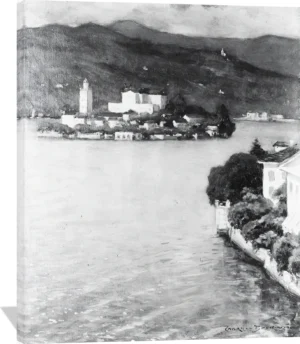
32,00 $Select options This product has multiple variants. The options may be chosen on the product pageLake of Orta
J. Carroll BeckwithCanvas from
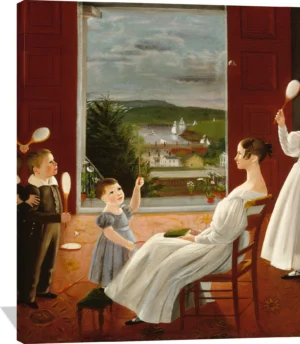
32,00 $Select options This product has multiple variants. The options may be chosen on the product pageThe Children of Nathan Starr
Ambrose AndrewsCanvas from
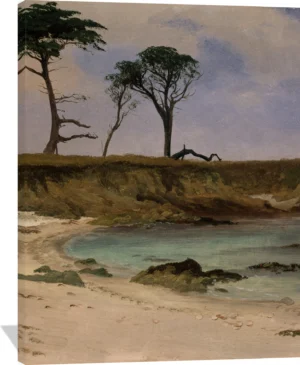
32,00 $Select options This product has multiple variants. The options may be chosen on the product pageSea Cove
Albert BierstadtCanvas from
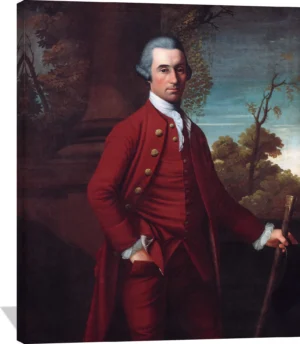
33,00 $Select options This product has multiple variants. The options may be chosen on the product pagePortrait of a Gentleman
Henry BenbridgeCanvas from
32,00 $Select options This product has multiple variants. The options may be chosen on the product pageMrs. Samuel Cutts
Joseph BlackburnCanvas from
32,00 $Select options This product has multiple variants. The options may be chosen on the product pageCorn Husking
David Gilmour BlytheCanvas from
33,00 $Select options This product has multiple variants. The options may be chosen on the product pageLeete Farm, West Claremont, New Hampshire
Francis AlexanderCanvas from
50,00 $Select options This product has multiple variants. The options may be chosen on the product pageMerced River, Yosemite Valley
Albert BierstadtCanvas from
33,00 $Select options This product has multiple variants. The options may be chosen on the product pageWalt Whitman
John White AlexanderCanvas from
32,00 $Select options This product has multiple variants. The options may be chosen on the product pagePhilip Van Cortlandt
Ezra AmesCanvas from
32,00 $Select options This product has multiple variants. The options may be chosen on the product pageMary Sylvester
Joseph BlackburnCanvas from
32,00 $Select options This product has multiple variants. The options may be chosen on the product pageMountain Scene
Albert BierstadtCanvas from
33,00 $Select options This product has multiple variants. The options may be chosen on the product page
Explore Landscapes
The Black Horse
John AthertonCanvas from
33,00 $Select options This product has multiple variants. The options may be chosen on the product pageWaterfront Mill
Niles SpencerCanvas from
32,00 $Select options This product has multiple variants. The options may be chosen on the product pageDocks on Sunday
Joseph De MartiniCanvas from
32,00 $Select options This product has multiple variants. The options may be chosen on the product pageThe North Cape by Moonlight
Peder BalkeCanvas from
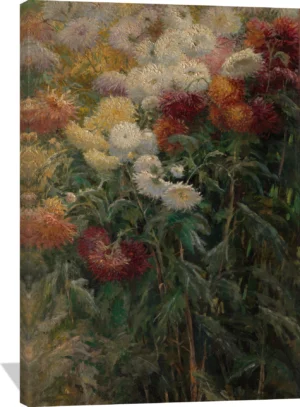
32,00 $Select options This product has multiple variants. The options may be chosen on the product pageChrysanthemums in the Garden at Petit-Gennevilliers
Gustave CaillebotteCanvas from
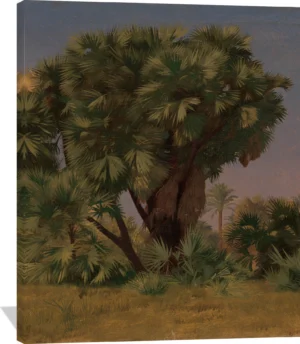
50,00 $Select options This product has multiple variants. The options may be chosen on the product pageStudy of Palm Trees
Jean-Léon GérômeCanvas from
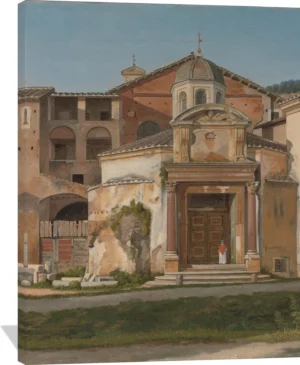
32,00 $Select options This product has multiple variants. The options may be chosen on the product pageA Section of the Via Sacra, Rome (The Church of Saints Cosmas and Damian)
Christoffer Wilhelm EckersbergCanvas from
33,00 $Select options This product has multiple variants. The options may be chosen on the product pageLandscape with Figures
Kenneth Hayes MillerCanvas from
32,00 $Select options This product has multiple variants. The options may be chosen on the product pageThe Great Pyramid, Giza
Adrien DauzatsCanvas from
32,00 $Select options This product has multiple variants. The options may be chosen on the product pageVirgil’s Tomb by Moonlight, with Silius Italicus Declaiming
Joseph Wright (Wright of Derby)Canvas from
32,00 $Select options This product has multiple variants. The options may be chosen on the product pageView over Hallingdal
Johan Christian DahlCanvas from
50,00 $Select options This product has multiple variants. The options may be chosen on the product pageWedding Procession
Victor EeckhoutCanvas from
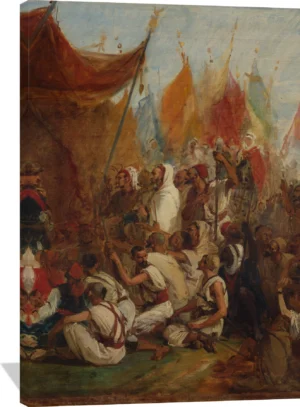
33,00 $Select options This product has multiple variants. The options may be chosen on the product pageSketch for “Reception of Emperor Napoleon III and Empress Eugénie by the Kabyle Leaders at Algiers on September 18, 1860”
Isidore PilsCanvas from
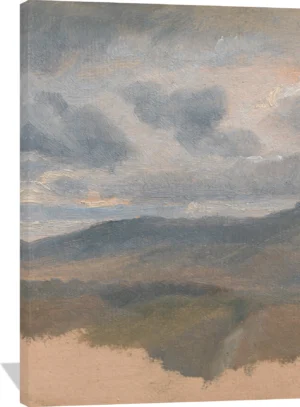
50,00 $Select options This product has multiple variants. The options may be chosen on the product pageLandscape Study with Clouds
Emile LoubonCanvas from
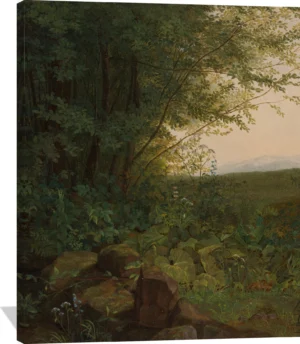
50,00 $Select options This product has multiple variants. The options may be chosen on the product pageAt the Edge of the Forest
August HeinrichCanvas from
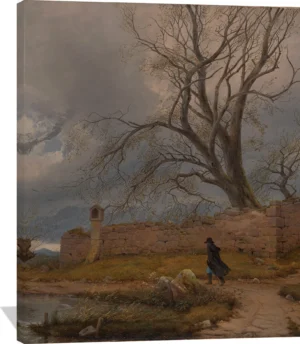
32,00 $Select options This product has multiple variants. The options may be chosen on the product pageWanderer in the Storm
Julius von LeypoldCanvas from
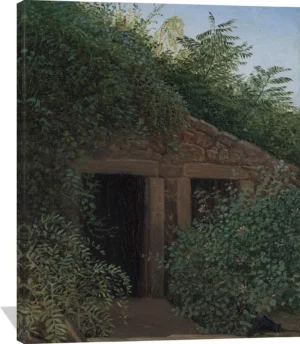
32,00 $Select options This product has multiple variants. The options may be chosen on the product pageAn Overgrown Mineshaft
Carl Gustav CarusCanvas from
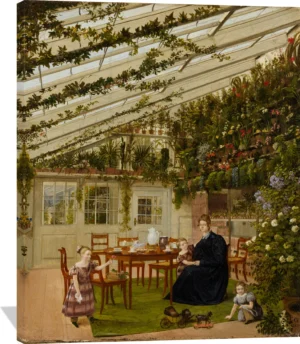
32,00 $Select options This product has multiple variants. The options may be chosen on the product pageThe Family of Mr. Westphal in the Conservatory
Eduard GaertnerCanvas from
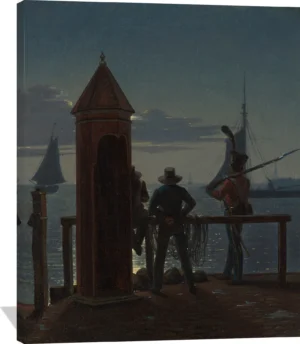
32,00 $Select options This product has multiple variants. The options may be chosen on the product pageView from the Citadel Ramparts in Copenhagen by Moonlight
Martinus RørbyeCanvas from
32,00 $Select options This product has multiple variants. The options may be chosen on the product pageThe Cemetery at Pronoia near Nauplia
Carl RottmannCanvas from
32,00 $Select options This product has multiple variants. The options may be chosen on the product pageColumns of the Temple of Neptune at Paestum
Constantin HansenCanvas from
32,00 $Select options This product has multiple variants. The options may be chosen on the product page
Explore Rustic
The Trout Pool
Worthington WhittredgeCanvas from
32,00 $Select options This product has multiple variants. The options may be chosen on the product pageEast Hampton Meadows
George Henry SmillieCanvas from
50,00 $Select options This product has multiple variants. The options may be chosen on the product pageRed School House (Country Scene)
George Henry DurrieCanvas from
33,00 $Select options This product has multiple variants. The options may be chosen on the product pageView on the Catskill—Early Autumn
Thomas ColeCanvas from
50,00 $Select options This product has multiple variants. The options may be chosen on the product pageGudvangen
Thomas FearnleyCanvas from
50,00 $Select options This product has multiple variants. The options may be chosen on the product pageThe Forest in Winter at Sunset
Théodore RousseauCanvas from
50,00 $Select options This product has multiple variants. The options may be chosen on the product pageA View of The Hague from the Northwest
Jan van GoyenCanvas from
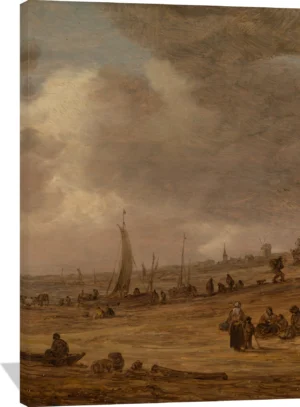
33,00 $Select options This product has multiple variants. The options may be chosen on the product pageA Beach with Fishing Boats
Jan van GoyenCanvas from
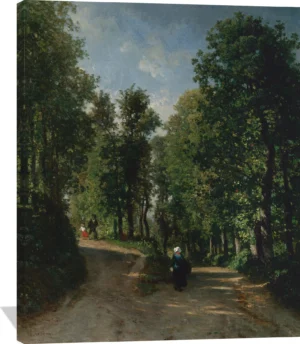
50,00 $Select options This product has multiple variants. The options may be chosen on the product pageRoad in the Woods
Constant TroyonCanvas from
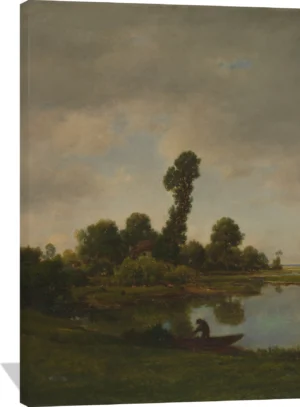
32,00 $Select options This product has multiple variants. The options may be chosen on the product pageA River Landscape
Théodore RousseauCanvas from
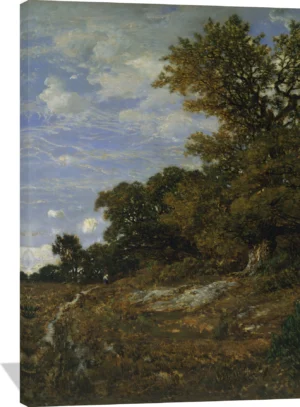
50,00 $Select options This product has multiple variants. The options may be chosen on the product pageThe Edge of the Woods at Monts-Girard, Fontainebleau Forest
Théodore RousseauCanvas from
50,00 $Select options This product has multiple variants. The options may be chosen on the product pageA Meadow Bordered by Trees
Théodore RousseauCanvas from
50,00 $Select options This product has multiple variants. The options may be chosen on the product pageSunset near Arbonne
Théodore RousseauCanvas from
50,00 $Select options This product has multiple variants. The options may be chosen on the product pageAn Early Summer Morning in the Forest of Fontainebleau
Théodore RousseauCanvas from
50,00 $Select options This product has multiple variants. The options may be chosen on the product pageJanuary: Cernay, near Rambouillet
Léon-Germain PelouseCanvas from
32,00 $Select options This product has multiple variants. The options may be chosen on the product pageNear Penshurst, Kent
Patrick NasmythCanvas from
32,00 $Select options This product has multiple variants. The options may be chosen on the product pageThe Old Castle
Emanuel MurantCanvas from
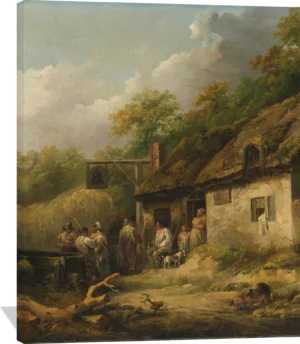
33,00 $Select options This product has multiple variants. The options may be chosen on the product pageThe Bell Inn
George MorlandCanvas from
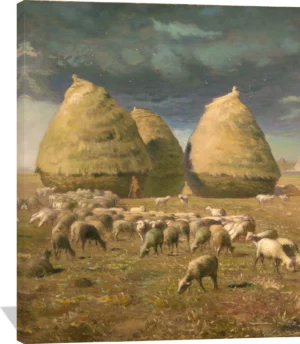
32,00 $Select options This product has multiple variants. The options may be chosen on the product pageHaystacks: Autumn
Jean-François MilletCanvas from
32,00 $Select options This product has multiple variants. The options may be chosen on the product pageThe Mill of Montmartre
Georges MichelCanvas from
32,00 $Select options This product has multiple variants. The options may be chosen on the product pageAutumn Landscape with a Flock of Turkeys
Jean-François MilletCanvas from
32,00 $Select options This product has multiple variants. The options may be chosen on the product page
Explore Mammals
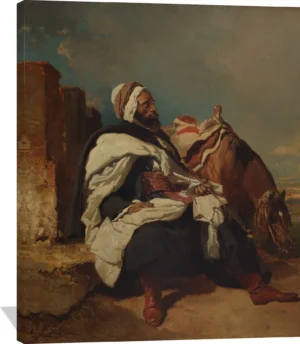
Seated Arab Man with Horse
Alfred DedreuxCanvas from
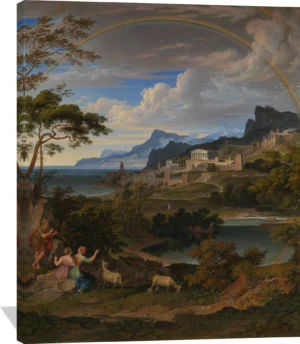
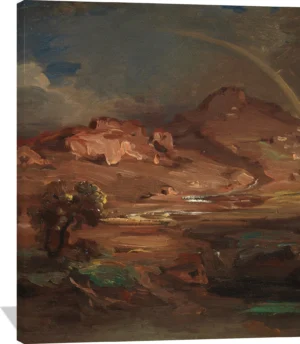
32,00 $Select options This product has multiple variants. The options may be chosen on the product pageHeroic Landscape with Rainbow
Joseph Anton KochCanvas from
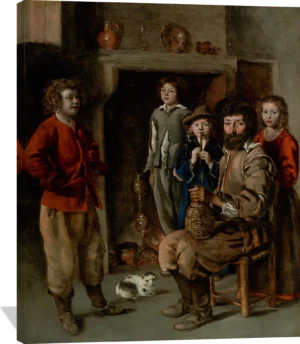
32,00 $Select options This product has multiple variants. The options may be chosen on the product pageA Peasant Family
Antoine Le NainCanvas from
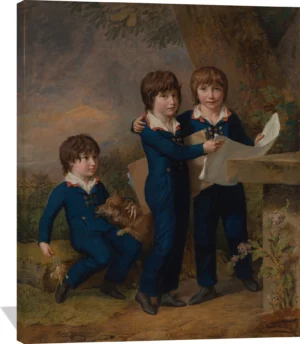
32,00 $Select options This product has multiple variants. The options may be chosen on the product pageThe Children of Martin Anton Heckscher: Johann Gustav Wilhelm Moritz (1797–1865), Carl Martin Adolph (1796–1850), and Leopold (born 1792)
Johann Heinrich Wilhelm TischbeinCanvas from
32,00 $Select options This product has multiple variants. The options may be chosen on the product pageMadonna and Child with the Infant Saint John the Baptist
Santi di TitoCanvas from
32,00 $Select options This product has multiple variants. The options may be chosen on the product pageLandscape with Travelers on a Woodland Path
Jan Brueghel the ElderCanvas from
50,00 $Select options This product has multiple variants. The options may be chosen on the product pageA Man and a Woman on Horseback
Philips WouwermanCanvas from
32,00 $Select options This product has multiple variants. The options may be chosen on the product pageLandscape with Peasants at a Fountain
Francesco ZuccarelliCanvas from
50,00 $Select options This product has multiple variants. The options may be chosen on the product pageMrs. Walter Rathbone Bacon (Virginia Purdy Barker, 1862–1919)
Anders ZornCanvas from
50,00 $Select options This product has multiple variants. The options may be chosen on the product pageThe Highland Family
Sir David WilkieCanvas from
50,00 $Select options This product has multiple variants. The options may be chosen on the product pageMars and Venus United by Love
Paolo Veronese (Paolo Caliari)Canvas from
32,00 $Select options This product has multiple variants. The options may be chosen on the product pageHalt of the Hunt
Carle (Charles André) VanlooCanvas from
32,00 $Select options This product has multiple variants. The options may be chosen on the product pageThe Start of the Race of the Riderless Horses
Horace VernetCanvas from
32,00 $Select options This product has multiple variants. The options may be chosen on the product pageAbraham’s Parting from the Family of Lot
Jan VictorsCanvas from
32,00 $Select options This product has multiple variants. The options may be chosen on the product pageGoing to Market
Constant TroyonCanvas from
32,00 $Select options This product has multiple variants. The options may be chosen on the product pageSaint Margaret of Cortona
Gaspare TraversiCanvas from
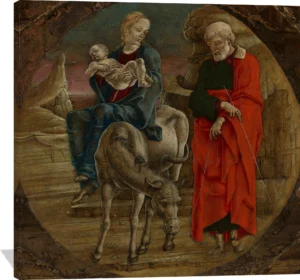
33,00 $Select options This product has multiple variants. The options may be chosen on the product pageThe Flight into Egypt
Cosmè Tura (Cosimo di Domenico di Bonaventura)Canvas from
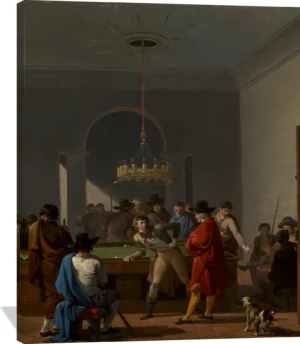
44,00 $Select options This product has multiple variants. The options may be chosen on the product pageThe Billiard Room
Nicolas Antoine TaunayCanvas from
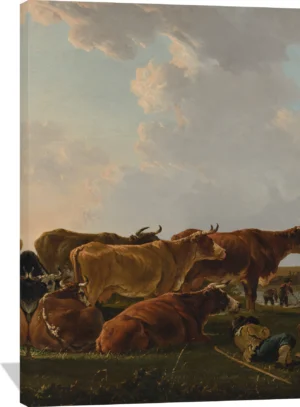
32,00 $Select options This product has multiple variants. The options may be chosen on the product pageLandscape with Cattle
Jacob van StrijCanvas from
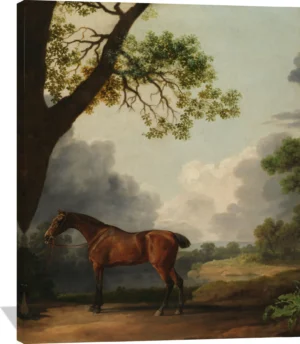
32,00 $Select options This product has multiple variants. The options may be chosen on the product pageThe Third Duke of Dorset’s Hunter with a Groom and a Dog
George StubbsCanvas from
32,00 $Select options This product has multiple variants. The options may be chosen on the product pageTobias Curing His Father’s Blindness
Bernardo StrozziCanvas from
50,00 $Select options This product has multiple variants. The options may be chosen on the product page