Artistic Style and Approach
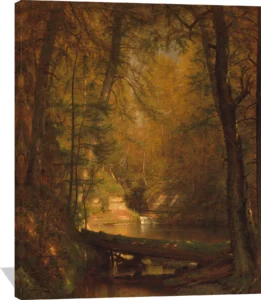
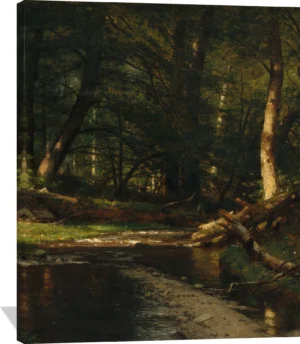
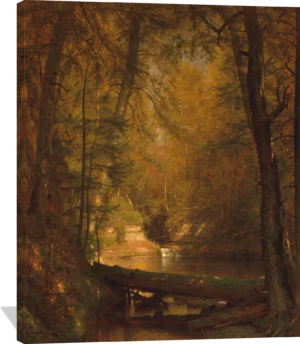
Whittredge’s style blended the clarity and structure of the Hudson River School with atmospheric subtlety drawn from his years studying in Europe. His landscapes often convey a sense of quiet contemplation, marked by meticulous detail and a distinctive serenity. He favored harmonious color palettes, soft transitions of light, and carefully rendered spatial depth that invite the viewer into immersive natural environments.
Subjects and Themes
Whittredge painted sweeping American vistas, forest interiors, pastoral scenes, and the open plains of the American West. His travels with government expeditions inspired some of his most memorable works, offering early artistic documentations of western territories. Whether capturing the tranquil surface of a woodland stream or the vast expanse of untouched frontier, his paintings reflect a deep personal connection to the American landscape.
Legacy and Significance
As a longtime member and later president of the National Academy of Design, Whittredge played a central role in shaping American art during the nineteenth century. His work represents a bridge between European academic influence and the emerging artistic identity of the United States. Today, he is remembered for his lyrical landscapes and for helping define the visual language of America’s natural heritage.