Rachel Ruysch (1664–1750)
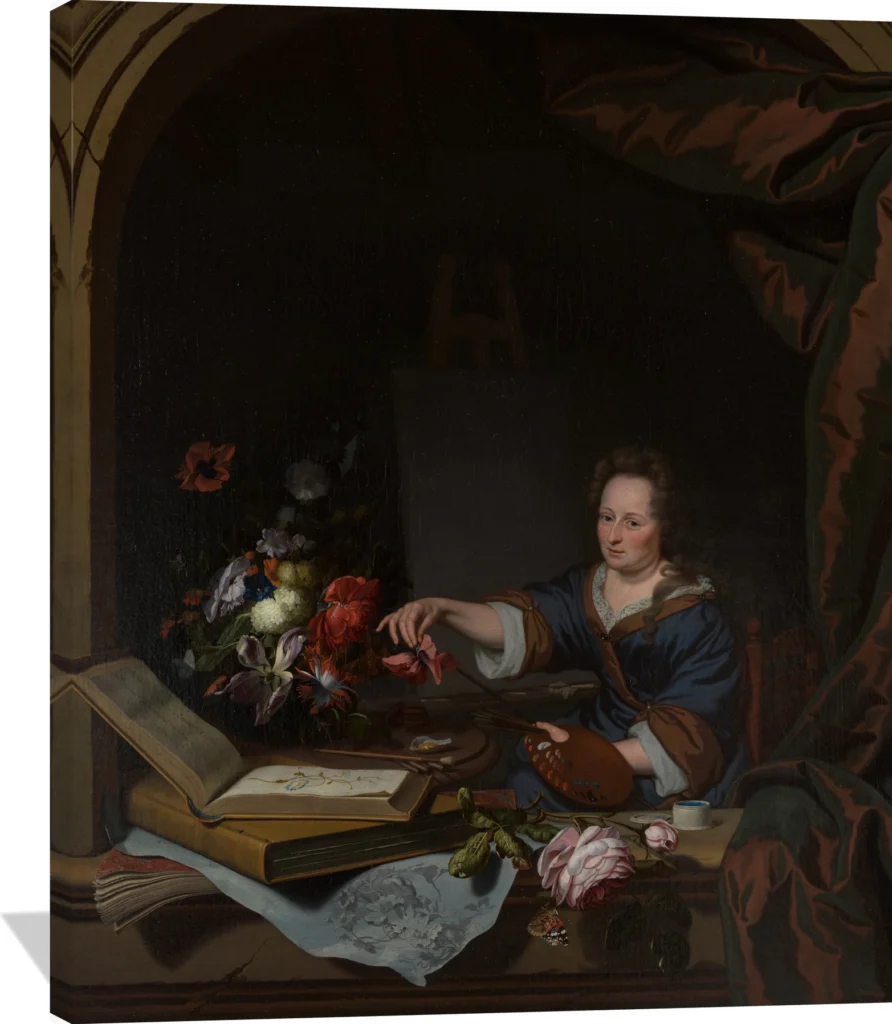
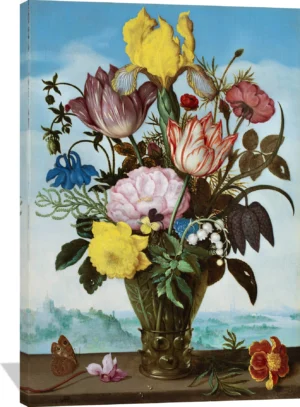
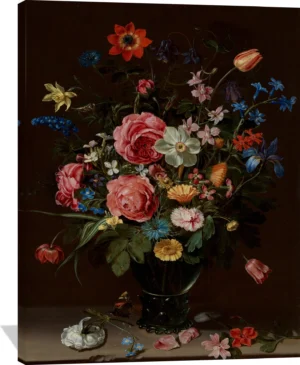
The Rachel Ruysch (1664–1750) canvas captures the refined artistry and quiet elegance of the Dutch Golden Age. In this luminous composition, the artist is portrayed amidst her tools and vibrant blooms, rendered in deep umber, soft ivory, rose, and moss green tones. The interplay of light and shadow evokes a sense of calm focus and timeless creativity.
This exquisite Rachel Ruysch canvas print brings a touch of classical sophistication to any interior. Ideal for a living room, study, or entryway, it celebrates the harmony of art and nature while adding depth and warmth to your wall art collection.
Rachel Ruysch (1664–1750) was a Dutch still-life painter celebrated for her exceptional mastery of botanical detail and her long, prolific career in Amsterdam. Renowned for her refined technique and scientific precision, she elevated floral painting to new artistic heights during the Dutch Golden Age.
Artistic Style
Ruysch’s work is defined by luminous color, layered textures, and meticulously observed natural forms. Her compositions balance elegance with dramatic contrasts of light and shadow, creating a sense of depth that feels both intimate and theatrical. She often arranged blossoms, insects, and foliage in dynamic, asymmetrical formations that brought vitality and motion to a traditionally static genre.
Subjects and Distinctive Qualities
Specializing in elaborate floral still lifes, Ruysch portrayed blooms at various stages of life, from fresh petals to curling, fading leaves. This attention to natural cycles added emotional richness to her paintings. Her ability to render fine details dew on petals, the translucent wings of insects, the velvety texture of a rose helped define and elevate the field of Dutch botanical art. Works such as Still Life with Flowers on a Marble Tabletop exemplify her gift for transforming scientific observation into poetic imagery.
Legacy and Significance
Ruysch enjoyed international acclaim during her lifetime, becoming one of the most successful still-life painters of her era and a rare woman to achieve such recognition in the 17th and 18th centuries. Her paintings continue to be admired for their technical brilliance and timeless elegance, standing as enduring representations of Dutch Golden Age artistry. Her influence can be traced through generations of floral painters who followed her example of precision, beauty, and expressive naturalism.
Trust & policies
- 🚚 Free worldwide shipping
- 🔁 30-day returns (change of mind)
- 🛡️ If damaged/defective/misprinted: free replacement or full refund
- 🌍 Printed in US/CA/EU/UK/AU (based on delivery location)
- 💎 Made to order using acid-free, fade-resistant canvas
- 💎 Solid wood stretcher bars • Pine floating frames
- 🪝 Ready to hang

Meditation
John George BrownCanvas from
32,00 $Select options This product has multiple variants. The options may be chosen on the product pageSamuel Cutts
Joseph BlackburnCanvas from
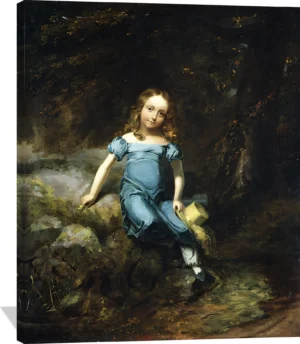
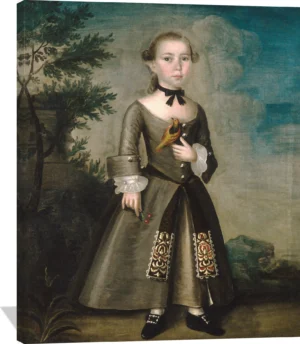
32,00 $Select options This product has multiple variants. The options may be chosen on the product pageJanet Halleck Drake
Henry InmanCanvas from
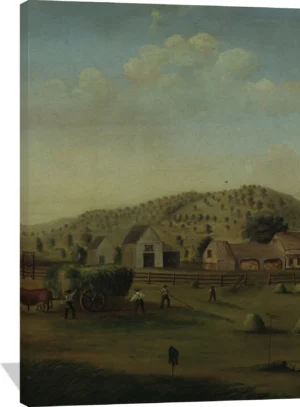
32,00 $Select options This product has multiple variants. The options may be chosen on the product pageLeete Farm, West Claremont, New Hampshire
Francis AlexanderCanvas from
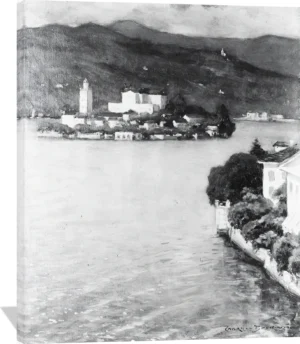
50,00 $Select options This product has multiple variants. The options may be chosen on the product pageLake of Orta
J. Carroll BeckwithCanvas from
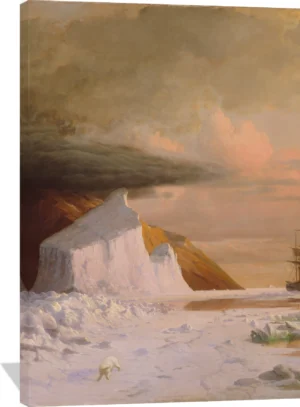
32,00 $Select options This product has multiple variants. The options may be chosen on the product pageAn Arctic Summer: Boring Through the Pack in Melville Bay
William BradfordCanvas from
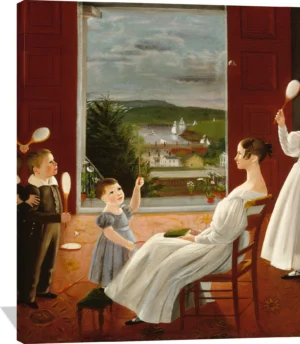
50,00 $Select options This product has multiple variants. The options may be chosen on the product pageThe Children of Nathan Starr
Ambrose AndrewsCanvas from
32,00 $Select options This product has multiple variants. The options may be chosen on the product pageBaked Pears in Duane Park
William P. ChappelCanvas from
50,00 $Select options This product has multiple variants. The options may be chosen on the product pageEleanor Hardy Bunker
Dennis Miller BunkerCanvas from
32,00 $Select options This product has multiple variants. The options may be chosen on the product pageJames Badger
Joseph BadgerCanvas from
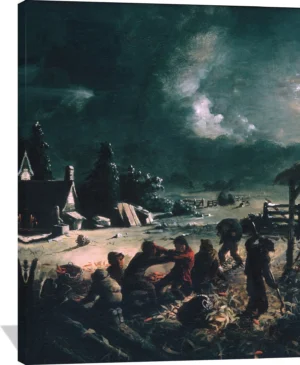
32,00 $Select options This product has multiple variants. The options may be chosen on the product pageCorn Husking
David Gilmour BlytheCanvas from
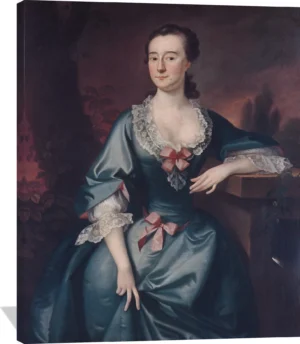
33,00 $Select options This product has multiple variants. The options may be chosen on the product pageMrs. David Chesebrough
Joseph BlackburnCanvas from
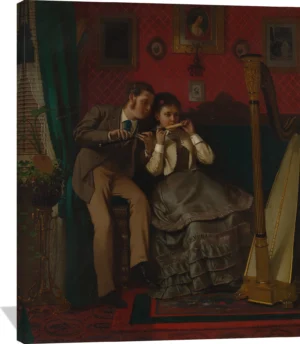
32,00 $Select options This product has multiple variants. The options may be chosen on the product pageThe Music Lesson
John George BrownCanvas from
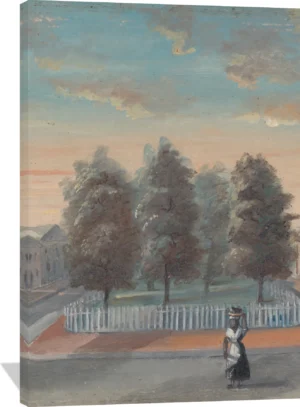
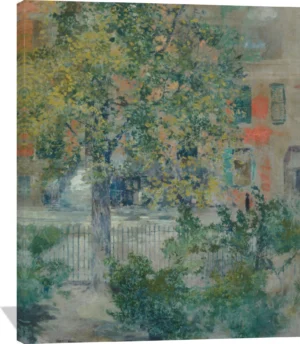
32,00 $Select options This product has multiple variants. The options may be chosen on the product pageView from the Artist’s Window, Grove Street
Robert Frederick BlumCanvas from
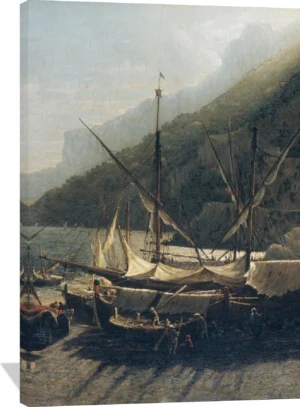
32,00 $Select options This product has multiple variants. The options may be chosen on the product pageView at Amalfi, Bay of Salerno
George Loring BrownCanvas from
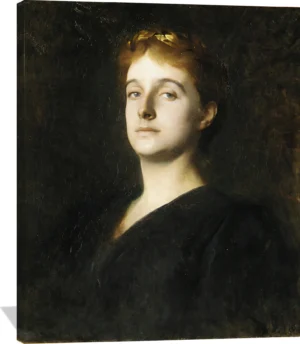
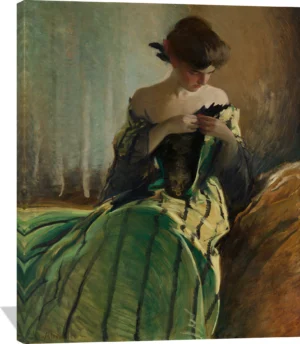
50,00 $Select options This product has multiple variants. The options may be chosen on the product pageStudy in Green and Black
John White AlexanderCanvas from
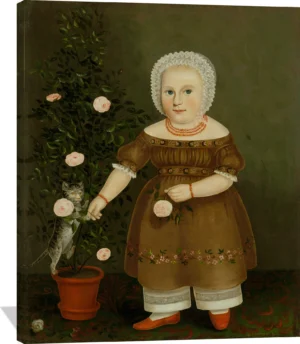
32,00 $Select options This product has multiple variants. The options may be chosen on the product pageEmma Homan
John BradleyCanvas from
32,00 $Select options This product has multiple variants. The options may be chosen on the product pageMountain Scene
Albert BierstadtCanvas from
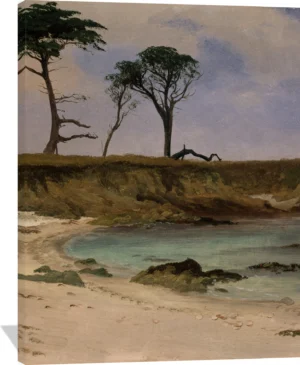
33,00 $Select options This product has multiple variants. The options may be chosen on the product pageSea Cove
Albert BierstadtCanvas from
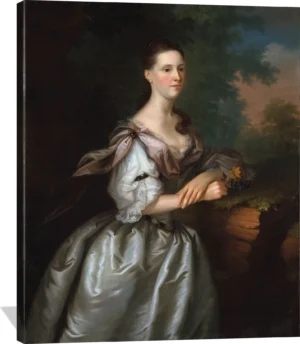
33,00 $Select options This product has multiple variants. The options may be chosen on the product pageMrs. Samuel Cutts
Joseph BlackburnCanvas from
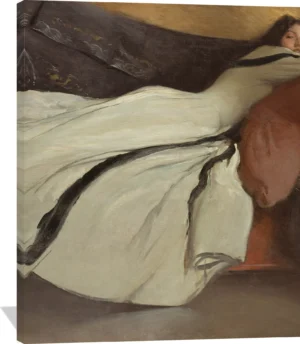
32,00 $Select options This product has multiple variants. The options may be chosen on the product pageRepose
John White AlexanderCanvas from
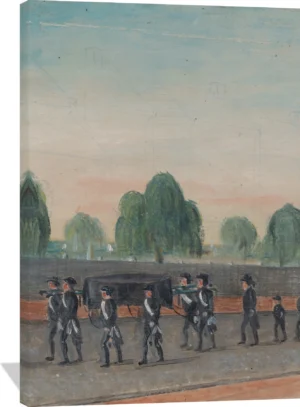
32,00 $Select options This product has multiple variants. The options may be chosen on the product pageAdult Funeral Procession
William P. ChappelCanvas from
50,00 $Select options This product has multiple variants. The options may be chosen on the product page

Explore Portraits
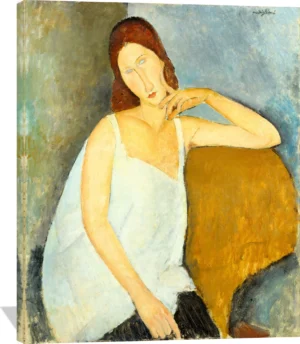
Jeanne Hébuterne
Amedeo ModiglianiCanvas from
32,00 $Select options This product has multiple variants. The options may be chosen on the product pageGirl in a Sailor’s Blouse
Amedeo ModiglianiCanvas from
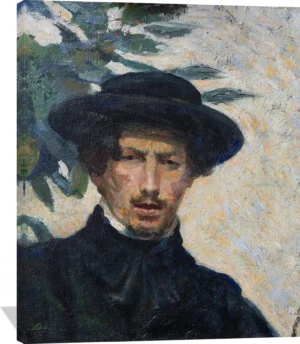
33,00 $Select options This product has multiple variants. The options may be chosen on the product pageSelf-Portrait
Umberto BoccioniCanvas from
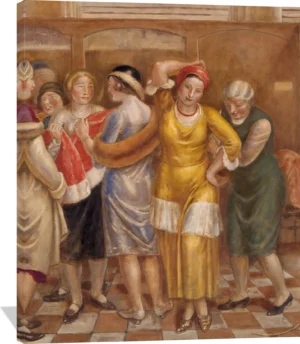
32,00 $Select options This product has multiple variants. The options may be chosen on the product pageThe Fitting Room
Kenneth Hayes MillerCanvas from
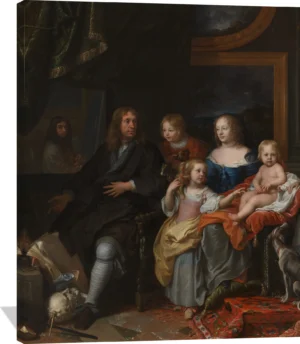
32,00 $Select options This product has multiple variants. The options may be chosen on the product pageThe Jabach Family
Charles Le BrunCanvas from
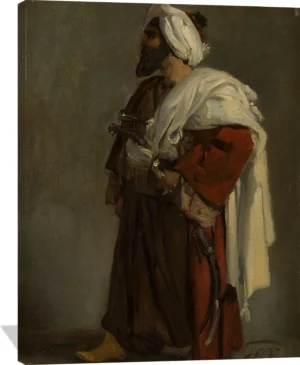
32,00 $Select options This product has multiple variants. The options may be chosen on the product pageArab Warrior
Horace VernetCanvas from
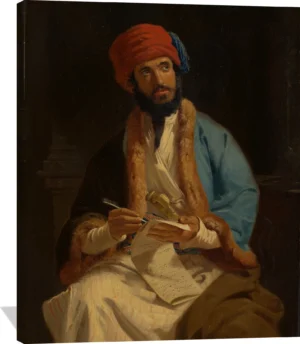
33,00 $Select options This product has multiple variants. The options may be chosen on the product pageThe Arab Sage
German PainterCanvas from
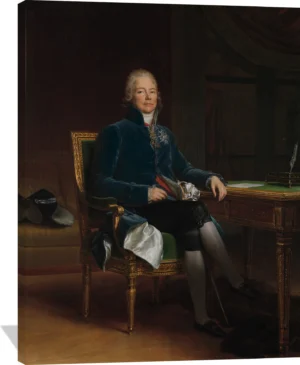
32,00 $Select options This product has multiple variants. The options may be chosen on the product pageCharles Maurice de Talleyrand Périgord (1754–1838), Prince de Bénévent
baron François GérardCanvas from
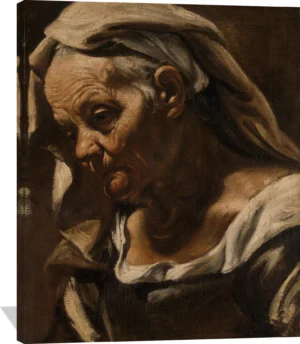
33,00 $Select options This product has multiple variants. The options may be chosen on the product pageHead of an Old Woman
Orazio BorgianniCanvas from
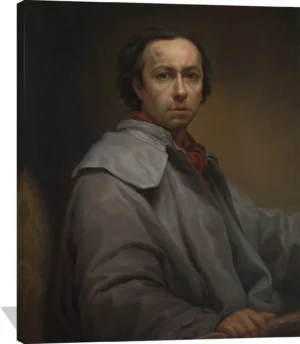
32,00 $Select options This product has multiple variants. The options may be chosen on the product pageSelf-Portrait
Anton Raphael MengsCanvas from
32,00 $Select options This product has multiple variants. The options may be chosen on the product pageSeated Arab Man with Horse
Alfred DedreuxCanvas from
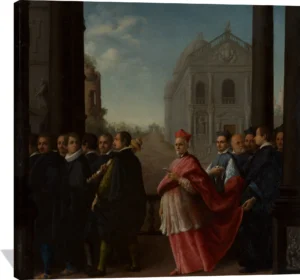
32,00 $Select options This product has multiple variants. The options may be chosen on the product pageA Cardinal’s Procession
Ottavio Leoni (Il Padovano)Canvas from
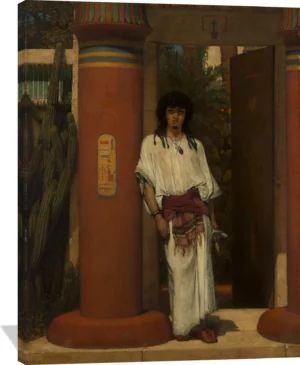
44,00 $Select options This product has multiple variants. The options may be chosen on the product pageAn Egyptian in a Doorway
Sir Lawrence Alma-TademaCanvas from
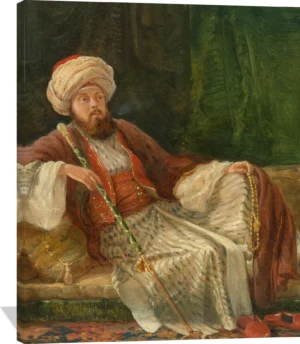
33,00 $Select options This product has multiple variants. The options may be chosen on the product pageWestern Gentleman in Oriental Costume
British PainterCanvas from
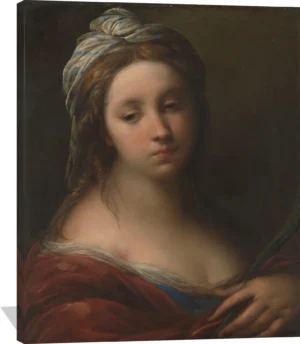
32,00 $Select options This product has multiple variants. The options may be chosen on the product pageA Female Martyr Saint
Carlo Francesco NuvoloneCanvas from
32,00 $Select options This product has multiple variants. The options may be chosen on the product pageGirl in a Courtyard, Algiers (formerly Courtyard in Tangier)
Philippe PavyCanvas from
50,00 $Select options This product has multiple variants. The options may be chosen on the product pageLute Player
Valentin de BoulogneCanvas from
32,00 $Select options This product has multiple variants. The options may be chosen on the product pageThe Opium Smokers
Georges ClairinCanvas from
44,00 $Select options This product has multiple variants. The options may be chosen on the product pageHead of a Bishop
Gaetano GandolfiCanvas from
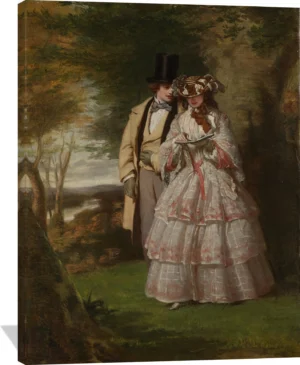
32,00 $Select options This product has multiple variants. The options may be chosen on the product pageThe Two Central Figures in “Derby Day”
William Powell FrithCanvas from
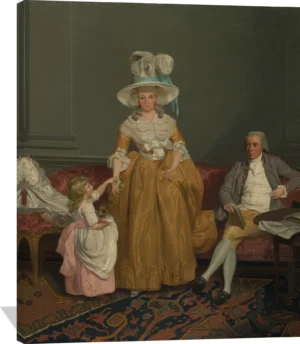
33,00 $Select options This product has multiple variants. The options may be chosen on the product pageThe Saithwaite Family
Francis WheatleyCanvas from
32,00 $Select options This product has multiple variants. The options may be chosen on the product page


Explore Baroque
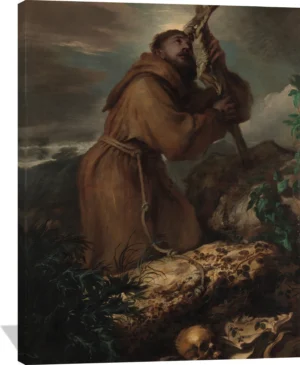
Saint Francis in Ecstasy
Giovanni Benedetto Castiglione (Il Grechetto)Canvas from
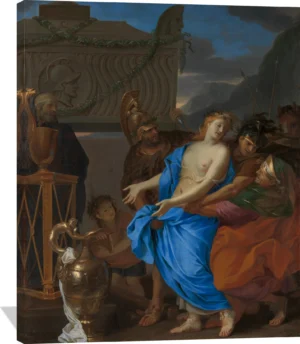
33,00 $Select options This product has multiple variants. The options may be chosen on the product pageThe Sacrifice of Polyxena
Charles Le BrunCanvas from
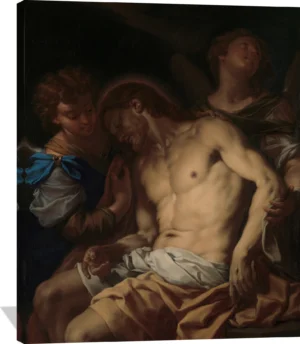
32,00 $Select options This product has multiple variants. The options may be chosen on the product pageDead Christ Supported by Angels
Francesco TrevisaniCanvas from
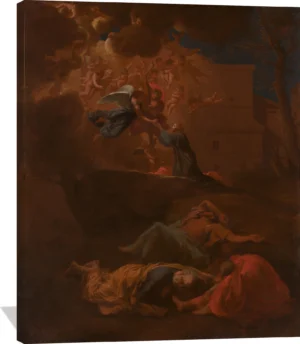
32,00 $Select options This product has multiple variants. The options may be chosen on the product pageThe Agony in the Garden
Nicolas PoussinCanvas from
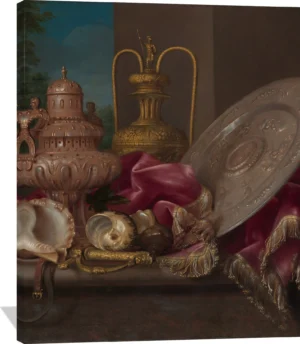
32,00 $Select options This product has multiple variants. The options may be chosen on the product pageStill Life with Silver and Gold Plate, Shells, and a Sword
Meiffren ConteCanvas from
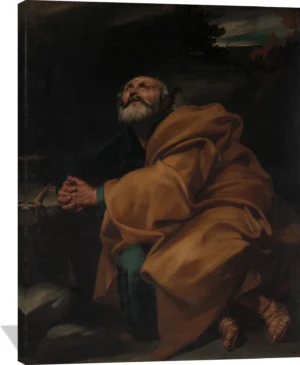
32,00 $Select options This product has multiple variants. The options may be chosen on the product pageThe Tears of Saint Peter
Jusepe de Ribera (called Lo Spagnoletto)Canvas from
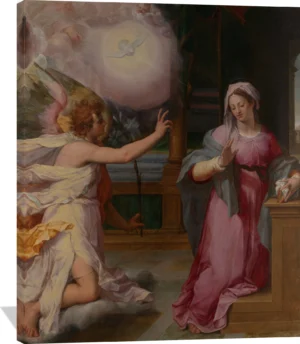
33,00 $Select options This product has multiple variants. The options may be chosen on the product pageThe Annunciation
Peter Candid (Pieter de Witte, Pietro Candido)Canvas from
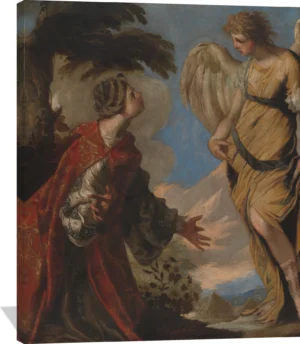
32,00 $Select options This product has multiple variants. The options may be chosen on the product pageHagar and the Angel
Francesco MaffeiCanvas from
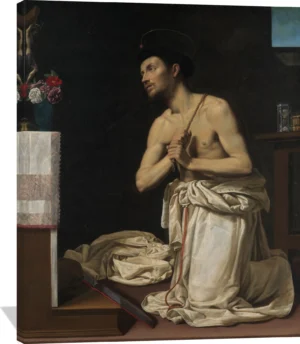
32,00 $Select options This product has multiple variants. The options may be chosen on the product pageSaint Dominic in Penitence
Filippo TarchianiCanvas from
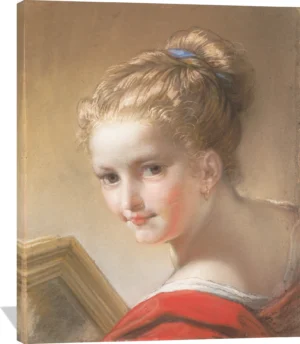
32,00 $Select options This product has multiple variants. The options may be chosen on the product pageStudy of a Girl in Red
Benedetto LutiCanvas from
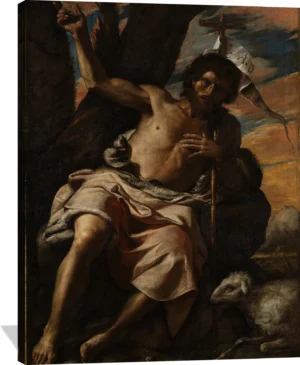
32,00 $Select options This product has multiple variants. The options may be chosen on the product pageSaint John the Baptist Preaching
Mattia Preti (Il Cavalier Calabrese)Canvas from
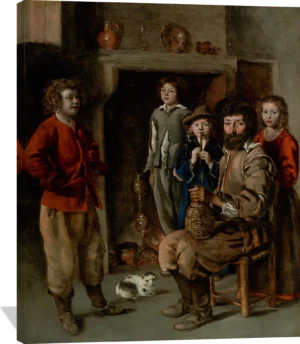
33,00 $Select options This product has multiple variants. The options may be chosen on the product pageA Peasant Family
Antoine Le NainCanvas from
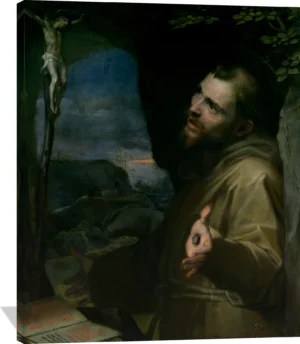
32,00 $Select options This product has multiple variants. The options may be chosen on the product pageSaint Francis
Federico BarocciCanvas from
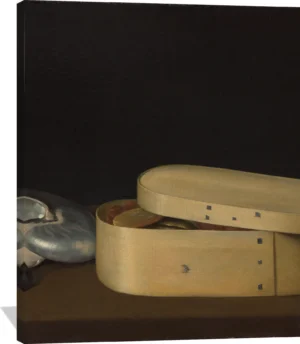
32,00 $Select options This product has multiple variants. The options may be chosen on the product pageStill Life with Shells and a Chip-Wood Box
Sebastian StoskopffCanvas from
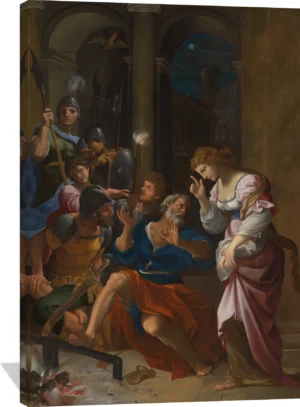
32,00 $Select options This product has multiple variants. The options may be chosen on the product pageThe Denial of Saint Peter
Ludovico CarracciCanvas from
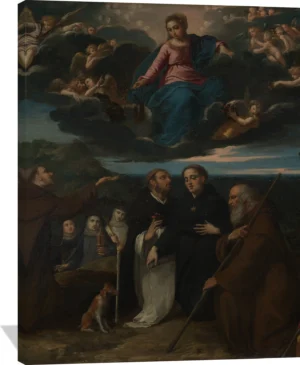
50,00 $Select options This product has multiple variants. The options may be chosen on the product pageThe Virgin Adored by Saints
Scarsellino (Ippolito Scarsella)Canvas from
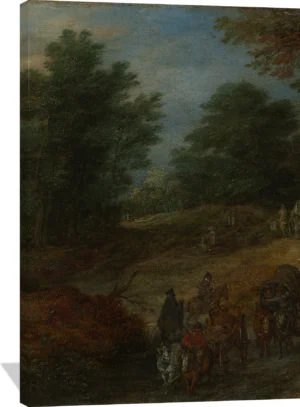
33,00 $Select options This product has multiple variants. The options may be chosen on the product pageLandscape with Travelers on a Woodland Path
Jan Brueghel the ElderCanvas from
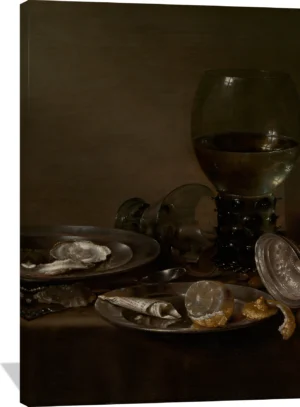
50,00 $Select options This product has multiple variants. The options may be chosen on the product pageStill Life with Oysters, a Silver Tazza, and Glassware
Willem Claesz HedaCanvas from
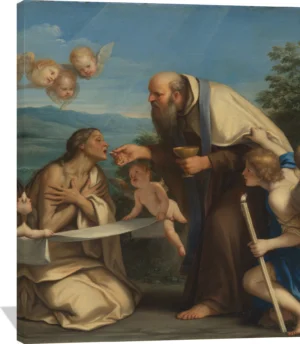
50,00 $Select options This product has multiple variants. The options may be chosen on the product pageThe Last Communion of Saint Mary of Egypt
Marcantonio FranceschiniCanvas from
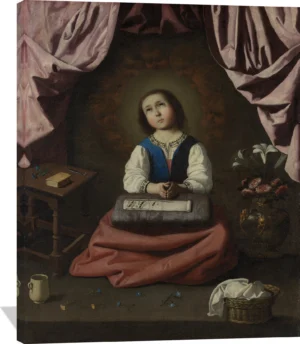
32,00 $Select options This product has multiple variants. The options may be chosen on the product pageThe Young Virgin
Francisco de ZurbaránCanvas from
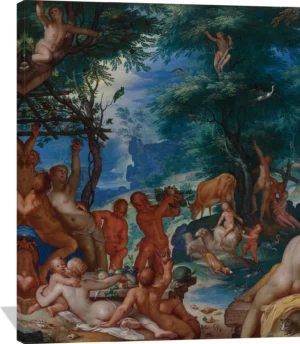
32,00 $Select options This product has multiple variants. The options may be chosen on the product pageThe Golden Age
Joachim WtewaelCanvas from
32,00 $Select options This product has multiple variants. The options may be chosen on the product page
Explore Flowers (still Life)
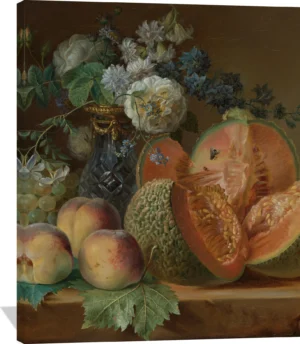
Still Life with a Vase of Flowers, Melon, Peaches, and Grapes
Charlotte Eustache Sophie de Fuligny Damas, marquise de GrollierCanvas from
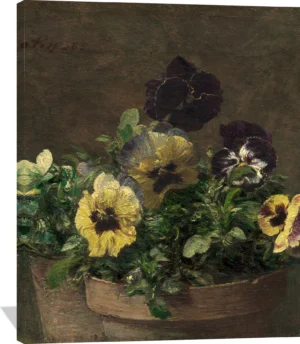
32,00 $Select options This product has multiple variants. The options may be chosen on the product pagePotted Pansies
Henri Fantin-LatourCanvas from
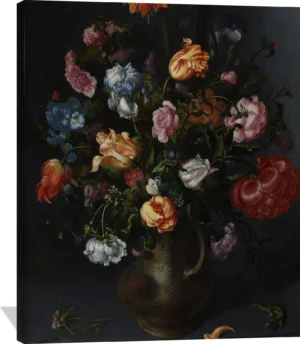
32,00 $Select options This product has multiple variants. The options may be chosen on the product pageA Vase with Flowers
Jacob VosmaerCanvas from
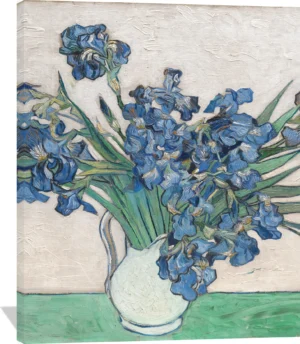
32,00 $Select options This product has multiple variants. The options may be chosen on the product pageIrises
Vincent van GoghCanvas from
32,00 $Select options This product has multiple variants. The options may be chosen on the product pageSunflowers
Vincent van GoghCanvas from
33,00 $Select options This product has multiple variants. The options may be chosen on the product pageStill Life—Flowers and Fruit in White and Pink Bowl
Canvas from
32,00 $Select options This product has multiple variants. The options may be chosen on the product pagePink Azalea—Chinese Vase
William Merritt ChaseCanvas from
33,00 $Select options This product has multiple variants. The options may be chosen on the product pageBouquet of Flowers in a Roemer
Ambrosius Bosschaert the ElderCanvas from
50,00 $Select options This product has multiple variants. The options may be chosen on the product pageA Bouquet of Flowers
Clara PeetersCanvas from
33,00 $Select options This product has multiple variants. The options may be chosen on the product pageFruit and Flowers
Orsola Maddalena CacciaCanvas from
32,00 $Select options This product has multiple variants. The options may be chosen on the product pageFlowers in a Grotesque Vase
Orsola Maddalena CacciaCanvas from
32,00 $Select options This product has multiple variants. The options may be chosen on the product pageHortensia
Fernand KhnopffCanvas from
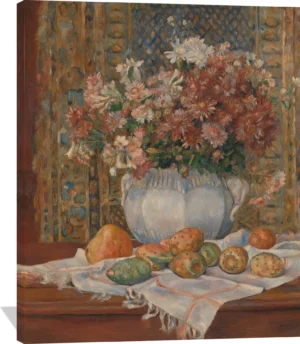
32,00 $Select options This product has multiple variants. The options may be chosen on the product pageStill Life with Flowers and Prickly Pears
Auguste RenoirCanvas from
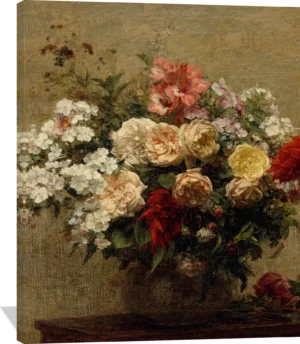
32,00 $Select options This product has multiple variants. The options may be chosen on the product pageSummer Flowers
Henri Fantin-LatourCanvas from
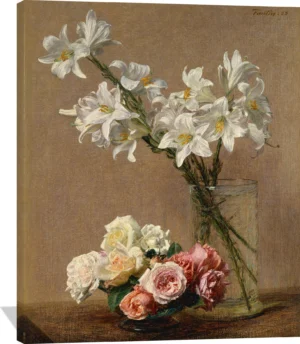
32,00 $Select options This product has multiple variants. The options may be chosen on the product pageRoses and Lilies
Henri Fantin-LatourCanvas from
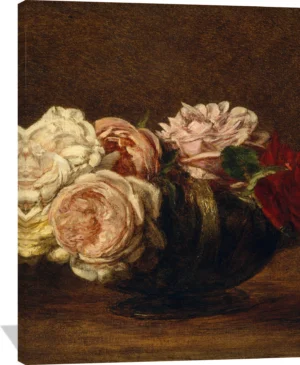
32,00 $Select options This product has multiple variants. The options may be chosen on the product pageRoses in a Bowl
Henri Fantin-LatourCanvas from
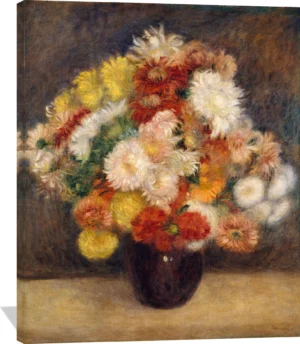
33,00 $Select options This product has multiple variants. The options may be chosen on the product pageBouquet of Chrysanthemums
Auguste RenoirCanvas from
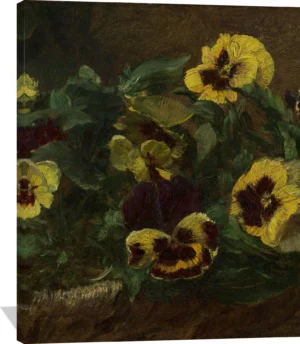
32,00 $Select options This product has multiple variants. The options may be chosen on the product pagePansies
Henri Fantin-LatourCanvas from
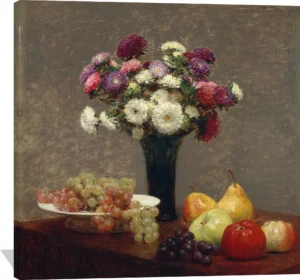
32,00 $Select options This product has multiple variants. The options may be chosen on the product pageAsters and Fruit on a Table
Henri Fantin-LatourCanvas from
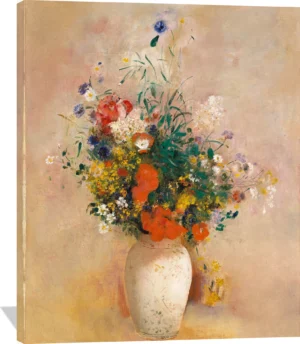
44,00 $Select options This product has multiple variants. The options may be chosen on the product pageVase of Flowers (Pink Background)
Odilon RedonCanvas from
32,00 $Select options This product has multiple variants. The options may be chosen on the product pageEtruscan Vase with Flowers
Odilon RedonCanvas from
32,00 $Select options This product has multiple variants. The options may be chosen on the product page