Artistic Style and Approach
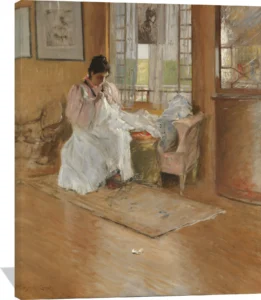
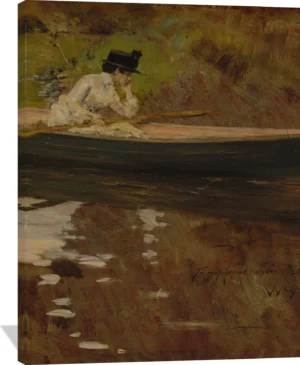
Chase worked with remarkable versatility, moving fluidly between Impressionism, Realism, and a refined academic tradition. His paintings are known for their vibrant brushwork, elegant handling of color, and masterful command of light. Whether capturing the shimmering atmosphere of outdoor settings or the controlled elegance of interior scenes, he brought a distinctive vitality to every canvas. His ability to blend European influences with an emerging American sensibility made him a pivotal figure in the nation’s artistic development.
Subjects and Signature Themes
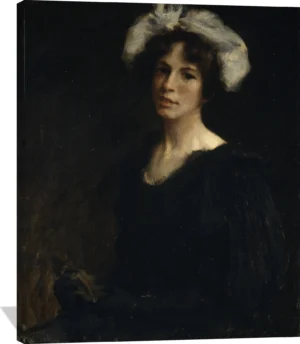
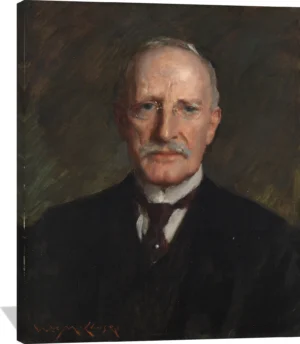
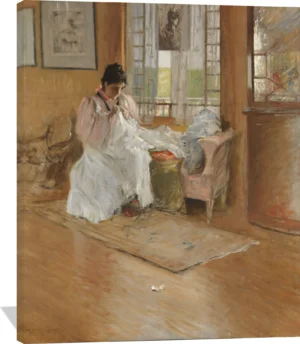
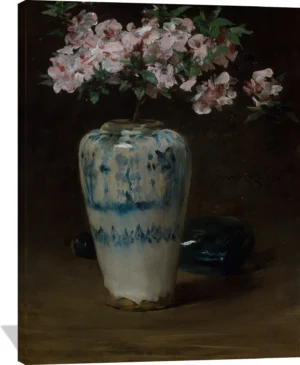
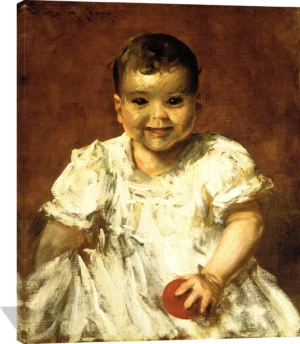
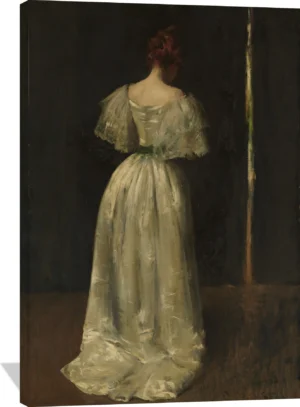
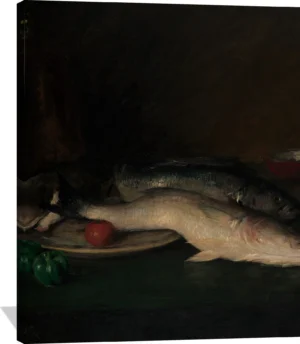
Chase’s subjects ranged widely, reflecting his restless curiosity and technical confidence. He gained recognition for his portraits, which portray sitters with psychological nuance and painterly richness. His domestic interiors, especially those depicting his famed Tenth Street Studio, remain iconic for their layered textures and cosmopolitan charm. He was also a celebrated painter of landscapes and plein-air scenes, often depicting parks, beaches, and sunlit gardens with atmospheric immediacy. Works such as his coastal views and still lifes particularly those featuring fish and floral arrangements demonstrate his exceptional ability to elevate everyday subjects.
Legacy and Cultural Significance
Beyond his paintings, Chase’s influence spread through the many artists he mentored. As a founder of the Chase School, later known as Parsons School of Design, he guided generations of young painters, encouraging artistic ambition and rigorous craftsmanship. His commitment to cultivating an American artistic identity, combined with his cosmopolitan outlook, positioned him as a bridge between European traditions and the rise of modern American art.
Today, William Merritt Chase is remembered for his distinctive blend of elegance and spontaneity, as well as his profound impact on American painting. His works continue to captivate viewers with their clarity, energy, and insightful attention to the world around him.