Artistic Style
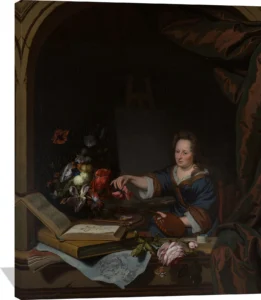
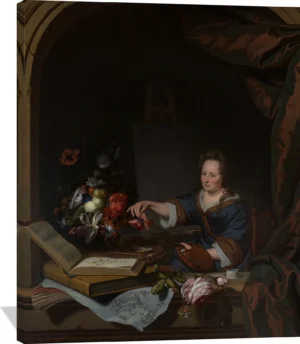
Ruysch’s work is defined by luminous color, layered textures, and meticulously observed natural forms. Her compositions balance elegance with dramatic contrasts of light and shadow, creating a sense of depth that feels both intimate and theatrical. She often arranged blossoms, insects, and foliage in dynamic, asymmetrical formations that brought vitality and motion to a traditionally static genre.
Subjects and Distinctive Qualities
Specializing in elaborate floral still lifes, Ruysch portrayed blooms at various stages of life, from fresh petals to curling, fading leaves. This attention to natural cycles added emotional richness to her paintings. Her ability to render fine details dew on petals, the translucent wings of insects, the velvety texture of a rose helped define and elevate the field of Dutch botanical art. Works such as Still Life with Flowers on a Marble Tabletop exemplify her gift for transforming scientific observation into poetic imagery.
Legacy and Significance
Ruysch enjoyed international acclaim during her lifetime, becoming one of the most successful still-life painters of her era and a rare woman to achieve such recognition in the 17th and 18th centuries. Her paintings continue to be admired for their technical brilliance and timeless elegance, standing as enduring representations of Dutch Golden Age artistry. Her influence can be traced through generations of floral painters who followed her example of precision, beauty, and expressive naturalism.