Landscape at Sunset
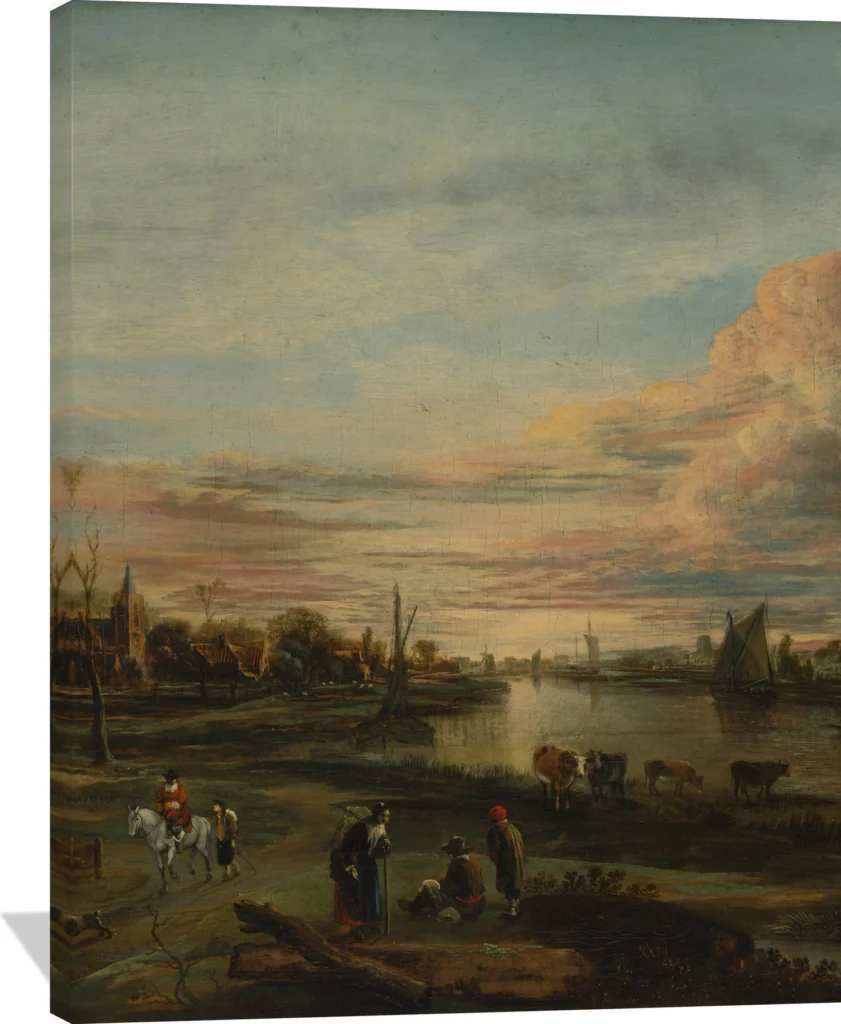
The Aert van der Neer Landscape at Sunset canvas captures a serene Dutch countryside bathed in the golden glow of dusk. Gentle pinks, amber tones, and soft blues blend across the sky, reflecting on calm waters where figures, cattle, and sailboats rest in quiet harmony. Van der Neer’s masterful light and shadow evoke a timeless sense of stillness and reflection.
This exquisite wall art brings warmth and sophistication to any space—perfect for a living room, study, or entryway. A refined canvas print that celebrates the poetic beauty of evening light and the enduring artistry of the Dutch Golden Age.
Aert van der Neer (Gorinchem 1603/4–1677 Amsterdam) is celebrated as one of the Dutch Golden Age’s most evocative landscape painters, renowned for his masterful handling of light and atmosphere.
Artistic Style and Technique
Van der Neer’s work is distinguished by its serene tonal harmonies and an exceptional command of nocturnal illumination. His moonlit scenes and winter landscapes reveal a poetic sensitivity to nature, often characterized by silvery reflections, soft gradations, and a masterful balance between shadow and glow. His ability to render the subtleties of dusk, dawn, and night made him a defining figure in the development of Dutch tonal landscape painting, a movement rooted in refined naturalism and controlled emotional depth.
Notable Subjects
While Van der Neer sometimes depicted riverside towns and rural expanses, he is best known for atmospheric evening views, tranquil canals, frozen waterways bustling with skaters, and expansive lowland vistas. These compositions frequently include reflective water surfaces and delicately illuminated skies, hallmarks that contribute to the quiet drama and contemplative mood of his scenes. His winter landscapes in particular became widely admired for their crisp clarity and nuanced depiction of seasonal light.
Cultural and Historical Significance
Active during the height of the Dutch Golden Age, Van der Neer participated in a cultural moment that celebrated everyday life, the natural world, and the subtle beauty of the local environment. Though he worked alongside more commercially successful contemporaries, his paintings gained enduring appreciation for their distinctive atmospheric effects and their contribution to the evolving Dutch landscape tradition. Today, his oeuvre is recognized for its exquisite nocturnes and its poetic treatment of light, marking him as a significant contributor to the era’s artistic innovations.
Trust & policies
- 🚚 Free worldwide shipping
- 🔁 30-day returns (change of mind)
- 🛡️ If damaged/defective/misprinted: free replacement or full refund
- 🌍 Printed in US/CA/EU/UK/AU (based on delivery location)
- 💎 Made to order using acid-free, fade-resistant canvas
- 💎 Solid wood stretcher bars • Pine floating frames
- 🪝 Ready to hang

Seventh Regiment on Review, Washington Square, New York
Otto BoetticherCanvas from
222,00 leiSelect options This product has multiple variants. The options may be chosen on the product pageLake of Orta
J. Carroll BeckwithCanvas from
142,00 leiSelect options This product has multiple variants. The options may be chosen on the product pageIn the Laboratory
Henry AlexanderCanvas from
142,00 leiSelect options This product has multiple variants. The options may be chosen on the product pageThe Music Lesson
John George BrownCanvas from
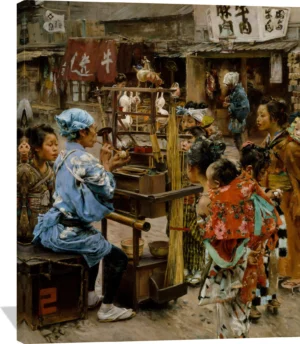
142,00 leiSelect options This product has multiple variants. The options may be chosen on the product pageThe Pipe Dance
Ralph Albert BlakelockCanvas from
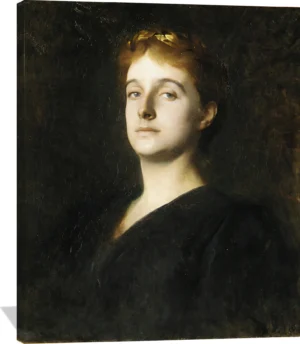
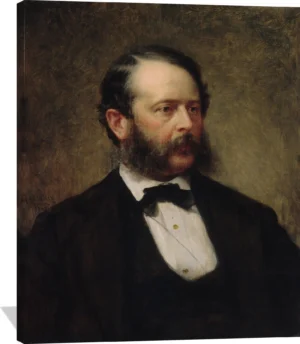
222,00 leiSelect options This product has multiple variants. The options may be chosen on the product pageJanet Halleck Drake
Henry InmanCanvas from
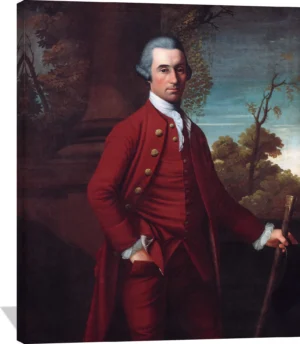
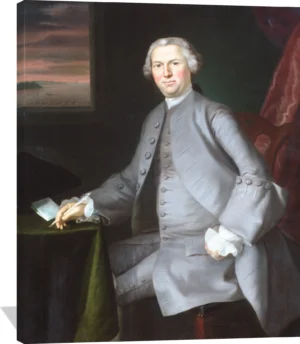
142,00 leiSelect options This product has multiple variants. The options may be chosen on the product pagePortrait of a Gentleman
Henry BenbridgeCanvas from
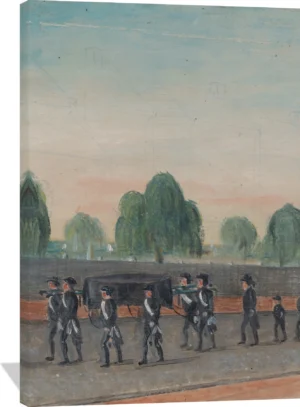
142,00 leiSelect options This product has multiple variants. The options may be chosen on the product pageAdult Funeral Procession
William P. ChappelCanvas from
222,00 leiSelect options This product has multiple variants. The options may be chosen on the product pageThe Ring
John White AlexanderCanvas from
142,00 leiSelect options This product has multiple variants. The options may be chosen on the product pageAn Indian Encampment
Ralph Albert BlakelockCanvas from
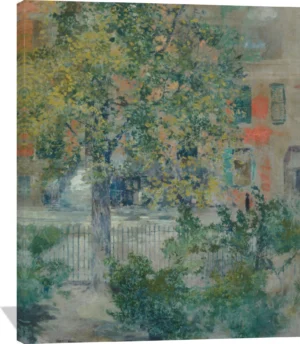
195,00 leiSelect options This product has multiple variants. The options may be chosen on the product pageView from the Artist’s Window, Grove Street
Robert Frederick BlumCanvas from
142,00 leiSelect options This product has multiple variants. The options may be chosen on the product pageSamuel Cutts
Joseph BlackburnCanvas from
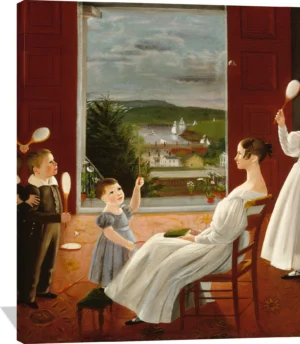
142,00 leiSelect options This product has multiple variants. The options may be chosen on the product pageThe Children of Nathan Starr
Ambrose AndrewsCanvas from
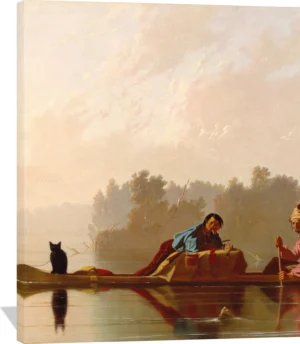
142,00 leiSelect options This product has multiple variants. The options may be chosen on the product pageFur Traders Descending the Missouri
George Caleb BinghamCanvas from
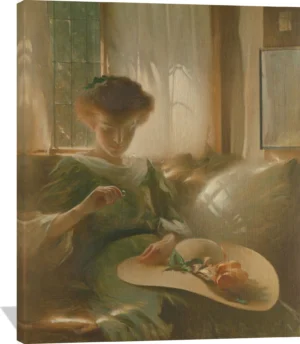
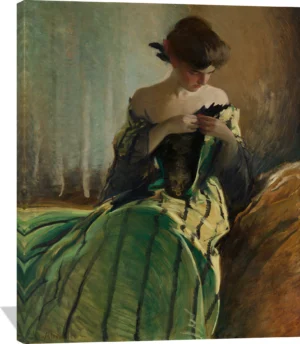
142,00 leiSelect options This product has multiple variants. The options may be chosen on the product pageStudy in Green and Black
John White AlexanderCanvas from
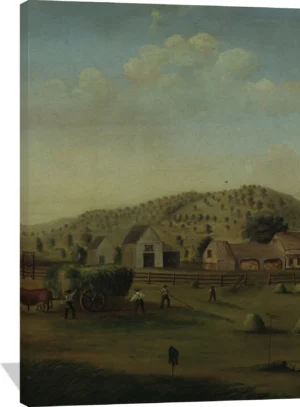
142,00 leiSelect options This product has multiple variants. The options may be chosen on the product pageLeete Farm, West Claremont, New Hampshire
Francis AlexanderCanvas from
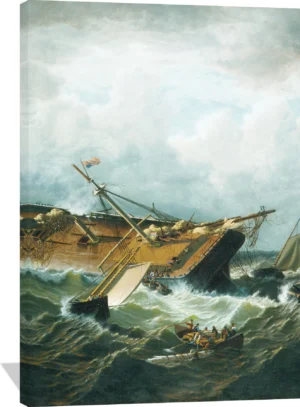
222,00 leiSelect options This product has multiple variants. The options may be chosen on the product pageShipwreck off Nantucket (Wreck off Nantucket after a Storm)
William BradfordCanvas from
222,00 leiSelect options This product has multiple variants. The options may be chosen on the product pageEleanor Hardy Bunker
Dennis Miller BunkerCanvas from
142,00 leiSelect options This product has multiple variants. The options may be chosen on the product pageThe Ameya
Robert Frederick BlumCanvas from
142,00 leiSelect options This product has multiple variants. The options may be chosen on the product pageJohn F. Kensett
George Augustus Baker Jr.Canvas from
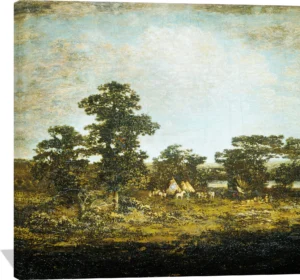
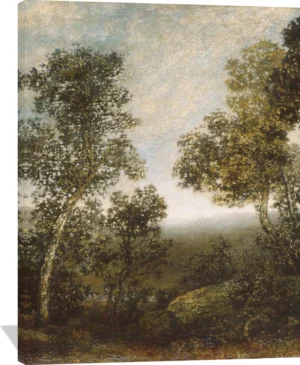
142,00 leiSelect options This product has multiple variants. The options may be chosen on the product pageLandscape
Ralph Albert BlakelockCanvas from
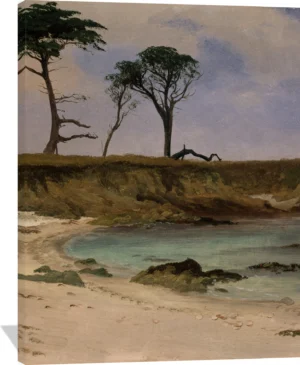
147,00 leiSelect options This product has multiple variants. The options may be chosen on the product pageSea Cove
Albert BierstadtCanvas from
147,00 leiSelect options This product has multiple variants. The options may be chosen on the product page
Explore Landscapes
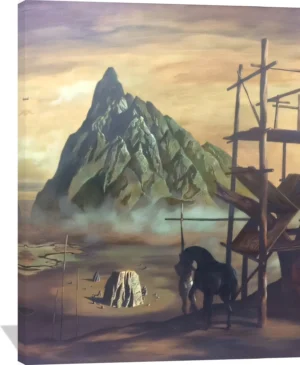
The Black Horse
John AthertonCanvas from
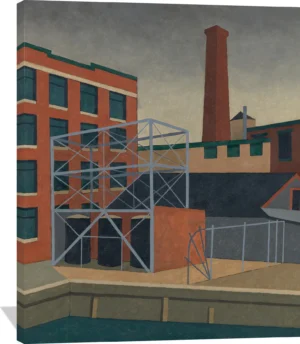
147,00 leiSelect options This product has multiple variants. The options may be chosen on the product pageWaterfront Mill
Niles SpencerCanvas from
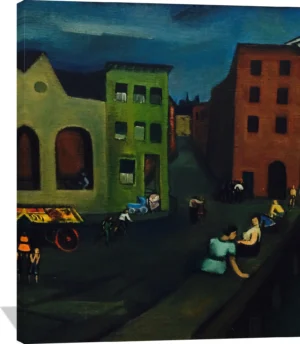
142,00 leiSelect options This product has multiple variants. The options may be chosen on the product pageDocks on Sunday
Joseph De MartiniCanvas from
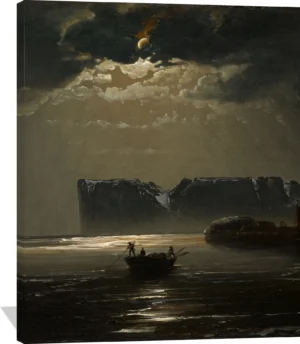
142,00 leiSelect options This product has multiple variants. The options may be chosen on the product pageThe North Cape by Moonlight
Peder BalkeCanvas from
142,00 leiSelect options This product has multiple variants. The options may be chosen on the product pageChrysanthemums in the Garden at Petit-Gennevilliers
Gustave CaillebotteCanvas from
222,00 leiSelect options This product has multiple variants. The options may be chosen on the product pageStudy of Palm Trees
Jean-Léon GérômeCanvas from
142,00 leiSelect options This product has multiple variants. The options may be chosen on the product pageA Section of the Via Sacra, Rome (The Church of Saints Cosmas and Damian)
Christoffer Wilhelm EckersbergCanvas from
147,00 leiSelect options This product has multiple variants. The options may be chosen on the product pageLandscape with Figures
Kenneth Hayes MillerCanvas from
142,00 leiSelect options This product has multiple variants. The options may be chosen on the product pageThe Great Pyramid, Giza
Adrien DauzatsCanvas from
142,00 leiSelect options This product has multiple variants. The options may be chosen on the product pageVirgil’s Tomb by Moonlight, with Silius Italicus Declaiming
Joseph Wright (Wright of Derby)Canvas from
142,00 leiSelect options This product has multiple variants. The options may be chosen on the product pageView over Hallingdal
Johan Christian DahlCanvas from
222,00 leiSelect options This product has multiple variants. The options may be chosen on the product pageWedding Procession
Victor EeckhoutCanvas from
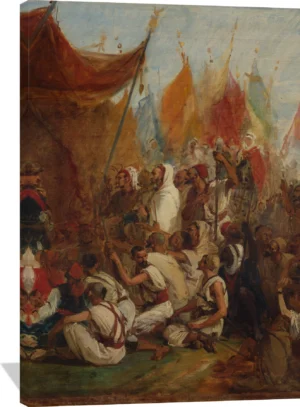
147,00 leiSelect options This product has multiple variants. The options may be chosen on the product pageSketch for “Reception of Emperor Napoleon III and Empress Eugénie by the Kabyle Leaders at Algiers on September 18, 1860”
Isidore PilsCanvas from
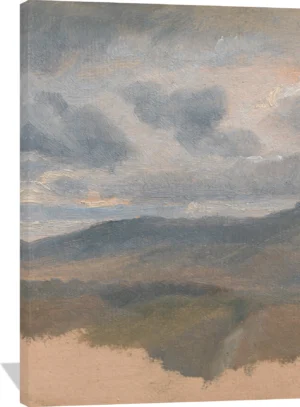
222,00 leiSelect options This product has multiple variants. The options may be chosen on the product pageLandscape Study with Clouds
Emile LoubonCanvas from
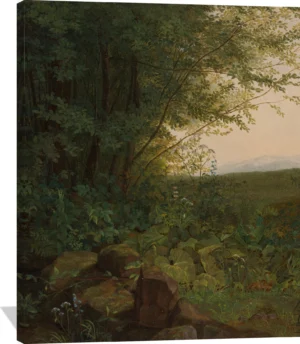
222,00 leiSelect options This product has multiple variants. The options may be chosen on the product pageAt the Edge of the Forest
August HeinrichCanvas from
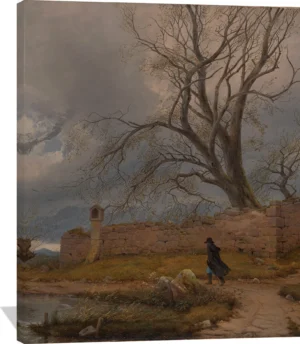
142,00 leiSelect options This product has multiple variants. The options may be chosen on the product pageWanderer in the Storm
Julius von LeypoldCanvas from
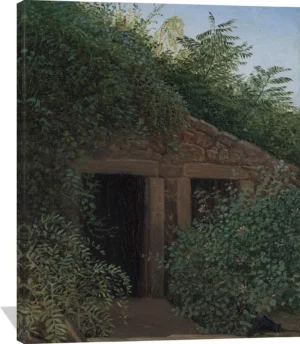
142,00 leiSelect options This product has multiple variants. The options may be chosen on the product pageAn Overgrown Mineshaft
Carl Gustav CarusCanvas from
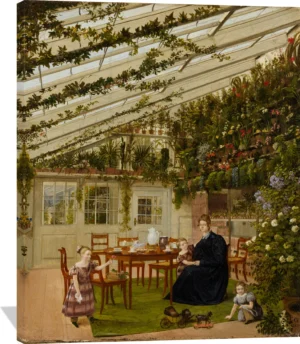
142,00 leiSelect options This product has multiple variants. The options may be chosen on the product pageThe Family of Mr. Westphal in the Conservatory
Eduard GaertnerCanvas from
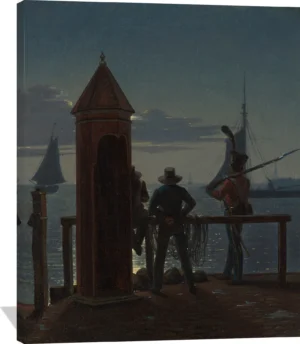
142,00 leiSelect options This product has multiple variants. The options may be chosen on the product pageView from the Citadel Ramparts in Copenhagen by Moonlight
Martinus RørbyeCanvas from
142,00 leiSelect options This product has multiple variants. The options may be chosen on the product pageThe Cemetery at Pronoia near Nauplia
Carl RottmannCanvas from
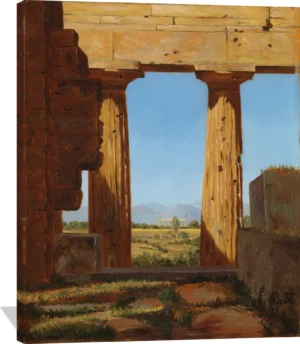
142,00 leiSelect options This product has multiple variants. The options may be chosen on the product pageColumns of the Temple of Neptune at Paestum
Constantin HansenCanvas from
142,00 leiSelect options This product has multiple variants. The options may be chosen on the product page
Explore Baroque
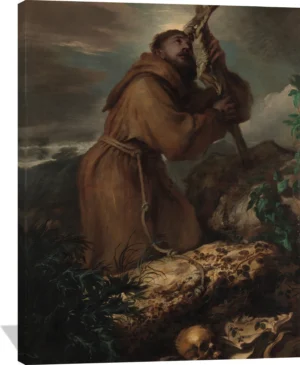
Saint Francis in Ecstasy
Giovanni Benedetto Castiglione (Il Grechetto)Canvas from
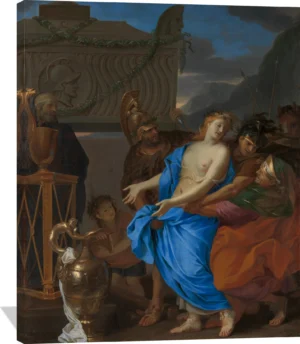
147,00 leiSelect options This product has multiple variants. The options may be chosen on the product pageThe Sacrifice of Polyxena
Charles Le BrunCanvas from
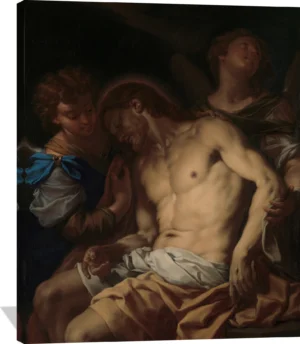
142,00 leiSelect options This product has multiple variants. The options may be chosen on the product pageDead Christ Supported by Angels
Francesco TrevisaniCanvas from
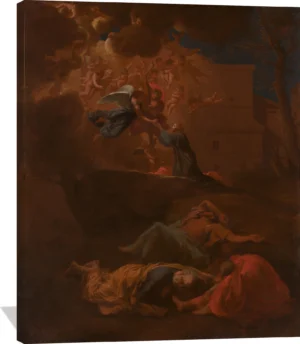
142,00 leiSelect options This product has multiple variants. The options may be chosen on the product pageThe Agony in the Garden
Nicolas PoussinCanvas from
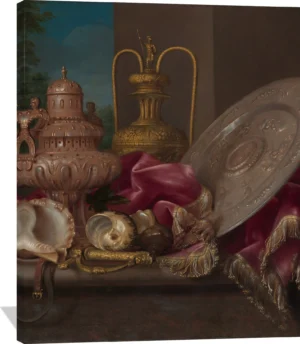
142,00 leiSelect options This product has multiple variants. The options may be chosen on the product pageStill Life with Silver and Gold Plate, Shells, and a Sword
Meiffren ConteCanvas from
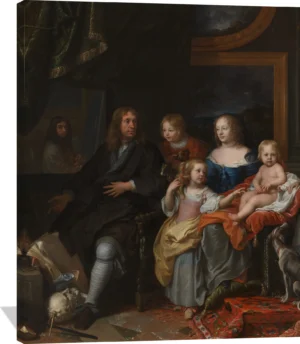
142,00 leiSelect options This product has multiple variants. The options may be chosen on the product pageThe Jabach Family
Charles Le BrunCanvas from
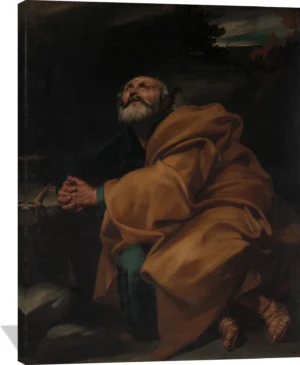
142,00 leiSelect options This product has multiple variants. The options may be chosen on the product pageThe Tears of Saint Peter
Jusepe de Ribera (called Lo Spagnoletto)Canvas from
147,00 leiSelect options This product has multiple variants. The options may be chosen on the product pageThe Annunciation
Peter Candid (Pieter de Witte, Pietro Candido)Canvas from
142,00 leiSelect options This product has multiple variants. The options may be chosen on the product pageHead of an Old Woman
Orazio BorgianniCanvas from
142,00 leiSelect options This product has multiple variants. The options may be chosen on the product pageA Cardinal’s Procession
Ottavio Leoni (Il Padovano)Canvas from
195,00 leiSelect options This product has multiple variants. The options may be chosen on the product pageHagar and the Angel
Francesco MaffeiCanvas from
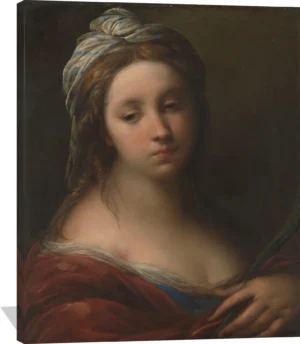
142,00 leiSelect options This product has multiple variants. The options may be chosen on the product pageA Female Martyr Saint
Carlo Francesco NuvoloneCanvas from
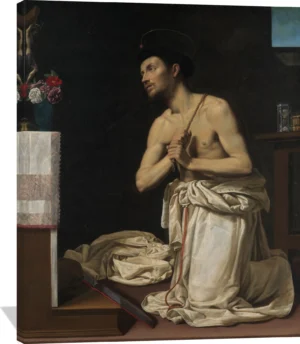
142,00 leiSelect options This product has multiple variants. The options may be chosen on the product pageSaint Dominic in Penitence
Filippo TarchianiCanvas from
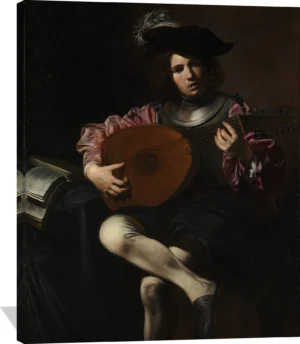
142,00 leiSelect options This product has multiple variants. The options may be chosen on the product pageLute Player
Valentin de BoulogneCanvas from
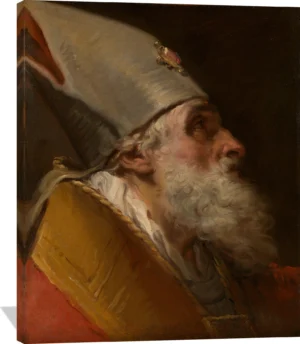
142,00 leiSelect options This product has multiple variants. The options may be chosen on the product pageHead of a Bishop
Gaetano GandolfiCanvas from
142,00 leiSelect options This product has multiple variants. The options may be chosen on the product pageStudy of a Girl in Red
Benedetto LutiCanvas from
142,00 leiSelect options This product has multiple variants. The options may be chosen on the product pageSaint John the Baptist Preaching
Mattia Preti (Il Cavalier Calabrese)Canvas from
147,00 leiSelect options This product has multiple variants. The options may be chosen on the product pageA Peasant Family
Antoine Le NainCanvas from
142,00 leiSelect options This product has multiple variants. The options may be chosen on the product pageSaint Francis
Federico BarocciCanvas from
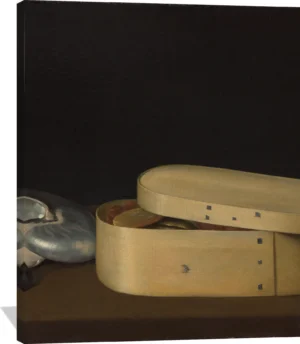
142,00 leiSelect options This product has multiple variants. The options may be chosen on the product pageStill Life with Shells and a Chip-Wood Box
Sebastian StoskopffCanvas from
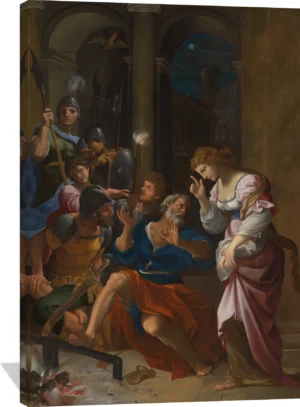
142,00 leiSelect options This product has multiple variants. The options may be chosen on the product pageThe Denial of Saint Peter
Ludovico CarracciCanvas from
222,00 leiSelect options This product has multiple variants. The options may be chosen on the product page
Explore Mammals
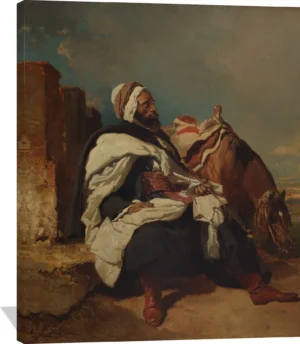
Seated Arab Man with Horse
Alfred DedreuxCanvas from
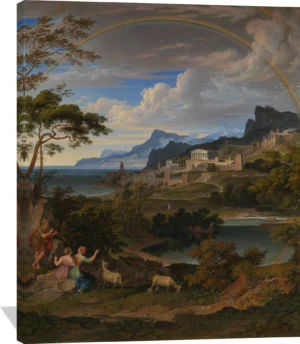
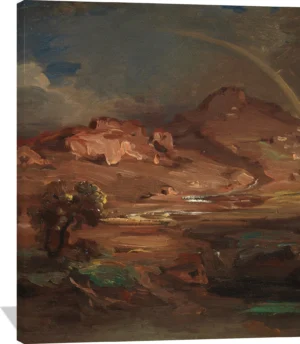
142,00 leiSelect options This product has multiple variants. The options may be chosen on the product pageHeroic Landscape with Rainbow
Joseph Anton KochCanvas from
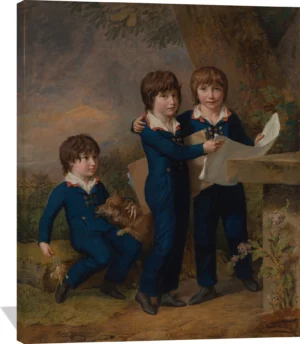
142,00 leiSelect options This product has multiple variants. The options may be chosen on the product pageThe Children of Martin Anton Heckscher: Johann Gustav Wilhelm Moritz (1797–1865), Carl Martin Adolph (1796–1850), and Leopold (born 1792)
Johann Heinrich Wilhelm TischbeinCanvas from
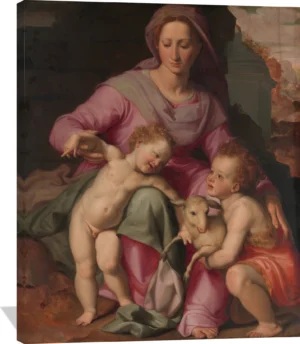
142,00 leiSelect options This product has multiple variants. The options may be chosen on the product pageMadonna and Child with the Infant Saint John the Baptist
Santi di TitoCanvas from
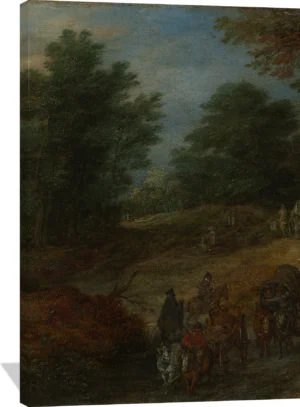
142,00 leiSelect options This product has multiple variants. The options may be chosen on the product pageLandscape with Travelers on a Woodland Path
Jan Brueghel the ElderCanvas from
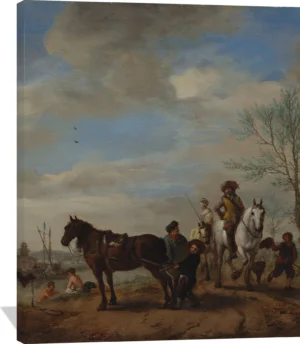
222,00 leiSelect options This product has multiple variants. The options may be chosen on the product pageA Man and a Woman on Horseback
Philips WouwermanCanvas from
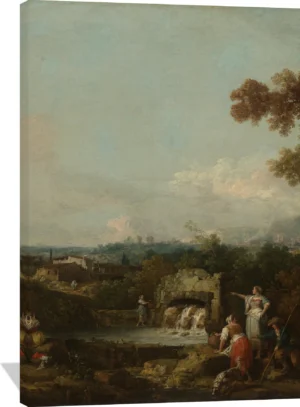
142,00 leiSelect options This product has multiple variants. The options may be chosen on the product pageLandscape with Peasants at a Fountain
Francesco ZuccarelliCanvas from
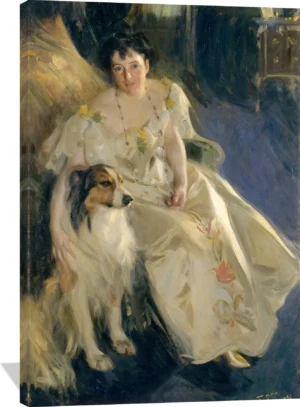
222,00 leiSelect options This product has multiple variants. The options may be chosen on the product pageMrs. Walter Rathbone Bacon (Virginia Purdy Barker, 1862–1919)
Anders ZornCanvas from
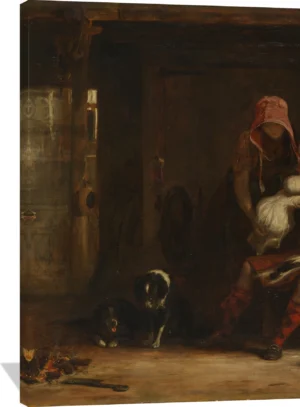
222,00 leiSelect options This product has multiple variants. The options may be chosen on the product pageThe Highland Family
Sir David WilkieCanvas from
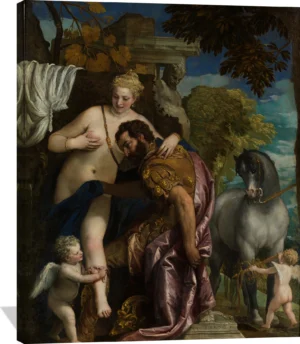
222,00 leiSelect options This product has multiple variants. The options may be chosen on the product pageMars and Venus United by Love
Paolo Veronese (Paolo Caliari)Canvas from
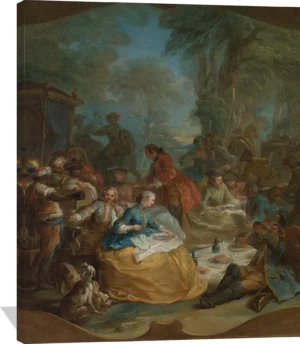
142,00 leiSelect options This product has multiple variants. The options may be chosen on the product pageHalt of the Hunt
Carle (Charles André) VanlooCanvas from
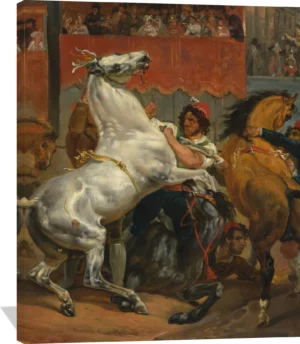
142,00 leiSelect options This product has multiple variants. The options may be chosen on the product pageThe Start of the Race of the Riderless Horses
Horace VernetCanvas from
142,00 leiSelect options This product has multiple variants. The options may be chosen on the product pageAbraham’s Parting from the Family of Lot
Jan VictorsCanvas from
142,00 leiSelect options This product has multiple variants. The options may be chosen on the product pageGoing to Market
Constant TroyonCanvas from
142,00 leiSelect options This product has multiple variants. The options may be chosen on the product pageSaint Margaret of Cortona
Gaspare TraversiCanvas from
147,00 leiSelect options This product has multiple variants. The options may be chosen on the product pageThe Flight into Egypt
Cosmè Tura (Cosimo di Domenico di Bonaventura)Canvas from
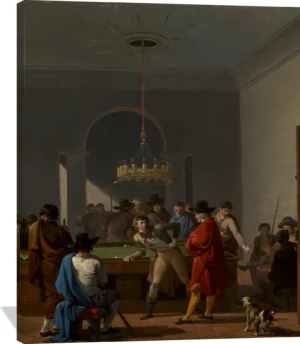
195,00 leiSelect options This product has multiple variants. The options may be chosen on the product pageThe Billiard Room
Nicolas Antoine TaunayCanvas from
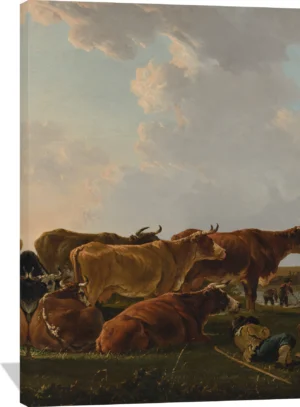
142,00 leiSelect options This product has multiple variants. The options may be chosen on the product pageLandscape with Cattle
Jacob van StrijCanvas from
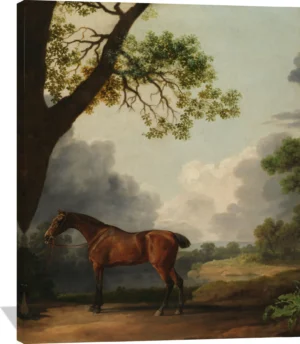
142,00 leiSelect options This product has multiple variants. The options may be chosen on the product pageThe Third Duke of Dorset’s Hunter with a Groom and a Dog
George StubbsCanvas from
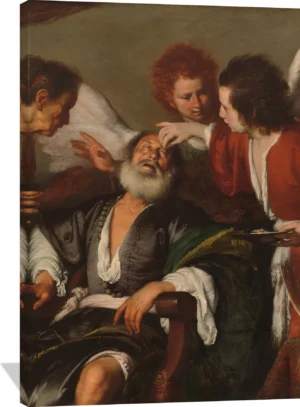
142,00 leiSelect options This product has multiple variants. The options may be chosen on the product pageTobias Curing His Father’s Blindness
Bernardo StrozziCanvas from
222,00 leiSelect options This product has multiple variants. The options may be chosen on the product pagePortrait of a Horseman
James SeymourCanvas from
147,00 leiSelect options This product has multiple variants. The options may be chosen on the product page