Calling the Cows Home
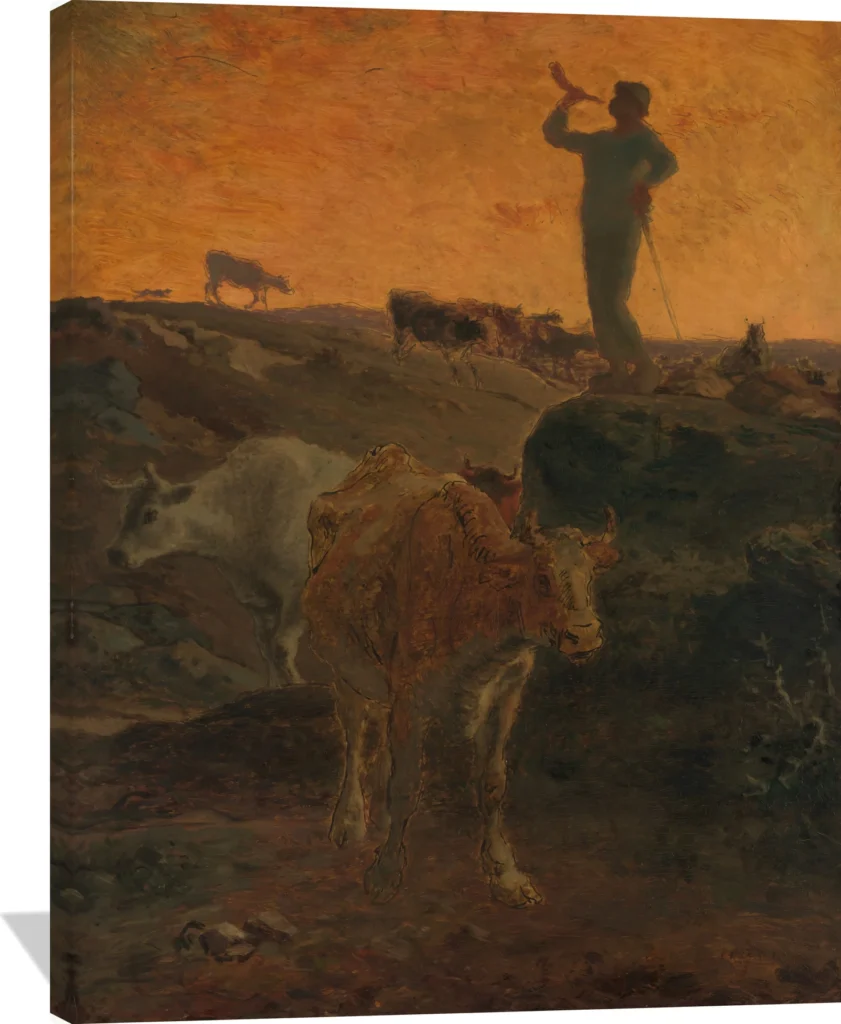
The Jean-François Millet Calling the Cows Home canvas captures a tranquil rural moment bathed in the glow of a golden sunset. Warm amber, earthy brown, and deep green tones blend softly across the pastoral landscape, as a lone figure calls his herd home across the fields. Millet’s masterful brushwork evokes both serenity and reverence for the rhythms of country life.
This timeless wall art brings a sense of calm and reflection to any space. Ideal for a living room, study, or entryway, this canvas print celebrates the quiet beauty of nature and the dignity of everyday work through the poetic realism of one of France’s most beloved painters.
Jean-François Millet (French, Gruchy 1814–1875 Barbizon) was a central figure of the Barbizon School and a defining voice in nineteenth-century French Realism. Renowned for his compassionate portrayals of rural life, Millet elevated the everyday labor of peasants into scenes of quiet dignity and universal resonance.
Artistic Style
Millet’s work is distinguished by its grounded realism, subdued palettes, and powerful sense of atmosphere. His brushwork and compositions emphasize weight, earthiness, and human presence, capturing the harmony between people and the land they cultivate. This approach positioned him as a leading interpreter of rural France during a period of rapid social and industrial change.
Notable Contributions
By focusing on agricultural workers with empathy rather than sentimentality, Millet helped redefine the representation of common life in Western art. His iconic paintings, including The Gleaners and The Angelus, reveal his deep respect for manual labor and the rhythms of nature. These works resonated widely, influencing generations of artists who sought authenticity and humanity in their subjects.
Subjects and Significance
Millet frequently depicted sowers, gleaners, shepherds, and families at work, presenting them with a contemplative gravitas that set him apart from both academic art and romanticized pastoral scenes. His commitment to portraying the rural poor with profound sincerity made him a touchstone for later Realist and early Modernist painters. Today, his art remains celebrated for its emotional depth, technical mastery, and its enduring meditation on labor, landscape, and the human condition.
Trust & policies
- 🚚 Free worldwide shipping
- 🔁 30-day returns (change of mind)
- 🛡️ If damaged/defective/misprinted: free replacement or full refund
- 🌍 Printed in US/CA/EU/UK/AU (based on delivery location)
- 💎 Made to order using acid-free, fade-resistant canvas
- 💎 Solid wood stretcher bars • Pine floating frames
- 🪝 Ready to hang

Mrs. David Chesebrough
Joseph BlackburnCanvas from
32,00 $Select options This product has multiple variants. The options may be chosen on the product pageThe Ring
John White AlexanderCanvas from
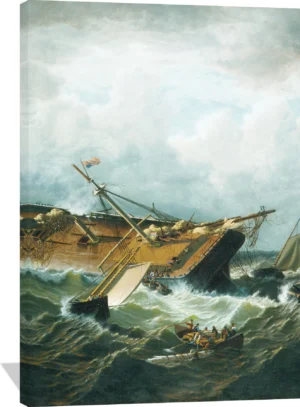
32,00 $Select options This product has multiple variants. The options may be chosen on the product pageShipwreck off Nantucket (Wreck off Nantucket after a Storm)
William BradfordCanvas from
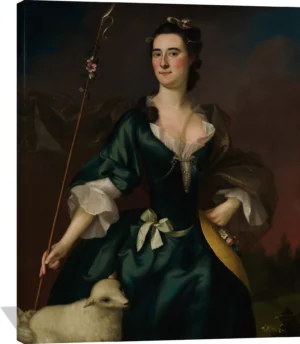
50,00 $Select options This product has multiple variants. The options may be chosen on the product pageMary Sylvester
Joseph BlackburnCanvas from
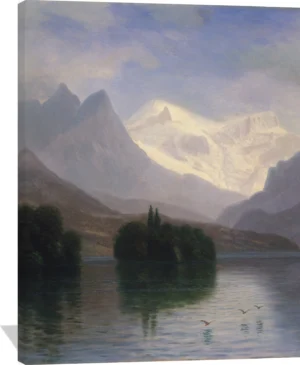
32,00 $Select options This product has multiple variants. The options may be chosen on the product pageMountain Scene
Albert BierstadtCanvas from
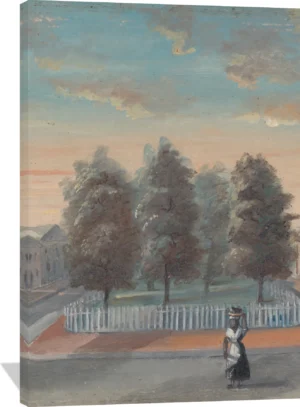
33,00 $Select options This product has multiple variants. The options may be chosen on the product pageBaked Pears in Duane Park
William P. ChappelCanvas from
50,00 $Select options This product has multiple variants. The options may be chosen on the product pageLake of Orta
J. Carroll BeckwithCanvas from
32,00 $Select options This product has multiple variants. The options may be chosen on the product pageJames Badger
Joseph BadgerCanvas from
32,00 $Select options This product has multiple variants. The options may be chosen on the product pageAn Arctic Summer: Boring Through the Pack in Melville Bay
William BradfordCanvas from
50,00 $Select options This product has multiple variants. The options may be chosen on the product pageMrs. Samuel Cutts
Joseph BlackburnCanvas from
32,00 $Select options This product has multiple variants. The options may be chosen on the product pageView at Amalfi, Bay of Salerno
George Loring BrownCanvas from
50,00 $Select options This product has multiple variants. The options may be chosen on the product pageSamuel Cutts
Joseph BlackburnCanvas from
32,00 $Select options This product has multiple variants. The options may be chosen on the product pageIn the Laboratory
Henry AlexanderCanvas from
32,00 $Select options This product has multiple variants. The options may be chosen on the product pageRepose
John White AlexanderCanvas from
32,00 $Select options This product has multiple variants. The options may be chosen on the product pageWalt Whitman
John White AlexanderCanvas from
32,00 $Select options This product has multiple variants. The options may be chosen on the product pageThe Ameya
Robert Frederick BlumCanvas from
32,00 $Select options This product has multiple variants. The options may be chosen on the product pageMrs. Benjamin Simons
Henry BenbridgeCanvas from
32,00 $Select options This product has multiple variants. The options may be chosen on the product pageMerced River, Yosemite Valley
Albert BierstadtCanvas from
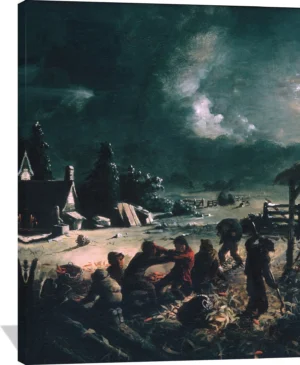
33,00 $Select options This product has multiple variants. The options may be chosen on the product pageCorn Husking
David Gilmour BlytheCanvas from
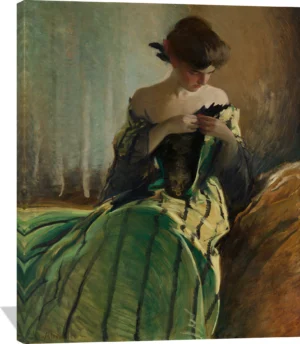
33,00 $Select options This product has multiple variants. The options may be chosen on the product pageStudy in Green and Black
John White AlexanderCanvas from
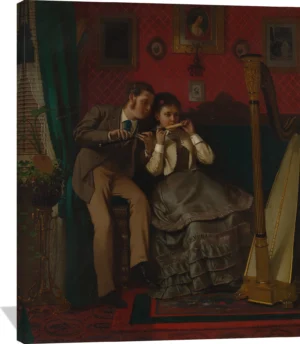
32,00 $Select options This product has multiple variants. The options may be chosen on the product pageThe Music Lesson
John George BrownCanvas from
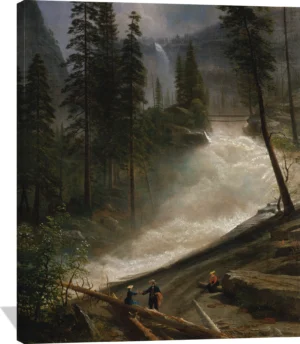
32,00 $Select options This product has multiple variants. The options may be chosen on the product pageNevada Falls, Yosemite
Albert BierstadtCanvas from
32,00 $Select options This product has multiple variants. The options may be chosen on the product page
Explore Jean-François Millet
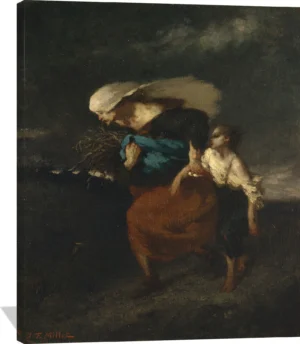
Retreat from the Storm
Jean-François MilletCanvas from
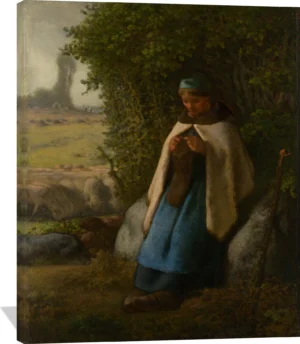
32,00 $Select options This product has multiple variants. The options may be chosen on the product pageShepherdess Seated on a Rock
Jean-François MilletCanvas from
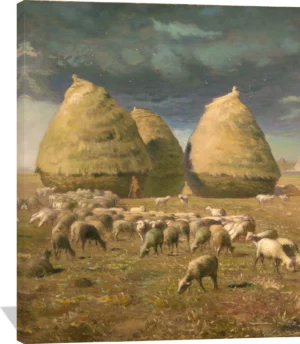
32,00 $Select options This product has multiple variants. The options may be chosen on the product pageHaystacks: Autumn
Jean-François MilletCanvas from
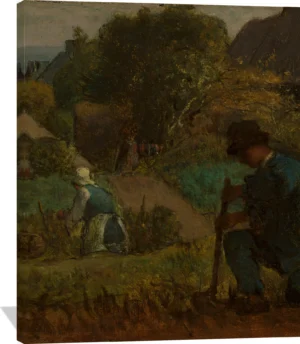
32,00 $Select options This product has multiple variants. The options may be chosen on the product pageGarden Scene
Jean-François MilletCanvas from
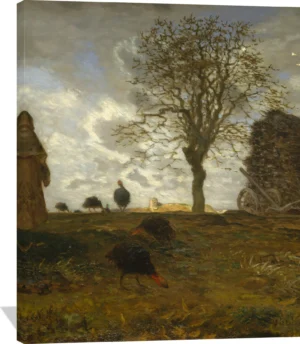
32,00 $Select options This product has multiple variants. The options may be chosen on the product pageAutumn Landscape with a Flock of Turkeys
Jean-François MilletCanvas from
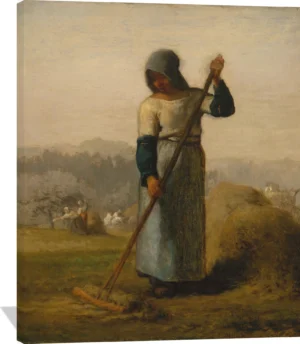
32,00 $Select options This product has multiple variants. The options may be chosen on the product pageWoman with a Rake
Jean-François MilletCanvas from
32,00 $Select options This product has multiple variants. The options may be chosen on the product page
Explore Landscapes
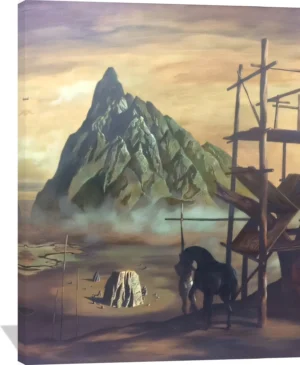
The Black Horse
John AthertonCanvas from
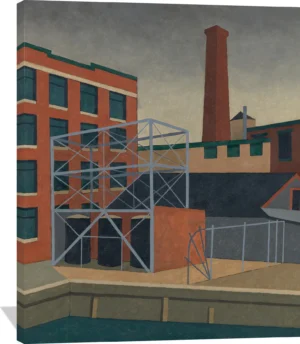
33,00 $Select options This product has multiple variants. The options may be chosen on the product pageWaterfront Mill
Niles SpencerCanvas from
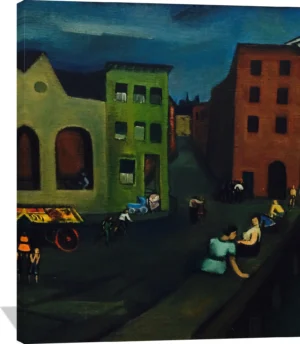
32,00 $Select options This product has multiple variants. The options may be chosen on the product pageDocks on Sunday
Joseph De MartiniCanvas from
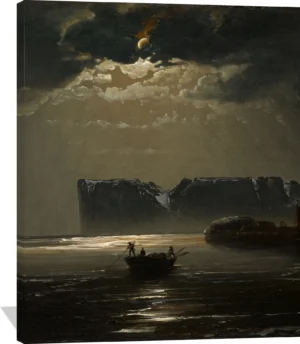
32,00 $Select options This product has multiple variants. The options may be chosen on the product pageThe North Cape by Moonlight
Peder BalkeCanvas from
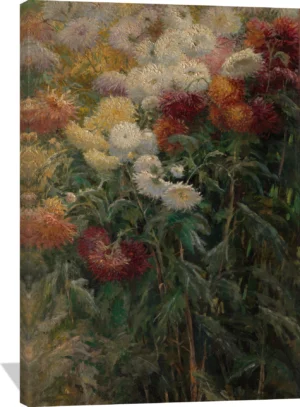
32,00 $Select options This product has multiple variants. The options may be chosen on the product pageChrysanthemums in the Garden at Petit-Gennevilliers
Gustave CaillebotteCanvas from
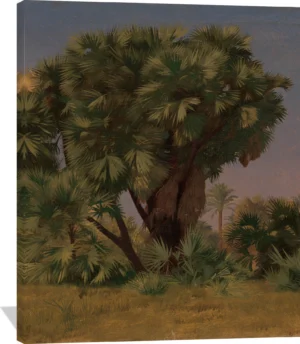
50,00 $Select options This product has multiple variants. The options may be chosen on the product pageStudy of Palm Trees
Jean-Léon GérômeCanvas from
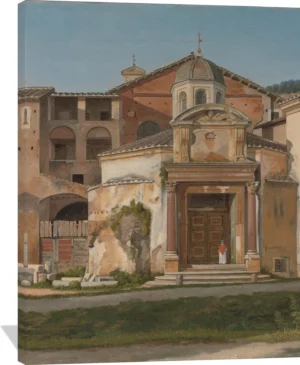
32,00 $Select options This product has multiple variants. The options may be chosen on the product pageA Section of the Via Sacra, Rome (The Church of Saints Cosmas and Damian)
Christoffer Wilhelm EckersbergCanvas from
33,00 $Select options This product has multiple variants. The options may be chosen on the product pageLandscape with Figures
Kenneth Hayes MillerCanvas from
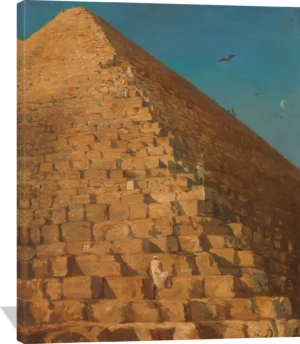
32,00 $Select options This product has multiple variants. The options may be chosen on the product pageThe Great Pyramid, Giza
Adrien DauzatsCanvas from
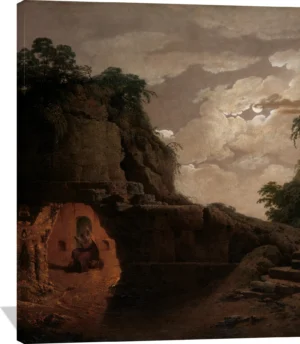
32,00 $Select options This product has multiple variants. The options may be chosen on the product pageVirgil’s Tomb by Moonlight, with Silius Italicus Declaiming
Joseph Wright (Wright of Derby)Canvas from
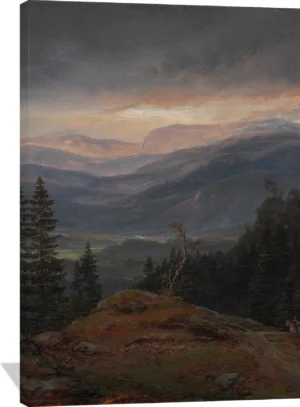
32,00 $Select options This product has multiple variants. The options may be chosen on the product pageView over Hallingdal
Johan Christian DahlCanvas from
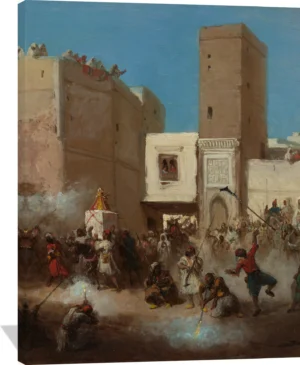
50,00 $Select options This product has multiple variants. The options may be chosen on the product pageWedding Procession
Victor EeckhoutCanvas from
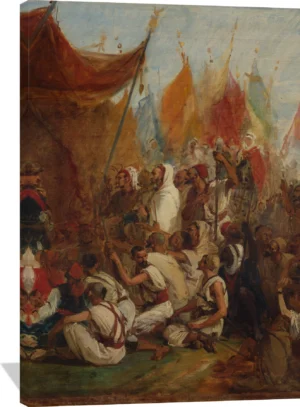
33,00 $Select options This product has multiple variants. The options may be chosen on the product pageSketch for “Reception of Emperor Napoleon III and Empress Eugénie by the Kabyle Leaders at Algiers on September 18, 1860”
Isidore PilsCanvas from
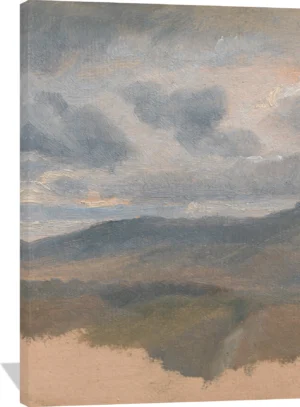
50,00 $Select options This product has multiple variants. The options may be chosen on the product pageLandscape Study with Clouds
Emile LoubonCanvas from
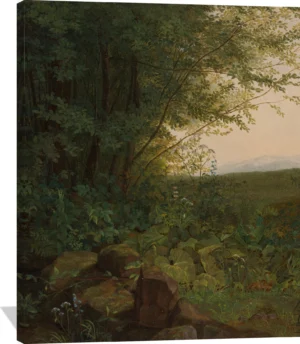
50,00 $Select options This product has multiple variants. The options may be chosen on the product pageAt the Edge of the Forest
August HeinrichCanvas from
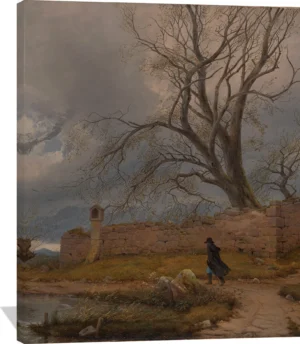
32,00 $Select options This product has multiple variants. The options may be chosen on the product pageWanderer in the Storm
Julius von LeypoldCanvas from
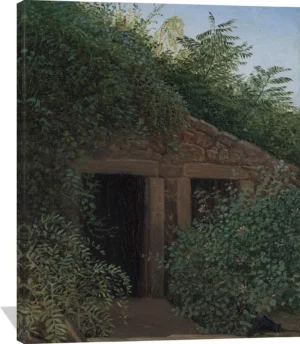
32,00 $Select options This product has multiple variants. The options may be chosen on the product pageAn Overgrown Mineshaft
Carl Gustav CarusCanvas from
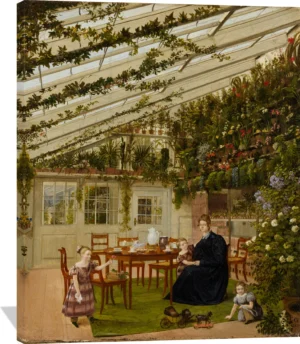
32,00 $Select options This product has multiple variants. The options may be chosen on the product pageThe Family of Mr. Westphal in the Conservatory
Eduard GaertnerCanvas from
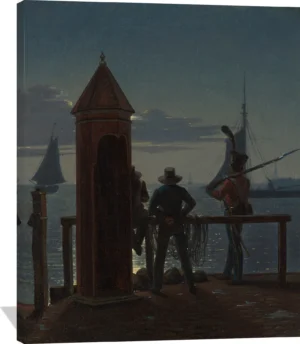
32,00 $Select options This product has multiple variants. The options may be chosen on the product pageView from the Citadel Ramparts in Copenhagen by Moonlight
Martinus RørbyeCanvas from
32,00 $Select options This product has multiple variants. The options may be chosen on the product pageThe Cemetery at Pronoia near Nauplia
Carl RottmannCanvas from
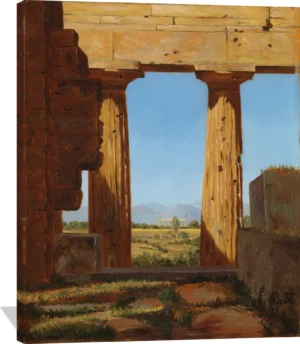
32,00 $Select options This product has multiple variants. The options may be chosen on the product pageColumns of the Temple of Neptune at Paestum
Constantin HansenCanvas from
32,00 $Select options This product has multiple variants. The options may be chosen on the product page
Explore Rustic
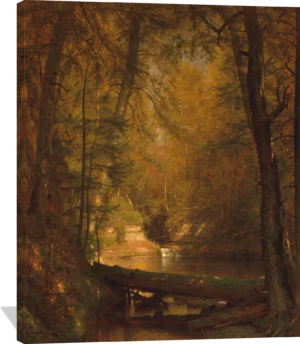
The Trout Pool
Worthington WhittredgeCanvas from
32,00 $Select options This product has multiple variants. The options may be chosen on the product pageEast Hampton Meadows
George Henry SmillieCanvas from
50,00 $Select options This product has multiple variants. The options may be chosen on the product pageRed School House (Country Scene)
George Henry DurrieCanvas from
33,00 $Select options This product has multiple variants. The options may be chosen on the product pageView on the Catskill—Early Autumn
Thomas ColeCanvas from
50,00 $Select options This product has multiple variants. The options may be chosen on the product pageGudvangen
Thomas FearnleyCanvas from
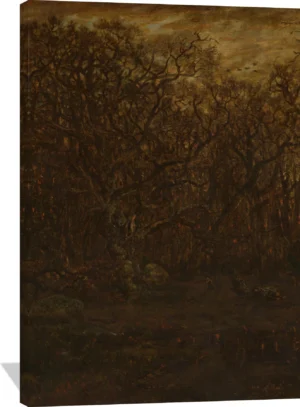
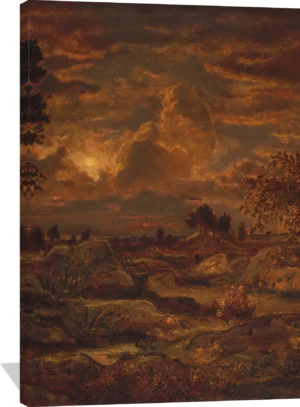
50,00 $Select options This product has multiple variants. The options may be chosen on the product pageThe Forest in Winter at Sunset
Théodore RousseauCanvas from
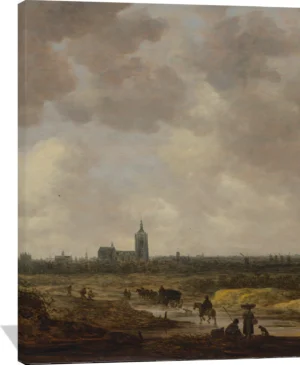
50,00 $Select options This product has multiple variants. The options may be chosen on the product pageA View of The Hague from the Northwest
Jan van GoyenCanvas from
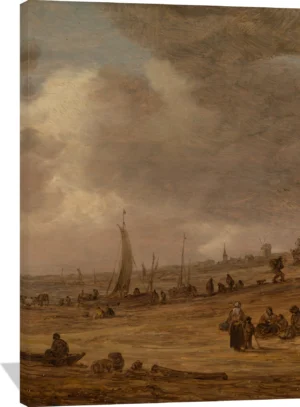
33,00 $Select options This product has multiple variants. The options may be chosen on the product pageA Beach with Fishing Boats
Jan van GoyenCanvas from
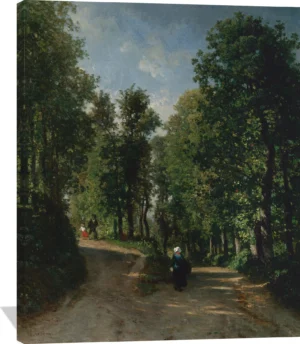
50,00 $Select options This product has multiple variants. The options may be chosen on the product pageRoad in the Woods
Constant TroyonCanvas from
32,00 $Select options This product has multiple variants. The options may be chosen on the product pageA River Landscape
Théodore RousseauCanvas from
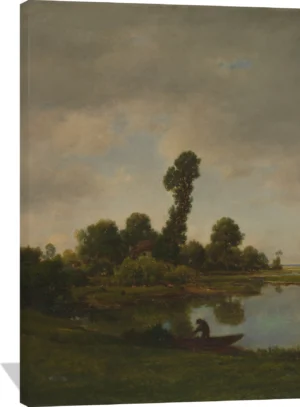
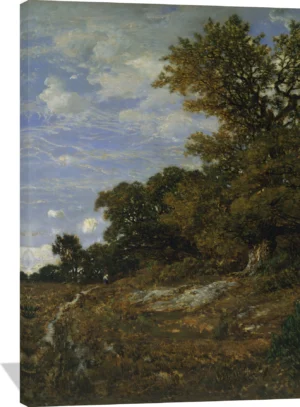
50,00 $Select options This product has multiple variants. The options may be chosen on the product pageThe Edge of the Woods at Monts-Girard, Fontainebleau Forest
Théodore RousseauCanvas from
50,00 $Select options This product has multiple variants. The options may be chosen on the product pageA Meadow Bordered by Trees
Théodore RousseauCanvas from
50,00 $Select options This product has multiple variants. The options may be chosen on the product pageSunset near Arbonne
Théodore RousseauCanvas from
50,00 $Select options This product has multiple variants. The options may be chosen on the product pageAn Early Summer Morning in the Forest of Fontainebleau
Théodore RousseauCanvas from
50,00 $Select options This product has multiple variants. The options may be chosen on the product pageJanuary: Cernay, near Rambouillet
Léon-Germain PelouseCanvas from
32,00 $Select options This product has multiple variants. The options may be chosen on the product pageNear Penshurst, Kent
Patrick NasmythCanvas from
32,00 $Select options This product has multiple variants. The options may be chosen on the product pageThe Old Castle
Emanuel MurantCanvas from
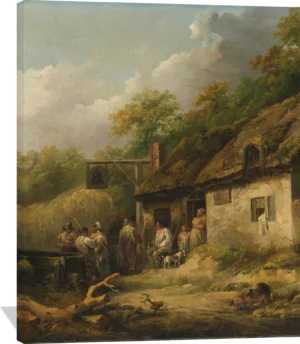
33,00 $Select options This product has multiple variants. The options may be chosen on the product pageThe Bell Inn
George MorlandCanvas from
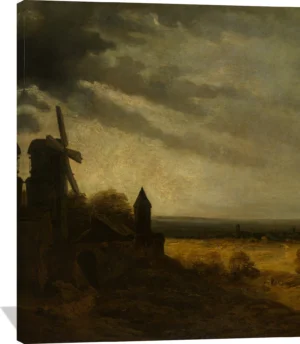
32,00 $Select options This product has multiple variants. The options may be chosen on the product pageThe Mill of Montmartre
Georges MichelCanvas from
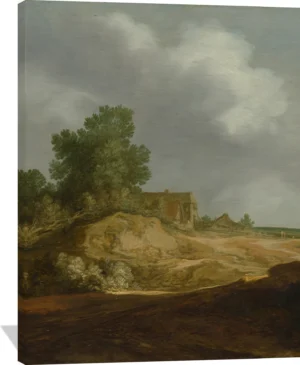
32,00 $Select options This product has multiple variants. The options may be chosen on the product pageLandscape with a Cottage
Pieter de MolijnCanvas from
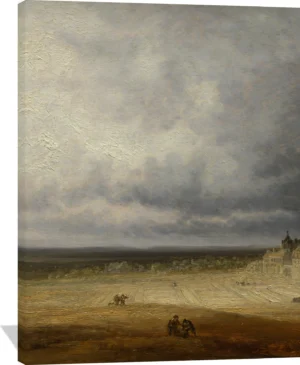
33,00 $Select options This product has multiple variants. The options may be chosen on the product pageLandscape with a Plowed Field and a Village
Georges MichelCanvas from
33,00 $Select options This product has multiple variants. The options may be chosen on the product page
Explore Mammals
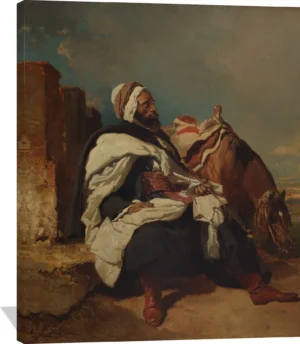
Seated Arab Man with Horse
Alfred DedreuxCanvas from
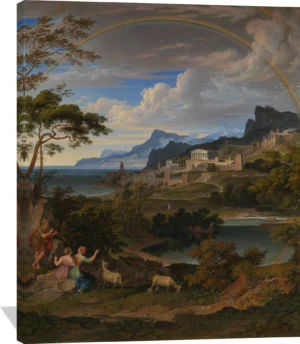
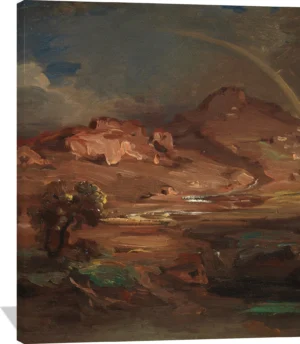
32,00 $Select options This product has multiple variants. The options may be chosen on the product pageHeroic Landscape with Rainbow
Joseph Anton KochCanvas from
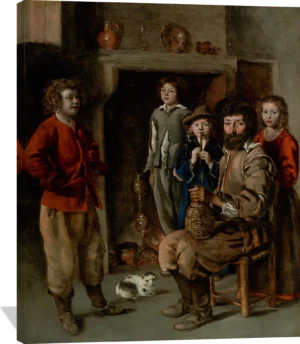
32,00 $Select options This product has multiple variants. The options may be chosen on the product pageA Peasant Family
Antoine Le NainCanvas from
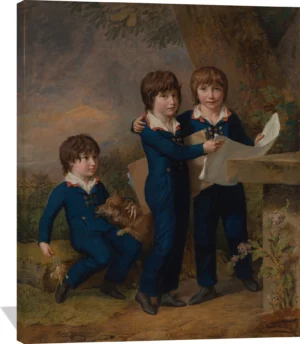
32,00 $Select options This product has multiple variants. The options may be chosen on the product pageThe Children of Martin Anton Heckscher: Johann Gustav Wilhelm Moritz (1797–1865), Carl Martin Adolph (1796–1850), and Leopold (born 1792)
Johann Heinrich Wilhelm TischbeinCanvas from
32,00 $Select options This product has multiple variants. The options may be chosen on the product pageMadonna and Child with the Infant Saint John the Baptist
Santi di TitoCanvas from
32,00 $Select options This product has multiple variants. The options may be chosen on the product pageLandscape with Travelers on a Woodland Path
Jan Brueghel the ElderCanvas from
50,00 $Select options This product has multiple variants. The options may be chosen on the product pageA Man and a Woman on Horseback
Philips WouwermanCanvas from
32,00 $Select options This product has multiple variants. The options may be chosen on the product pageLandscape with Peasants at a Fountain
Francesco ZuccarelliCanvas from
50,00 $Select options This product has multiple variants. The options may be chosen on the product pageMrs. Walter Rathbone Bacon (Virginia Purdy Barker, 1862–1919)
Anders ZornCanvas from
50,00 $Select options This product has multiple variants. The options may be chosen on the product pageThe Highland Family
Sir David WilkieCanvas from
50,00 $Select options This product has multiple variants. The options may be chosen on the product pageMars and Venus United by Love
Paolo Veronese (Paolo Caliari)Canvas from
32,00 $Select options This product has multiple variants. The options may be chosen on the product pageHalt of the Hunt
Carle (Charles André) VanlooCanvas from
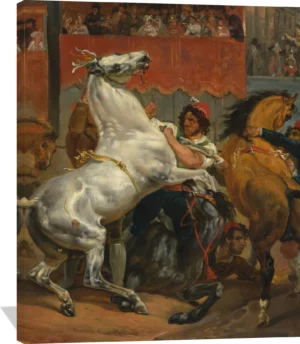
32,00 $Select options This product has multiple variants. The options may be chosen on the product pageThe Start of the Race of the Riderless Horses
Horace VernetCanvas from
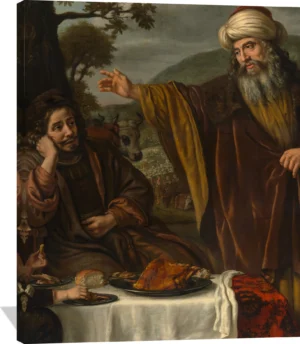
32,00 $Select options This product has multiple variants. The options may be chosen on the product pageAbraham’s Parting from the Family of Lot
Jan VictorsCanvas from
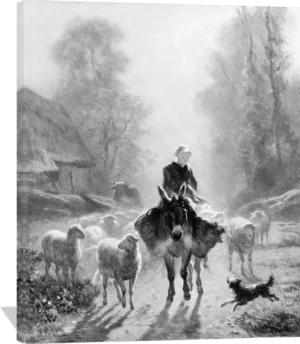
32,00 $Select options This product has multiple variants. The options may be chosen on the product pageGoing to Market
Constant TroyonCanvas from
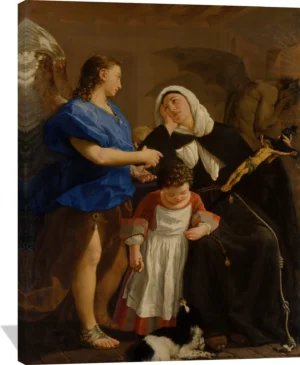
32,00 $Select options This product has multiple variants. The options may be chosen on the product pageSaint Margaret of Cortona
Gaspare TraversiCanvas from
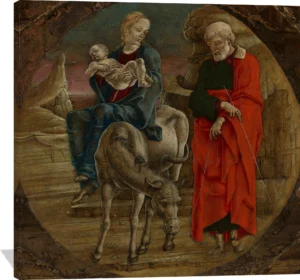
33,00 $Select options This product has multiple variants. The options may be chosen on the product pageThe Flight into Egypt
Cosmè Tura (Cosimo di Domenico di Bonaventura)Canvas from
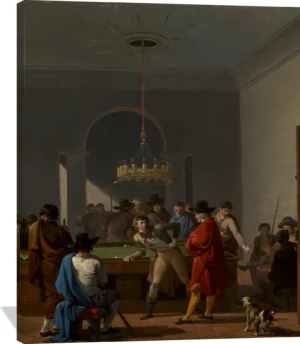
44,00 $Select options This product has multiple variants. The options may be chosen on the product pageThe Billiard Room
Nicolas Antoine TaunayCanvas from
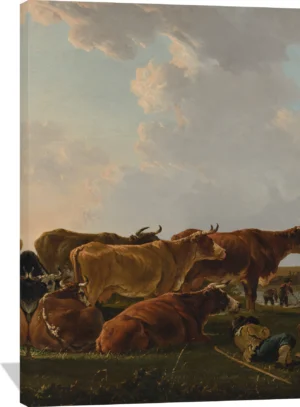
32,00 $Select options This product has multiple variants. The options may be chosen on the product pageLandscape with Cattle
Jacob van StrijCanvas from
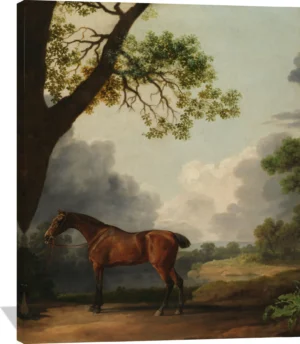
32,00 $Select options This product has multiple variants. The options may be chosen on the product pageThe Third Duke of Dorset’s Hunter with a Groom and a Dog
George StubbsCanvas from
32,00 $Select options This product has multiple variants. The options may be chosen on the product pageTobias Curing His Father’s Blindness
Bernardo StrozziCanvas from
50,00 $Select options This product has multiple variants. The options may be chosen on the product page