Artistic Style
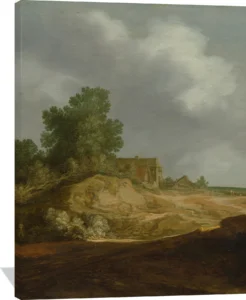
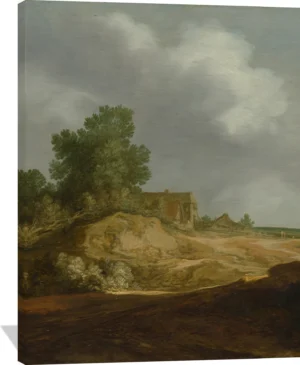
De Molijn is widely associated with the Haarlem school’s move toward naturalistic, atmospheric landscape painting. His works are characterized by balanced compositions, restrained palettes, and subtle gradations of light that impart a harmonious, contemplative mood. Through his mastery of earthy tones and controlled brushwork, he helped advance the shift away from dramatic mannerist conventions toward a more grounded and observational approach.
Subjects and Techniques
He is best known for serene Dutch countryside scenes, including dunes, farmlands, and wooded paths rendered with a keen understanding of spatial depth. De Molijn also produced drawings and prints, demonstrating a versatile command of line and tone. His ability to convey weather, terrain, and gentle atmospheric effects made his landscapes particularly sought after. Many compositions feature understated narrative traces such as travelers on roads or humble rural structures, inviting quiet reflection rather than overt storytelling.
Contributions and Significance
As a prominent figure in Haarlem’s thriving artistic community, de Molijn influenced a generation of landscape painters, including students and contemporaries who adopted elements of his tonal approach. His work represents an important bridge between early Dutch landscape traditions and the mature naturalism that later dominated the Golden Age. De Molijn’s refined sensitivity to environment and mood continues to resonate, offering viewers a window into the rhythms of everyday life in the seventeenth‑century Netherlands.