Washerwomen
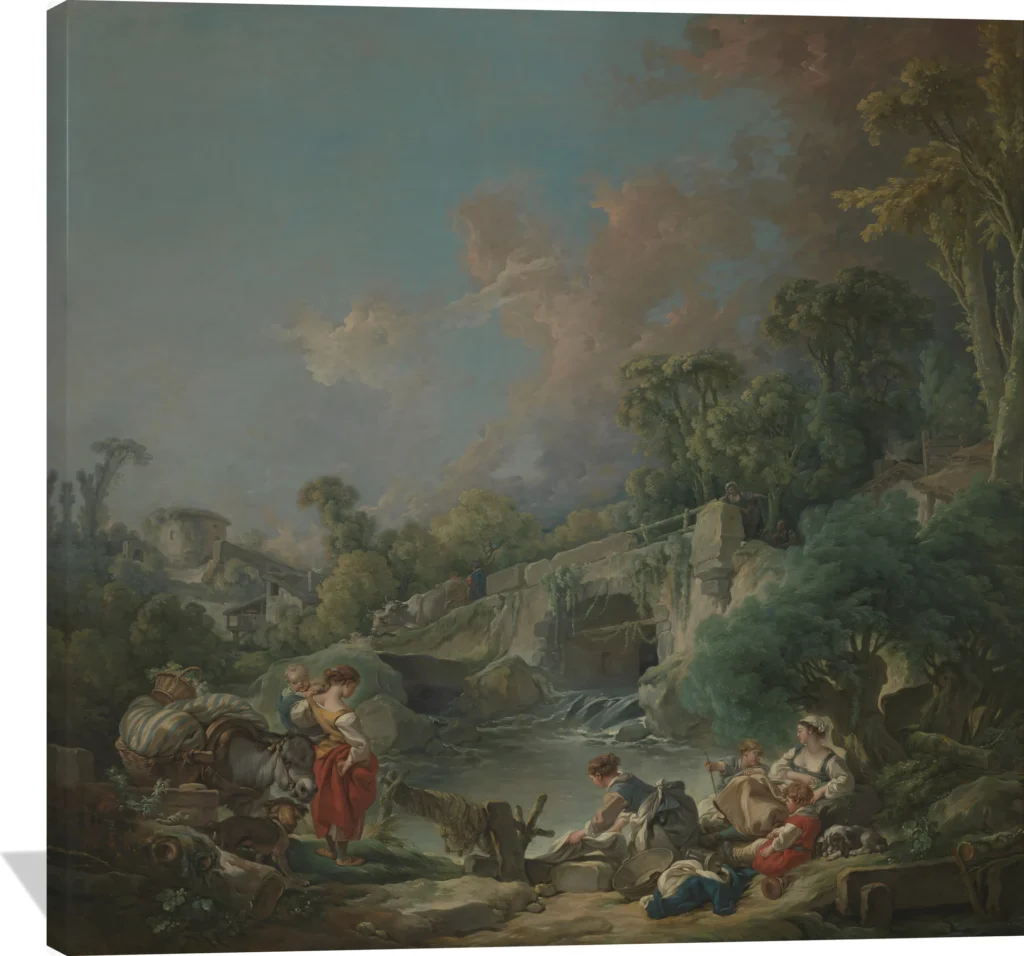
The François Boucher Washerwomen canvas captures the charm of 18th‑century pastoral life with luminous detail and refined elegance. In this tranquil riverside scene, women tend to their daily tasks beneath a vast sky brushed in soft blues, mossy greens, and warm earth tones. Boucher’s masterful composition and delicate light evoke serenity and timeless grace.
This exquisite Washerwomen wall art brings a touch of French Rococo sophistication to any space. Ideal for a living room, study, or entryway, this canvas print invites calm reflection and an appreciation for artful simplicity in everyday moments.
François Boucher (1703–1770), one of the most celebrated painters of eighteenth‑century France, epitomized the elegance and decorative richness of the Rococo movement. Trained in Paris and later appointed First Painter to King Louis XV, he became a defining artistic voice of the French court and a favored collaborator of Madame de Pompadour.
Artistic Style
Boucher’s work is distinguished by its luminous palette, fluid brushwork, and refined sense of theatricality. His compositions often feature soft pastels, sweeping curves, and a sophisticated interplay of light that enhances the dreamlike quality associated with Rococo art. A master of allegory and pastoral fancy, he shaped the visual language of his era with exceptional grace and invention.
Subjects and Contributions
Boucher is best known for his mythological scenes, idyllic shepherd landscapes, and intimate domestic interiors. Works such as The Triumph of Venus reveal his gift for transforming classical themes into sensual, playful visions. His designs extended beyond painting to tapestry, porcelain, and stage settings, making him a central figure in the decorative arts of the period. Through these contributions, he helped define a unified aesthetic across multiple artistic disciplines.
Legacy
Celebrated for his elegant fantasy and innovative Rococo refinement, Boucher influenced generations of artists and left a lasting mark on French cultural history. His paintings remain enduring icons of eighteenth‑century sophistication, valued for their vitality, charm, and exquisite craftsmanship.
Trust & policies
- 🚚 Free worldwide shipping
- 🔁 30-day returns (change of mind)
- 🛡️ If damaged/defective/misprinted: free replacement or full refund
- 🌍 Printed in US/CA/EU/UK/AU (based on delivery location)
- 💎 Made to order using acid-free, fade-resistant canvas
- 💎 Solid wood stretcher bars • Pine floating frames
- 🪝 Ready to hang

Nevada Falls, Yosemite
Albert BierstadtCanvas from
142,00 leiSelect options This product has multiple variants. The options may be chosen on the product pageEleanor Hardy Bunker
Dennis Miller BunkerCanvas from
142,00 leiSelect options This product has multiple variants. The options may be chosen on the product pageMerced River, Yosemite Valley
Albert BierstadtCanvas from
147,00 leiSelect options This product has multiple variants. The options may be chosen on the product pageThe Ring
John White AlexanderCanvas from
142,00 leiSelect options This product has multiple variants. The options may be chosen on the product pageThe Ameya
Robert Frederick BlumCanvas from
142,00 leiSelect options This product has multiple variants. The options may be chosen on the product pageAn Arctic Summer: Boring Through the Pack in Melville Bay
William BradfordCanvas from
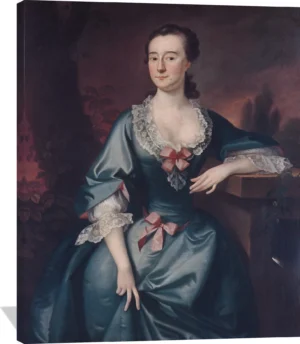
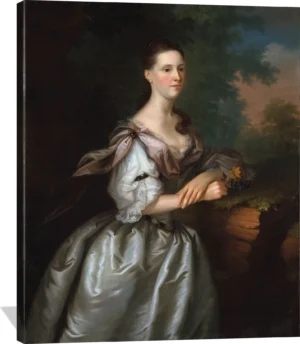
222,00 leiSelect options This product has multiple variants. The options may be chosen on the product pageMrs. David Chesebrough
Joseph BlackburnCanvas from
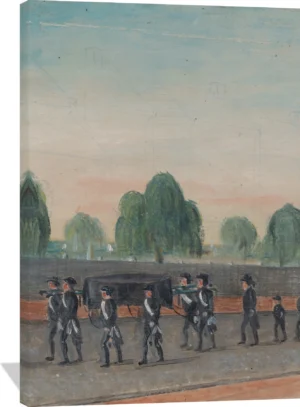
142,00 leiSelect options This product has multiple variants. The options may be chosen on the product pageAdult Funeral Procession
William P. ChappelCanvas from
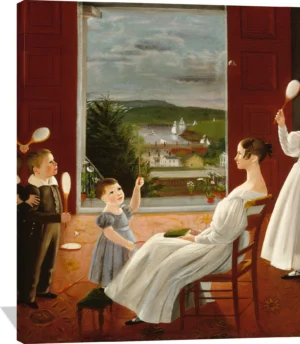
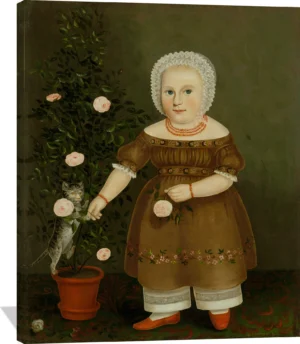
222,00 leiSelect options This product has multiple variants. The options may be chosen on the product pageThe Children of Nathan Starr
Ambrose AndrewsCanvas from
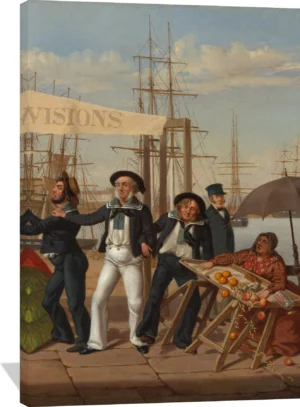
142,00 leiSelect options This product has multiple variants. The options may be chosen on the product pageAfter a Long Cruise
John CarlinCanvas from
222,00 leiSelect options This product has multiple variants. The options may be chosen on the product pageBaked Pears in Duane Park
William P. ChappelCanvas from
222,00 leiSelect options This product has multiple variants. The options may be chosen on the product pageRepose
John White AlexanderCanvas from
142,00 leiSelect options This product has multiple variants. The options may be chosen on the product pageView from the Artist’s Window, Grove Street
Robert Frederick BlumCanvas from
142,00 leiSelect options This product has multiple variants. The options may be chosen on the product pageThe Pipe Dance
Ralph Albert BlakelockCanvas from
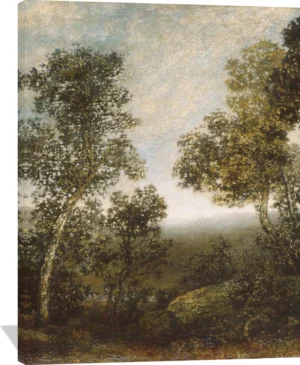
222,00 leiSelect options This product has multiple variants. The options may be chosen on the product pageLandscape
Ralph Albert BlakelockCanvas from
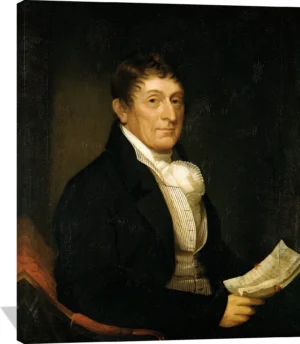
147,00 leiSelect options This product has multiple variants. The options may be chosen on the product pagePhilip Van Cortlandt
Ezra AmesCanvas from
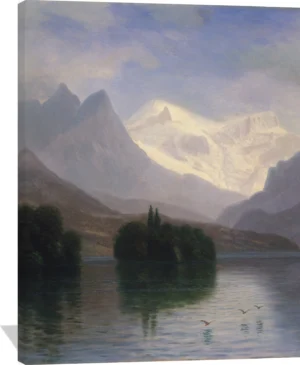
142,00 leiSelect options This product has multiple variants. The options may be chosen on the product pageMountain Scene
Albert BierstadtCanvas from
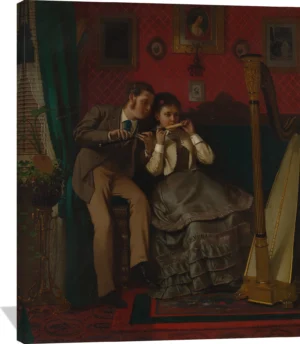
147,00 leiSelect options This product has multiple variants. The options may be chosen on the product pageThe Music Lesson
John George BrownCanvas from
142,00 leiSelect options This product has multiple variants. The options may be chosen on the product pageMrs. Samuel Cutts
Joseph BlackburnCanvas from
142,00 leiSelect options This product has multiple variants. The options may be chosen on the product pageEmma Homan
John BradleyCanvas from
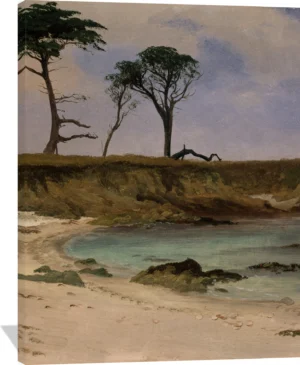
142,00 leiSelect options This product has multiple variants. The options may be chosen on the product pageSea Cove
Albert BierstadtCanvas from
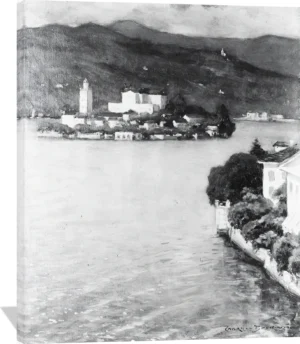
147,00 leiSelect options This product has multiple variants. The options may be chosen on the product pageLake of Orta
J. Carroll BeckwithCanvas from
142,00 leiSelect options This product has multiple variants. The options may be chosen on the product page
Explore François Boucher
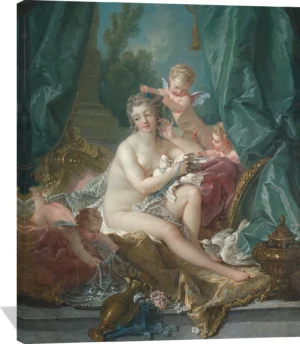
The Toilette of Venus
François BoucherCanvas from
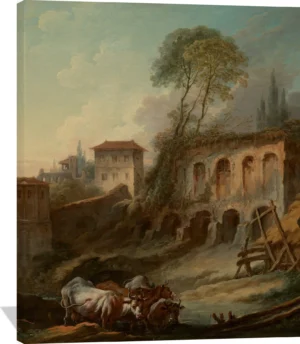
142,00 leiSelect options This product has multiple variants. The options may be chosen on the product pageImaginary Landscape with the Palatine Hill from Campo Vaccino
François BoucherCanvas from
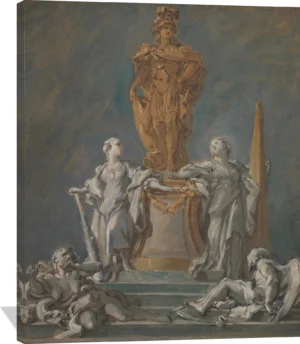
142,00 leiSelect options This product has multiple variants. The options may be chosen on the product pageStudy for a Monument to a Princely Figure
François BoucherCanvas from
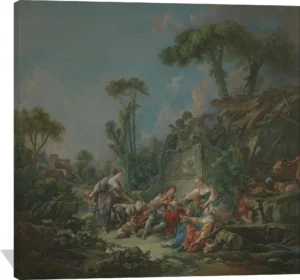
142,00 leiSelect options This product has multiple variants. The options may be chosen on the product pageShepherd’s Idyll
François BoucherCanvas from
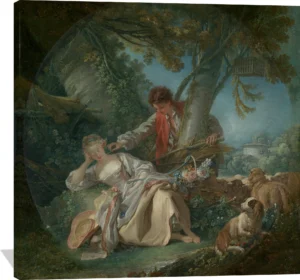
195,00 leiSelect options This product has multiple variants. The options may be chosen on the product pageThe Interrupted Sleep
François BoucherCanvas from
195,00 leiSelect options This product has multiple variants. The options may be chosen on the product pageThe Toilette of Venus
François BoucherCanvas from
142,00 leiSelect options This product has multiple variants. The options may be chosen on the product page
Explore Portraits
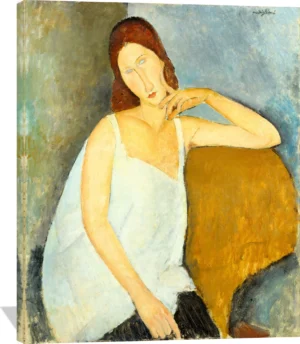
Jeanne Hébuterne
Amedeo ModiglianiCanvas from
142,00 leiSelect options This product has multiple variants. The options may be chosen on the product pageGirl in a Sailor’s Blouse
Amedeo ModiglianiCanvas from
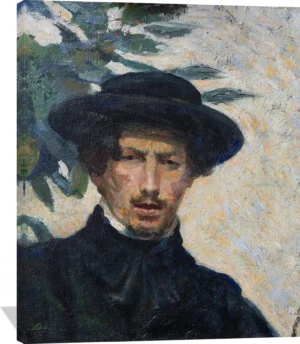
147,00 leiSelect options This product has multiple variants. The options may be chosen on the product pageSelf-Portrait
Umberto BoccioniCanvas from
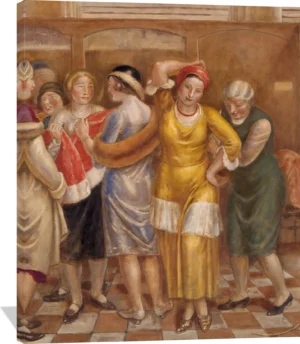
142,00 leiSelect options This product has multiple variants. The options may be chosen on the product pageThe Fitting Room
Kenneth Hayes MillerCanvas from
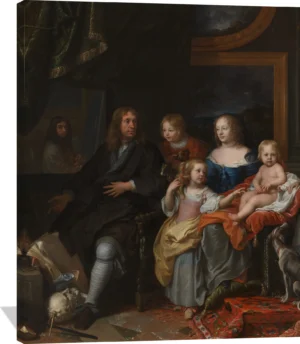
142,00 leiSelect options This product has multiple variants. The options may be chosen on the product pageThe Jabach Family
Charles Le BrunCanvas from
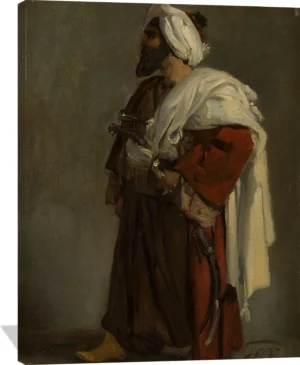
142,00 leiSelect options This product has multiple variants. The options may be chosen on the product pageArab Warrior
Horace VernetCanvas from
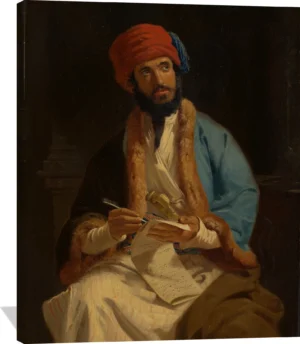
147,00 leiSelect options This product has multiple variants. The options may be chosen on the product pageThe Arab Sage
German PainterCanvas from
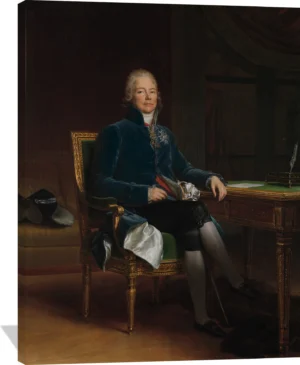
142,00 leiSelect options This product has multiple variants. The options may be chosen on the product pageCharles Maurice de Talleyrand Périgord (1754–1838), Prince de Bénévent
baron François GérardCanvas from
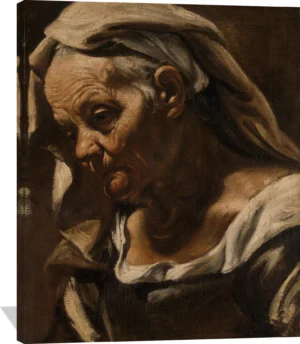
147,00 leiSelect options This product has multiple variants. The options may be chosen on the product pageHead of an Old Woman
Orazio BorgianniCanvas from
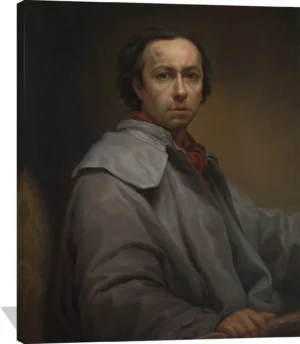
142,00 leiSelect options This product has multiple variants. The options may be chosen on the product pageSelf-Portrait
Anton Raphael MengsCanvas from
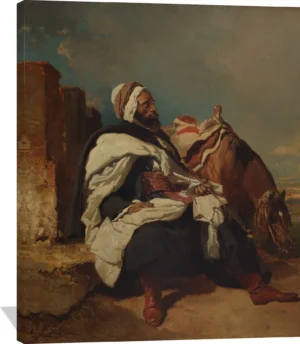
142,00 leiSelect options This product has multiple variants. The options may be chosen on the product pageSeated Arab Man with Horse
Alfred DedreuxCanvas from
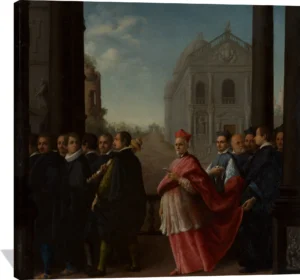
142,00 leiSelect options This product has multiple variants. The options may be chosen on the product pageA Cardinal’s Procession
Ottavio Leoni (Il Padovano)Canvas from
195,00 leiSelect options This product has multiple variants. The options may be chosen on the product pageAn Egyptian in a Doorway
Sir Lawrence Alma-TademaCanvas from
147,00 leiSelect options This product has multiple variants. The options may be chosen on the product pageWestern Gentleman in Oriental Costume
British PainterCanvas from
142,00 leiSelect options This product has multiple variants. The options may be chosen on the product pageA Female Martyr Saint
Carlo Francesco NuvoloneCanvas from
142,00 leiSelect options This product has multiple variants. The options may be chosen on the product pageGirl in a Courtyard, Algiers (formerly Courtyard in Tangier)
Philippe PavyCanvas from
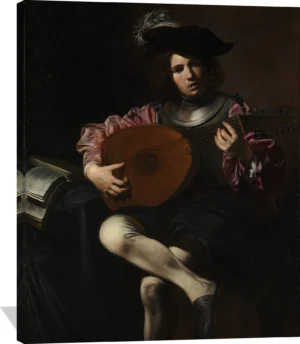
222,00 leiSelect options This product has multiple variants. The options may be chosen on the product pageLute Player
Valentin de BoulogneCanvas from
142,00 leiSelect options This product has multiple variants. The options may be chosen on the product pageThe Opium Smokers
Georges ClairinCanvas from
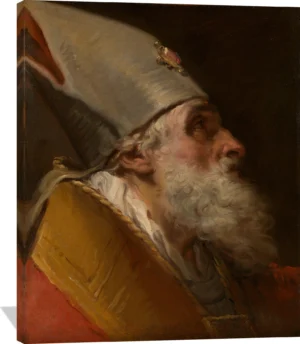
195,00 leiSelect options This product has multiple variants. The options may be chosen on the product pageHead of a Bishop
Gaetano GandolfiCanvas from
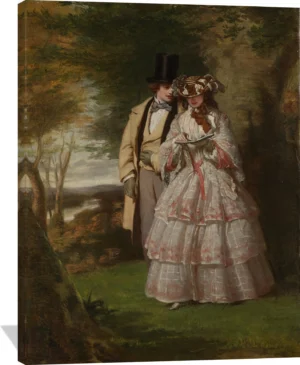
142,00 leiSelect options This product has multiple variants. The options may be chosen on the product pageThe Two Central Figures in “Derby Day”
William Powell FrithCanvas from
147,00 leiSelect options This product has multiple variants. The options may be chosen on the product pageThe Saithwaite Family
Francis WheatleyCanvas from
142,00 leiSelect options This product has multiple variants. The options may be chosen on the product page

Explore Rococo
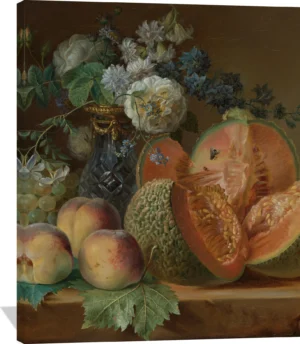
Still Life with a Vase of Flowers, Melon, Peaches, and Grapes
Charlotte Eustache Sophie de Fuligny Damas, marquise de GrollierCanvas from
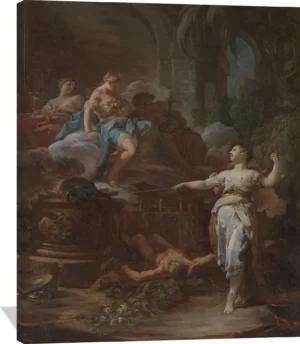
142,00 leiSelect options This product has multiple variants. The options may be chosen on the product pageMedea Rejuvenating Aeson
Corrado GiaquintoCanvas from
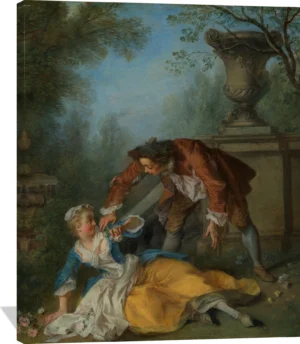
142,00 leiSelect options This product has multiple variants. The options may be chosen on the product pageThe Servant Justified
Nicolas LancretCanvas from
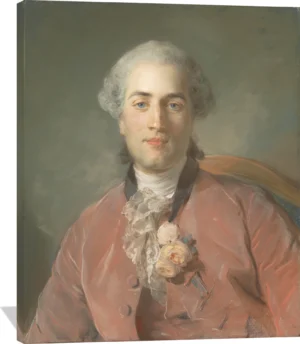
142,00 leiSelect options This product has multiple variants. The options may be chosen on the product pageOlivier Journu (1724–1783)
Jean-Baptiste PerronneauCanvas from
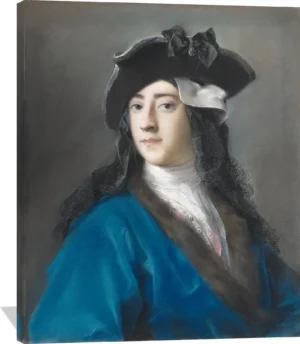
142,00 leiSelect options This product has multiple variants. The options may be chosen on the product pageGustavus Hamilton (1710–1746), Second Viscount Boyne, in Masquerade Costume
Rosalba CarrieraCanvas from
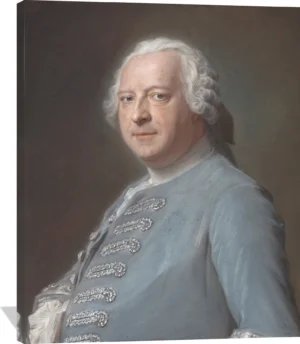
142,00 leiSelect options This product has multiple variants. The options may be chosen on the product pageJean Charles Garnier d’Isle (1697–1755)
Maurice Quentin de La TourCanvas from
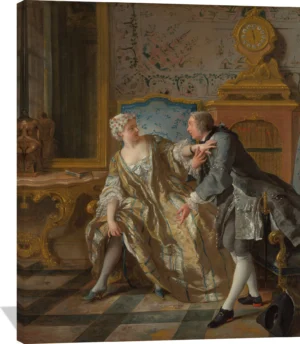
142,00 leiSelect options This product has multiple variants. The options may be chosen on the product pageThe Garter
Jean François de TroyCanvas from
142,00 leiSelect options This product has multiple variants. The options may be chosen on the product pageMezzetin
Antoine WatteauCanvas from
142,00 leiSelect options This product has multiple variants. The options may be chosen on the product pageThe Empress Eugénie (Eugénie de Montijo, 1826–1920, Condesa de Teba)
Franz Xaver WinterhalterCanvas from
142,00 leiSelect options This product has multiple variants. The options may be chosen on the product pageLandscape with Peasants at a Fountain
Francesco ZuccarelliCanvas from
222,00 leiSelect options This product has multiple variants. The options may be chosen on the product pageLake Nemi and Genzano from the Terrace of the Capuchin Monastery
Richard WilsonCanvas from
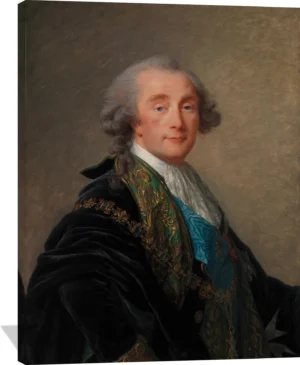
142,00 leiSelect options This product has multiple variants. The options may be chosen on the product pageAlexandre Charles Emmanuel de Crussol-Florensac (1743–1815)
Elisabeth Louise Vigée Le BrunCanvas from
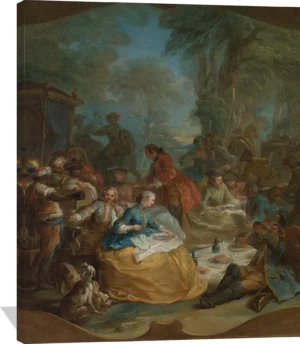
147,00 leiSelect options This product has multiple variants. The options may be chosen on the product pageHalt of the Hunt
Carle (Charles André) VanlooCanvas from
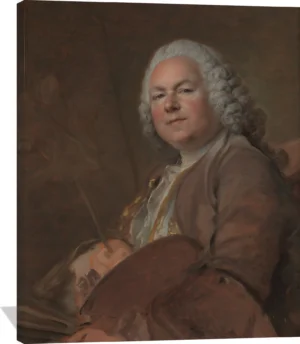
142,00 leiSelect options This product has multiple variants. The options may be chosen on the product pageJean Marc Nattier (1685–1766)
Louis TocquéCanvas from
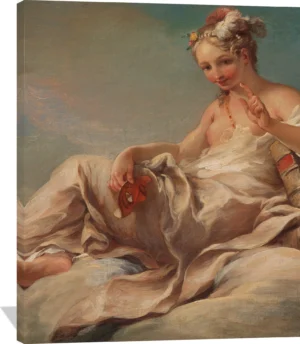
142,00 leiSelect options This product has multiple variants. The options may be chosen on the product pageComedy
Pierre Charles TrémolièresCanvas from
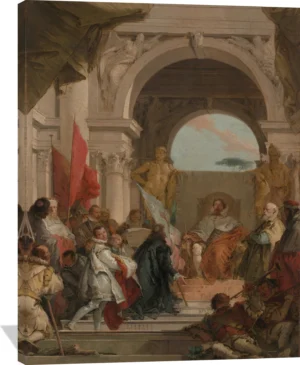
142,00 leiSelect options This product has multiple variants. The options may be chosen on the product pageThe Investiture of Bishop Harold as Duke of Franconia
Giovanni Battista TiepoloCanvas from
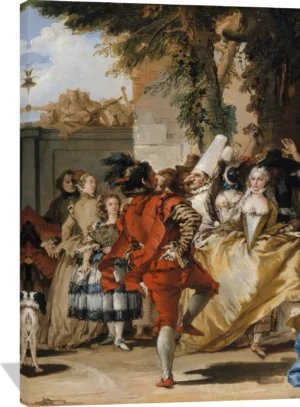
147,00 leiSelect options This product has multiple variants. The options may be chosen on the product pageA Dance in the Country
Giovanni Domenico TiepoloCanvas from
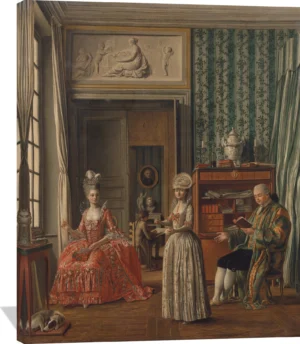
222,00 leiSelect options This product has multiple variants. The options may be chosen on the product pageDomestic Scene
German PainterCanvas from
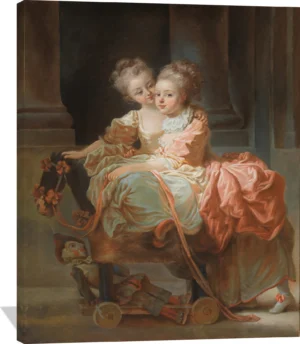
142,00 leiSelect options This product has multiple variants. The options may be chosen on the product pageThe Two Sisters
Jean Claude Richard, Abbé de Saint-NonCanvas from
142,00 leiSelect options This product has multiple variants. The options may be chosen on the product pageThe Bathing Pool
Hubert RobertCanvas from
147,00 leiSelect options This product has multiple variants. The options may be chosen on the product pageEdward Smith Stanley (1752–1834), Twelfth Earl of Derby, Elizabeth, Countess of Derby (Lady Elizabeth Hamilton, 1753–1797), and Their Son (Edward Smith Stanley, 1775–1851)
Angelica KauffmannCanvas from
142,00 leiSelect options This product has multiple variants. The options may be chosen on the product page
Explore Rural Scenes
A Man and a Woman on Horseback
Philips WouwermanCanvas from
142,00 leiSelect options This product has multiple variants. The options may be chosen on the product pageGoing Home
Fritz von UhdeCanvas from
142,00 leiSelect options This product has multiple variants. The options may be chosen on the product pageGoing to Market
Constant TroyonCanvas from
142,00 leiSelect options This product has multiple variants. The options may be chosen on the product pageLandscape with Cattle
Jacob van StrijCanvas from
142,00 leiSelect options This product has multiple variants. The options may be chosen on the product pageThe Third Duke of Dorset’s Hunter with a Groom and a Dog
George StubbsCanvas from
142,00 leiSelect options This product has multiple variants. The options may be chosen on the product pagePeasants Dancing and Feasting
David Teniers the YoungerCanvas from
142,00 leiSelect options This product has multiple variants. The options may be chosen on the product pageLandscape with a Village in the Distance
Jacob van RuisdaelCanvas from
147,00 leiSelect options This product has multiple variants. The options may be chosen on the product pageThe Banks of the Bièvre near Bicêtre
Henri Rousseau (le Douanier)Canvas from
142,00 leiSelect options This product has multiple variants. The options may be chosen on the product pagePreparing for Christmas (Plucking Turkeys)
Francis William EdmondsCanvas from
142,00 leiSelect options This product has multiple variants. The options may be chosen on the product pageOn the Old Sod
William MagrathCanvas from
142,00 leiSelect options This product has multiple variants. The options may be chosen on the product pageCamp Fire
Winslow HomerCanvas from
222,00 leiSelect options This product has multiple variants. The options may be chosen on the product pageRed School House (Country Scene)
George Henry DurrieCanvas from
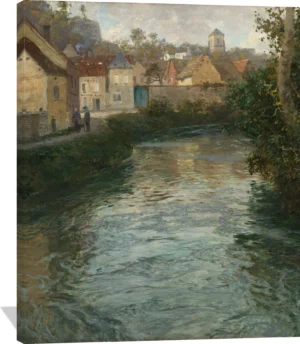
147,00 leiSelect options This product has multiple variants. The options may be chosen on the product pagePicquigny
Frits ThaulowCanvas from
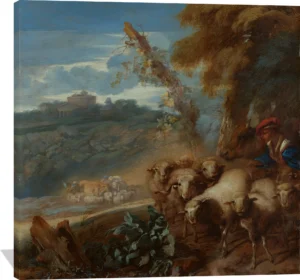
142,00 leiSelect options This product has multiple variants. The options may be chosen on the product pageRoman Landscape with a Shepherd and Sheep
Giovanni Benedetto Castiglione (Il Grechetto)Canvas from
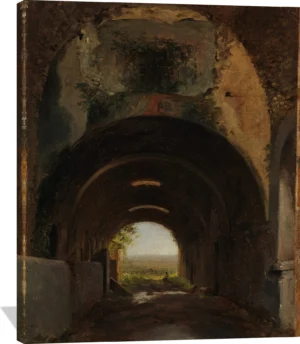
195,00 leiSelect options This product has multiple variants. The options may be chosen on the product pageView in the Stables of the Villa of Maecenas, Tivoli
François Marius GranetCanvas from
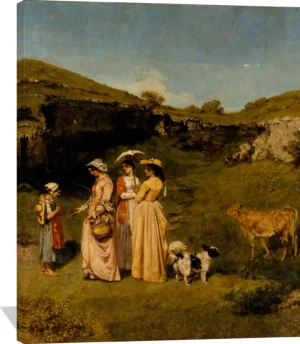
142,00 leiSelect options This product has multiple variants. The options may be chosen on the product pageYoung Ladies of the Village
Gustave CourbetCanvas from
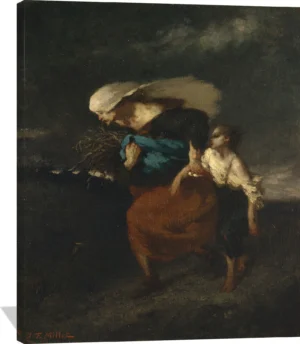
142,00 leiSelect options This product has multiple variants. The options may be chosen on the product pageRetreat from the Storm
Jean-François MilletCanvas from
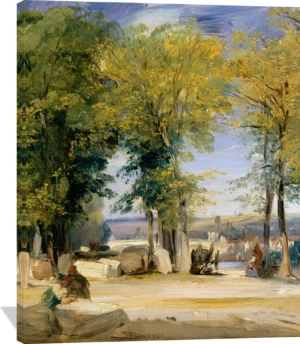
142,00 leiSelect options This product has multiple variants. The options may be chosen on the product pageView near Rouen
Richard Parkes BoningtonCanvas from
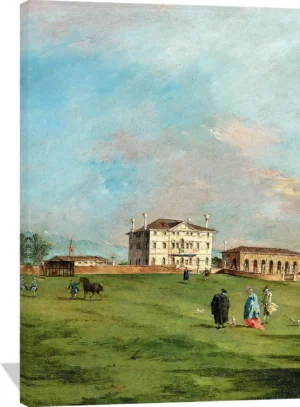
142,00 leiSelect options This product has multiple variants. The options may be chosen on the product pageThe Villa Loredan, Paese
Francesco GuardiCanvas from
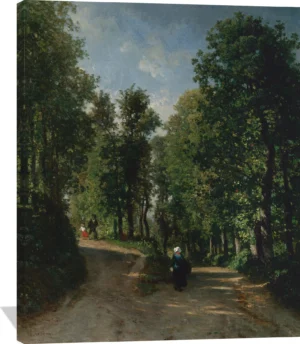
222,00 leiSelect options This product has multiple variants. The options may be chosen on the product pageRoad in the Woods
Constant TroyonCanvas from
142,00 leiSelect options This product has multiple variants. The options may be chosen on the product pageShepherds and Sheep
David Teniers the YoungerCanvas from
142,00 leiSelect options This product has multiple variants. The options may be chosen on the product page