Virgin and Child
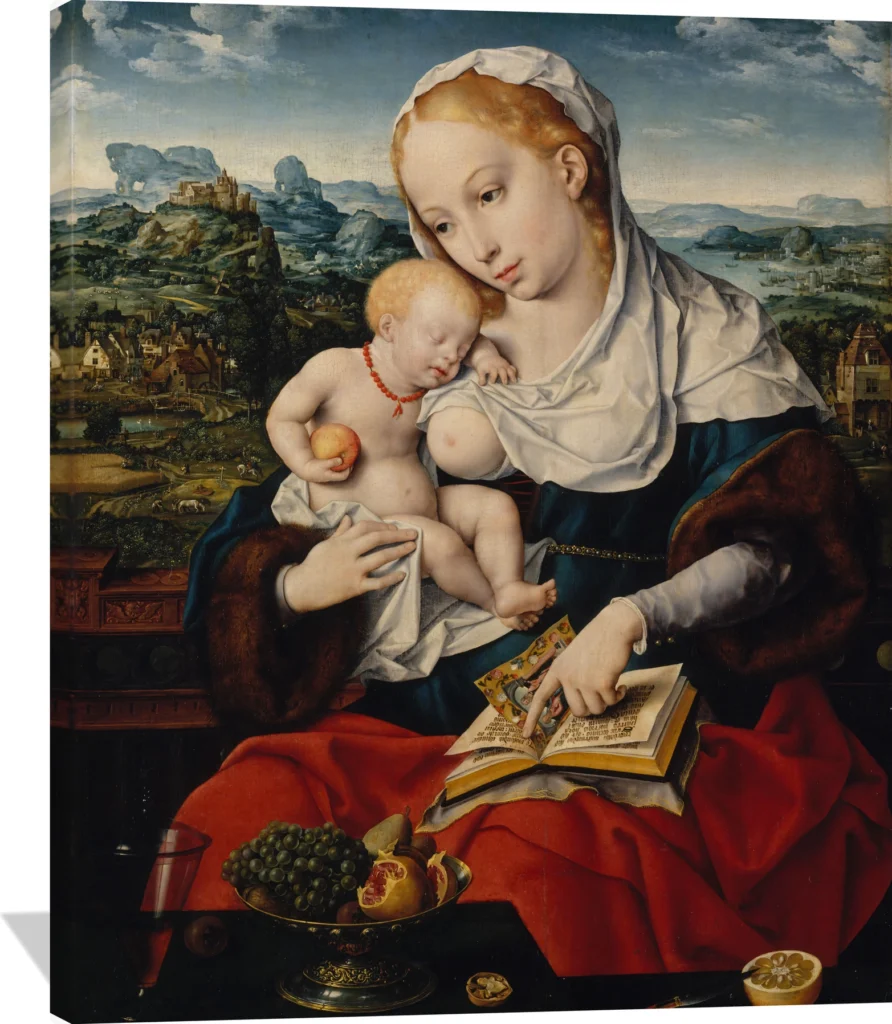
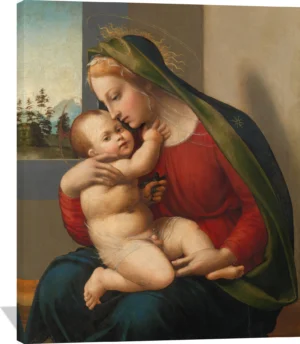
The Joos van Cleve Virgin and Child canvas captures a tender moment of serenity and devotion, rendered with the artist’s signature precision and warmth. Soft golden tones, deep crimson, and rich blues create a luminous harmony that draws the eye to the gentle expressions of mother and child, set against a detailed landscape bathed in tranquil light.
This exquisite canvas print brings Renaissance grace and emotional depth to any space. Ideal for a living room, study, or entryway, it evokes timeless beauty and quiet reflection—an elegant statement piece for those who appreciate classic artistry and spiritual intimacy in their wall art.
Joos van Cleve (ca. 1485–1540/41) was a leading Netherlandish painter whose refined technique and expressive detail made him one of the most sought‑after artists of the early sixteenth century. Active primarily in Antwerp, he became known for blending the precision of Northern Renaissance painting with the emerging softness and compositional harmony of Italian influences.
Artistic Style
Van Cleve mastered luminous color, delicate modeling, and meticulous surface detail, creating works that feel both intimate and richly layered. His paintings often reveal a subtle emotional depth, marked by gentle expressions and sophisticated handling of light. This ability to merge technical finesse with a warm human presence is a defining hallmark of his style.
Subjects and Themes
His oeuvre includes devotional scenes, portraits of nobility, and tender representations of the Virgin and Child. Van Cleve’s religious compositions, including numerous variations of the Madonna and Child, are celebrated for their serene spirituality and richly textured settings. His portraits display remarkable sensitivity, capturing individuality through careful attention to gesture, costume, and physiognomy.
Notable Contributions
As a prominent figure of the Antwerp school, van Cleve helped shape the city’s growing artistic reputation during a period of brisk cultural exchange. He was among the first Netherlandish painters to integrate Italian Renaissance ideas into local tradition, contributing to a more cosmopolitan visual language. His workshop was highly productive, and its influence extended across Northern Europe. His ability to combine Flemish clarity with the softness and balance of Italian design became a signature that inspired many contemporaries.
Cultural Significance
Joos van Cleve stands today as a key representative of early sixteenth‑century Northern art, exemplifying a moment when regional craftsmanship met broader European innovation. His paintings continue to be valued for their technical refinement and their harmonious blend of realism and gentle idealization. Collectors and historians alike regard his work as a vital link between medieval tradition and the evolving aesthetics of the Renaissance.
Trust & policies
- 🚚 Free worldwide shipping
- 🔁 30-day returns (change of mind)
- 🛡️ If damaged/defective/misprinted: free replacement or full refund
- 🌍 Printed in US/CA/EU/UK/AU (based on delivery location)
- 💎 Made to order using acid-free, fade-resistant canvas
- 💎 Solid wood stretcher bars • Pine floating frames
- 🪝 Ready to hang

View at Amalfi, Bay of Salerno
George Loring BrownCanvas from
222,00 leiSelect options This product has multiple variants. The options may be chosen on the product pageBaked Pears in Duane Park
William P. ChappelCanvas from
222,00 leiSelect options This product has multiple variants. The options may be chosen on the product pageSea Cove
Albert BierstadtCanvas from
147,00 leiSelect options This product has multiple variants. The options may be chosen on the product pagePortrait of a Gentleman
Henry BenbridgeCanvas from
142,00 leiSelect options This product has multiple variants. The options may be chosen on the product pageMerced River, Yosemite Valley
Albert BierstadtCanvas from
147,00 leiSelect options This product has multiple variants. The options may be chosen on the product pageEleanor Hardy Bunker
Dennis Miller BunkerCanvas from
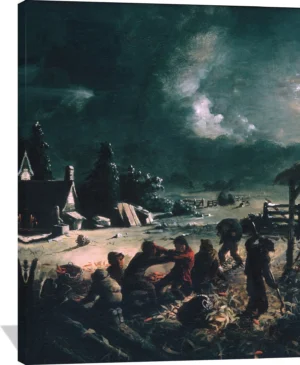
142,00 leiSelect options This product has multiple variants. The options may be chosen on the product pageCorn Husking
David Gilmour BlytheCanvas from
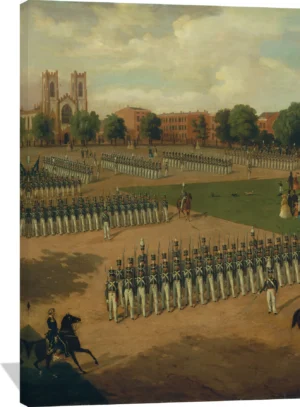
147,00 leiSelect options This product has multiple variants. The options may be chosen on the product pageSeventh Regiment on Review, Washington Square, New York
Otto BoetticherCanvas from
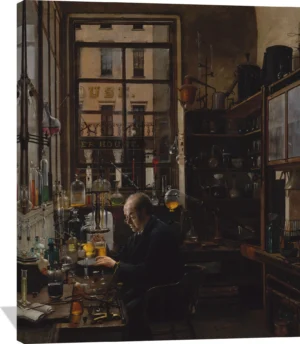
222,00 leiSelect options This product has multiple variants. The options may be chosen on the product pageIn the Laboratory
Henry AlexanderCanvas from
142,00 leiSelect options This product has multiple variants. The options may be chosen on the product pageNevada Falls, Yosemite
Albert BierstadtCanvas from
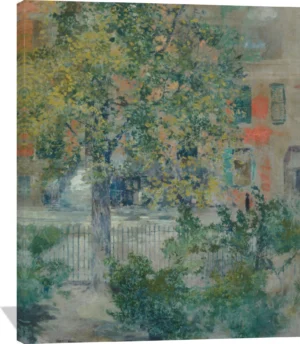
142,00 leiSelect options This product has multiple variants. The options may be chosen on the product pageView from the Artist’s Window, Grove Street
Robert Frederick BlumCanvas from
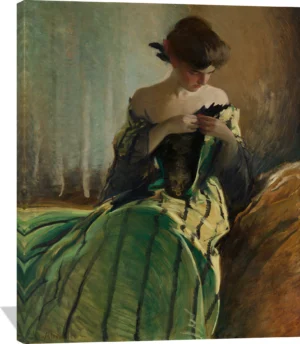
142,00 leiSelect options This product has multiple variants. The options may be chosen on the product pageStudy in Green and Black
John White AlexanderCanvas from
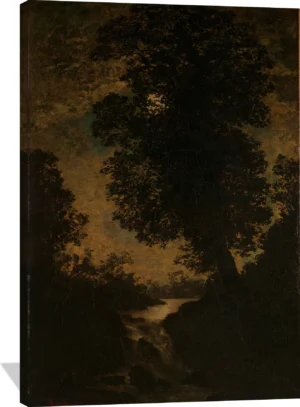
142,00 leiSelect options This product has multiple variants. The options may be chosen on the product pageA Waterfall, Moonlight
Ralph Albert BlakelockCanvas from
222,00 leiSelect options This product has multiple variants. The options may be chosen on the product pageJames Badger
Joseph BadgerCanvas from
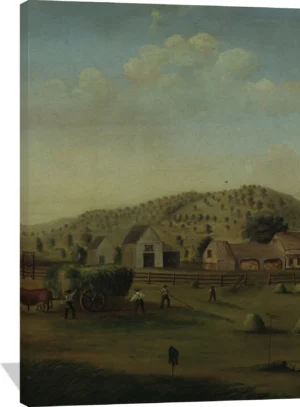
142,00 leiSelect options This product has multiple variants. The options may be chosen on the product pageLeete Farm, West Claremont, New Hampshire
Francis AlexanderCanvas from
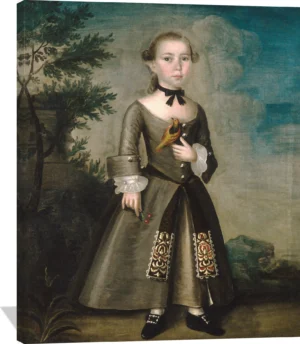
222,00 leiSelect options This product has multiple variants. The options may be chosen on the product pageThe Children of Nathan Starr
Ambrose AndrewsCanvas from
142,00 leiSelect options This product has multiple variants. The options may be chosen on the product pageEmma Homan
John BradleyCanvas from
142,00 leiSelect options This product has multiple variants. The options may be chosen on the product pageJanet Halleck Drake
Henry InmanCanvas from
142,00 leiSelect options This product has multiple variants. The options may be chosen on the product pageJohn F. Kensett
George Augustus Baker Jr.Canvas from
142,00 leiSelect options This product has multiple variants. The options may be chosen on the product pageAn Arctic Summer: Boring Through the Pack in Melville Bay
William BradfordCanvas from
222,00 leiSelect options This product has multiple variants. The options may be chosen on the product pageMrs. David Chesebrough
Joseph BlackburnCanvas from
142,00 leiSelect options This product has multiple variants. The options may be chosen on the product pageAn Indian Encampment
Ralph Albert BlakelockCanvas from
195,00 leiSelect options This product has multiple variants. The options may be chosen on the product page

Explore Joos van Cleve
The Holy Family
Joos van CleveCanvas from
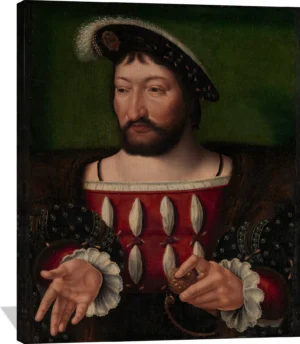
147,00 leiSelect options This product has multiple variants. The options may be chosen on the product pageFrancis I (1494–1547), King of France
Joos van CleveCanvas from
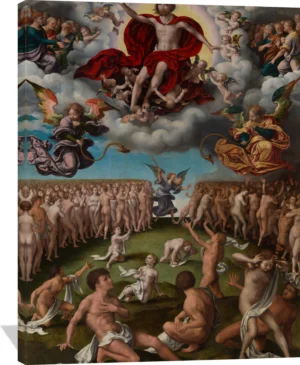
142,00 leiSelect options This product has multiple variants. The options may be chosen on the product pageThe Last Judgment
Joos van CleveCanvas from
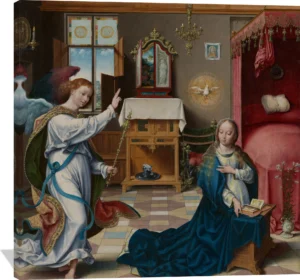
147,00 leiSelect options This product has multiple variants. The options may be chosen on the product pageThe Annunciation
Joos van CleveCanvas from
195,00 leiSelect options This product has multiple variants. The options may be chosen on the product pageThe Holy Family
Joos van CleveCanvas from
147,00 leiSelect options This product has multiple variants. The options may be chosen on the product pageFrancis I (1494–1547), King of France
Joos van CleveCanvas from
142,00 leiSelect options This product has multiple variants. The options may be chosen on the product page
Explore Historical Figures
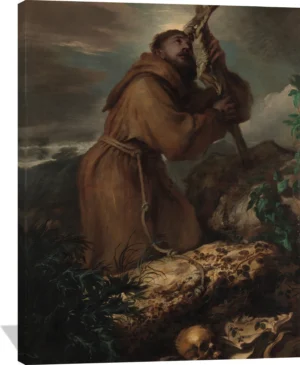
Saint Francis in Ecstasy
Giovanni Benedetto Castiglione (Il Grechetto)Canvas from
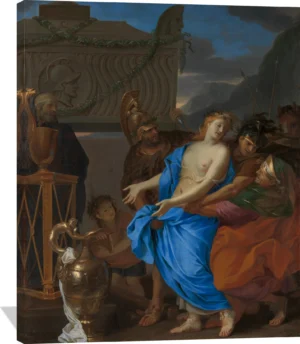
147,00 leiSelect options This product has multiple variants. The options may be chosen on the product pageThe Sacrifice of Polyxena
Charles Le BrunCanvas from
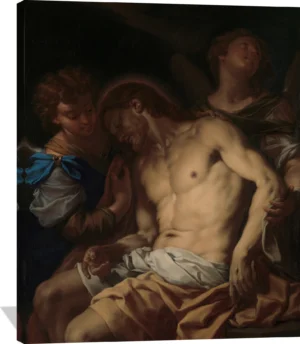
142,00 leiSelect options This product has multiple variants. The options may be chosen on the product pageDead Christ Supported by Angels
Francesco TrevisaniCanvas from
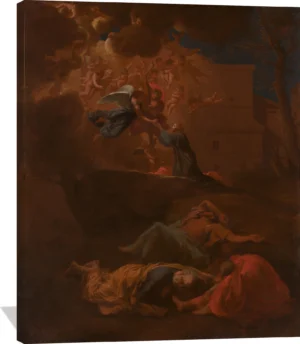
142,00 leiSelect options This product has multiple variants. The options may be chosen on the product pageThe Agony in the Garden
Nicolas PoussinCanvas from
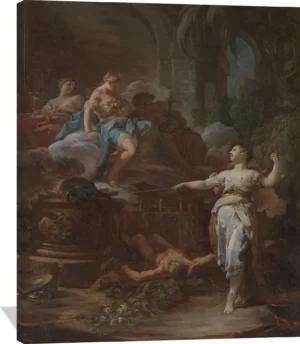
142,00 leiSelect options This product has multiple variants. The options may be chosen on the product pageMedea Rejuvenating Aeson
Corrado GiaquintoCanvas from
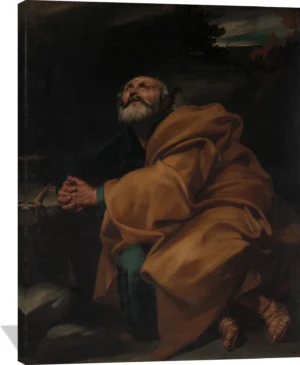
142,00 leiSelect options This product has multiple variants. The options may be chosen on the product pageThe Tears of Saint Peter
Jusepe de Ribera (called Lo Spagnoletto)Canvas from
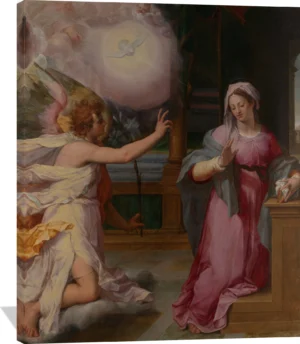
147,00 leiSelect options This product has multiple variants. The options may be chosen on the product pageThe Annunciation
Peter Candid (Pieter de Witte, Pietro Candido)Canvas from
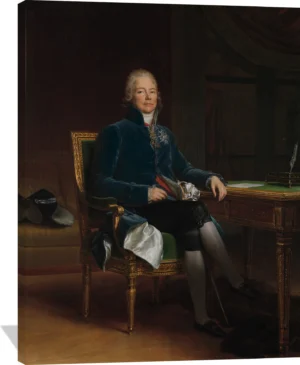
142,00 leiSelect options This product has multiple variants. The options may be chosen on the product pageCharles Maurice de Talleyrand Périgord (1754–1838), Prince de Bénévent
baron François GérardCanvas from
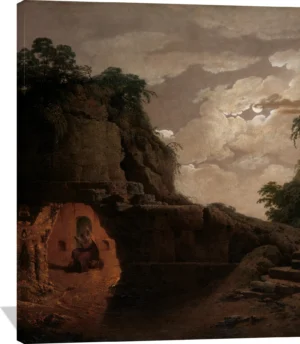
147,00 leiSelect options This product has multiple variants. The options may be chosen on the product pageVirgil’s Tomb by Moonlight, with Silius Italicus Declaiming
Joseph Wright (Wright of Derby)Canvas from
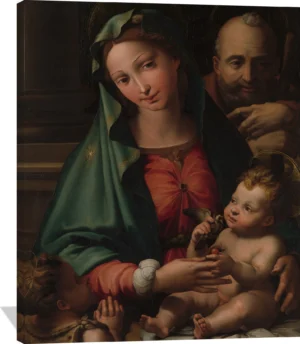
142,00 leiSelect options This product has multiple variants. The options may be chosen on the product pageThe Holy Family with the Infant Saint John the Baptist
Perino del Vaga (Pietro Buonaccorsi)Canvas from
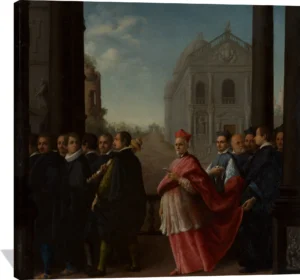
142,00 leiSelect options This product has multiple variants. The options may be chosen on the product pageA Cardinal’s Procession
Ottavio Leoni (Il Padovano)Canvas from
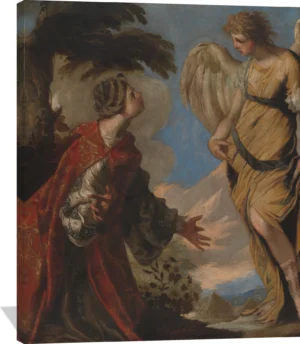
195,00 leiSelect options This product has multiple variants. The options may be chosen on the product pageHagar and the Angel
Francesco MaffeiCanvas from
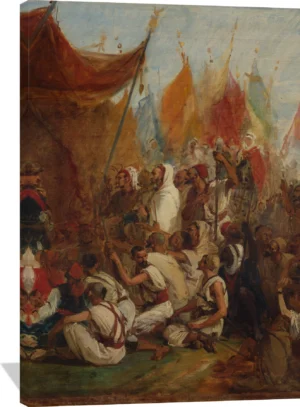
142,00 leiSelect options This product has multiple variants. The options may be chosen on the product pageSketch for “Reception of Emperor Napoleon III and Empress Eugénie by the Kabyle Leaders at Algiers on September 18, 1860”
Isidore PilsCanvas from
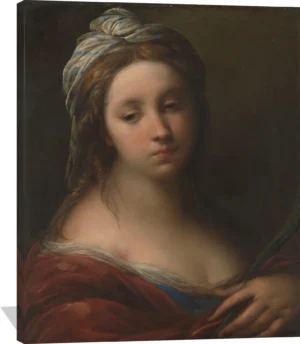
222,00 leiSelect options This product has multiple variants. The options may be chosen on the product pageA Female Martyr Saint
Carlo Francesco NuvoloneCanvas from
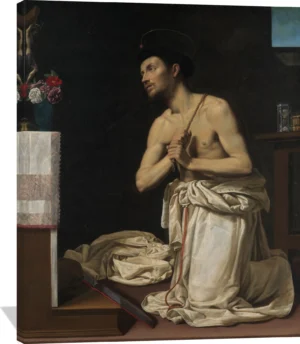
142,00 leiSelect options This product has multiple variants. The options may be chosen on the product pageSaint Dominic in Penitence
Filippo TarchianiCanvas from
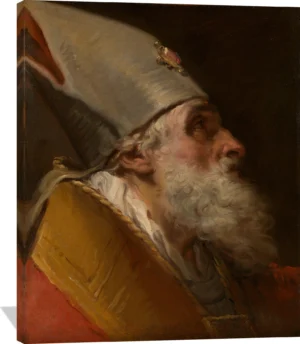
142,00 leiSelect options This product has multiple variants. The options may be chosen on the product pageHead of a Bishop
Gaetano GandolfiCanvas from
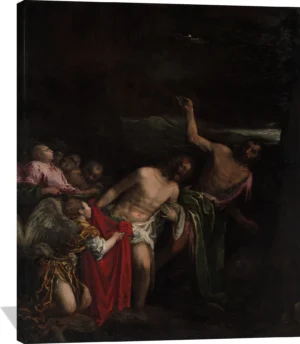
142,00 leiSelect options This product has multiple variants. The options may be chosen on the product pageThe Baptism of Christ
Jacopo Bassano (Jacopo da Ponte)Canvas from
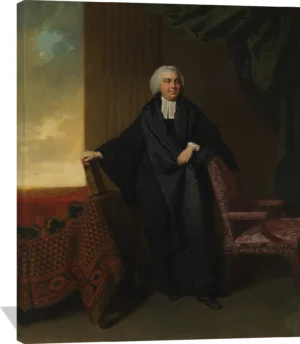
142,00 leiSelect options This product has multiple variants. The options may be chosen on the product pageThe Reverend Philip Cocks (1735–1797)
Johan Joseph ZoffanyCanvas from
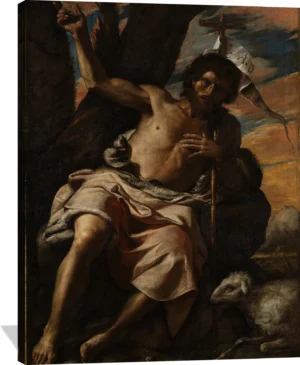
142,00 leiSelect options This product has multiple variants. The options may be chosen on the product pageSaint John the Baptist Preaching
Mattia Preti (Il Cavalier Calabrese)Canvas from
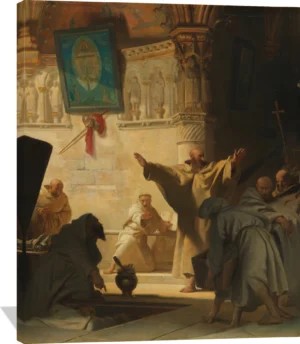
147,00 leiSelect options This product has multiple variants. The options may be chosen on the product pageDramatic Scene with Monks in a Crypt
Alexandre Evariste FragonardCanvas from
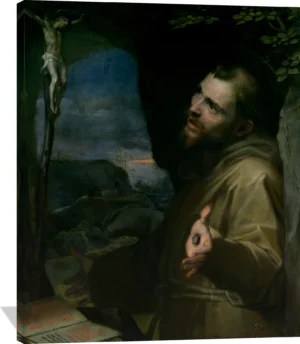
142,00 leiSelect options This product has multiple variants. The options may be chosen on the product pageSaint Francis
Federico BarocciCanvas from
142,00 leiSelect options This product has multiple variants. The options may be chosen on the product page
Explore Intricate
A Bedroom in Bernstorff Palace near Copenhagen
Johan Vilhelm GertnerCanvas from
142,00 leiSelect options This product has multiple variants. The options may be chosen on the product pageInterior of the Oude Kerk, Delft
Emanuel de WitteCanvas from
147,00 leiSelect options This product has multiple variants. The options may be chosen on the product pageInterior of the Oude Kerk, Delft
Hendrick van VlietCanvas from
142,00 leiSelect options This product has multiple variants. The options may be chosen on the product pageThe Flight into Egypt
Cosmè Tura (Cosimo di Domenico di Bonaventura)Canvas from
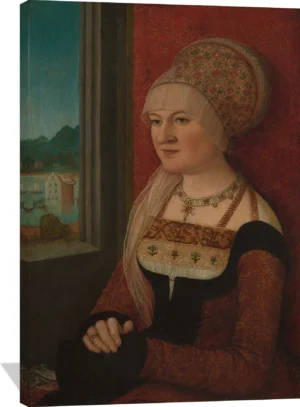
195,00 leiSelect options This product has multiple variants. The options may be chosen on the product pagePortrait of a Woman
Bernhard StrigelCanvas from
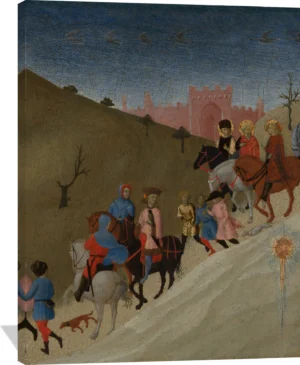
222,00 leiSelect options This product has multiple variants. The options may be chosen on the product pageThe Journey of the Magi
Sassetta (Stefano di Giovanni)Canvas from
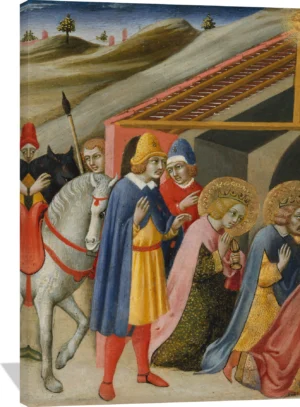
147,00 leiSelect options This product has multiple variants. The options may be chosen on the product pageThe Adoration of the Magi
Sano di Pietro (Ansano di Pietro di Mencio)Canvas from
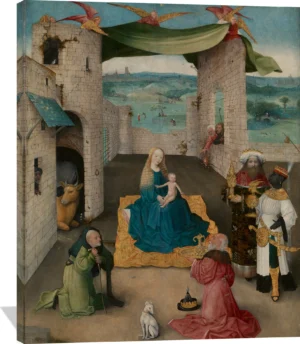
222,00 leiSelect options This product has multiple variants. The options may be chosen on the product pageThe Adoration of the Magi
Hieronymus BoschCanvas from
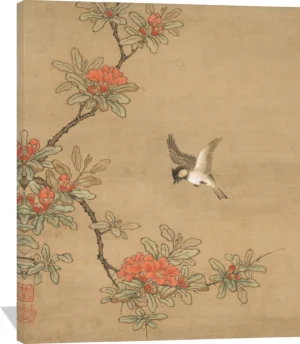
142,00 leiSelect options This product has multiple variants. The options may be chosen on the product pageTitmouse with Pomegranate Flowers
Kano Yukinobu 狩野之信Canvas from
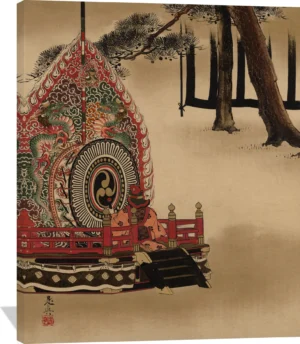
142,00 leiSelect options This product has multiple variants. The options may be chosen on the product pageLacquer Paintings of Various Subjects: Drum for Gagaku Dance
Shibata ZeshinCanvas from
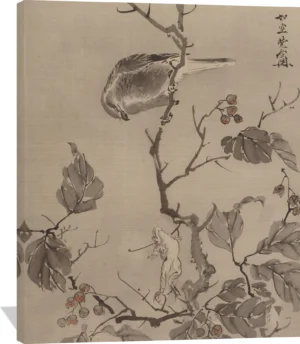
142,00 leiSelect options This product has multiple variants. The options may be chosen on the product pageBird and Frog
Kawanabe Kyōsai 河鍋暁斎Canvas from
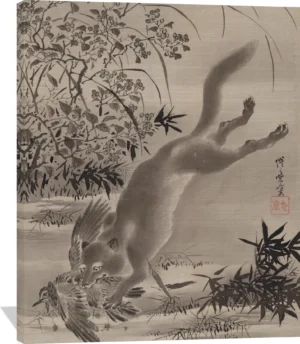
142,00 leiSelect options This product has multiple variants. The options may be chosen on the product pageFox Catching Bird
Kawanabe Kyōsai 河鍋暁斎Canvas from
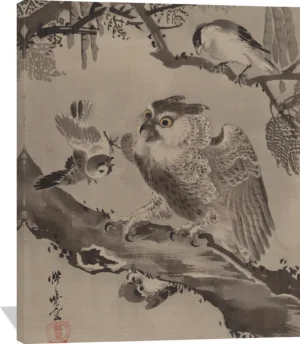
142,00 leiSelect options This product has multiple variants. The options may be chosen on the product pageOwl Mocked by Small Birds
Kawanabe Kyōsai 河鍋暁斎Canvas from
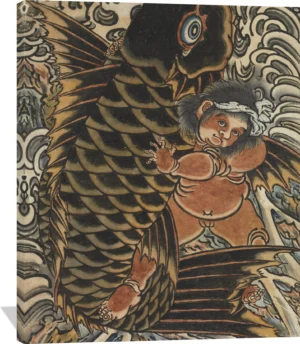
142,00 leiSelect options This product has multiple variants. The options may be chosen on the product pageKintaro with Carp
Canvas from
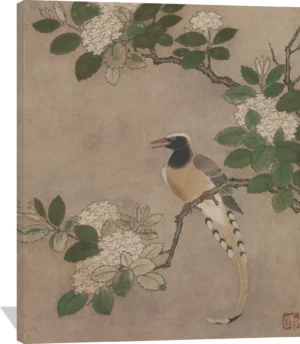
142,00 leiSelect options This product has multiple variants. The options may be chosen on the product pageMagpie on Viburnum Branch
GengaCanvas from
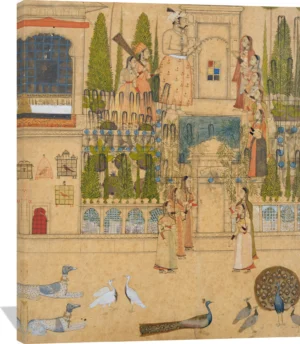
142,00 leiSelect options This product has multiple variants. The options may be chosen on the product pageMaharana Amar Singh II with Ladies of the Zenana outside the Picture Hall at Rajnagar
Stipple MasterCanvas from
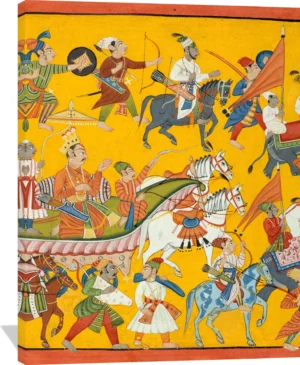
142,00 leiSelect options This product has multiple variants. The options may be chosen on the product pageKing Dasaratha and His Retinue Proceed to Rama’s Wedding: Folio from the Shangri Ramayana Series (Style II)
Canvas from
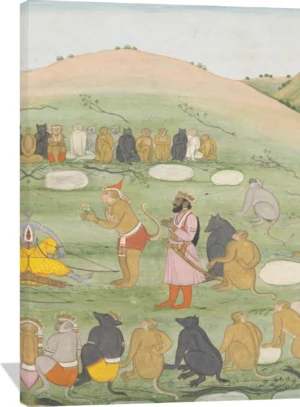
147,00 leiSelect options This product has multiple variants. The options may be chosen on the product pageHanuman Revives Rama and Lakshmana with Medicinal Herbs: Illustrated folio from a dispersed Ramayana series
NainsukhCanvas from
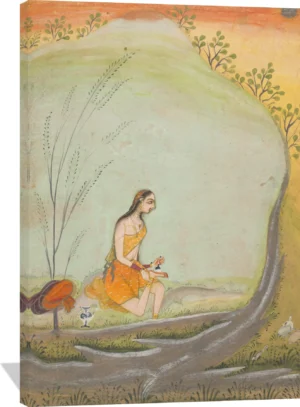
222,00 leiSelect options This product has multiple variants. The options may be chosen on the product pageA Lady Applying Henna to Her Foot
Ustad Mohamed, son of MuradCanvas from
147,00 leiSelect options This product has multiple variants. The options may be chosen on the product pageMaharana Jagat Singh Hawks for Cranes
Shiva and DayalCanvas from
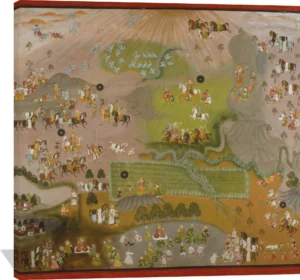
195,00 leiSelect options This product has multiple variants. The options may be chosen on the product pageChandravimba Ragaputra: Page from a Dispersed “Boston” Ragamala Series (Garland of Musical Modes)
Canvas from
222,00 leiSelect options This product has multiple variants. The options may be chosen on the product page
Explore Religious Figures
Madonna and Child
Francesco Granacci (Francesco di Andrea di Marco)Canvas from
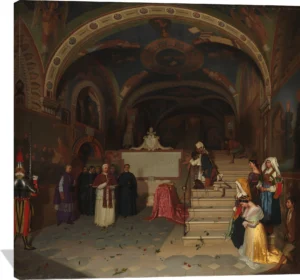
142,00 leiSelect options This product has multiple variants. The options may be chosen on the product pagePope Gregory XVI Visiting the Church of San Benedetto at Subiaco
Jean-François MontessuyCanvas from
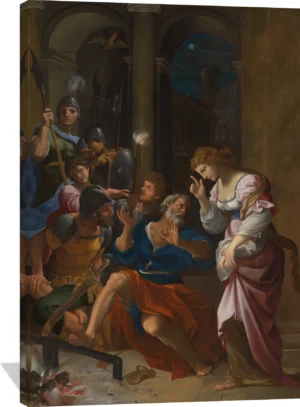
195,00 leiSelect options This product has multiple variants. The options may be chosen on the product pageThe Denial of Saint Peter
Ludovico CarracciCanvas from
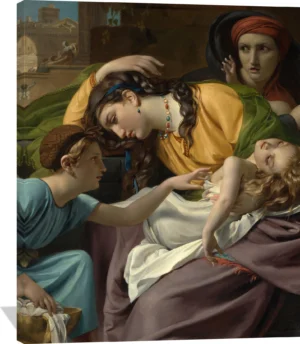
222,00 leiSelect options This product has multiple variants. The options may be chosen on the product pageThe Massacre of the Innocents
François Joseph NavezCanvas from
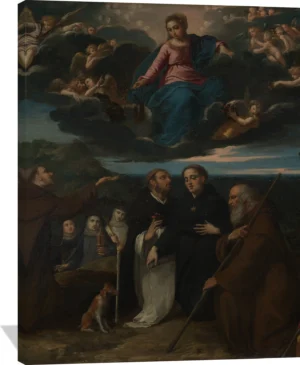
142,00 leiSelect options This product has multiple variants. The options may be chosen on the product pageThe Virgin Adored by Saints
Scarsellino (Ippolito Scarsella)Canvas from
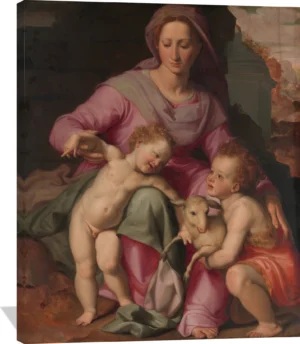
147,00 leiSelect options This product has multiple variants. The options may be chosen on the product pageMadonna and Child with the Infant Saint John the Baptist
Santi di TitoCanvas from
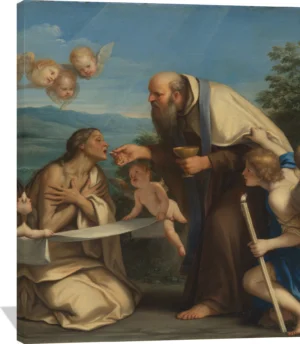
142,00 leiSelect options This product has multiple variants. The options may be chosen on the product pageThe Last Communion of Saint Mary of Egypt
Marcantonio FranceschiniCanvas from
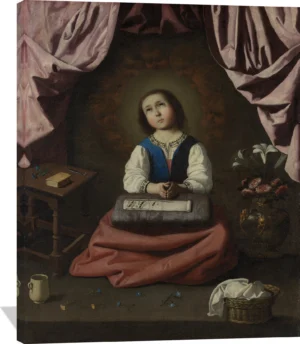
142,00 leiSelect options This product has multiple variants. The options may be chosen on the product pageThe Young Virgin
Francisco de ZurbaránCanvas from
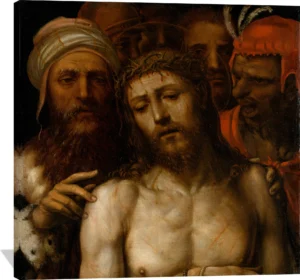
142,00 leiSelect options This product has multiple variants. The options may be chosen on the product pageChrist Presented to the People (Ecce Homo)
Sodoma (Giovanni Antonio Bazzi)Canvas from
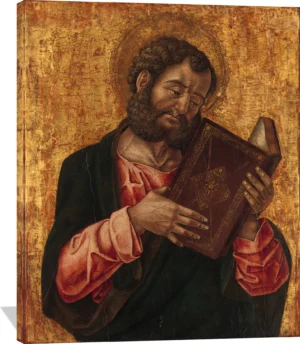
195,00 leiSelect options This product has multiple variants. The options may be chosen on the product pageA Saint (Mark?) Reading
Bartolomeo VivariniCanvas from
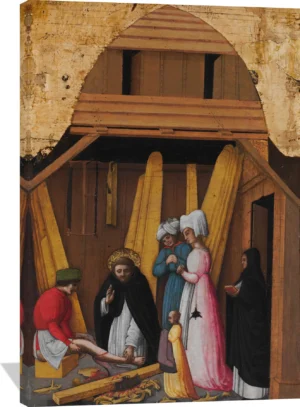
142,00 leiSelect options This product has multiple variants. The options may be chosen on the product pageSaint Peter Martyr Healing the Leg of a Young Man
Antonio VivariniCanvas from
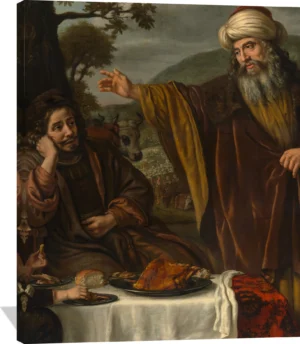
222,00 leiSelect options This product has multiple variants. The options may be chosen on the product pageAbraham’s Parting from the Family of Lot
Jan VictorsCanvas from
142,00 leiSelect options This product has multiple variants. The options may be chosen on the product pageThe Supper at Emmaus
Velázquez (Diego Rodríguez de Silva y Velázquez)Canvas from
195,00 leiSelect options This product has multiple variants. The options may be chosen on the product pageSaint Margaret of Cortona
Gaspare TraversiCanvas from
147,00 leiSelect options This product has multiple variants. The options may be chosen on the product pageThe Investiture of Bishop Harold as Duke of Franconia
Giovanni Battista TiepoloCanvas from
147,00 leiSelect options This product has multiple variants. The options may be chosen on the product pageJudith with the Head of Holofernes
Massimo StanzioneCanvas from
142,00 leiSelect options This product has multiple variants. The options may be chosen on the product pageOld Woman Praying
Matthias StomCanvas from
142,00 leiSelect options This product has multiple variants. The options may be chosen on the product pageTobias Curing His Father’s Blindness
Bernardo StrozziCanvas from
222,00 leiSelect options This product has multiple variants. The options may be chosen on the product pageSaint Mary Magdalen Holding a Crucifix; (reverse) The Flagellation
Spinello Aretino (Spinello di Luca Spinelli)Canvas from
147,00 leiSelect options This product has multiple variants. The options may be chosen on the product pageThe Assumption of the Virgin with Saints Michael and Benedict
Luca SignorelliCanvas from
142,00 leiSelect options This product has multiple variants. The options may be chosen on the product pageThe Birth of the Virgin
Francesco SolimenaCanvas from
142,00 leiSelect options This product has multiple variants. The options may be chosen on the product page