View of La Crescenza
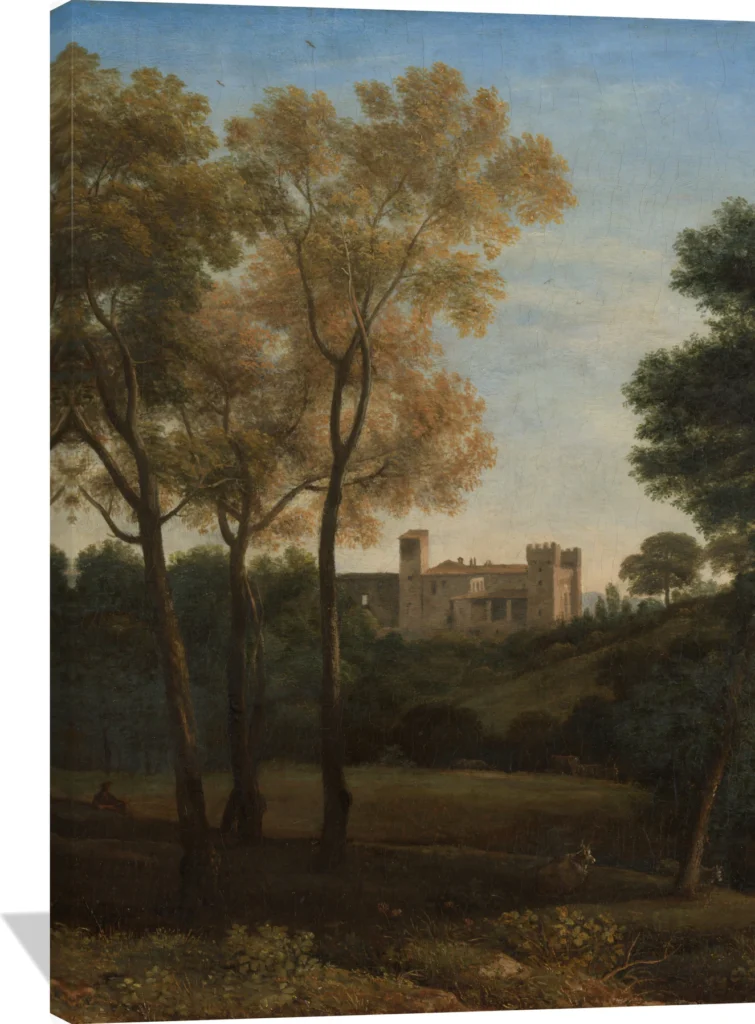
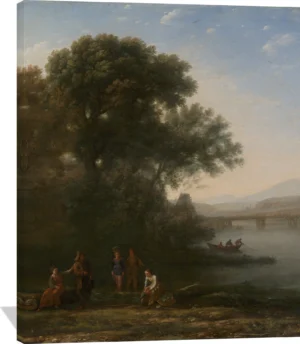
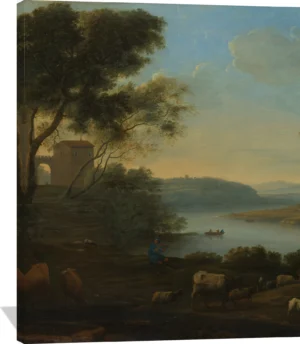
The Claude Lorrain View of La Crescenza canvas captures the serene grandeur of the Italian countryside bathed in golden light. Towering trees frame a distant villa beneath a soft blue sky, rendered in warm earth tones of olive green, amber, and sienna. Lorrain’s masterful play of light and shadow evokes a timeless sense of peace and harmony.
This elegant wall art brings classical sophistication to any space—perfect for a living room, study, or entryway. A fine canvas print that celebrates the poetic beauty of nature and architecture through the eyes of one of the French Baroque’s greatest landscape painters.
Claude Lorrain (Claude Gellée) was a French painter born in Chamagne around 1604/5 who spent most of his life in Rome, where he became one of the most influential landscape artists of the seventeenth century. Celebrated for his poetic vision and masterful treatment of natural light, he helped define the foundations of the ideal landscape, shaping the direction of European painting for generations.
Artistic Style and Vision
Lorrain’s work is distinguished by its harmonious compositions, serene atmosphere, and luminous golden light. His paintings often feature balanced vistas where natural and architectural elements coexist with effortless grace. The subtle gradation of light across sky and water creates a sense of depth and tranquility that became his signature. His refined technique made him a central figure of the classical landscape tradition and a pioneer in establishing landscape as a subject worthy of high art.
Subjects and Themes
Although best known for landscapes, Lorrain frequently incorporated small figures drawn from mythological, biblical, or pastoral narratives. These narrative elements, often secondary to the surrounding scenery, allowed him to explore themes of journey, contemplation, and the relationship between humanity and nature. Works such as Harbor Scene at Sunset or Landscape with the Marriage of Isaac and Rebecca exemplify his ability to blend storytelling with expansive, idealized environments.
Legacy and Cultural Significance
Lorrain’s influence extended far beyond his lifetime. His paintings inspired later generations of European artists, particularly in England, where his serene compositions shaped the aesthetic of the picturesque and guided landscape painters such as Turner and Constable. His meticulous drawing practice, documented in his so‑called Liber Veritatis, also set a precedent for cataloging one’s own works, emphasizing authenticity and artistic integrity.
Today, Claude Lorrain remains revered for his ability to transform nature into a realm of balance and radiance. His mastery of atmospheric light and the poetic grandeur of his idealized landscapes continue to resonate, securing his place as one of the most important figures in the history of landscape painting and a foundational artist in the evolution of the European visual imagination.
Trust & policies
- 🚚 Free worldwide shipping
- 🔁 30-day returns (change of mind)
- 🛡️ If damaged/defective/misprinted: free replacement or full refund
- 🌍 Printed in US/CA/EU/UK/AU (based on delivery location)
- 💎 Made to order using acid-free, fade-resistant canvas
- 💎 Solid wood stretcher bars • Pine floating frames
- 🪝 Ready to hang

Corn Husking
David Gilmour BlytheCanvas from
33,00 $Select options This product has multiple variants. The options may be chosen on the product pageLake of Orta
J. Carroll BeckwithCanvas from
32,00 $Select options This product has multiple variants. The options may be chosen on the product pageJohn F. Kensett
George Augustus Baker Jr.Canvas from
32,00 $Select options This product has multiple variants. The options may be chosen on the product pageThe Ameya
Robert Frederick BlumCanvas from
32,00 $Select options This product has multiple variants. The options may be chosen on the product pageMrs. David Chesebrough
Joseph BlackburnCanvas from
32,00 $Select options This product has multiple variants. The options may be chosen on the product pagePhilip Van Cortlandt
Ezra AmesCanvas from
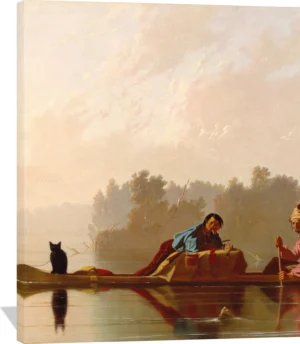
32,00 $Select options This product has multiple variants. The options may be chosen on the product pageFur Traders Descending the Missouri
George Caleb BinghamCanvas from
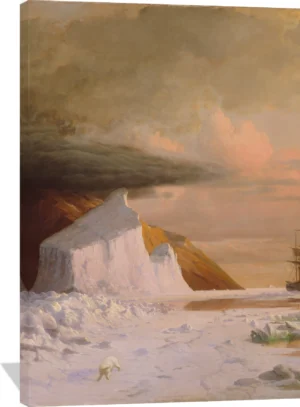
32,00 $Select options This product has multiple variants. The options may be chosen on the product pageAn Arctic Summer: Boring Through the Pack in Melville Bay
William BradfordCanvas from
50,00 $Select options This product has multiple variants. The options may be chosen on the product pageJames Badger
Joseph BadgerCanvas from
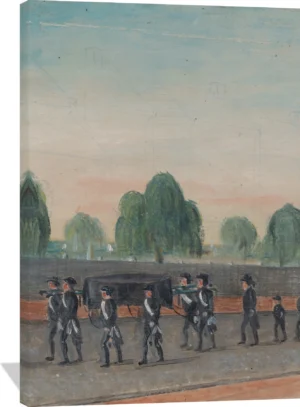
32,00 $Select options This product has multiple variants. The options may be chosen on the product pageAdult Funeral Procession
William P. ChappelCanvas from
50,00 $Select options This product has multiple variants. The options may be chosen on the product pageBaked Pears in Duane Park
William P. ChappelCanvas from
50,00 $Select options This product has multiple variants. The options may be chosen on the product pageThe Way They Live
Thomas AnshutzCanvas from
33,00 $Select options This product has multiple variants. The options may be chosen on the product pageEleanor Hardy Bunker
Dennis Miller BunkerCanvas from
32,00 $Select options This product has multiple variants. The options may be chosen on the product pagePortrait of a Gentleman
Henry BenbridgeCanvas from
32,00 $Select options This product has multiple variants. The options may be chosen on the product pageNevada Falls, Yosemite
Albert BierstadtCanvas from
32,00 $Select options This product has multiple variants. The options may be chosen on the product pageThe Pipe Dance
Ralph Albert BlakelockCanvas from
50,00 $Select options This product has multiple variants. The options may be chosen on the product pageEmma Homan
John BradleyCanvas from
32,00 $Select options This product has multiple variants. The options may be chosen on the product pageAfter a Long Cruise
John CarlinCanvas from
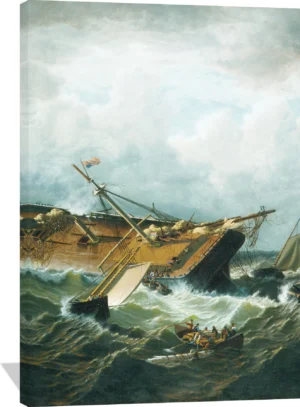
50,00 $Select options This product has multiple variants. The options may be chosen on the product pageShipwreck off Nantucket (Wreck off Nantucket after a Storm)
William BradfordCanvas from
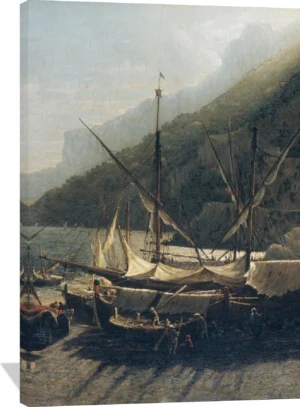
50,00 $Select options This product has multiple variants. The options may be chosen on the product pageView at Amalfi, Bay of Salerno
George Loring BrownCanvas from
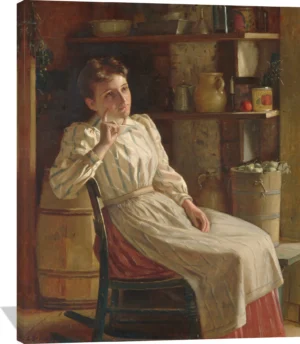
50,00 $Select options This product has multiple variants. The options may be chosen on the product pageMeditation
John George BrownCanvas from
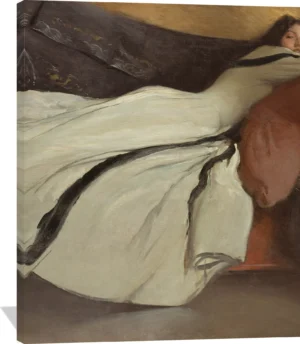
32,00 $Select options This product has multiple variants. The options may be chosen on the product pageRepose
John White AlexanderCanvas from
32,00 $Select options This product has multiple variants. The options may be chosen on the product page
Explore Claude Lorrain (Claude Gellée)
The Ford
Claude Lorrain (Claude Gellée)Canvas from
32,00 $Select options This product has multiple variants. The options may be chosen on the product pagePastoral Landscape: The Roman Campagna
Claude Lorrain (Claude Gellée)Canvas from
32,00 $Select options This product has multiple variants. The options may be chosen on the product pageSunrise
Claude Lorrain (Claude Gellée)Canvas from
32,00 $Select options This product has multiple variants. The options may be chosen on the product pageThe Trojan Women Setting Fire to Their Fleet
Claude Lorrain (Claude Gellée)Canvas from
33,00 $Select options This product has multiple variants. The options may be chosen on the product pageThe Ford
Claude Lorrain (Claude Gellée)Canvas from
32,00 $Select options This product has multiple variants. The options may be chosen on the product pagePastoral Landscape: The Roman Campagna
Claude Lorrain (Claude Gellée)Canvas from
32,00 $Select options This product has multiple variants. The options may be chosen on the product page
Explore Landscapes
The Black Horse
John AthertonCanvas from
33,00 $Select options This product has multiple variants. The options may be chosen on the product pageWaterfront Mill
Niles SpencerCanvas from
32,00 $Select options This product has multiple variants. The options may be chosen on the product pageDocks on Sunday
Joseph De MartiniCanvas from
32,00 $Select options This product has multiple variants. The options may be chosen on the product pageThe North Cape by Moonlight
Peder BalkeCanvas from
32,00 $Select options This product has multiple variants. The options may be chosen on the product pageChrysanthemums in the Garden at Petit-Gennevilliers
Gustave CaillebotteCanvas from
50,00 $Select options This product has multiple variants. The options may be chosen on the product pageStudy of Palm Trees
Jean-Léon GérômeCanvas from
32,00 $Select options This product has multiple variants. The options may be chosen on the product pageA Section of the Via Sacra, Rome (The Church of Saints Cosmas and Damian)
Christoffer Wilhelm EckersbergCanvas from
33,00 $Select options This product has multiple variants. The options may be chosen on the product pageLandscape with Figures
Kenneth Hayes MillerCanvas from
32,00 $Select options This product has multiple variants. The options may be chosen on the product pageThe Great Pyramid, Giza
Adrien DauzatsCanvas from
32,00 $Select options This product has multiple variants. The options may be chosen on the product pageVirgil’s Tomb by Moonlight, with Silius Italicus Declaiming
Joseph Wright (Wright of Derby)Canvas from
32,00 $Select options This product has multiple variants. The options may be chosen on the product pageView over Hallingdal
Johan Christian DahlCanvas from
50,00 $Select options This product has multiple variants. The options may be chosen on the product pageWedding Procession
Victor EeckhoutCanvas from
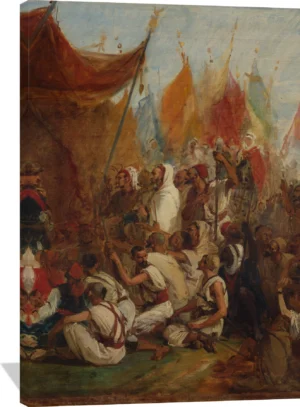
33,00 $Select options This product has multiple variants. The options may be chosen on the product pageSketch for “Reception of Emperor Napoleon III and Empress Eugénie by the Kabyle Leaders at Algiers on September 18, 1860”
Isidore PilsCanvas from
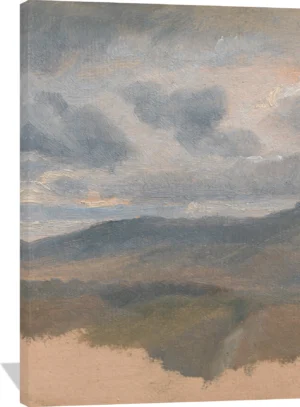
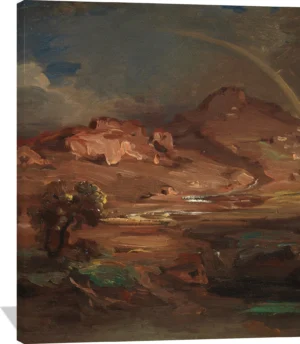
50,00 $Select options This product has multiple variants. The options may be chosen on the product pageLandscape Study with Clouds
Emile LoubonCanvas from
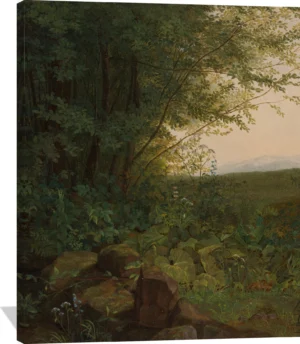
50,00 $Select options This product has multiple variants. The options may be chosen on the product pageAt the Edge of the Forest
August HeinrichCanvas from
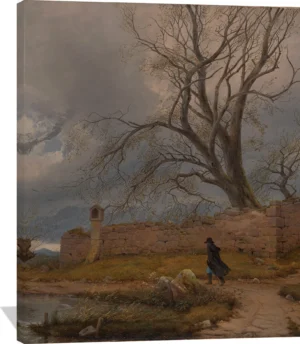
32,00 $Select options This product has multiple variants. The options may be chosen on the product pageWanderer in the Storm
Julius von LeypoldCanvas from
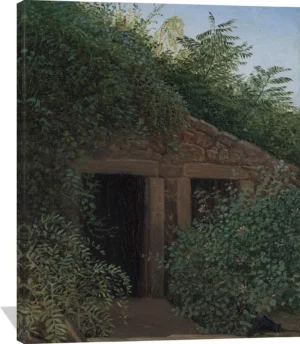
32,00 $Select options This product has multiple variants. The options may be chosen on the product pageAn Overgrown Mineshaft
Carl Gustav CarusCanvas from
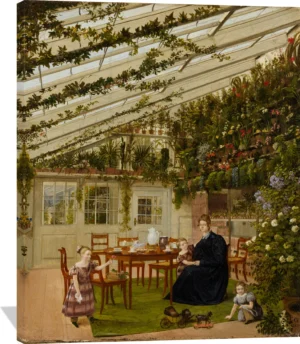
32,00 $Select options This product has multiple variants. The options may be chosen on the product pageThe Family of Mr. Westphal in the Conservatory
Eduard GaertnerCanvas from
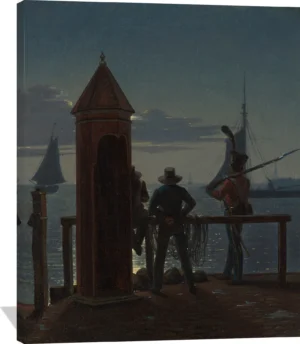
32,00 $Select options This product has multiple variants. The options may be chosen on the product pageView from the Citadel Ramparts in Copenhagen by Moonlight
Martinus RørbyeCanvas from
32,00 $Select options This product has multiple variants. The options may be chosen on the product pageThe Cemetery at Pronoia near Nauplia
Carl RottmannCanvas from
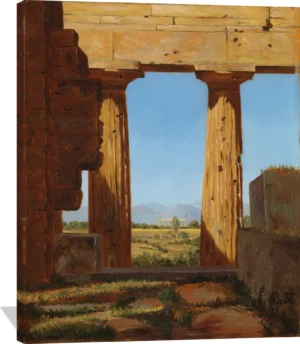
32,00 $Select options This product has multiple variants. The options may be chosen on the product pageColumns of the Temple of Neptune at Paestum
Constantin HansenCanvas from
32,00 $Select options This product has multiple variants. The options may be chosen on the product page
Explore Baroque
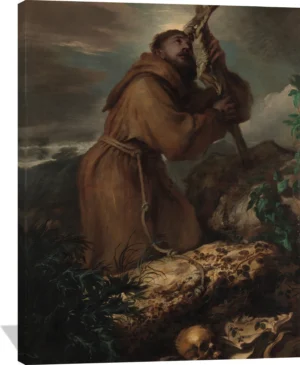
Saint Francis in Ecstasy
Giovanni Benedetto Castiglione (Il Grechetto)Canvas from
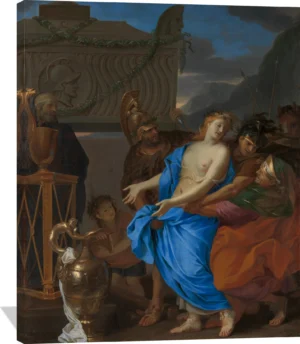
33,00 $Select options This product has multiple variants. The options may be chosen on the product pageThe Sacrifice of Polyxena
Charles Le BrunCanvas from
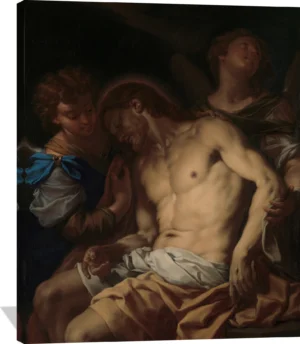
32,00 $Select options This product has multiple variants. The options may be chosen on the product pageDead Christ Supported by Angels
Francesco TrevisaniCanvas from
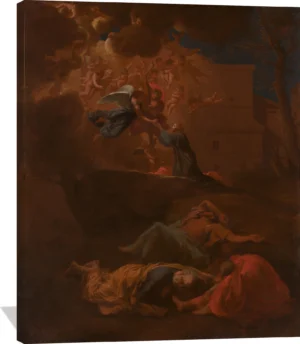
32,00 $Select options This product has multiple variants. The options may be chosen on the product pageThe Agony in the Garden
Nicolas PoussinCanvas from
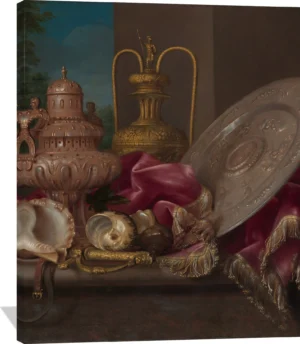
32,00 $Select options This product has multiple variants. The options may be chosen on the product pageStill Life with Silver and Gold Plate, Shells, and a Sword
Meiffren ConteCanvas from
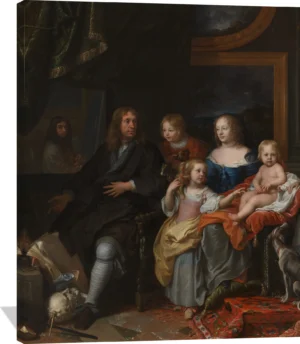
32,00 $Select options This product has multiple variants. The options may be chosen on the product pageThe Jabach Family
Charles Le BrunCanvas from
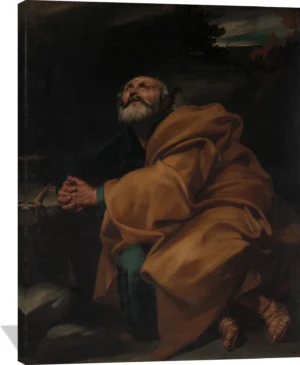
32,00 $Select options This product has multiple variants. The options may be chosen on the product pageThe Tears of Saint Peter
Jusepe de Ribera (called Lo Spagnoletto)Canvas from
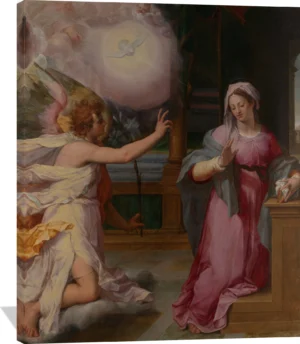
33,00 $Select options This product has multiple variants. The options may be chosen on the product pageThe Annunciation
Peter Candid (Pieter de Witte, Pietro Candido)Canvas from
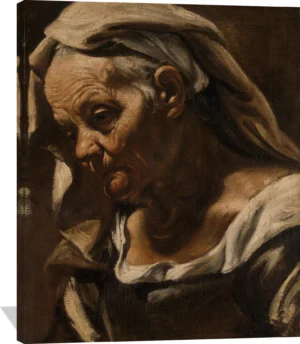
32,00 $Select options This product has multiple variants. The options may be chosen on the product pageHead of an Old Woman
Orazio BorgianniCanvas from
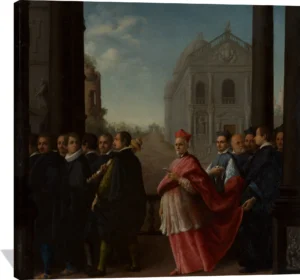
32,00 $Select options This product has multiple variants. The options may be chosen on the product pageA Cardinal’s Procession
Ottavio Leoni (Il Padovano)Canvas from
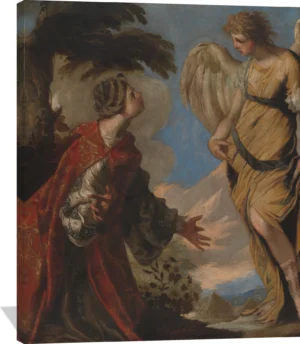
44,00 $Select options This product has multiple variants. The options may be chosen on the product pageHagar and the Angel
Francesco MaffeiCanvas from
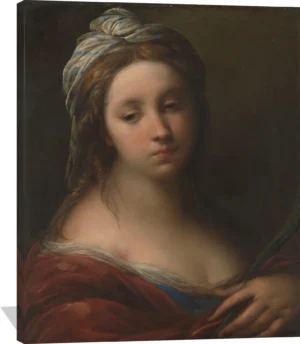
32,00 $Select options This product has multiple variants. The options may be chosen on the product pageA Female Martyr Saint
Carlo Francesco NuvoloneCanvas from
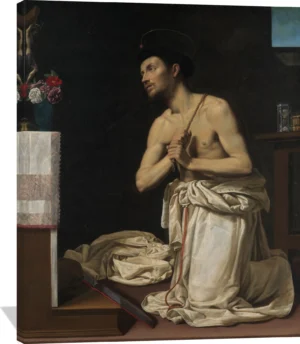
32,00 $Select options This product has multiple variants. The options may be chosen on the product pageSaint Dominic in Penitence
Filippo TarchianiCanvas from
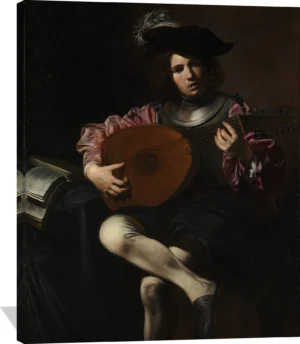
32,00 $Select options This product has multiple variants. The options may be chosen on the product pageLute Player
Valentin de BoulogneCanvas from
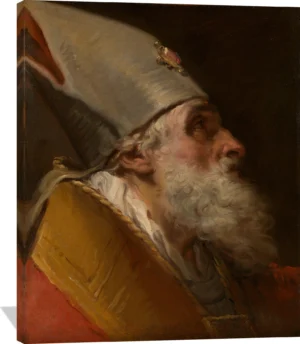
32,00 $Select options This product has multiple variants. The options may be chosen on the product pageHead of a Bishop
Gaetano GandolfiCanvas from
32,00 $Select options This product has multiple variants. The options may be chosen on the product pageStudy of a Girl in Red
Benedetto LutiCanvas from
32,00 $Select options This product has multiple variants. The options may be chosen on the product pageSaint John the Baptist Preaching
Mattia Preti (Il Cavalier Calabrese)Canvas from
33,00 $Select options This product has multiple variants. The options may be chosen on the product pageA Peasant Family
Antoine Le NainCanvas from
32,00 $Select options This product has multiple variants. The options may be chosen on the product pageSaint Francis
Federico BarocciCanvas from
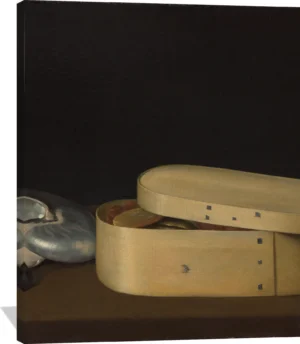
32,00 $Select options This product has multiple variants. The options may be chosen on the product pageStill Life with Shells and a Chip-Wood Box
Sebastian StoskopffCanvas from
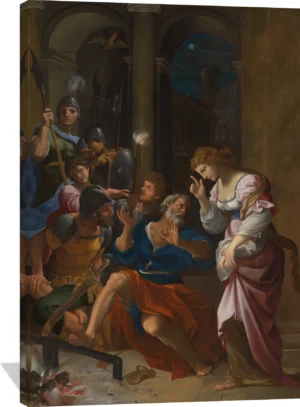
32,00 $Select options This product has multiple variants. The options may be chosen on the product pageThe Denial of Saint Peter
Ludovico CarracciCanvas from
50,00 $Select options This product has multiple variants. The options may be chosen on the product page
Explore Rural Scenes
A Man and a Woman on Horseback
Philips WouwermanCanvas from
32,00 $Select options This product has multiple variants. The options may be chosen on the product pageLandscape with Peasants at a Fountain
Francesco ZuccarelliCanvas from
50,00 $Select options This product has multiple variants. The options may be chosen on the product pageGoing Home
Fritz von UhdeCanvas from
32,00 $Select options This product has multiple variants. The options may be chosen on the product pageGoing to Market
Constant TroyonCanvas from
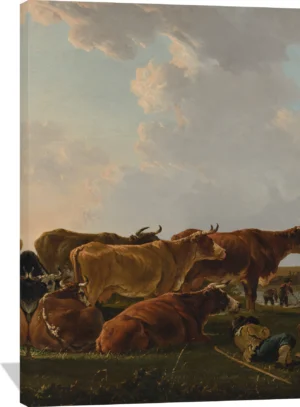
32,00 $Select options This product has multiple variants. The options may be chosen on the product pageLandscape with Cattle
Jacob van StrijCanvas from
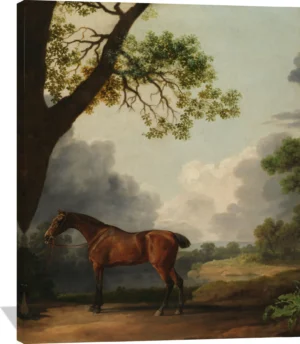
32,00 $Select options This product has multiple variants. The options may be chosen on the product pageThe Third Duke of Dorset’s Hunter with a Groom and a Dog
George StubbsCanvas from
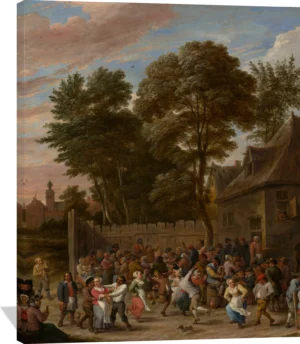
32,00 $Select options This product has multiple variants. The options may be chosen on the product pagePeasants Dancing and Feasting
David Teniers the YoungerCanvas from
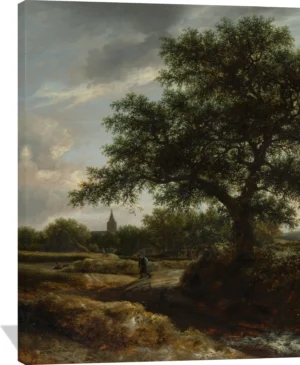
32,00 $Select options This product has multiple variants. The options may be chosen on the product pageLandscape with a Village in the Distance
Jacob van RuisdaelCanvas from
33,00 $Select options This product has multiple variants. The options may be chosen on the product pageThe Banks of the Bièvre near Bicêtre
Henri Rousseau (le Douanier)Canvas from
32,00 $Select options This product has multiple variants. The options may be chosen on the product pagePreparing for Christmas (Plucking Turkeys)
Francis William EdmondsCanvas from
32,00 $Select options This product has multiple variants. The options may be chosen on the product pageOn the Old Sod
William MagrathCanvas from
32,00 $Select options This product has multiple variants. The options may be chosen on the product pageCamp Fire
Winslow HomerCanvas from
50,00 $Select options This product has multiple variants. The options may be chosen on the product pageRed School House (Country Scene)
George Henry DurrieCanvas from
33,00 $Select options This product has multiple variants. The options may be chosen on the product pagePicquigny
Frits ThaulowCanvas from
32,00 $Select options This product has multiple variants. The options may be chosen on the product pageRoman Landscape with a Shepherd and Sheep
Giovanni Benedetto Castiglione (Il Grechetto)Canvas from
44,00 $Select options This product has multiple variants. The options may be chosen on the product pageView in the Stables of the Villa of Maecenas, Tivoli
François Marius GranetCanvas from
32,00 $Select options This product has multiple variants. The options may be chosen on the product pageYoung Ladies of the Village
Gustave CourbetCanvas from
32,00 $Select options This product has multiple variants. The options may be chosen on the product pageRetreat from the Storm
Jean-François MilletCanvas from
32,00 $Select options This product has multiple variants. The options may be chosen on the product pageView near Rouen
Richard Parkes BoningtonCanvas from
32,00 $Select options This product has multiple variants. The options may be chosen on the product pageThe Villa Loredan, Paese
Francesco GuardiCanvas from
50,00 $Select options This product has multiple variants. The options may be chosen on the product pageRoad in the Woods
Constant TroyonCanvas from
32,00 $Select options This product has multiple variants. The options may be chosen on the product page