Canal Side
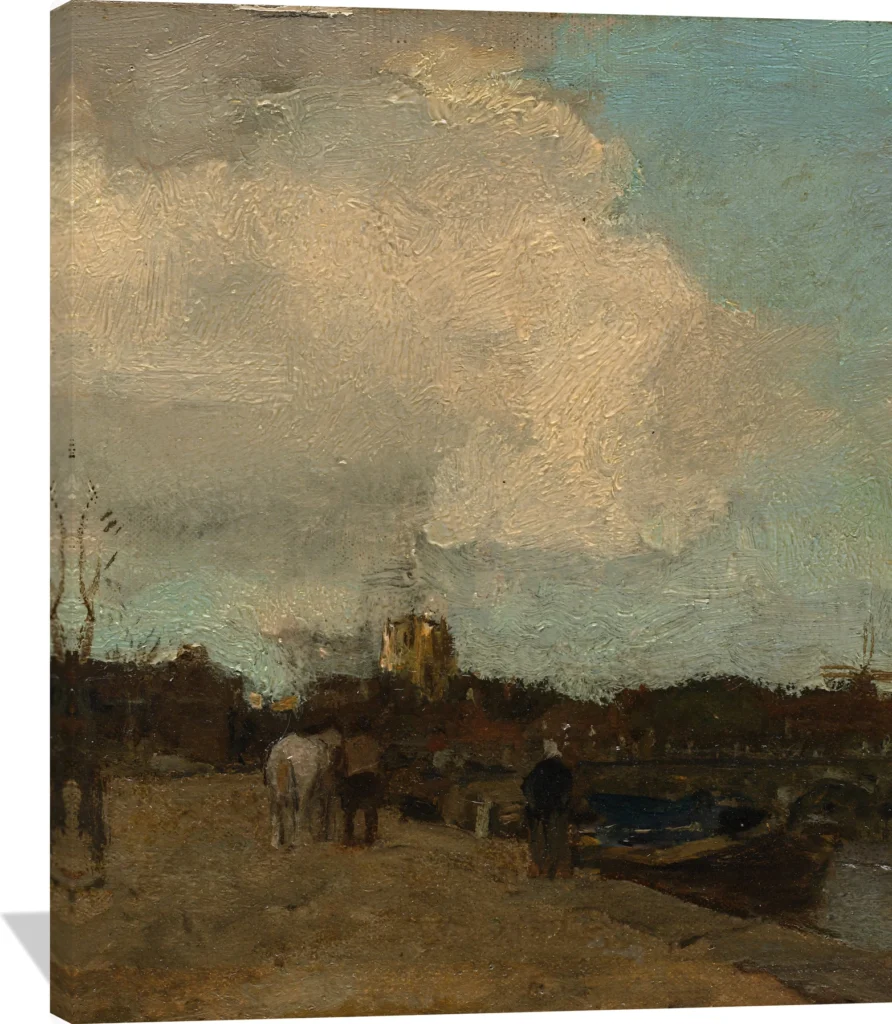
The Jacob Maris Canal Side canvas captures the quiet poetry of a Dutch cityscape under a vast, luminous sky. Subtle tones of warm brown, muted blue, and soft gray evoke the calm rhythm of daily life along the water, where figures and horses move gently beside moored boats. Maris’s masterful brushwork and atmospheric light bring timeless serenity to this evocative scene.
This elegant canvas print adds a refined touch to any interior—perfect for a living room, study, or entryway. The Canal Side wall art invites reflection and calm, making it a sophisticated statement piece for lovers of classic European artistry.
Jacob Maris (1837–1899), a leading figure of the Dutch Hague School, is celebrated for his atmospheric landscapes and refined handling of light. Born in The Hague and active throughout the late nineteenth century, he helped shape a modern Dutch realism that balanced mood, technique, and a deep connection to the land.
Artistic Style
Maris is best known for his tonal realism, characterized by a restrained palette, soft transitions, and a focus on atmosphere. His paintings often feature expansive skies rendered with remarkable subtlety, giving his scenes a contemplative, poetic quality. Through confident brushwork and a masterful command of grays and earth tones, he created works that feel both grounded and illuminated.
Subjects and Themes
Maris frequently depicted Holland’s waterways, cloudy skies, and rural life. Canals, windmills, riverbanks, and modest cottages appear throughout his oeuvre, portrayed with sincerity and an acute awareness of changing weather. City scenes, particularly those of The Hague and Amsterdam, also show his ability to elevate everyday views into evocative compositions.
Legacy
As one of the most influential painters of his generation, Jacob Maris played a central role in defining the character of the Hague School. His work stands out for its combination of technical refinement and emotional restraint, qualities that continue to resonate with collectors and admirers of nineteenth‑century European art. His paintings remain appreciated for their quiet atmospheric power and their enduring sense of place.
Trust & policies
- 🚚 Free worldwide shipping
- 🔁 30-day returns (change of mind)
- 🛡️ If damaged/defective/misprinted: free replacement or full refund
- 🌍 Printed in US/CA/EU/UK/AU (based on delivery location)
- 💎 Made to order using acid-free, fade-resistant canvas
- 💎 Solid wood stretcher bars • Pine floating frames
- 🪝 Ready to hang

Adult Funeral Procession
William P. ChappelCanvas from
222,00 leiSelect options This product has multiple variants. The options may be chosen on the product pagePhilip Van Cortlandt
Ezra AmesCanvas from
142,00 leiSelect options This product has multiple variants. The options may be chosen on the product pageStudy in Green and Black
John White AlexanderCanvas from
142,00 leiSelect options This product has multiple variants. The options may be chosen on the product pageMountain Scene
Albert BierstadtCanvas from
147,00 leiSelect options This product has multiple variants. The options may be chosen on the product pageWalt Whitman
John White AlexanderCanvas from
142,00 leiSelect options This product has multiple variants. The options may be chosen on the product pageA Waterfall, Moonlight
Ralph Albert BlakelockCanvas from
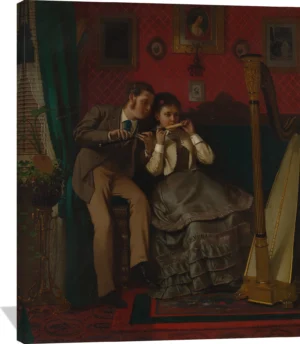
222,00 leiSelect options This product has multiple variants. The options may be chosen on the product pageThe Music Lesson
John George BrownCanvas from
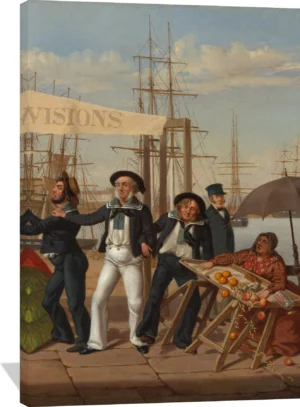
142,00 leiSelect options This product has multiple variants. The options may be chosen on the product pageAfter a Long Cruise
John CarlinCanvas from
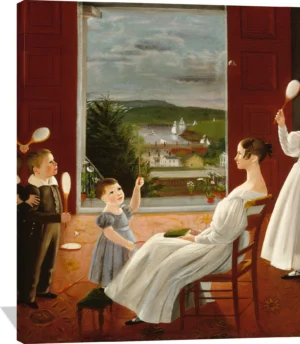
222,00 leiSelect options This product has multiple variants. The options may be chosen on the product pageThe Children of Nathan Starr
Ambrose AndrewsCanvas from
142,00 leiSelect options This product has multiple variants. The options may be chosen on the product pageBaked Pears in Duane Park
William P. ChappelCanvas from
222,00 leiSelect options This product has multiple variants. The options may be chosen on the product pageJanet Halleck Drake
Henry InmanCanvas from
142,00 leiSelect options This product has multiple variants. The options may be chosen on the product pageSamuel Cutts
Joseph BlackburnCanvas from
142,00 leiSelect options This product has multiple variants. The options may be chosen on the product pageJames Badger
Joseph BadgerCanvas from
142,00 leiSelect options This product has multiple variants. The options may be chosen on the product pageFur Traders Descending the Missouri
George Caleb BinghamCanvas from
142,00 leiSelect options This product has multiple variants. The options may be chosen on the product pageMerced River, Yosemite Valley
Albert BierstadtCanvas from
147,00 leiSelect options This product has multiple variants. The options may be chosen on the product pageThe Ameya
Robert Frederick BlumCanvas from
142,00 leiSelect options This product has multiple variants. The options may be chosen on the product pageThe Ring
John White AlexanderCanvas from
142,00 leiSelect options This product has multiple variants. The options may be chosen on the product pageMary Sylvester
Joseph BlackburnCanvas from
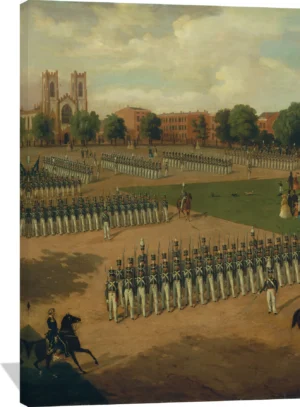
142,00 leiSelect options This product has multiple variants. The options may be chosen on the product pageSeventh Regiment on Review, Washington Square, New York
Otto BoetticherCanvas from
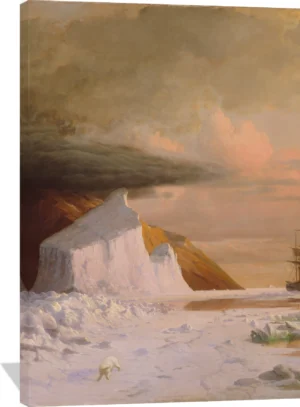
222,00 leiSelect options This product has multiple variants. The options may be chosen on the product pageAn Arctic Summer: Boring Through the Pack in Melville Bay
William BradfordCanvas from
222,00 leiSelect options This product has multiple variants. The options may be chosen on the product pageAn Indian Encampment
Ralph Albert BlakelockCanvas from
195,00 leiSelect options This product has multiple variants. The options may be chosen on the product pageMeditation
John George BrownCanvas from
142,00 leiSelect options This product has multiple variants. The options may be chosen on the product page
Explore Landscapes
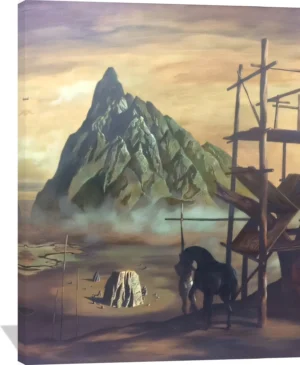
The Black Horse
John AthertonCanvas from
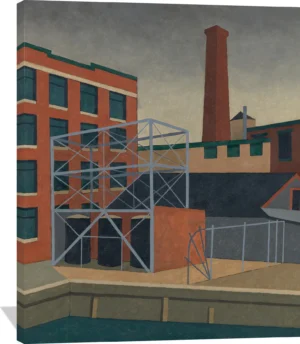
147,00 leiSelect options This product has multiple variants. The options may be chosen on the product pageWaterfront Mill
Niles SpencerCanvas from
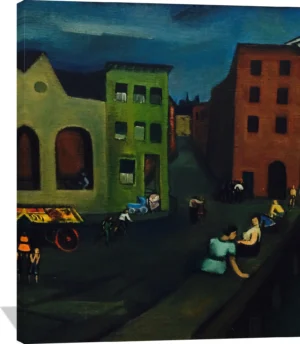
142,00 leiSelect options This product has multiple variants. The options may be chosen on the product pageDocks on Sunday
Joseph De MartiniCanvas from
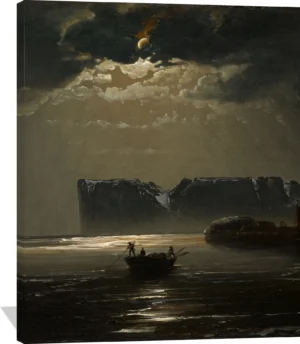
142,00 leiSelect options This product has multiple variants. The options may be chosen on the product pageThe North Cape by Moonlight
Peder BalkeCanvas from
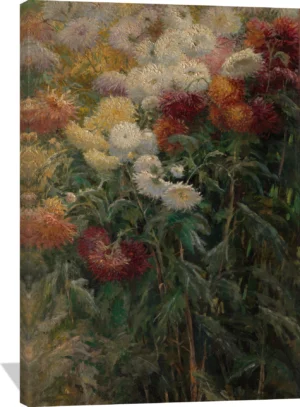
142,00 leiSelect options This product has multiple variants. The options may be chosen on the product pageChrysanthemums in the Garden at Petit-Gennevilliers
Gustave CaillebotteCanvas from
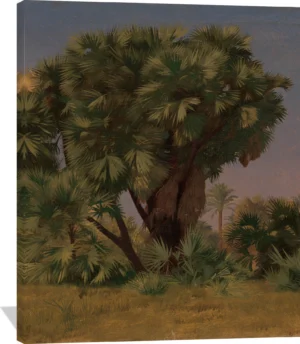
222,00 leiSelect options This product has multiple variants. The options may be chosen on the product pageStudy of Palm Trees
Jean-Léon GérômeCanvas from
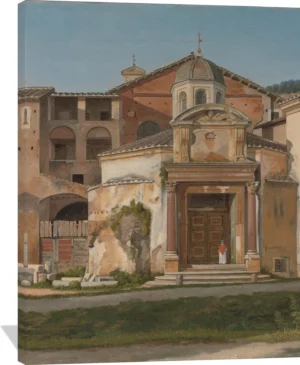
142,00 leiSelect options This product has multiple variants. The options may be chosen on the product pageA Section of the Via Sacra, Rome (The Church of Saints Cosmas and Damian)
Christoffer Wilhelm EckersbergCanvas from
147,00 leiSelect options This product has multiple variants. The options may be chosen on the product pageLandscape with Figures
Kenneth Hayes MillerCanvas from
142,00 leiSelect options This product has multiple variants. The options may be chosen on the product pageThe Great Pyramid, Giza
Adrien DauzatsCanvas from
142,00 leiSelect options This product has multiple variants. The options may be chosen on the product pageVirgil’s Tomb by Moonlight, with Silius Italicus Declaiming
Joseph Wright (Wright of Derby)Canvas from
142,00 leiSelect options This product has multiple variants. The options may be chosen on the product pageView over Hallingdal
Johan Christian DahlCanvas from
222,00 leiSelect options This product has multiple variants. The options may be chosen on the product pageWedding Procession
Victor EeckhoutCanvas from
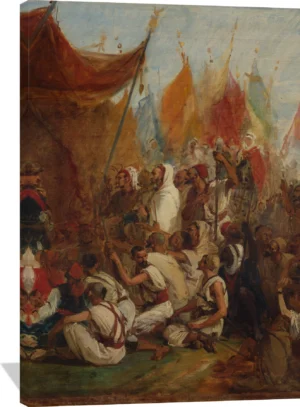
147,00 leiSelect options This product has multiple variants. The options may be chosen on the product pageSketch for “Reception of Emperor Napoleon III and Empress Eugénie by the Kabyle Leaders at Algiers on September 18, 1860”
Isidore PilsCanvas from
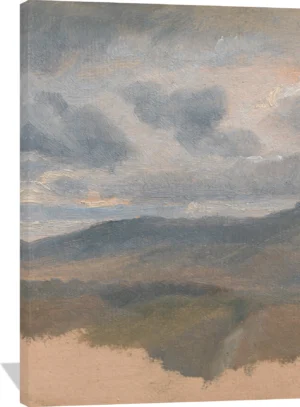
222,00 leiSelect options This product has multiple variants. The options may be chosen on the product pageLandscape Study with Clouds
Emile LoubonCanvas from
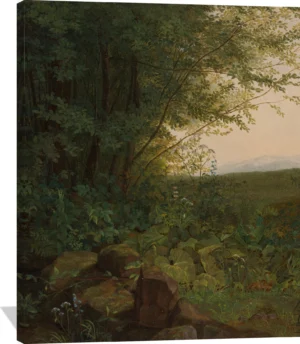
222,00 leiSelect options This product has multiple variants. The options may be chosen on the product pageAt the Edge of the Forest
August HeinrichCanvas from
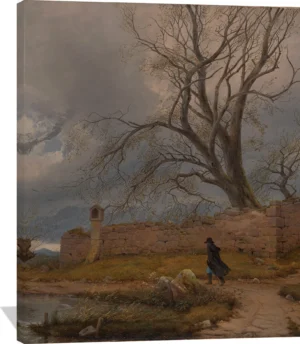
142,00 leiSelect options This product has multiple variants. The options may be chosen on the product pageWanderer in the Storm
Julius von LeypoldCanvas from
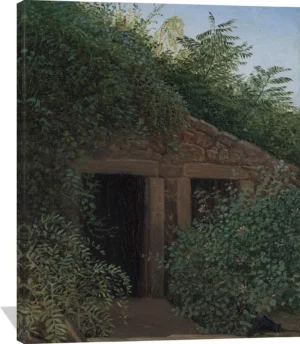
142,00 leiSelect options This product has multiple variants. The options may be chosen on the product pageAn Overgrown Mineshaft
Carl Gustav CarusCanvas from
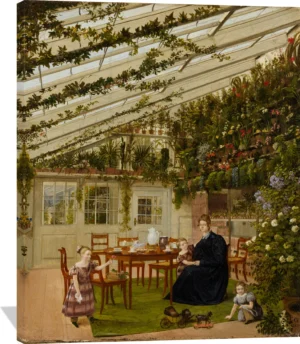
142,00 leiSelect options This product has multiple variants. The options may be chosen on the product pageThe Family of Mr. Westphal in the Conservatory
Eduard GaertnerCanvas from
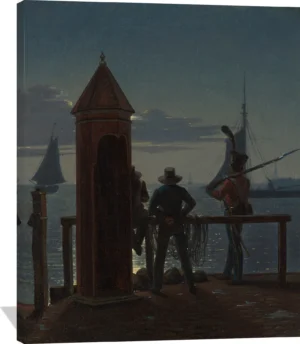
142,00 leiSelect options This product has multiple variants. The options may be chosen on the product pageView from the Citadel Ramparts in Copenhagen by Moonlight
Martinus RørbyeCanvas from
142,00 leiSelect options This product has multiple variants. The options may be chosen on the product pageThe Cemetery at Pronoia near Nauplia
Carl RottmannCanvas from
142,00 leiSelect options This product has multiple variants. The options may be chosen on the product pageColumns of the Temple of Neptune at Paestum
Constantin HansenCanvas from
142,00 leiSelect options This product has multiple variants. The options may be chosen on the product page
Explore Rustic
The Trout Pool
Worthington WhittredgeCanvas from
142,00 leiSelect options This product has multiple variants. The options may be chosen on the product pageEast Hampton Meadows
George Henry SmillieCanvas from
222,00 leiSelect options This product has multiple variants. The options may be chosen on the product pageRed School House (Country Scene)
George Henry DurrieCanvas from
147,00 leiSelect options This product has multiple variants. The options may be chosen on the product pageView on the Catskill—Early Autumn
Thomas ColeCanvas from
222,00 leiSelect options This product has multiple variants. The options may be chosen on the product pageGudvangen
Thomas FearnleyCanvas from
222,00 leiSelect options This product has multiple variants. The options may be chosen on the product pageThe Forest in Winter at Sunset
Théodore RousseauCanvas from
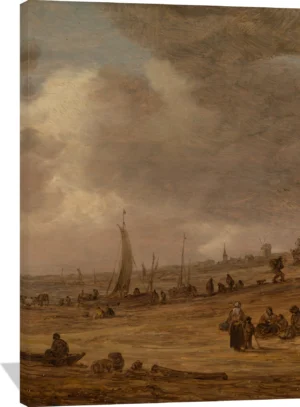
222,00 leiSelect options This product has multiple variants. The options may be chosen on the product pageA View of The Hague from the Northwest
Jan van GoyenCanvas from
147,00 leiSelect options This product has multiple variants. The options may be chosen on the product pageA Beach with Fishing Boats
Jan van GoyenCanvas from
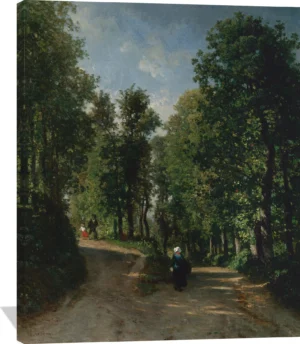
222,00 leiSelect options This product has multiple variants. The options may be chosen on the product pageRoad in the Woods
Constant TroyonCanvas from
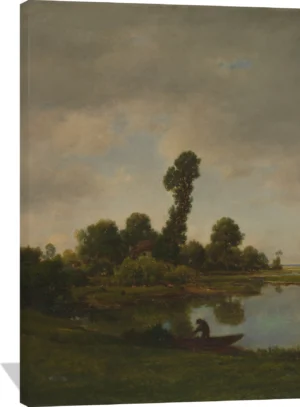
142,00 leiSelect options This product has multiple variants. The options may be chosen on the product pageA River Landscape
Théodore RousseauCanvas from
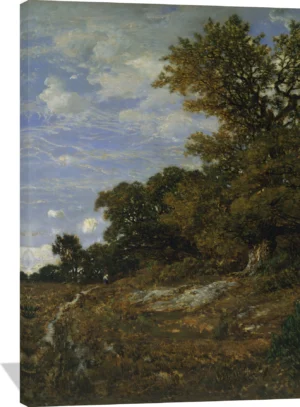
222,00 leiSelect options This product has multiple variants. The options may be chosen on the product pageThe Edge of the Woods at Monts-Girard, Fontainebleau Forest
Théodore RousseauCanvas from
222,00 leiSelect options This product has multiple variants. The options may be chosen on the product pageA Meadow Bordered by Trees
Théodore RousseauCanvas from
222,00 leiSelect options This product has multiple variants. The options may be chosen on the product pageSunset near Arbonne
Théodore RousseauCanvas from
222,00 leiSelect options This product has multiple variants. The options may be chosen on the product pageAn Early Summer Morning in the Forest of Fontainebleau
Théodore RousseauCanvas from
222,00 leiSelect options This product has multiple variants. The options may be chosen on the product pageJanuary: Cernay, near Rambouillet
Léon-Germain PelouseCanvas from
142,00 leiSelect options This product has multiple variants. The options may be chosen on the product pageNear Penshurst, Kent
Patrick NasmythCanvas from
142,00 leiSelect options This product has multiple variants. The options may be chosen on the product pageThe Old Castle
Emanuel MurantCanvas from
147,00 leiSelect options This product has multiple variants. The options may be chosen on the product pageThe Bell Inn
George MorlandCanvas from
142,00 leiSelect options This product has multiple variants. The options may be chosen on the product pageHaystacks: Autumn
Jean-François MilletCanvas from
142,00 leiSelect options This product has multiple variants. The options may be chosen on the product pageThe Mill of Montmartre
Georges MichelCanvas from
142,00 leiSelect options This product has multiple variants. The options may be chosen on the product pageAutumn Landscape with a Flock of Turkeys
Jean-François MilletCanvas from
142,00 leiSelect options This product has multiple variants. The options may be chosen on the product page
Explore Mammals
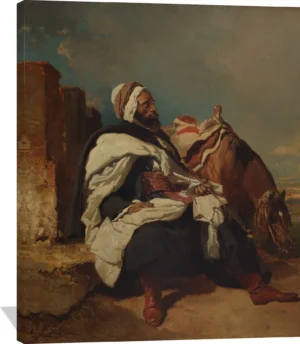
Seated Arab Man with Horse
Alfred DedreuxCanvas from
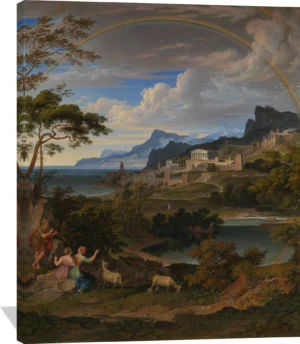
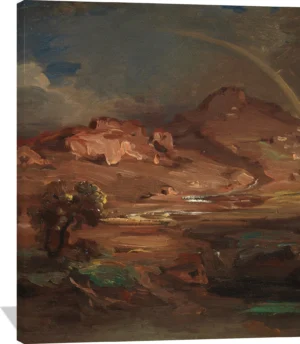
142,00 leiSelect options This product has multiple variants. The options may be chosen on the product pageHeroic Landscape with Rainbow
Joseph Anton KochCanvas from
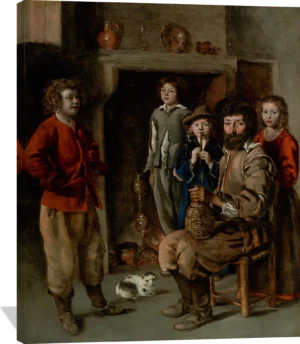
142,00 leiSelect options This product has multiple variants. The options may be chosen on the product pageA Peasant Family
Antoine Le NainCanvas from
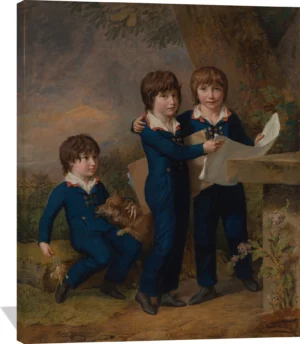
142,00 leiSelect options This product has multiple variants. The options may be chosen on the product pageThe Children of Martin Anton Heckscher: Johann Gustav Wilhelm Moritz (1797–1865), Carl Martin Adolph (1796–1850), and Leopold (born 1792)
Johann Heinrich Wilhelm TischbeinCanvas from
142,00 leiSelect options This product has multiple variants. The options may be chosen on the product pageMadonna and Child with the Infant Saint John the Baptist
Santi di TitoCanvas from
142,00 leiSelect options This product has multiple variants. The options may be chosen on the product pageLandscape with Travelers on a Woodland Path
Jan Brueghel the ElderCanvas from
222,00 leiSelect options This product has multiple variants. The options may be chosen on the product pageA Man and a Woman on Horseback
Philips WouwermanCanvas from
142,00 leiSelect options This product has multiple variants. The options may be chosen on the product pageLandscape with Peasants at a Fountain
Francesco ZuccarelliCanvas from
222,00 leiSelect options This product has multiple variants. The options may be chosen on the product pageMrs. Walter Rathbone Bacon (Virginia Purdy Barker, 1862–1919)
Anders ZornCanvas from
222,00 leiSelect options This product has multiple variants. The options may be chosen on the product pageThe Highland Family
Sir David WilkieCanvas from
222,00 leiSelect options This product has multiple variants. The options may be chosen on the product pageMars and Venus United by Love
Paolo Veronese (Paolo Caliari)Canvas from
142,00 leiSelect options This product has multiple variants. The options may be chosen on the product pageHalt of the Hunt
Carle (Charles André) VanlooCanvas from
142,00 leiSelect options This product has multiple variants. The options may be chosen on the product pageThe Start of the Race of the Riderless Horses
Horace VernetCanvas from
142,00 leiSelect options This product has multiple variants. The options may be chosen on the product pageAbraham’s Parting from the Family of Lot
Jan VictorsCanvas from
142,00 leiSelect options This product has multiple variants. The options may be chosen on the product pageGoing to Market
Constant TroyonCanvas from
142,00 leiSelect options This product has multiple variants. The options may be chosen on the product pageSaint Margaret of Cortona
Gaspare TraversiCanvas from
147,00 leiSelect options This product has multiple variants. The options may be chosen on the product pageThe Flight into Egypt
Cosmè Tura (Cosimo di Domenico di Bonaventura)Canvas from
195,00 leiSelect options This product has multiple variants. The options may be chosen on the product pageThe Billiard Room
Nicolas Antoine TaunayCanvas from
142,00 leiSelect options This product has multiple variants. The options may be chosen on the product pageLandscape with Cattle
Jacob van StrijCanvas from
142,00 leiSelect options This product has multiple variants. The options may be chosen on the product pageThe Third Duke of Dorset’s Hunter with a Groom and a Dog
George StubbsCanvas from
142,00 leiSelect options This product has multiple variants. The options may be chosen on the product pageTobias Curing His Father’s Blindness
Bernardo StrozziCanvas from
222,00 leiSelect options This product has multiple variants. The options may be chosen on the product page