The Dormition of the Virgin
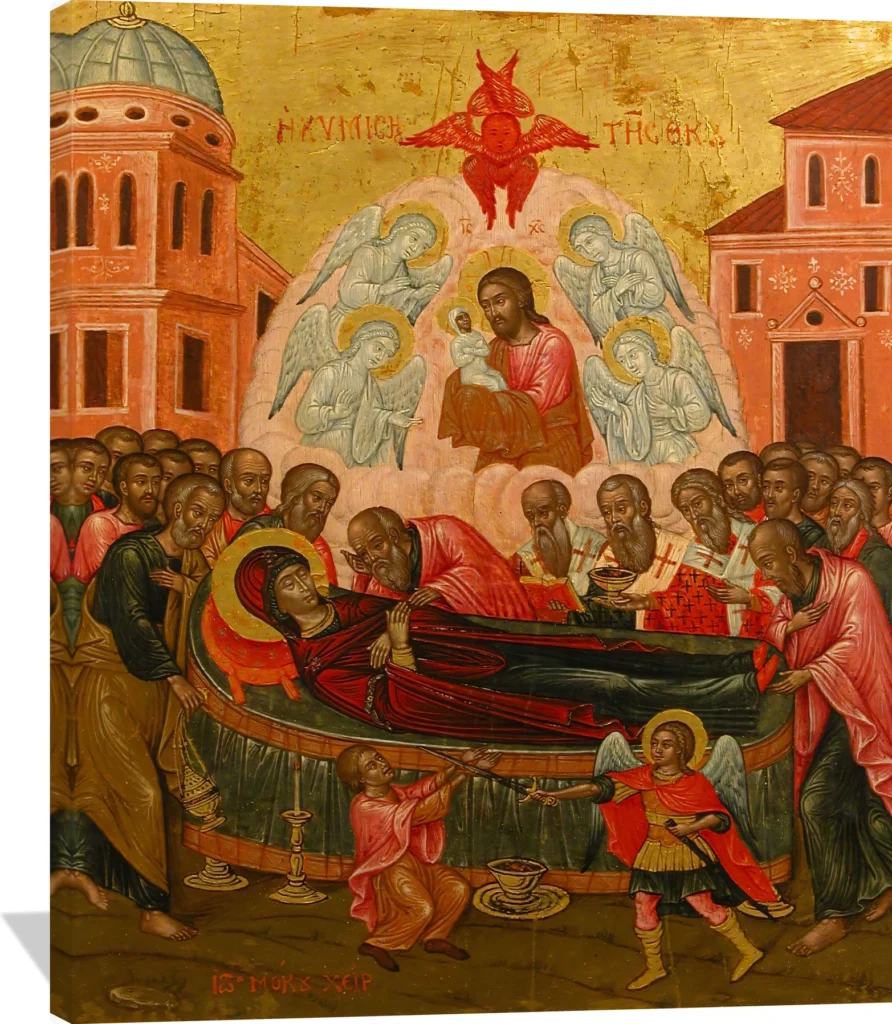
The Ioannes Mokos The Dormition of the Virgin canvas captures a moment of sacred serenity and divine ascension in luminous Byzantine style. Rendered in warm golds, deep crimsons, and soft blues, this masterpiece radiates spiritual harmony and timeless devotion. The intricate figures and celestial light evoke reverence and peace, making it an exquisite focal point for any refined interior.
This premium The Dormition of the Virgin wall art brings the grace of 17th-century Greek iconography into your home. Ideal for a living room, study, or entryway, this canvas print invites contemplation and elegance, celebrating Ioannes Mokos’s enduring artistry and the profound beauty of faith.
Ioannes Mokos was a Greek painter active between 1680 and 1724, working during a transformative period in post‑Byzantine art. His oeuvre reflects the subtle transition from strictly traditional iconographic forms toward a more expressive, regionally inflected visual language, making his work noteworthy within the broader history of Eastern Mediterranean devotional painting.
Artistic Style and Approach
Mokos’s style is rooted in the Byzantine canon, yet distinguished by gentle experimentation. He maintained the spiritual clarity and formal restraint characteristic of Orthodox iconography while introducing nuanced modeling, warmer chromatic harmonies, and a heightened sense of human presence. This balance between inherited conventions and refined innovation lends his compositions a quietly resonant power, often marked by a deeply contemplative atmosphere.
Subjects and Themes
His surviving works primarily include icons of Christ, the Virgin, and principal saints, as well as scenes from the liturgical calendar. Mokos excelled at conveying emotional depth through subtle gestures and delicately rendered faces. Whether portraying the solemnity of a saint or the tender gravity of the Virgin and Child, he infused familiar subjects with a sincerity that feels both reverent and immediate.
Historical and Cultural Significance
Active during a period when Greek communities navigated shifting political and cultural landscapes, Mokos contributed to the preservation and gentle evolution of Orthodox visual culture. His work served liturgical spaces and private devotion alike, reinforcing a shared aesthetic language across regions. Today, he is recognized as part of the generation that helped sustain and enrich post‑Byzantine artistic traditions, offering insight into the resilience and adaptability of Greek icon painting.
Trust & policies
- 🚚 Free worldwide shipping
- 🔁 30-day returns (change of mind)
- 🛡️ If damaged/defective/misprinted: free replacement or full refund
- 🌍 Printed in US/CA/EU/UK/AU (based on delivery location)
- 💎 Made to order using acid-free, fade-resistant canvas
- 💎 Solid wood stretcher bars • Pine floating frames
- 🪝 Ready to hang

Shipwreck off Nantucket (Wreck off Nantucket after a Storm)
William BradfordCanvas from
50,00 $Select options This product has multiple variants. The options may be chosen on the product pageThe Ring
John White AlexanderCanvas from
32,00 $Select options This product has multiple variants. The options may be chosen on the product pageCorn Husking
David Gilmour BlytheCanvas from
33,00 $Select options This product has multiple variants. The options may be chosen on the product pageMrs. Samuel Cutts
Joseph BlackburnCanvas from
32,00 $Select options This product has multiple variants. The options may be chosen on the product pageRepose
John White AlexanderCanvas from
32,00 $Select options This product has multiple variants. The options may be chosen on the product pageLandscape
Ralph Albert BlakelockCanvas from
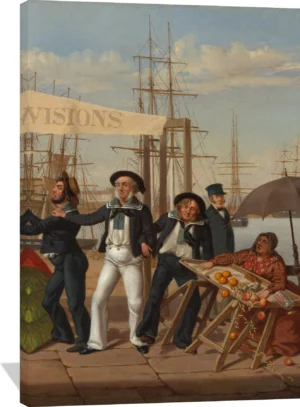
33,00 $Select options This product has multiple variants. The options may be chosen on the product pageAfter a Long Cruise
John CarlinCanvas from
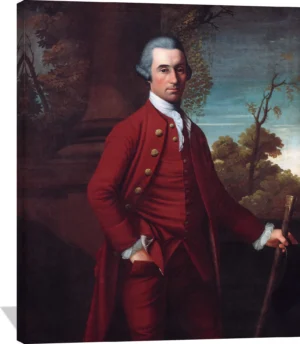
50,00 $Select options This product has multiple variants. The options may be chosen on the product pagePortrait of a Gentleman
Henry BenbridgeCanvas from
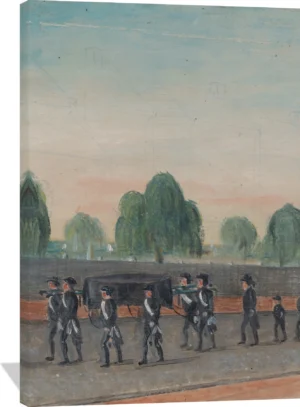
32,00 $Select options This product has multiple variants. The options may be chosen on the product pageAdult Funeral Procession
William P. ChappelCanvas from
50,00 $Select options This product has multiple variants. The options may be chosen on the product pageNevada Falls, Yosemite
Albert BierstadtCanvas from
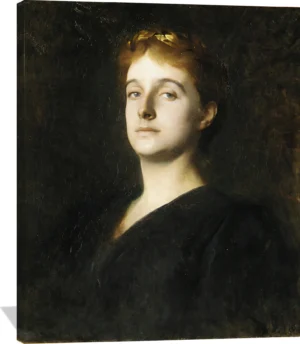
32,00 $Select options This product has multiple variants. The options may be chosen on the product pageEleanor Hardy Bunker
Dennis Miller BunkerCanvas from
32,00 $Select options This product has multiple variants. The options may be chosen on the product pageThe Pipe Dance
Ralph Albert BlakelockCanvas from
50,00 $Select options This product has multiple variants. The options may be chosen on the product pageView from the Artist’s Window, Grove Street
Robert Frederick BlumCanvas from
32,00 $Select options This product has multiple variants. The options may be chosen on the product pageStudy in Green and Black
John White AlexanderCanvas from
32,00 $Select options This product has multiple variants. The options may be chosen on the product pageThe Way They Live
Thomas AnshutzCanvas from
33,00 $Select options This product has multiple variants. The options may be chosen on the product pageBaked Pears in Duane Park
William P. ChappelCanvas from
50,00 $Select options This product has multiple variants. The options may be chosen on the product pageIn the Laboratory
Henry AlexanderCanvas from
32,00 $Select options This product has multiple variants. The options may be chosen on the product pageLake of Orta
J. Carroll BeckwithCanvas from
32,00 $Select options This product has multiple variants. The options may be chosen on the product pageMountain Scene
Albert BierstadtCanvas from
33,00 $Select options This product has multiple variants. The options may be chosen on the product pageMeditation
John George BrownCanvas from
32,00 $Select options This product has multiple variants. The options may be chosen on the product pageSea Cove
Albert BierstadtCanvas from
33,00 $Select options This product has multiple variants. The options may be chosen on the product pageMrs. David Chesebrough
Joseph BlackburnCanvas from
32,00 $Select options This product has multiple variants. The options may be chosen on the product page


Explore Historical Figures
Saint Francis in Ecstasy
Giovanni Benedetto Castiglione (Il Grechetto)Canvas from
33,00 $Select options This product has multiple variants. The options may be chosen on the product pageThe Sacrifice of Polyxena
Charles Le BrunCanvas from
32,00 $Select options This product has multiple variants. The options may be chosen on the product pageDead Christ Supported by Angels
Francesco TrevisaniCanvas from
32,00 $Select options This product has multiple variants. The options may be chosen on the product pageThe Agony in the Garden
Nicolas PoussinCanvas from
32,00 $Select options This product has multiple variants. The options may be chosen on the product pageMedea Rejuvenating Aeson
Corrado GiaquintoCanvas from
32,00 $Select options This product has multiple variants. The options may be chosen on the product pageThe Tears of Saint Peter
Jusepe de Ribera (called Lo Spagnoletto)Canvas from
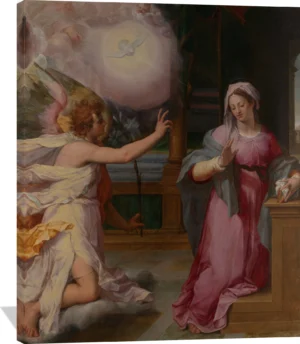
33,00 $Select options This product has multiple variants. The options may be chosen on the product pageThe Annunciation
Peter Candid (Pieter de Witte, Pietro Candido)Canvas from
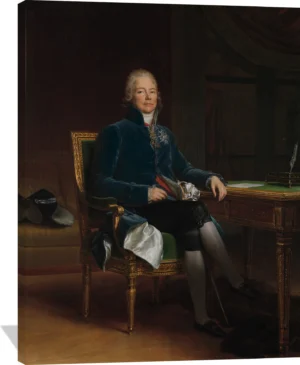
32,00 $Select options This product has multiple variants. The options may be chosen on the product pageCharles Maurice de Talleyrand Périgord (1754–1838), Prince de Bénévent
baron François GérardCanvas from
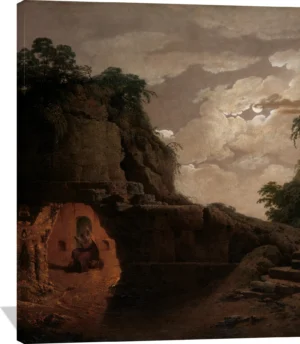
33,00 $Select options This product has multiple variants. The options may be chosen on the product pageVirgil’s Tomb by Moonlight, with Silius Italicus Declaiming
Joseph Wright (Wright of Derby)Canvas from
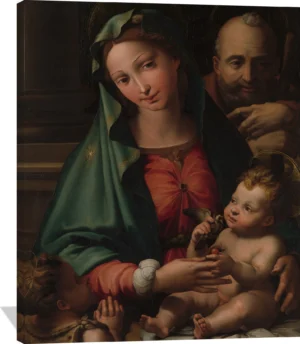
32,00 $Select options This product has multiple variants. The options may be chosen on the product pageThe Holy Family with the Infant Saint John the Baptist
Perino del Vaga (Pietro Buonaccorsi)Canvas from
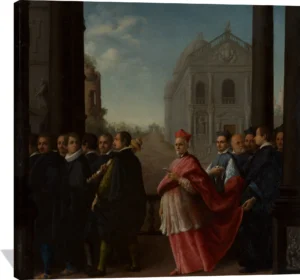
32,00 $Select options This product has multiple variants. The options may be chosen on the product pageA Cardinal’s Procession
Ottavio Leoni (Il Padovano)Canvas from
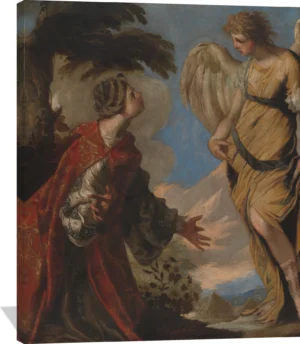
44,00 $Select options This product has multiple variants. The options may be chosen on the product pageHagar and the Angel
Francesco MaffeiCanvas from
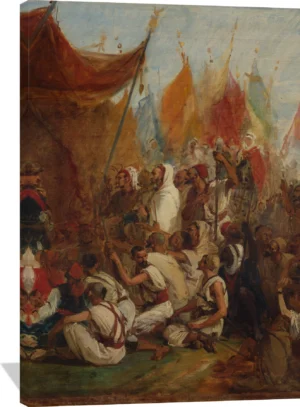
32,00 $Select options This product has multiple variants. The options may be chosen on the product pageSketch for “Reception of Emperor Napoleon III and Empress Eugénie by the Kabyle Leaders at Algiers on September 18, 1860”
Isidore PilsCanvas from
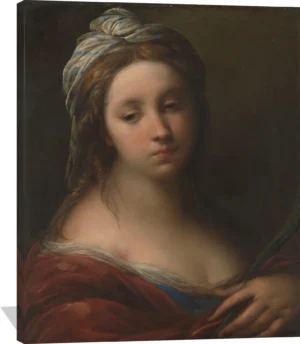
50,00 $Select options This product has multiple variants. The options may be chosen on the product pageA Female Martyr Saint
Carlo Francesco NuvoloneCanvas from
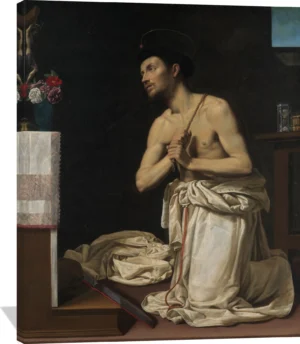
32,00 $Select options This product has multiple variants. The options may be chosen on the product pageSaint Dominic in Penitence
Filippo TarchianiCanvas from
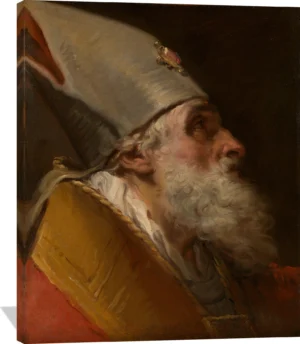
32,00 $Select options This product has multiple variants. The options may be chosen on the product pageHead of a Bishop
Gaetano GandolfiCanvas from
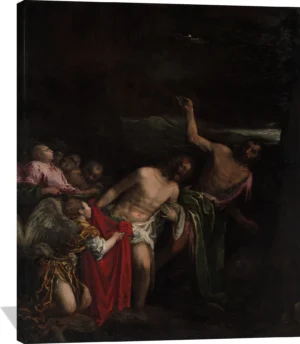
32,00 $Select options This product has multiple variants. The options may be chosen on the product pageThe Baptism of Christ
Jacopo Bassano (Jacopo da Ponte)Canvas from
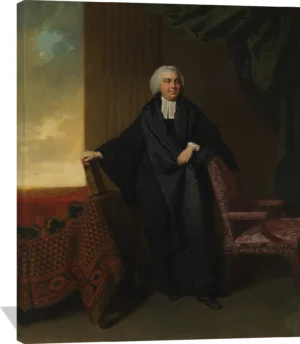
32,00 $Select options This product has multiple variants. The options may be chosen on the product pageThe Reverend Philip Cocks (1735–1797)
Johan Joseph ZoffanyCanvas from
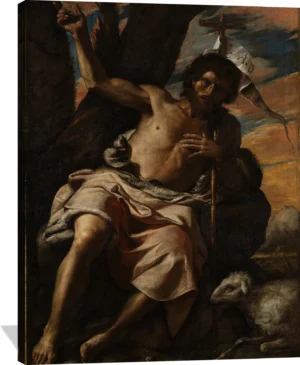
32,00 $Select options This product has multiple variants. The options may be chosen on the product pageSaint John the Baptist Preaching
Mattia Preti (Il Cavalier Calabrese)Canvas from
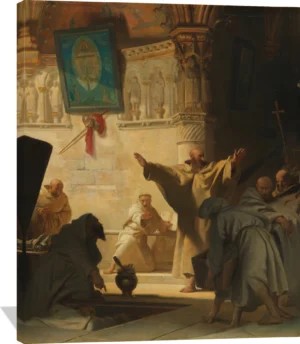
33,00 $Select options This product has multiple variants. The options may be chosen on the product pageDramatic Scene with Monks in a Crypt
Alexandre Evariste FragonardCanvas from
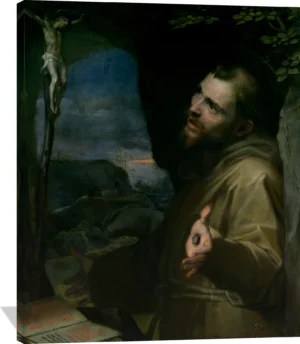
32,00 $Select options This product has multiple variants. The options may be chosen on the product pageSaint Francis
Federico BarocciCanvas from
32,00 $Select options This product has multiple variants. The options may be chosen on the product page
Explore Intricate
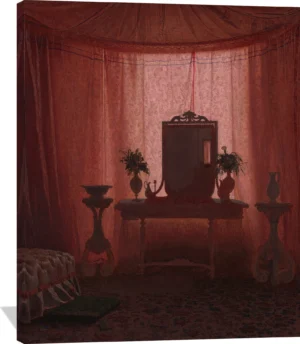
A Bedroom in Bernstorff Palace near Copenhagen
Johan Vilhelm GertnerCanvas from
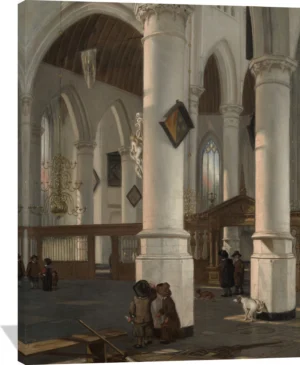
32,00 $Select options This product has multiple variants. The options may be chosen on the product pageInterior of the Oude Kerk, Delft
Emanuel de WitteCanvas from
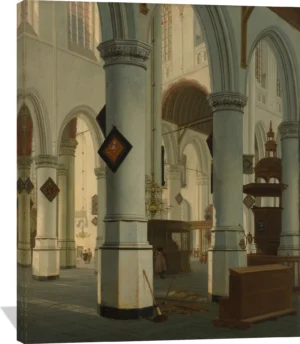
33,00 $Select options This product has multiple variants. The options may be chosen on the product pageInterior of the Oude Kerk, Delft
Hendrick van VlietCanvas from
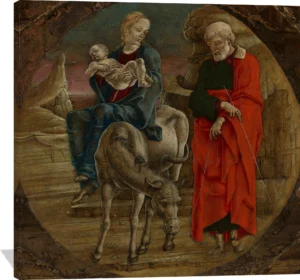
32,00 $Select options This product has multiple variants. The options may be chosen on the product pageThe Flight into Egypt
Cosmè Tura (Cosimo di Domenico di Bonaventura)Canvas from
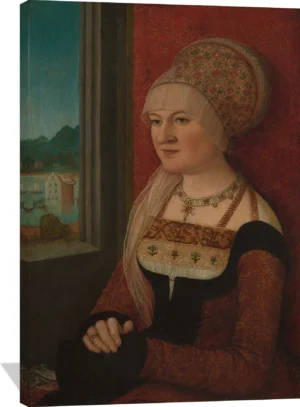
44,00 $Select options This product has multiple variants. The options may be chosen on the product pagePortrait of a Woman
Bernhard StrigelCanvas from
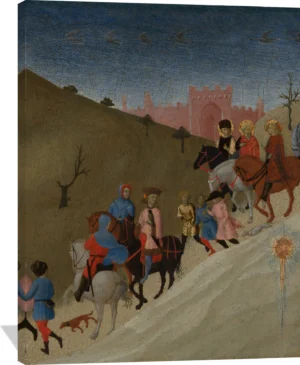
50,00 $Select options This product has multiple variants. The options may be chosen on the product pageThe Journey of the Magi
Sassetta (Stefano di Giovanni)Canvas from
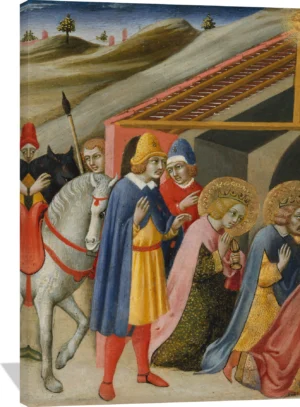
33,00 $Select options This product has multiple variants. The options may be chosen on the product pageThe Adoration of the Magi
Sano di Pietro (Ansano di Pietro di Mencio)Canvas from
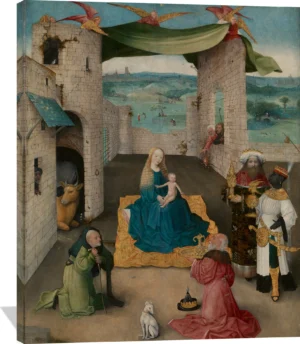
50,00 $Select options This product has multiple variants. The options may be chosen on the product pageThe Adoration of the Magi
Hieronymus BoschCanvas from
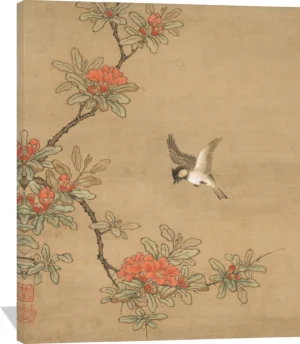
32,00 $Select options This product has multiple variants. The options may be chosen on the product pageTitmouse with Pomegranate Flowers
Kano Yukinobu 狩野之信Canvas from
32,00 $Select options This product has multiple variants. The options may be chosen on the product pageLacquer Paintings of Various Subjects: Drum for Gagaku Dance
Shibata ZeshinCanvas from
32,00 $Select options This product has multiple variants. The options may be chosen on the product pageBird and Frog
Kawanabe Kyōsai 河鍋暁斎Canvas from
32,00 $Select options This product has multiple variants. The options may be chosen on the product pageFox Catching Bird
Kawanabe Kyōsai 河鍋暁斎Canvas from
32,00 $Select options This product has multiple variants. The options may be chosen on the product pageOwl Mocked by Small Birds
Kawanabe Kyōsai 河鍋暁斎Canvas from
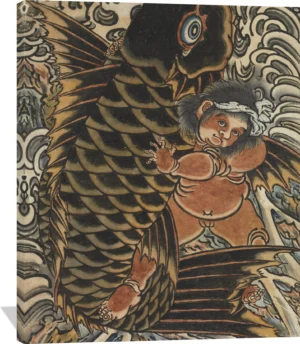
32,00 $Select options This product has multiple variants. The options may be chosen on the product pageKintaro with Carp
Canvas from
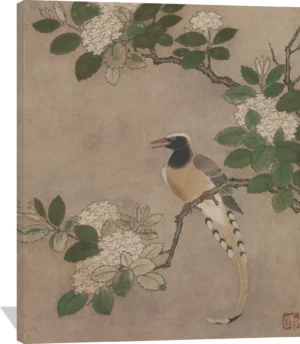
32,00 $Select options This product has multiple variants. The options may be chosen on the product pageMagpie on Viburnum Branch
GengaCanvas from
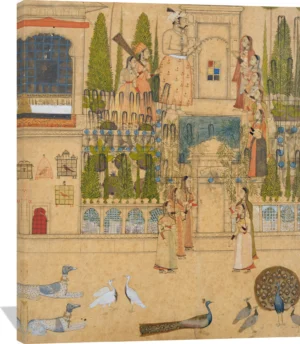
32,00 $Select options This product has multiple variants. The options may be chosen on the product pageMaharana Amar Singh II with Ladies of the Zenana outside the Picture Hall at Rajnagar
Stipple MasterCanvas from
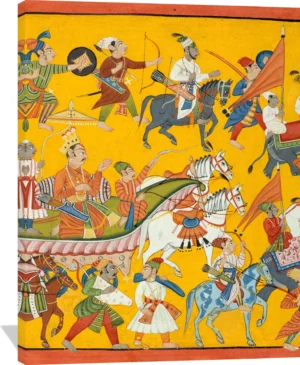
32,00 $Select options This product has multiple variants. The options may be chosen on the product pageKing Dasaratha and His Retinue Proceed to Rama’s Wedding: Folio from the Shangri Ramayana Series (Style II)
Canvas from
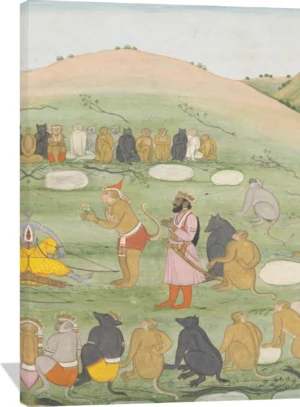
33,00 $Select options This product has multiple variants. The options may be chosen on the product pageHanuman Revives Rama and Lakshmana with Medicinal Herbs: Illustrated folio from a dispersed Ramayana series
NainsukhCanvas from
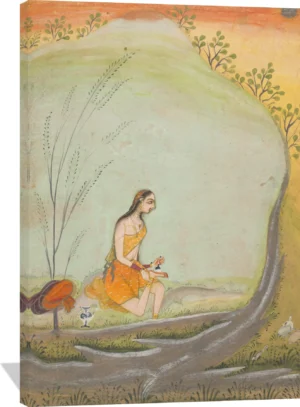
50,00 $Select options This product has multiple variants. The options may be chosen on the product pageA Lady Applying Henna to Her Foot
Ustad Mohamed, son of MuradCanvas from
33,00 $Select options This product has multiple variants. The options may be chosen on the product pageMaharana Jagat Singh Hawks for Cranes
Shiva and DayalCanvas from
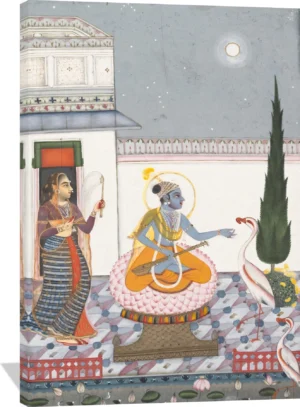
44,00 $Select options This product has multiple variants. The options may be chosen on the product pageChandravimba Ragaputra: Page from a Dispersed “Boston” Ragamala Series (Garland of Musical Modes)
Canvas from
50,00 $Select options This product has multiple variants. The options may be chosen on the product page
Explore Religious Figures
Madonna and Child
Francesco Granacci (Francesco di Andrea di Marco)Canvas from
32,00 $Select options This product has multiple variants. The options may be chosen on the product pagePope Gregory XVI Visiting the Church of San Benedetto at Subiaco
Jean-François MontessuyCanvas from
44,00 $Select options This product has multiple variants. The options may be chosen on the product pageThe Denial of Saint Peter
Ludovico CarracciCanvas from
50,00 $Select options This product has multiple variants. The options may be chosen on the product pageThe Massacre of the Innocents
François Joseph NavezCanvas from
32,00 $Select options This product has multiple variants. The options may be chosen on the product pageThe Virgin Adored by Saints
Scarsellino (Ippolito Scarsella)Canvas from
33,00 $Select options This product has multiple variants. The options may be chosen on the product pageMadonna and Child with the Infant Saint John the Baptist
Santi di TitoCanvas from
32,00 $Select options This product has multiple variants. The options may be chosen on the product pageThe Last Communion of Saint Mary of Egypt
Marcantonio FranceschiniCanvas from
32,00 $Select options This product has multiple variants. The options may be chosen on the product pageThe Young Virgin
Francisco de ZurbaránCanvas from
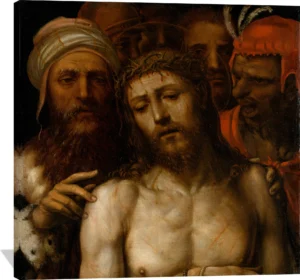
32,00 $Select options This product has multiple variants. The options may be chosen on the product pageChrist Presented to the People (Ecce Homo)
Sodoma (Giovanni Antonio Bazzi)Canvas from
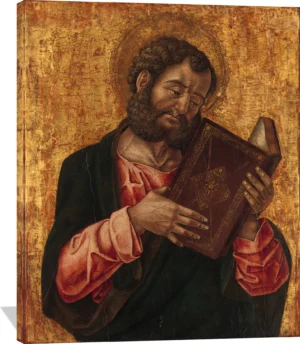
44,00 $Select options This product has multiple variants. The options may be chosen on the product pageA Saint (Mark?) Reading
Bartolomeo VivariniCanvas from
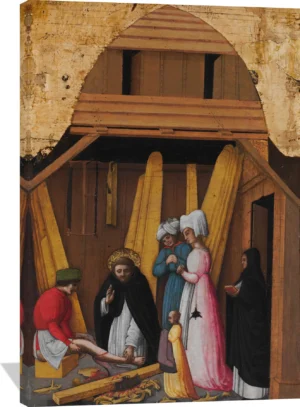
32,00 $Select options This product has multiple variants. The options may be chosen on the product pageSaint Peter Martyr Healing the Leg of a Young Man
Antonio VivariniCanvas from
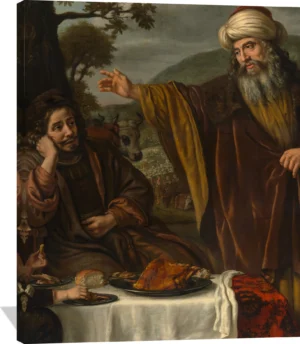
50,00 $Select options This product has multiple variants. The options may be chosen on the product pageAbraham’s Parting from the Family of Lot
Jan VictorsCanvas from
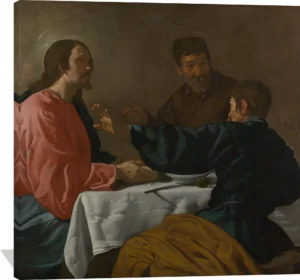
32,00 $Select options This product has multiple variants. The options may be chosen on the product pageThe Supper at Emmaus
Velázquez (Diego Rodríguez de Silva y Velázquez)Canvas from
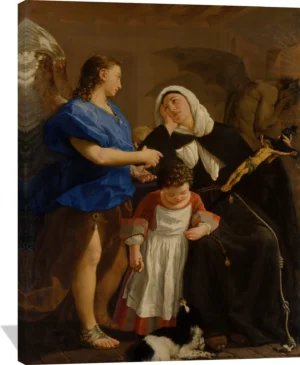
44,00 $Select options This product has multiple variants. The options may be chosen on the product pageSaint Margaret of Cortona
Gaspare TraversiCanvas from
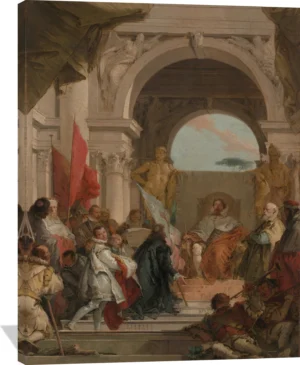
33,00 $Select options This product has multiple variants. The options may be chosen on the product pageThe Investiture of Bishop Harold as Duke of Franconia
Giovanni Battista TiepoloCanvas from
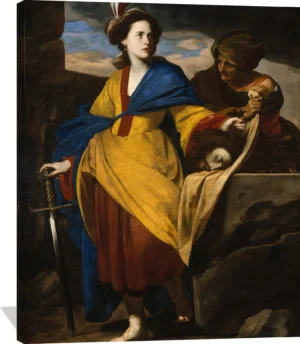
33,00 $Select options This product has multiple variants. The options may be chosen on the product pageJudith with the Head of Holofernes
Massimo StanzioneCanvas from
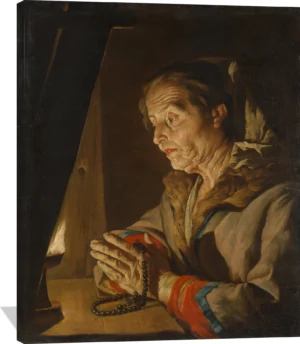
32,00 $Select options This product has multiple variants. The options may be chosen on the product pageOld Woman Praying
Matthias StomCanvas from
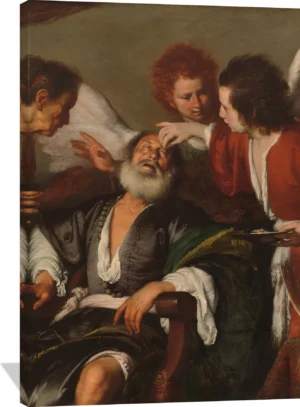
32,00 $Select options This product has multiple variants. The options may be chosen on the product pageTobias Curing His Father’s Blindness
Bernardo StrozziCanvas from
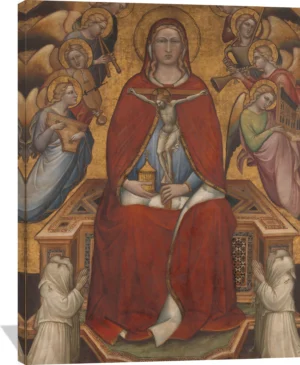
50,00 $Select options This product has multiple variants. The options may be chosen on the product pageSaint Mary Magdalen Holding a Crucifix; (reverse) The Flagellation
Spinello Aretino (Spinello di Luca Spinelli)Canvas from
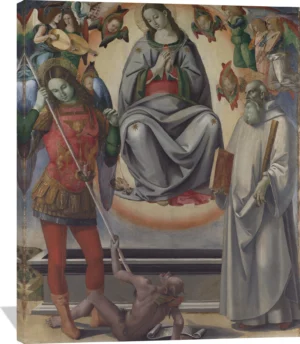
33,00 $Select options This product has multiple variants. The options may be chosen on the product pageThe Assumption of the Virgin with Saints Michael and Benedict
Luca SignorelliCanvas from
32,00 $Select options This product has multiple variants. The options may be chosen on the product pageThe Birth of the Virgin
Francesco SolimenaCanvas from
32,00 $Select options This product has multiple variants. The options may be chosen on the product page