Artistic Style and Approach
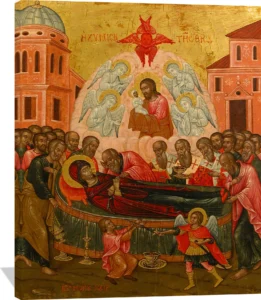
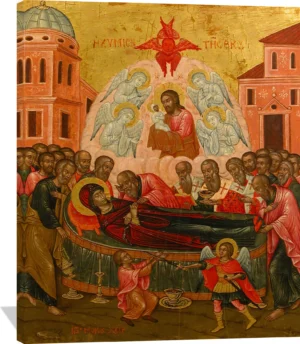
Mokos’s style is rooted in the Byzantine canon, yet distinguished by gentle experimentation. He maintained the spiritual clarity and formal restraint characteristic of Orthodox iconography while introducing nuanced modeling, warmer chromatic harmonies, and a heightened sense of human presence. This balance between inherited conventions and refined innovation lends his compositions a quietly resonant power, often marked by a deeply contemplative atmosphere.
Subjects and Themes
His surviving works primarily include icons of Christ, the Virgin, and principal saints, as well as scenes from the liturgical calendar. Mokos excelled at conveying emotional depth through subtle gestures and delicately rendered faces. Whether portraying the solemnity of a saint or the tender gravity of the Virgin and Child, he infused familiar subjects with a sincerity that feels both reverent and immediate.
Historical and Cultural Significance
Active during a period when Greek communities navigated shifting political and cultural landscapes, Mokos contributed to the preservation and gentle evolution of Orthodox visual culture. His work served liturgical spaces and private devotion alike, reinforcing a shared aesthetic language across regions. Today, he is recognized as part of the generation that helped sustain and enrich post‑Byzantine artistic traditions, offering insight into the resilience and adaptability of Greek icon painting.