Mercy’s Dream
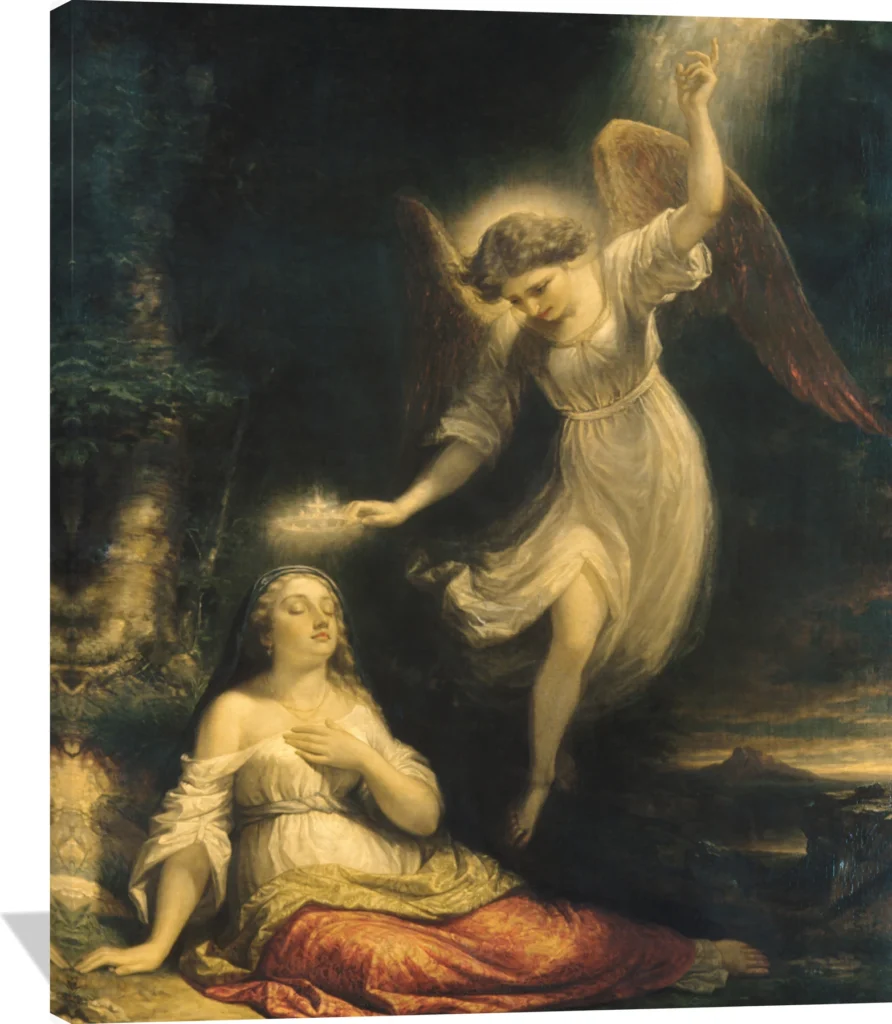
The Daniel Huntington Mercy’s Dream canvas captures a luminous moment of divine serenity, as an angelic figure descends in a soft golden glow to comfort a resting soul. Rendered in warm tones of ivory, crimson, and deep forest green, this vertical composition radiates peace and transcendence. Huntington’s masterful brushwork and gentle light evoke a timeless sense of hope and spiritual grace.
This museum-quality canvas print brings classical elegance to any setting—ideal for a living room, study, or entryway seeking a touch of inspiration. A refined statement piece that invites quiet reflection and enduring beauty.
Daniel Huntington (1816–1906) was a prominent American painter whose long career helped shape the artistic identity of nineteenth‑century New York. Known for his refined technique and intellectual approach to painting, he bridged the worlds of portraiture, historical narrative, and idealized subjects rooted in moral and literary themes.
Artistic Style
Huntington’s work is distinguished by its polished academic finish, balanced compositions, and thoughtful emotional restraint. Influenced by the Hudson River School and European academic traditions, he combined clarity of form with a subtle, luminous palette. His paintings often reflect a harmonious blend of realism and idealism, demonstrating a commitment to both technical mastery and spiritual nuance.
Notable Subjects and Themes
Best known for his portraits, Huntington captured many political, cultural, and intellectual figures of his era with striking sensitivity. His ability to convey character through carefully observed detail made him a sought‑after portraitist in New York’s elite circles. Alongside this work, he produced historical and allegorical scenes that drew upon literature, religious narratives, and concepts of moral virtue. Works such as Mercy’s Dream exemplify his interest in symbolic storytelling and the contemplative inner life.
Contributions and Significance
Huntington played a central role in shaping American art institutions during a period of cultural expansion. A longtime member and later president of the National Academy of Design, he helped elevate professional standards and fostered an environment in which American artists could develop a distinct creative voice. His paintings serve as a visual record of major public figures and intellectual currents spanning more than six decades.
Legacy
Today, Huntington is recognized for his elegant portraiture and his ability to infuse narrative artworks with clarity and quiet depth. His legacy endures as part of the broader story of nineteenth‑century American art, reflecting a time when national identity, cultural aspiration, and artistic ambition converged in New York’s rapidly evolving art world.
Trust & policies
- 🚚 Free worldwide shipping
- 🔁 30-day returns (change of mind)
- 🛡️ If damaged/defective/misprinted: free replacement or full refund
- 🌍 Printed in US/CA/EU/UK/AU (based on delivery location)
- 💎 Made to order using acid-free, fade-resistant canvas
- 💎 Solid wood stretcher bars • Pine floating frames
- 🪝 Ready to hang

Shipwreck off Nantucket (Wreck off Nantucket after a Storm)
William BradfordCanvas from
222,00 leiSelect options This product has multiple variants. The options may be chosen on the product pageLeete Farm, West Claremont, New Hampshire
Francis AlexanderCanvas from
222,00 leiSelect options This product has multiple variants. The options may be chosen on the product pageAn Indian Encampment
Ralph Albert BlakelockCanvas from
195,00 leiSelect options This product has multiple variants. The options may be chosen on the product pageThe Pipe Dance
Ralph Albert BlakelockCanvas from
222,00 leiSelect options This product has multiple variants. The options may be chosen on the product pageA Waterfall, Moonlight
Ralph Albert BlakelockCanvas from
222,00 leiSelect options This product has multiple variants. The options may be chosen on the product pageJanet Halleck Drake
Henry InmanCanvas from
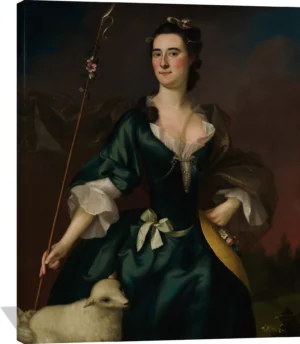
142,00 leiSelect options This product has multiple variants. The options may be chosen on the product pageMrs. Samuel Cutts
Joseph BlackburnCanvas from
142,00 leiSelect options This product has multiple variants. The options may be chosen on the product pageView at Amalfi, Bay of Salerno
George Loring BrownCanvas from
222,00 leiSelect options This product has multiple variants. The options may be chosen on the product pageMrs. Benjamin Simons
Henry BenbridgeCanvas from
142,00 leiSelect options This product has multiple variants. The options may be chosen on the product pageThe Way They Live
Thomas AnshutzCanvas from
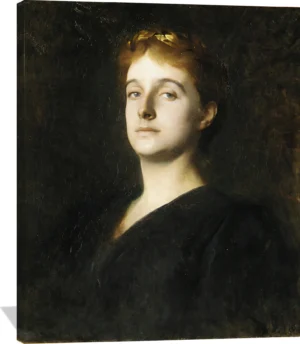
147,00 leiSelect options This product has multiple variants. The options may be chosen on the product pageEleanor Hardy Bunker
Dennis Miller BunkerCanvas from
142,00 leiSelect options This product has multiple variants. The options may be chosen on the product pageMary Sylvester
Joseph BlackburnCanvas from
142,00 leiSelect options This product has multiple variants. The options may be chosen on the product pageNevada Falls, Yosemite
Albert BierstadtCanvas from
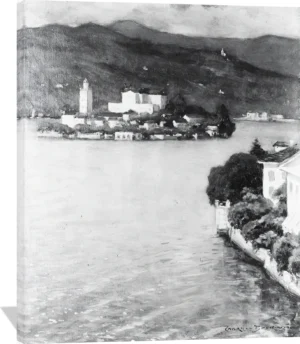
142,00 leiSelect options This product has multiple variants. The options may be chosen on the product pageLake of Orta
J. Carroll BeckwithCanvas from
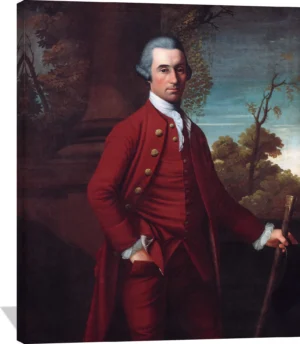
142,00 leiSelect options This product has multiple variants. The options may be chosen on the product pagePortrait of a Gentleman
Henry BenbridgeCanvas from
142,00 leiSelect options This product has multiple variants. The options may be chosen on the product pageAfter a Long Cruise
John CarlinCanvas from
222,00 leiSelect options This product has multiple variants. The options may be chosen on the product pageWalt Whitman
John White AlexanderCanvas from
142,00 leiSelect options This product has multiple variants. The options may be chosen on the product pageStudy in Green and Black
John White AlexanderCanvas from
142,00 leiSelect options This product has multiple variants. The options may be chosen on the product pageThe Ameya
Robert Frederick BlumCanvas from
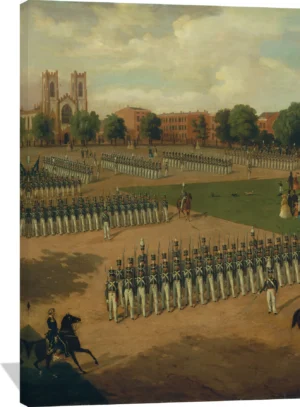
142,00 leiSelect options This product has multiple variants. The options may be chosen on the product pageSeventh Regiment on Review, Washington Square, New York
Otto BoetticherCanvas from
222,00 leiSelect options This product has multiple variants. The options may be chosen on the product pageLandscape
Ralph Albert BlakelockCanvas from
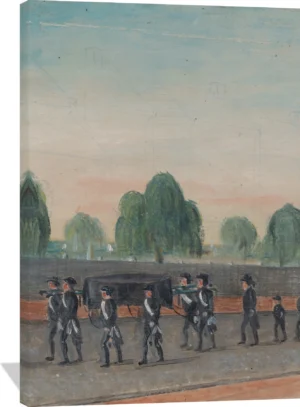
147,00 leiSelect options This product has multiple variants. The options may be chosen on the product pageAdult Funeral Procession
William P. ChappelCanvas from
222,00 leiSelect options This product has multiple variants. The options may be chosen on the product page

Explore Daniel Huntington
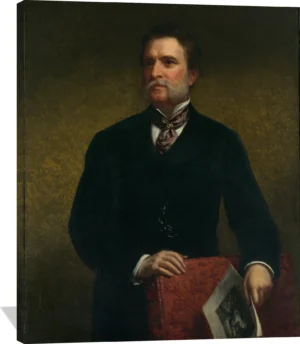
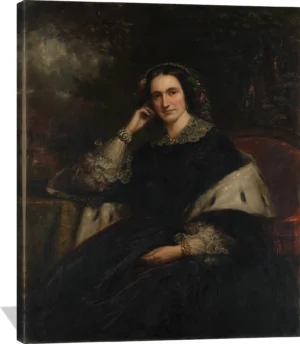
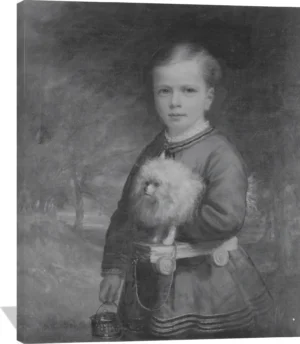
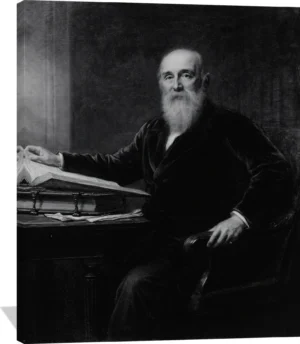
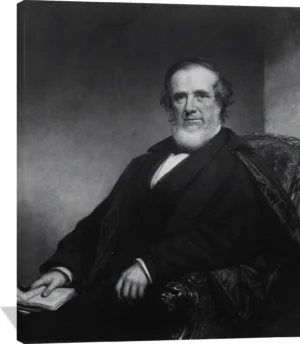
John Taylor Johnston
Daniel HuntingtonCanvas from
142,00 leiSelect options This product has multiple variants. The options may be chosen on the product pageMrs. Birdsall Cornell
Daniel HuntingtonCanvas from
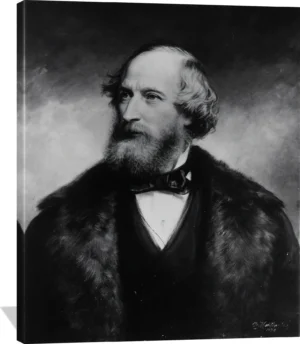
142,00 leiSelect options This product has multiple variants. The options may be chosen on the product pageCyrus W. Field
Daniel HuntingtonCanvas from
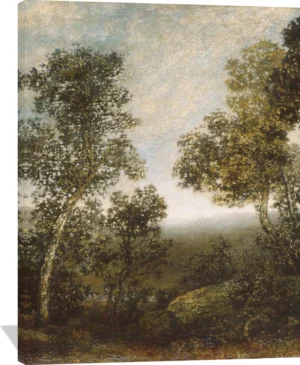
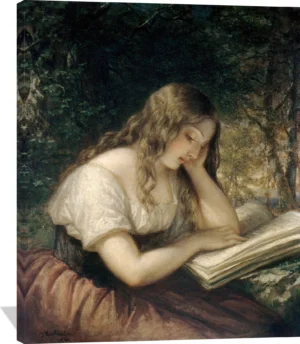
142,00 leiSelect options This product has multiple variants. The options may be chosen on the product pageStudy in a Wood
Daniel HuntingtonCanvas from
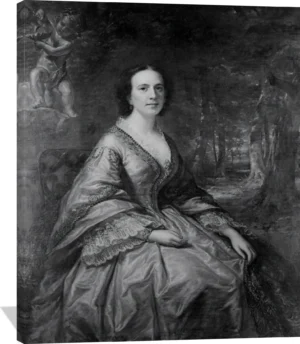
142,00 leiSelect options This product has multiple variants. The options may be chosen on the product pageMrs. Sylvester Dering
Daniel HuntingtonCanvas from
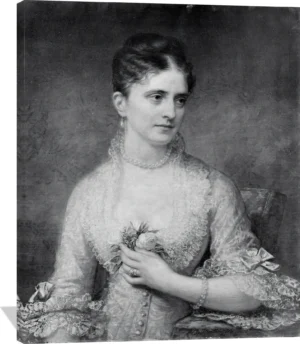
142,00 leiSelect options This product has multiple variants. The options may be chosen on the product pageAnna Watson Stuart
Daniel HuntingtonCanvas from
142,00 leiSelect options This product has multiple variants. The options may be chosen on the product pageNicoll Havens Dering
Daniel HuntingtonCanvas from
142,00 leiSelect options This product has multiple variants. The options may be chosen on the product pageWilliam C. Prime
Daniel HuntingtonCanvas from
142,00 leiSelect options This product has multiple variants. The options may be chosen on the product pageJohn David Wolfe
Daniel HuntingtonCanvas from
142,00 leiSelect options This product has multiple variants. The options may be chosen on the product page
Explore Historical Figures
Saint Francis in Ecstasy
Giovanni Benedetto Castiglione (Il Grechetto)Canvas from
147,00 leiSelect options This product has multiple variants. The options may be chosen on the product pageThe Sacrifice of Polyxena
Charles Le BrunCanvas from
142,00 leiSelect options This product has multiple variants. The options may be chosen on the product pageDead Christ Supported by Angels
Francesco TrevisaniCanvas from
142,00 leiSelect options This product has multiple variants. The options may be chosen on the product pageThe Agony in the Garden
Nicolas PoussinCanvas from
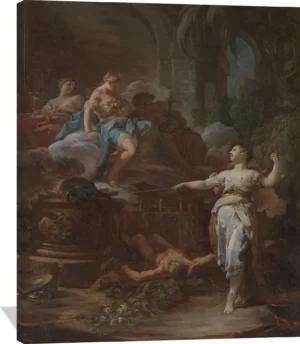
142,00 leiSelect options This product has multiple variants. The options may be chosen on the product pageMedea Rejuvenating Aeson
Corrado GiaquintoCanvas from
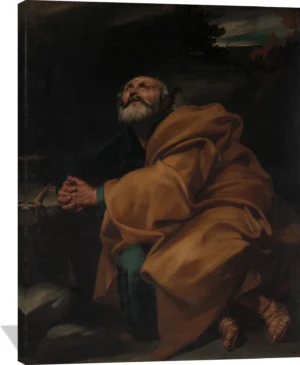
142,00 leiSelect options This product has multiple variants. The options may be chosen on the product pageThe Tears of Saint Peter
Jusepe de Ribera (called Lo Spagnoletto)Canvas from
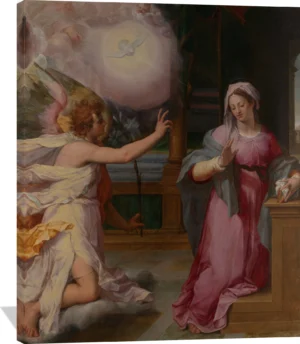
147,00 leiSelect options This product has multiple variants. The options may be chosen on the product pageThe Annunciation
Peter Candid (Pieter de Witte, Pietro Candido)Canvas from
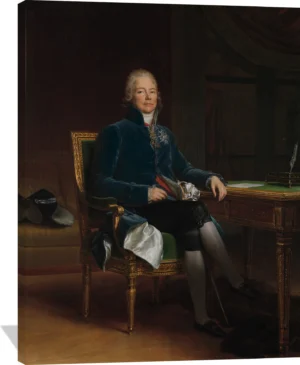
142,00 leiSelect options This product has multiple variants. The options may be chosen on the product pageCharles Maurice de Talleyrand Périgord (1754–1838), Prince de Bénévent
baron François GérardCanvas from
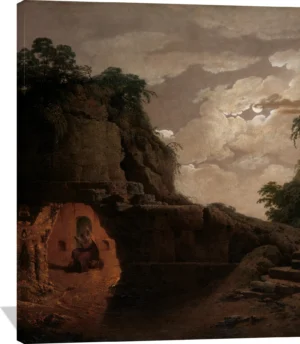
147,00 leiSelect options This product has multiple variants. The options may be chosen on the product pageVirgil’s Tomb by Moonlight, with Silius Italicus Declaiming
Joseph Wright (Wright of Derby)Canvas from
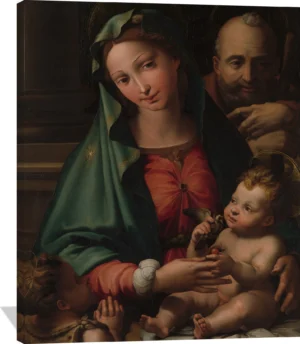
142,00 leiSelect options This product has multiple variants. The options may be chosen on the product pageThe Holy Family with the Infant Saint John the Baptist
Perino del Vaga (Pietro Buonaccorsi)Canvas from
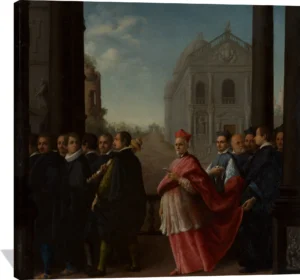
142,00 leiSelect options This product has multiple variants. The options may be chosen on the product pageA Cardinal’s Procession
Ottavio Leoni (Il Padovano)Canvas from
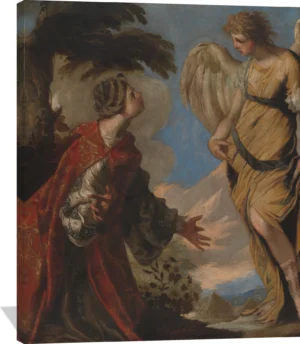
195,00 leiSelect options This product has multiple variants. The options may be chosen on the product pageHagar and the Angel
Francesco MaffeiCanvas from
142,00 leiSelect options This product has multiple variants. The options may be chosen on the product pageSketch for “Reception of Emperor Napoleon III and Empress Eugénie by the Kabyle Leaders at Algiers on September 18, 1860”
Isidore PilsCanvas from
222,00 leiSelect options This product has multiple variants. The options may be chosen on the product pageA Female Martyr Saint
Carlo Francesco NuvoloneCanvas from
142,00 leiSelect options This product has multiple variants. The options may be chosen on the product pageSaint Dominic in Penitence
Filippo TarchianiCanvas from
142,00 leiSelect options This product has multiple variants. The options may be chosen on the product pageHead of a Bishop
Gaetano GandolfiCanvas from
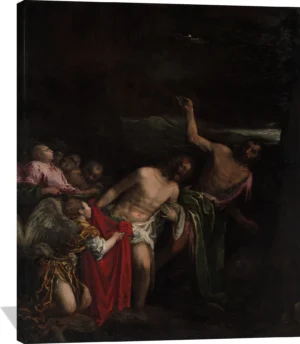
142,00 leiSelect options This product has multiple variants. The options may be chosen on the product pageThe Baptism of Christ
Jacopo Bassano (Jacopo da Ponte)Canvas from
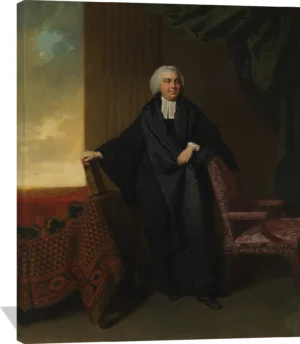
142,00 leiSelect options This product has multiple variants. The options may be chosen on the product pageThe Reverend Philip Cocks (1735–1797)
Johan Joseph ZoffanyCanvas from
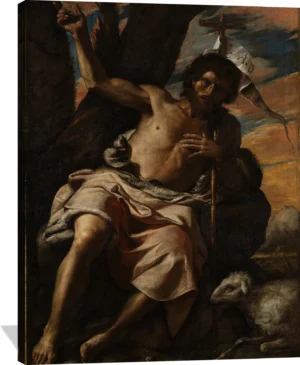
142,00 leiSelect options This product has multiple variants. The options may be chosen on the product pageSaint John the Baptist Preaching
Mattia Preti (Il Cavalier Calabrese)Canvas from
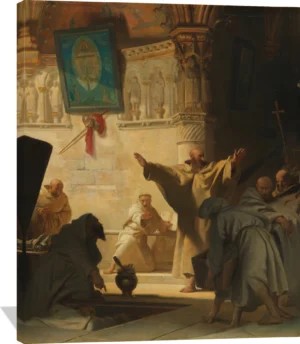
147,00 leiSelect options This product has multiple variants. The options may be chosen on the product pageDramatic Scene with Monks in a Crypt
Alexandre Evariste FragonardCanvas from
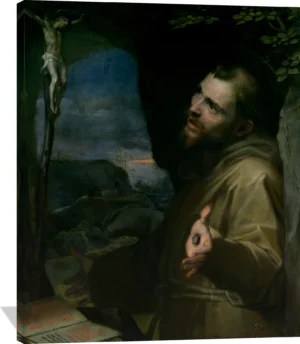
142,00 leiSelect options This product has multiple variants. The options may be chosen on the product pageSaint Francis
Federico BarocciCanvas from
142,00 leiSelect options This product has multiple variants. The options may be chosen on the product page
Explore Ethereal
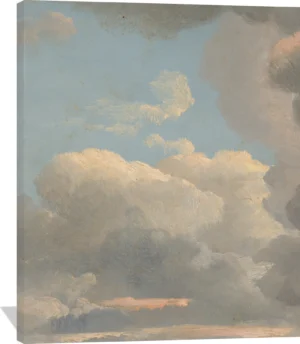
Cloud Study (Early Evening)
Simon DenisCanvas from
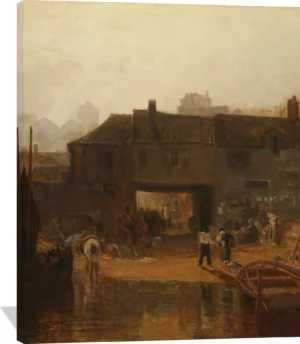
142,00 leiSelect options This product has multiple variants. The options may be chosen on the product pageSaltash with the Water Ferry, Cornwall
Joseph Mallord William TurnerCanvas from
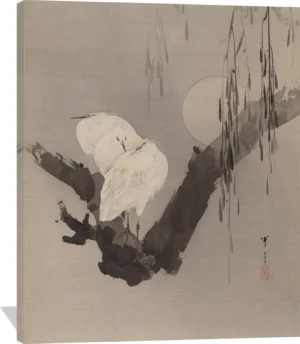
142,00 leiSelect options This product has multiple variants. The options may be chosen on the product pageEgrets in a Tree at Night
Watanabe SeiteiCanvas from
142,00 leiSelect options This product has multiple variants. The options may be chosen on the product pageSage Floating on Lotus Leaf
Unidentified artistCanvas from
142,00 leiSelect options This product has multiple variants. The options may be chosen on the product pageUnderneath Niagara Falls
Ferdinand RichardtCanvas from
142,00 leiSelect options This product has multiple variants. The options may be chosen on the product pageSpring Landscape
Thomas DoughtyCanvas from
147,00 leiSelect options This product has multiple variants. The options may be chosen on the product pageThe Aegean Sea
Frederic Edwin ChurchCanvas from
222,00 leiSelect options This product has multiple variants. The options may be chosen on the product pageCloud Study (Distant Storm)
Simon DenisCanvas from
142,00 leiSelect options This product has multiple variants. The options may be chosen on the product pageWhalers
Joseph Mallord William TurnerCanvas from
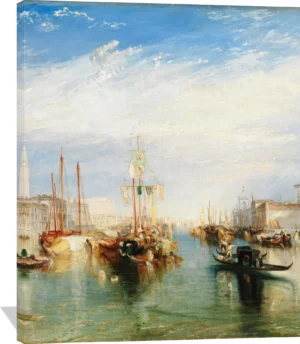
142,00 leiSelect options This product has multiple variants. The options may be chosen on the product pageVenice, from the Porch of Madonna della Salute
Joseph Mallord William TurnerCanvas from
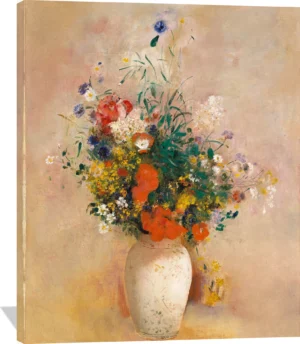
142,00 leiSelect options This product has multiple variants. The options may be chosen on the product pageVase of Flowers (Pink Background)
Odilon RedonCanvas from
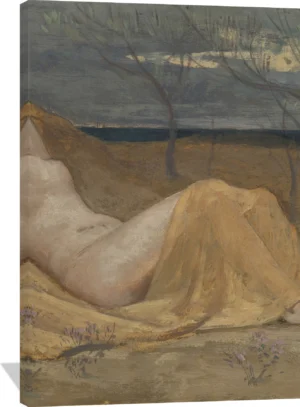
142,00 leiSelect options This product has multiple variants. The options may be chosen on the product pageTamaris
Pierre Puvis de ChavannesCanvas from
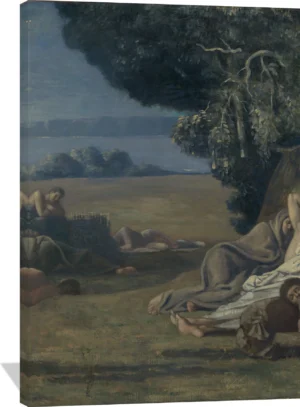
222,00 leiSelect options This product has multiple variants. The options may be chosen on the product pageSleep
Pierre Puvis de ChavannesCanvas from
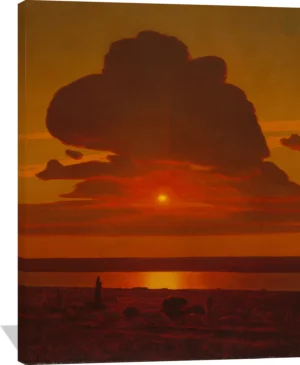
222,00 leiSelect options This product has multiple variants. The options may be chosen on the product pageRed Sunset
Arkhyp Kuindzhi (Arkhip Ivanovich Kuindzhi)Canvas from
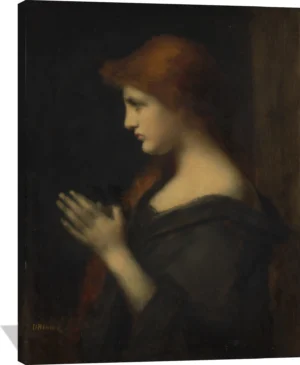
147,00 leiSelect options This product has multiple variants. The options may be chosen on the product pageYoung Woman Praying
Jean-Jacques HennerCanvas from
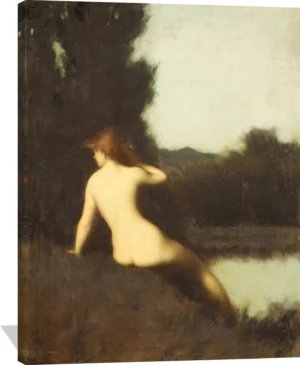
147,00 leiSelect options This product has multiple variants. The options may be chosen on the product pageA Bather (Echo)
Jean-Jacques HennerCanvas from
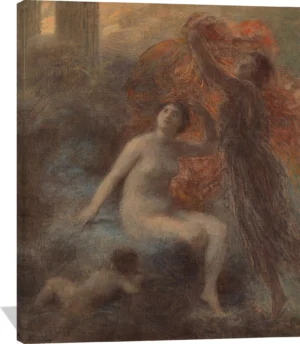
147,00 leiSelect options This product has multiple variants. The options may be chosen on the product pageThe Palace of Aurora
Henri Fantin-LatourCanvas from
142,00 leiSelect options This product has multiple variants. The options may be chosen on the product pageVille-d’Avray
Camille CorotCanvas from
222,00 leiSelect options This product has multiple variants. The options may be chosen on the product pageVisiting a Friend
Seki ShūkōCanvas from
142,00 leiSelect options This product has multiple variants. The options may be chosen on the product pageTraveling by Moonlight
Kawabata GyokushōCanvas from
142,00 leiSelect options This product has multiple variants. The options may be chosen on the product pageBlossoms by a River
Kawabata GyokushōCanvas from
142,00 leiSelect options This product has multiple variants. The options may be chosen on the product page





Explore Religious Figures
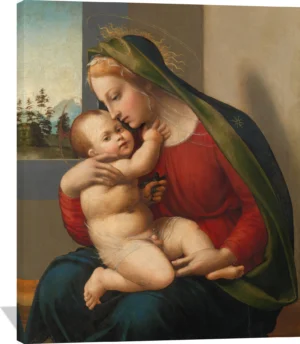
Madonna and Child
Francesco Granacci (Francesco di Andrea di Marco)Canvas from
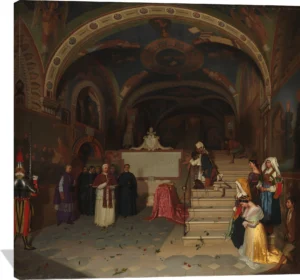
142,00 leiSelect options This product has multiple variants. The options may be chosen on the product pagePope Gregory XVI Visiting the Church of San Benedetto at Subiaco
Jean-François MontessuyCanvas from
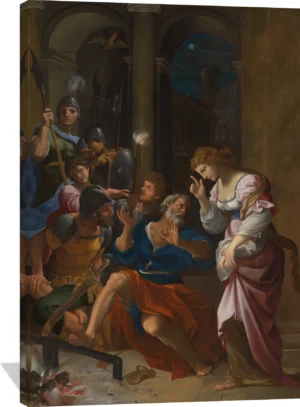
195,00 leiSelect options This product has multiple variants. The options may be chosen on the product pageThe Denial of Saint Peter
Ludovico CarracciCanvas from
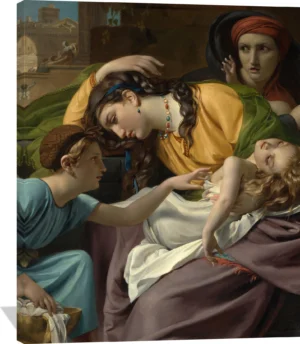
222,00 leiSelect options This product has multiple variants. The options may be chosen on the product pageThe Massacre of the Innocents
François Joseph NavezCanvas from
142,00 leiSelect options This product has multiple variants. The options may be chosen on the product pageThe Virgin Adored by Saints
Scarsellino (Ippolito Scarsella)Canvas from
147,00 leiSelect options This product has multiple variants. The options may be chosen on the product pageMadonna and Child with the Infant Saint John the Baptist
Santi di TitoCanvas from
142,00 leiSelect options This product has multiple variants. The options may be chosen on the product pageThe Last Communion of Saint Mary of Egypt
Marcantonio FranceschiniCanvas from
142,00 leiSelect options This product has multiple variants. The options may be chosen on the product pageThe Young Virgin
Francisco de ZurbaránCanvas from
142,00 leiSelect options This product has multiple variants. The options may be chosen on the product pageChrist Presented to the People (Ecce Homo)
Sodoma (Giovanni Antonio Bazzi)Canvas from
195,00 leiSelect options This product has multiple variants. The options may be chosen on the product pageA Saint (Mark?) Reading
Bartolomeo VivariniCanvas from
142,00 leiSelect options This product has multiple variants. The options may be chosen on the product pageSaint Peter Martyr Healing the Leg of a Young Man
Antonio VivariniCanvas from
222,00 leiSelect options This product has multiple variants. The options may be chosen on the product pageAbraham’s Parting from the Family of Lot
Jan VictorsCanvas from
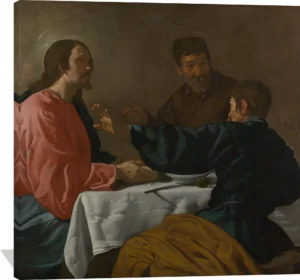
142,00 leiSelect options This product has multiple variants. The options may be chosen on the product pageThe Supper at Emmaus
Velázquez (Diego Rodríguez de Silva y Velázquez)Canvas from
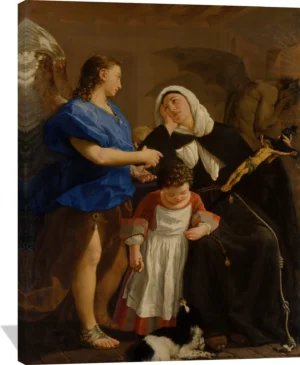
195,00 leiSelect options This product has multiple variants. The options may be chosen on the product pageSaint Margaret of Cortona
Gaspare TraversiCanvas from
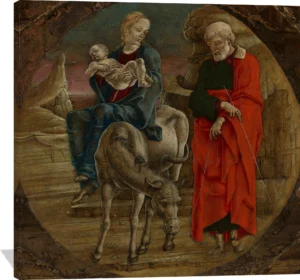
147,00 leiSelect options This product has multiple variants. The options may be chosen on the product pageThe Flight into Egypt
Cosmè Tura (Cosimo di Domenico di Bonaventura)Canvas from
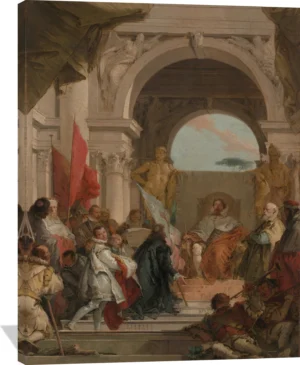
195,00 leiSelect options This product has multiple variants. The options may be chosen on the product pageThe Investiture of Bishop Harold as Duke of Franconia
Giovanni Battista TiepoloCanvas from
147,00 leiSelect options This product has multiple variants. The options may be chosen on the product pageJudith with the Head of Holofernes
Massimo StanzioneCanvas from
142,00 leiSelect options This product has multiple variants. The options may be chosen on the product pageOld Woman Praying
Matthias StomCanvas from
142,00 leiSelect options This product has multiple variants. The options may be chosen on the product pageTobias Curing His Father’s Blindness
Bernardo StrozziCanvas from
222,00 leiSelect options This product has multiple variants. The options may be chosen on the product pageSaint Mary Magdalen Holding a Crucifix; (reverse) The Flagellation
Spinello Aretino (Spinello di Luca Spinelli)Canvas from
147,00 leiSelect options This product has multiple variants. The options may be chosen on the product pageThe Assumption of the Virgin with Saints Michael and Benedict
Luca SignorelliCanvas from
142,00 leiSelect options This product has multiple variants. The options may be chosen on the product page