Artistic Style
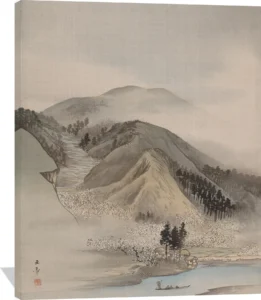
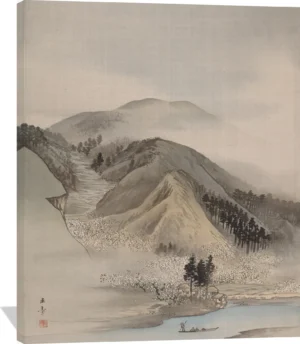
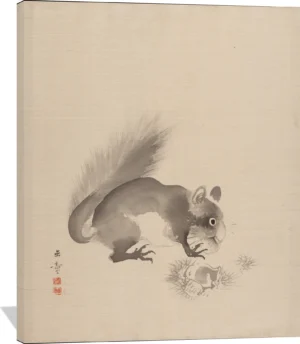
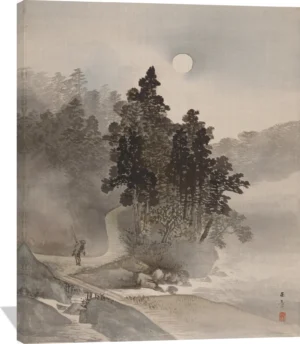
Gyokushō’s style is defined by graceful brushwork, nuanced coloration, and an elegant balance between realism and poetic suggestion. His grounding in Maruyama–Shijō principles is evident in his close attention to detail, yet he infused his paintings with a gentle atmospheric quality that distinguished his hand. This fusion created a visual language that remains admired for its refinement and clarity.
Subjects and Themes
He is particularly celebrated for depictions of birds, animals, flowers, and serene landscapes. These subjects allowed him to explore subtle shifts of light, texture, and movement. Whether portraying a poised hawk or a quiet riverside scene, Gyokushō conveyed a deep sensitivity to nature’s rhythms, often imbuing his compositions with a sense of contemplative calm.
Contributions and Significance
As an influential figure during a time of cultural transformation in Japan, Gyokushō played an important role in preserving traditional painting methods while adapting them to new tastes and expectations. His ability to harmonize classical technique with evolving artistic sensibilities made him a respected teacher and a key contributor to the continuity of Japanese painting. His works remain valued for their technical mastery and timeless elegance, offering insight into the artistic currents that bridged centuries of visual culture.