A Washerwoman at Eragny
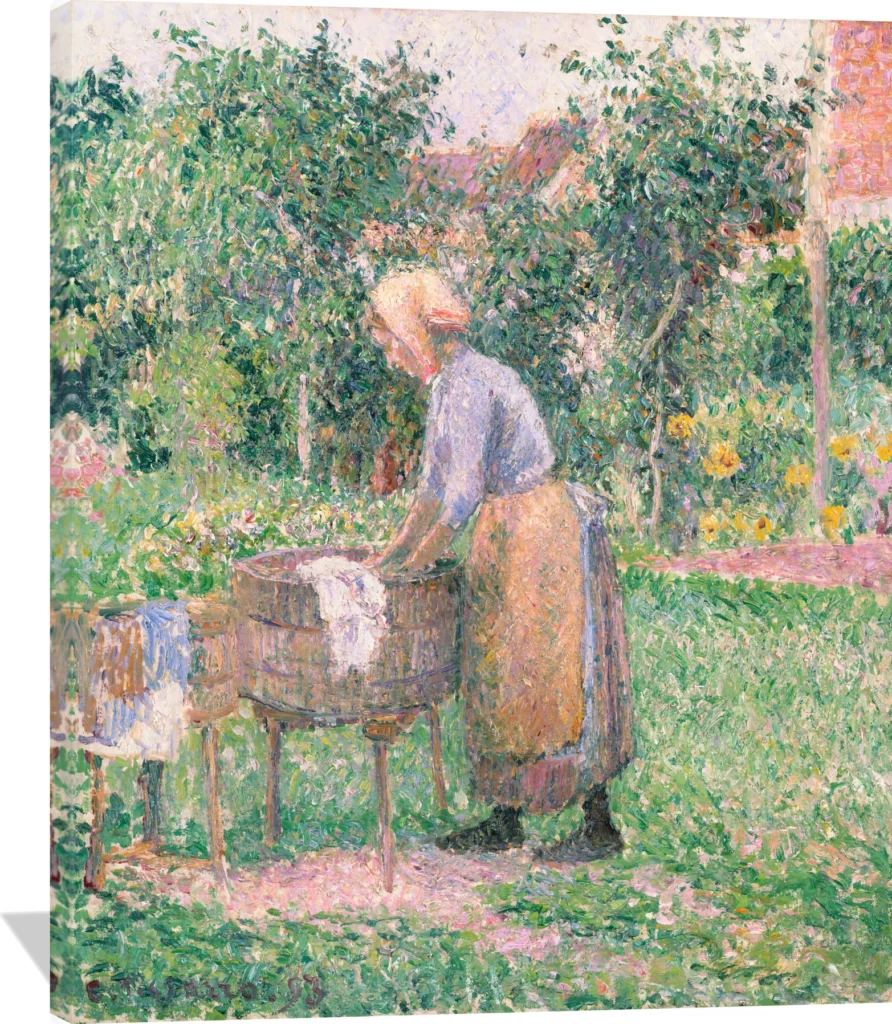
The Camille Pissarro A Washerwoman at Eragny canvas captures a serene rural moment bathed in soft light and natural color. With delicate strokes of green, lavender, rose, and ochre, Pissarro evokes the quiet dignity of daily life amid a lush garden setting. The impressionistic texture and gentle palette bring warmth and authenticity to any space.
This premium A Washerwoman at Eragny wall art makes a refined statement in a living room, study, or entryway. A timeless canvas print that celebrates the beauty of simplicity, it invites calm reflection and a touch of pastoral charm to modern interiors.
Camille Pissarro (1830–1903), born in Charlotte Amalie, Saint Thomas, and later active in Paris, was a foundational figure in the emergence of modern art. As one of the few artists to participate in all eight Impressionist exhibitions, he played a vital role in shaping the movement’s philosophy and aesthetics.
Artistic Style
Pissarro’s work is distinguished by its luminous palette, sensitive brushwork, and devotion to capturing the effects of natural light. Initially a leading voice within Impressionism, he later explored the structured, analytical methods of Neo-Impressionism, adopting pointillist techniques for several years. His ability to move fluidly between styles while maintaining a consistent artistic vision makes him a uniquely influential figure in 19th‑century art.
Subjects and Themes
Renowned for his depictions of rural life, Pissarro painted fields, orchards, peasant laborers, and small villages with remarkable empathy and authenticity. In his later career, he turned to urban subjects, creating atmospheric views of Paris, Rouen, and Dieppe from high vantage points. Whether portraying a bustling boulevard or a quiet country road, he infused each scene with a sense of harmony and lived experience.
Legacy and Significance
Often referred to as the “dean” of the Impressionists, Pissarro was a guiding figure within the group, admired for his thoughtful experimentation and generous mentorship. His openness to new ideas and his commitment to portraying modern life with clarity and sincerity remain central to his enduring appeal. Today, his works ranging from pastoral landscapes to dynamic cityscapes stand as some of the most compelling expressions of Impressionist innovation and the evolving spirit of modern art.
Trust & policies
- 🚚 Free worldwide shipping
- 🔁 30-day returns (change of mind)
- 🛡️ If damaged/defective/misprinted: free replacement or full refund
- 🌍 Printed in US/CA/EU/UK/AU (based on delivery location)
- 💎 Made to order using acid-free, fade-resistant canvas
- 💎 Solid wood stretcher bars • Pine floating frames
- 🪝 Ready to hang

Mountain Scene
Albert BierstadtCanvas from
147,00 leiSelect options This product has multiple variants. The options may be chosen on the product pagePhilip Van Cortlandt
Ezra AmesCanvas from
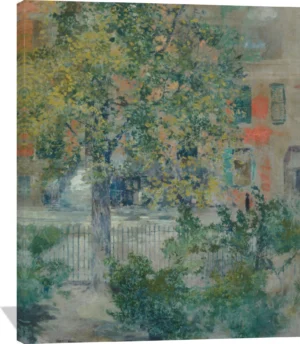
142,00 leiSelect options This product has multiple variants. The options may be chosen on the product pageView from the Artist’s Window, Grove Street
Robert Frederick BlumCanvas from
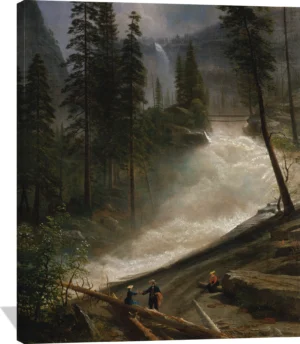
142,00 leiSelect options This product has multiple variants. The options may be chosen on the product pageNevada Falls, Yosemite
Albert BierstadtCanvas from
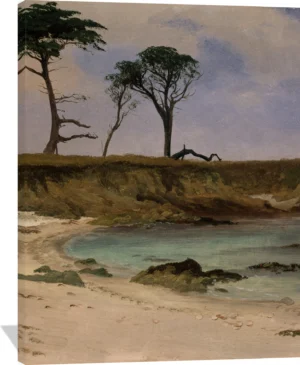
142,00 leiSelect options This product has multiple variants. The options may be chosen on the product pageSea Cove
Albert BierstadtCanvas from
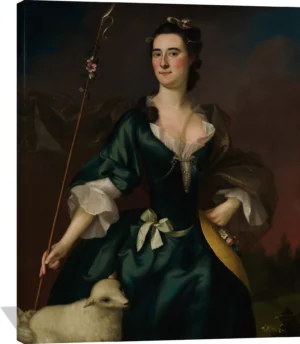
147,00 leiSelect options This product has multiple variants. The options may be chosen on the product pageMary Sylvester
Joseph BlackburnCanvas from
142,00 leiSelect options This product has multiple variants. The options may be chosen on the product pageMerced River, Yosemite Valley
Albert BierstadtCanvas from
147,00 leiSelect options This product has multiple variants. The options may be chosen on the product pageEmma Homan
John BradleyCanvas from
142,00 leiSelect options This product has multiple variants. The options may be chosen on the product pageSeventh Regiment on Review, Washington Square, New York
Otto BoetticherCanvas from
222,00 leiSelect options This product has multiple variants. The options may be chosen on the product pageStudy in Green and Black
John White AlexanderCanvas from
142,00 leiSelect options This product has multiple variants. The options may be chosen on the product pageMeditation
John George BrownCanvas from
142,00 leiSelect options This product has multiple variants. The options may be chosen on the product pageMrs. Benjamin Simons
Henry BenbridgeCanvas from
142,00 leiSelect options This product has multiple variants. The options may be chosen on the product pageCorn Husking
David Gilmour BlytheCanvas from
147,00 leiSelect options This product has multiple variants. The options may be chosen on the product pageAfter a Long Cruise
John CarlinCanvas from
222,00 leiSelect options This product has multiple variants. The options may be chosen on the product pageThe Children of Nathan Starr
Ambrose AndrewsCanvas from
142,00 leiSelect options This product has multiple variants. The options may be chosen on the product pageAn Arctic Summer: Boring Through the Pack in Melville Bay
William BradfordCanvas from
222,00 leiSelect options This product has multiple variants. The options may be chosen on the product pagePortrait of a Gentleman
Henry BenbridgeCanvas from
142,00 leiSelect options This product has multiple variants. The options may be chosen on the product pageSamuel Cutts
Joseph BlackburnCanvas from
142,00 leiSelect options This product has multiple variants. The options may be chosen on the product pageFur Traders Descending the Missouri
George Caleb BinghamCanvas from
142,00 leiSelect options This product has multiple variants. The options may be chosen on the product pageShipwreck off Nantucket (Wreck off Nantucket after a Storm)
William BradfordCanvas from
222,00 leiSelect options This product has multiple variants. The options may be chosen on the product pageThe Ring
John White AlexanderCanvas from
142,00 leiSelect options This product has multiple variants. The options may be chosen on the product pageThe Ameya
Robert Frederick BlumCanvas from
142,00 leiSelect options This product has multiple variants. The options may be chosen on the product page
Explore Camille Pissarro
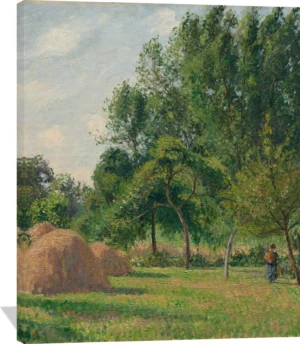
Haystacks, Morning, Eragny
Camille PissarroCanvas from
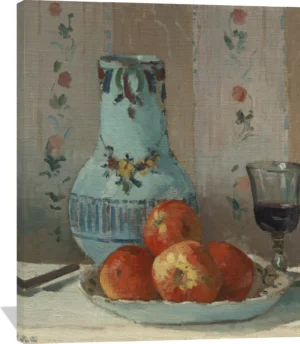
142,00 leiSelect options This product has multiple variants. The options may be chosen on the product pageStill Life with Apples and Pitcher
Camille PissarroCanvas from
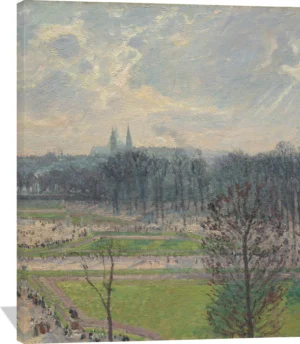
142,00 leiSelect options This product has multiple variants. The options may be chosen on the product pageThe Garden of the Tuileries on a Winter Afternoon
Camille PissarroCanvas from
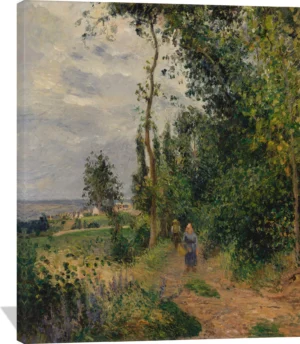
142,00 leiSelect options This product has multiple variants. The options may be chosen on the product pageCôte des Grouettes, near Pontoise
Camille PissarroCanvas from
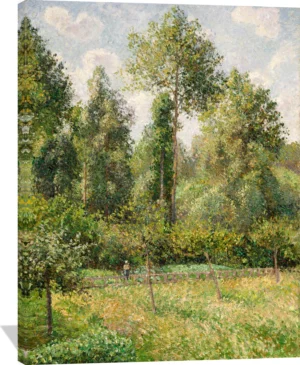
142,00 leiSelect options This product has multiple variants. The options may be chosen on the product pagePoplars, Eragny
Camille PissarroCanvas from
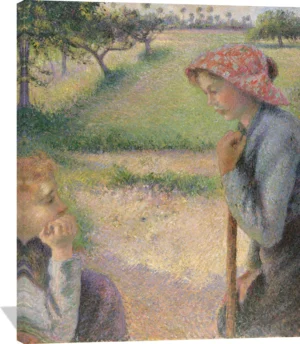
147,00 leiSelect options This product has multiple variants. The options may be chosen on the product pageTwo Young Peasant Women
Camille PissarroCanvas from
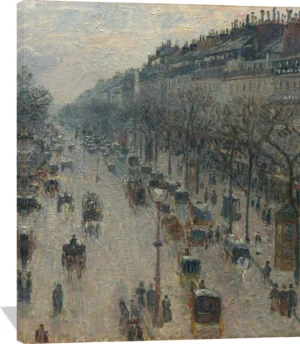
142,00 leiSelect options This product has multiple variants. The options may be chosen on the product pageThe Boulevard Montmartre on a Winter Morning
Camille PissarroCanvas from
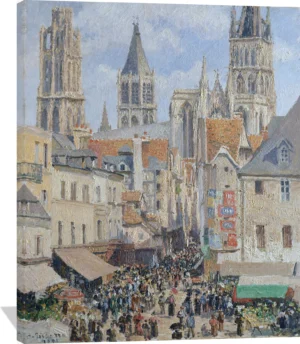
142,00 leiSelect options This product has multiple variants. The options may be chosen on the product pageRue de l’Epicerie, Rouen (Effect of Sunlight)
Camille PissarroCanvas from
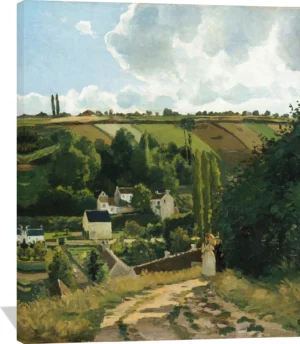
142,00 leiSelect options This product has multiple variants. The options may be chosen on the product pageJalais Hill, Pontoise
Camille PissarroCanvas from
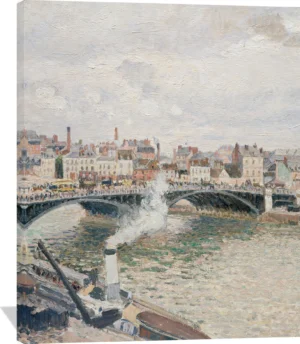
142,00 leiSelect options This product has multiple variants. The options may be chosen on the product pageMorning, An Overcast Day, Rouen
Camille PissarroCanvas from
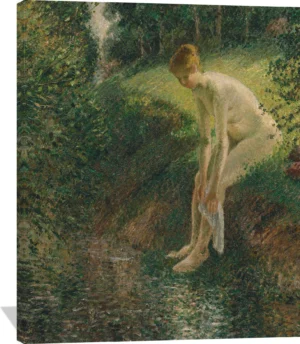
142,00 leiSelect options This product has multiple variants. The options may be chosen on the product pageBather in the Woods
Camille PissarroCanvas from
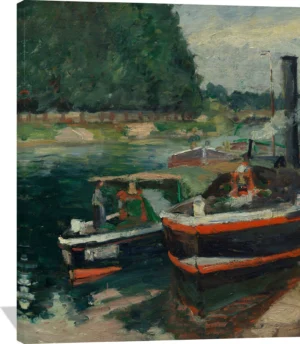
142,00 leiSelect options This product has multiple variants. The options may be chosen on the product pageBarges at Pontoise
Camille PissarroCanvas from
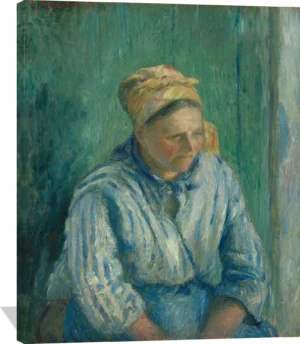
142,00 leiSelect options This product has multiple variants. The options may be chosen on the product pageWasherwoman, Study
Camille PissarroCanvas from
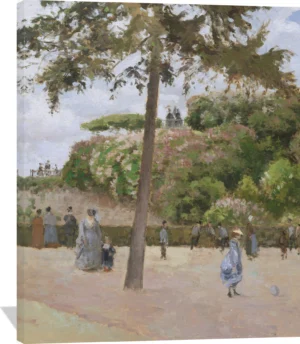
142,00 leiSelect options This product has multiple variants. The options may be chosen on the product pageThe Public Garden at Pontoise
Camille PissarroCanvas from
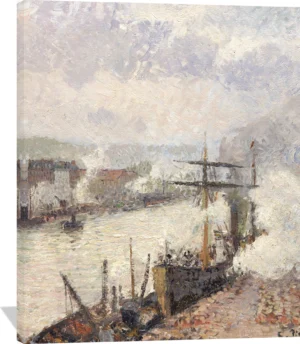
142,00 leiSelect options This product has multiple variants. The options may be chosen on the product pageSteamboats in the Port of Rouen
Camille PissarroCanvas from
142,00 leiSelect options This product has multiple variants. The options may be chosen on the product page
Explore Portraits
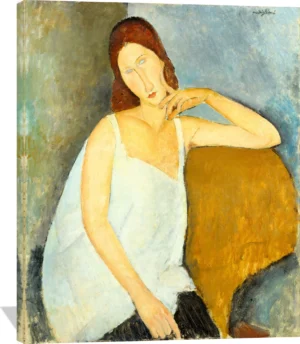
Jeanne Hébuterne
Amedeo ModiglianiCanvas from
142,00 leiSelect options This product has multiple variants. The options may be chosen on the product pageGirl in a Sailor’s Blouse
Amedeo ModiglianiCanvas from
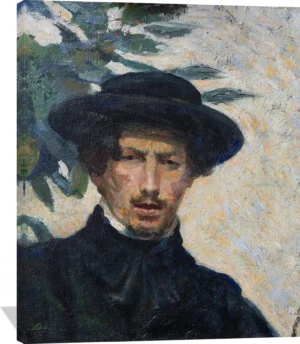
147,00 leiSelect options This product has multiple variants. The options may be chosen on the product pageSelf-Portrait
Umberto BoccioniCanvas from
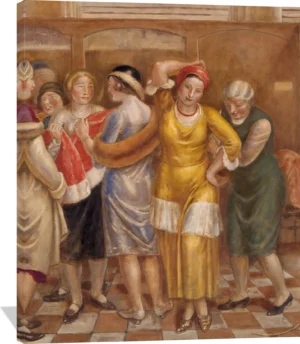
142,00 leiSelect options This product has multiple variants. The options may be chosen on the product pageThe Fitting Room
Kenneth Hayes MillerCanvas from
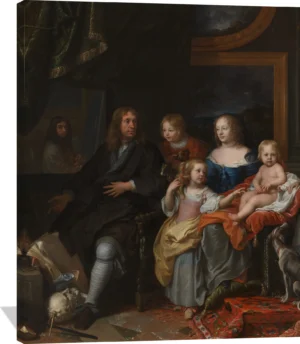
142,00 leiSelect options This product has multiple variants. The options may be chosen on the product pageThe Jabach Family
Charles Le BrunCanvas from
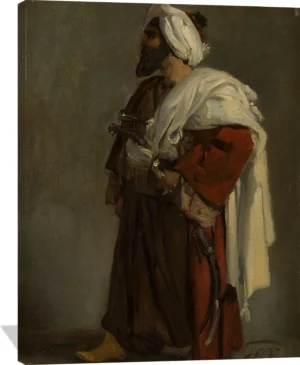
142,00 leiSelect options This product has multiple variants. The options may be chosen on the product pageArab Warrior
Horace VernetCanvas from
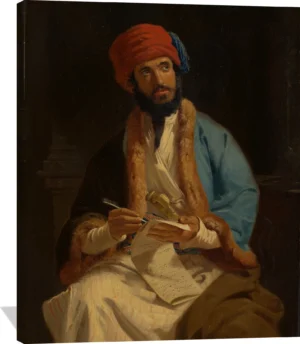
147,00 leiSelect options This product has multiple variants. The options may be chosen on the product pageThe Arab Sage
German PainterCanvas from
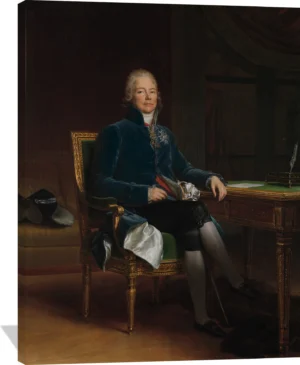
142,00 leiSelect options This product has multiple variants. The options may be chosen on the product pageCharles Maurice de Talleyrand Périgord (1754–1838), Prince de Bénévent
baron François GérardCanvas from
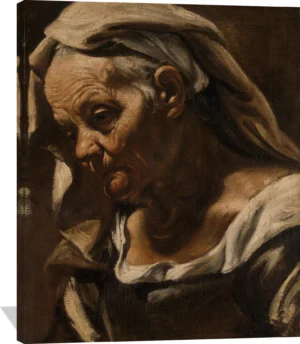
147,00 leiSelect options This product has multiple variants. The options may be chosen on the product pageHead of an Old Woman
Orazio BorgianniCanvas from
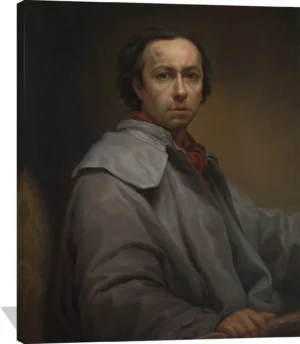
142,00 leiSelect options This product has multiple variants. The options may be chosen on the product pageSelf-Portrait
Anton Raphael MengsCanvas from
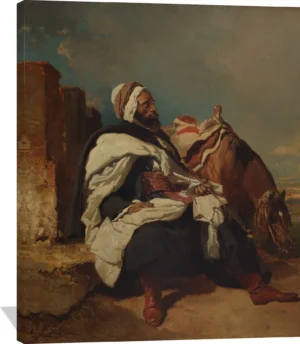
142,00 leiSelect options This product has multiple variants. The options may be chosen on the product pageSeated Arab Man with Horse
Alfred DedreuxCanvas from
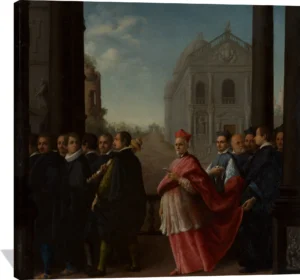
142,00 leiSelect options This product has multiple variants. The options may be chosen on the product pageA Cardinal’s Procession
Ottavio Leoni (Il Padovano)Canvas from
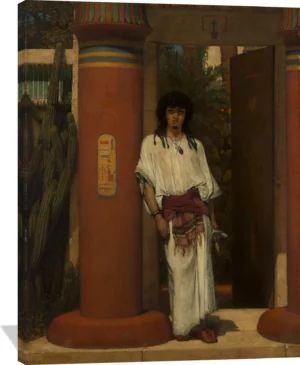
195,00 leiSelect options This product has multiple variants. The options may be chosen on the product pageAn Egyptian in a Doorway
Sir Lawrence Alma-TademaCanvas from
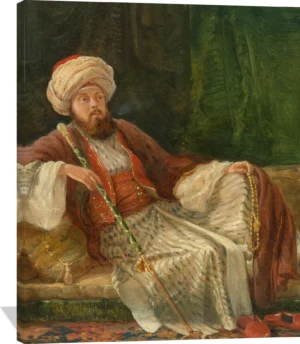
147,00 leiSelect options This product has multiple variants. The options may be chosen on the product pageWestern Gentleman in Oriental Costume
British PainterCanvas from
142,00 leiSelect options This product has multiple variants. The options may be chosen on the product pageA Female Martyr Saint
Carlo Francesco NuvoloneCanvas from
142,00 leiSelect options This product has multiple variants. The options may be chosen on the product pageGirl in a Courtyard, Algiers (formerly Courtyard in Tangier)
Philippe PavyCanvas from
222,00 leiSelect options This product has multiple variants. The options may be chosen on the product pageLute Player
Valentin de BoulogneCanvas from
142,00 leiSelect options This product has multiple variants. The options may be chosen on the product pageThe Opium Smokers
Georges ClairinCanvas from
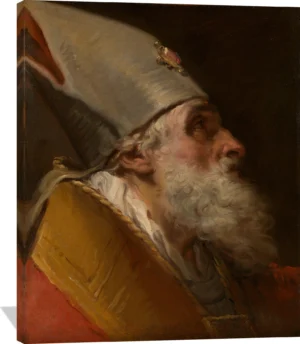
195,00 leiSelect options This product has multiple variants. The options may be chosen on the product pageHead of a Bishop
Gaetano GandolfiCanvas from
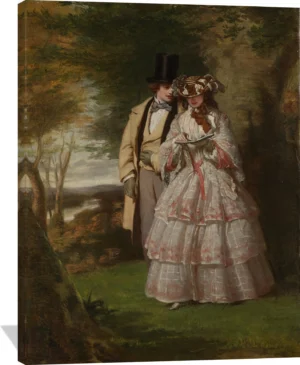
142,00 leiSelect options This product has multiple variants. The options may be chosen on the product pageThe Two Central Figures in “Derby Day”
William Powell FrithCanvas from
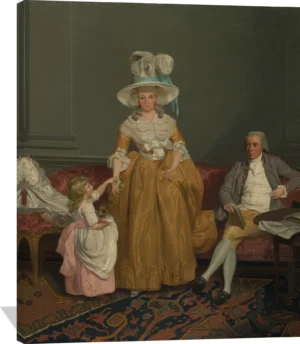
147,00 leiSelect options This product has multiple variants. The options may be chosen on the product pageThe Saithwaite Family
Francis WheatleyCanvas from
142,00 leiSelect options This product has multiple variants. The options may be chosen on the product page

Explore Figurative
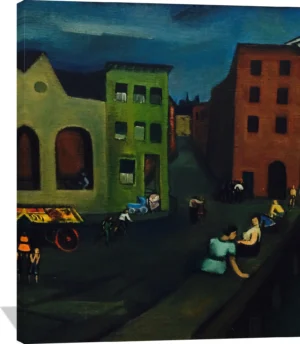
Docks on Sunday
Joseph De MartiniCanvas from
142,00 leiSelect options This product has multiple variants. The options may be chosen on the product pageChrysanthemums in the Garden at Petit-Gennevilliers
Gustave CaillebotteCanvas from
222,00 leiSelect options This product has multiple variants. The options may be chosen on the product pageA Cairo Bazaar
Adrien DauzatsCanvas from
142,00 leiSelect options This product has multiple variants. The options may be chosen on the product pageStudy of Palm Trees
Jean-Léon GérômeCanvas from
142,00 leiSelect options This product has multiple variants. The options may be chosen on the product pageA Section of the Via Sacra, Rome (The Church of Saints Cosmas and Damian)
Christoffer Wilhelm EckersbergCanvas from
147,00 leiSelect options This product has multiple variants. The options may be chosen on the product pageLandscape with Figures
Kenneth Hayes MillerCanvas from
142,00 leiSelect options This product has multiple variants. The options may be chosen on the product pageThe Great Pyramid, Giza
Adrien DauzatsCanvas from
142,00 leiSelect options This product has multiple variants. The options may be chosen on the product pageThe Holy Family with the Infant Saint John the Baptist
Perino del Vaga (Pietro Buonaccorsi)Canvas from
142,00 leiSelect options This product has multiple variants. The options may be chosen on the product pageScene in a Harem (Un Envoi de Serbie)
Benjamin-Constant (Jean-Joseph-Benjamin Constant)Canvas from
142,00 leiSelect options This product has multiple variants. The options may be chosen on the product pageView over Hallingdal
Johan Christian DahlCanvas from
222,00 leiSelect options This product has multiple variants. The options may be chosen on the product pageWedding Procession
Victor EeckhoutCanvas from
147,00 leiSelect options This product has multiple variants. The options may be chosen on the product pageSketch for “Reception of Emperor Napoleon III and Empress Eugénie by the Kabyle Leaders at Algiers on September 18, 1860”
Isidore PilsCanvas from
222,00 leiSelect options This product has multiple variants. The options may be chosen on the product pageWindow
Anton DieffenbachCanvas from
147,00 leiSelect options This product has multiple variants. The options may be chosen on the product pageOdalisque
Benjamin-Constant (Jean-Joseph-Benjamin Constant)Canvas from
222,00 leiSelect options This product has multiple variants. The options may be chosen on the product pageAt the Edge of the Forest
August HeinrichCanvas from
142,00 leiSelect options This product has multiple variants. The options may be chosen on the product pageThe Baptism of Christ
Jacopo Bassano (Jacopo da Ponte)Canvas from
142,00 leiSelect options This product has multiple variants. The options may be chosen on the product pageThe Reverend Philip Cocks (1735–1797)
Johan Joseph ZoffanyCanvas from
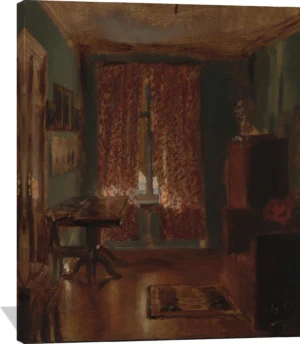
142,00 leiSelect options This product has multiple variants. The options may be chosen on the product pageThe Artist’s Sitting Room in Ritterstrasse
Adolph MenzelCanvas from
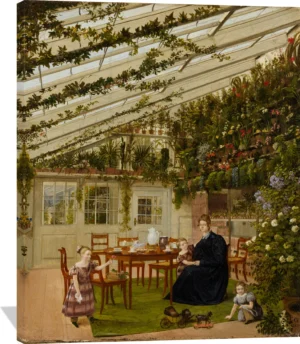
142,00 leiSelect options This product has multiple variants. The options may be chosen on the product pageThe Family of Mr. Westphal in the Conservatory
Eduard GaertnerCanvas from
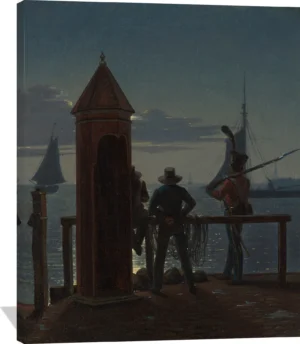
142,00 leiSelect options This product has multiple variants. The options may be chosen on the product pageView from the Citadel Ramparts in Copenhagen by Moonlight
Martinus RørbyeCanvas from
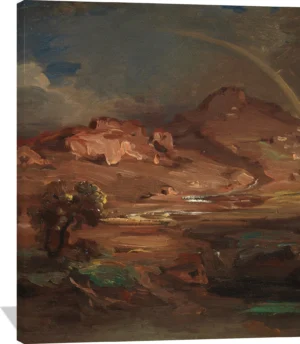
142,00 leiSelect options This product has multiple variants. The options may be chosen on the product pageThe Cemetery at Pronoia near Nauplia
Carl RottmannCanvas from
142,00 leiSelect options This product has multiple variants. The options may be chosen on the product page
Explore Rural Scenes
A Man and a Woman on Horseback
Philips WouwermanCanvas from
142,00 leiSelect options This product has multiple variants. The options may be chosen on the product pageLandscape with Peasants at a Fountain
Francesco ZuccarelliCanvas from
222,00 leiSelect options This product has multiple variants. The options may be chosen on the product pageGoing Home
Fritz von UhdeCanvas from
142,00 leiSelect options This product has multiple variants. The options may be chosen on the product pageGoing to Market
Constant TroyonCanvas from
142,00 leiSelect options This product has multiple variants. The options may be chosen on the product pageLandscape with Cattle
Jacob van StrijCanvas from
142,00 leiSelect options This product has multiple variants. The options may be chosen on the product pageThe Third Duke of Dorset’s Hunter with a Groom and a Dog
George StubbsCanvas from
142,00 leiSelect options This product has multiple variants. The options may be chosen on the product pagePeasants Dancing and Feasting
David Teniers the YoungerCanvas from
142,00 leiSelect options This product has multiple variants. The options may be chosen on the product pageLandscape with a Village in the Distance
Jacob van RuisdaelCanvas from
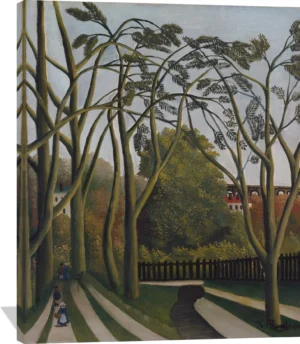
147,00 leiSelect options This product has multiple variants. The options may be chosen on the product pageThe Banks of the Bièvre near Bicêtre
Henri Rousseau (le Douanier)Canvas from
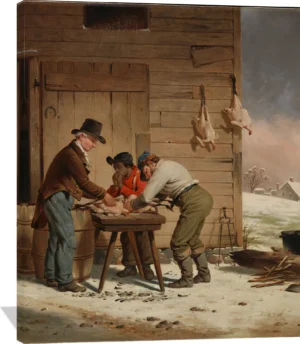
142,00 leiSelect options This product has multiple variants. The options may be chosen on the product pagePreparing for Christmas (Plucking Turkeys)
Francis William EdmondsCanvas from
142,00 leiSelect options This product has multiple variants. The options may be chosen on the product pageOn the Old Sod
William MagrathCanvas from
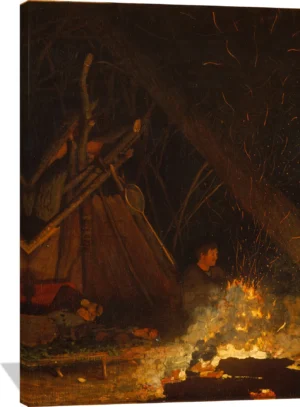
142,00 leiSelect options This product has multiple variants. The options may be chosen on the product pageCamp Fire
Winslow HomerCanvas from
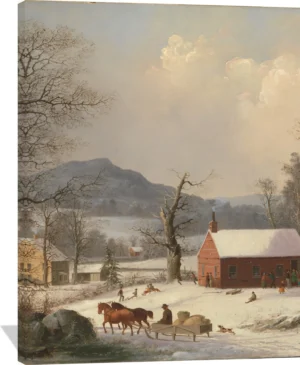
222,00 leiSelect options This product has multiple variants. The options may be chosen on the product pageRed School House (Country Scene)
George Henry DurrieCanvas from
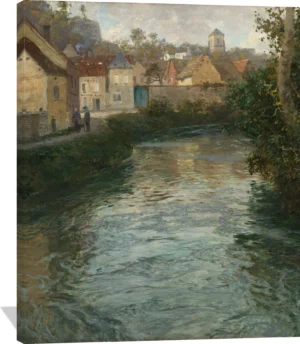
147,00 leiSelect options This product has multiple variants. The options may be chosen on the product pagePicquigny
Frits ThaulowCanvas from
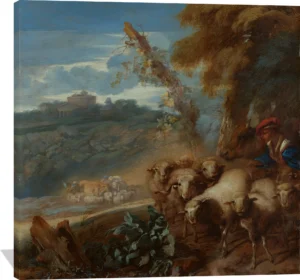
142,00 leiSelect options This product has multiple variants. The options may be chosen on the product pageRoman Landscape with a Shepherd and Sheep
Giovanni Benedetto Castiglione (Il Grechetto)Canvas from
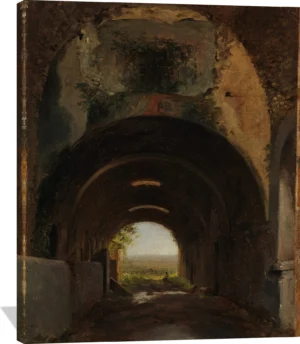
195,00 leiSelect options This product has multiple variants. The options may be chosen on the product pageView in the Stables of the Villa of Maecenas, Tivoli
François Marius GranetCanvas from
142,00 leiSelect options This product has multiple variants. The options may be chosen on the product pageYoung Ladies of the Village
Gustave CourbetCanvas from
142,00 leiSelect options This product has multiple variants. The options may be chosen on the product pageRetreat from the Storm
Jean-François MilletCanvas from
142,00 leiSelect options This product has multiple variants. The options may be chosen on the product pageView near Rouen
Richard Parkes BoningtonCanvas from
142,00 leiSelect options This product has multiple variants. The options may be chosen on the product pageThe Villa Loredan, Paese
Francesco GuardiCanvas from
222,00 leiSelect options This product has multiple variants. The options may be chosen on the product pageRoad in the Woods
Constant TroyonCanvas from
142,00 leiSelect options This product has multiple variants. The options may be chosen on the product page