Entrance to a Village
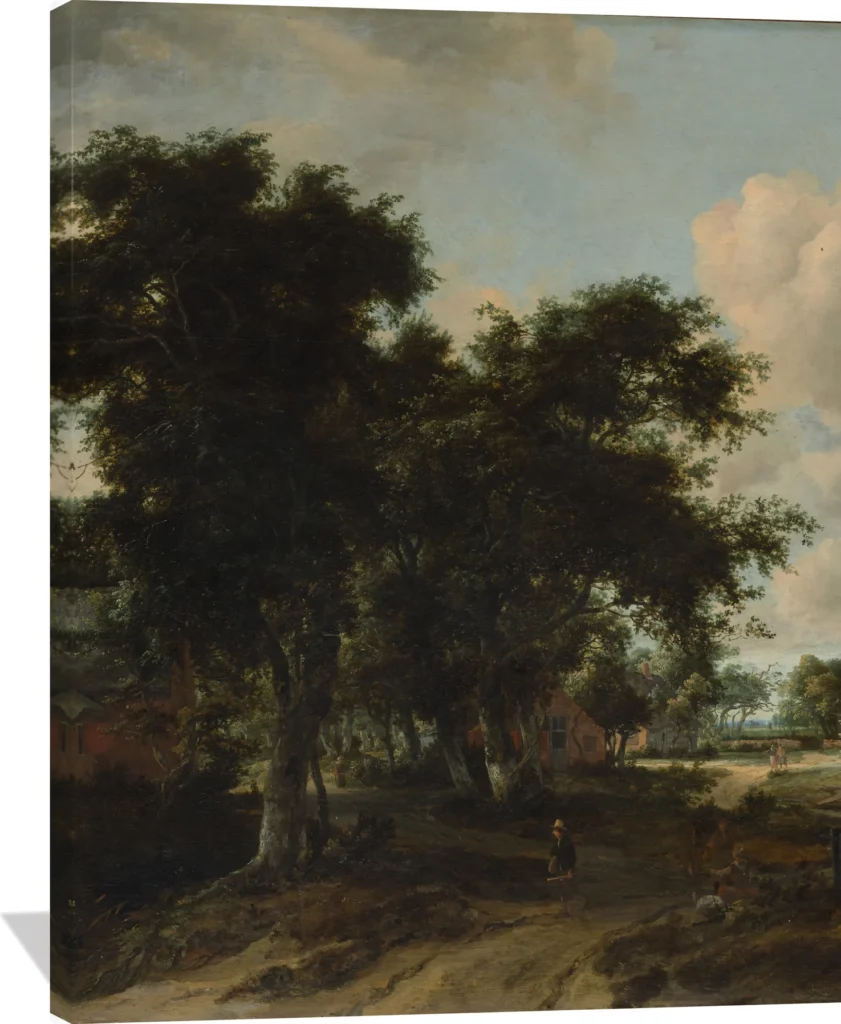
The Meyndert Hobbema Entrance to a Village canvas captures the serene charm of a Dutch countryside bathed in soft daylight. Earthy greens, warm browns, and gentle sky blues blend seamlessly to evoke a tranquil, pastoral mood. Hobbema’s masterful use of light and shadow draws the eye along a winding path leading into a quiet village framed by towering trees and rustic cottages.
This timeless wall art brings a sense of calm and natural beauty to any setting. Perfect for a living room, study, or entryway, this exquisite canvas print celebrates the harmony of nature and rural life as envisioned by one of the Dutch Golden Age’s most poetic landscape painters.
Meyndert Hobbema (1638–1709), a Dutch painter born and active in Amsterdam, is celebrated as one of the foremost landscape artists of the Dutch Golden Age. Closely associated with the circle of Jacob van Ruisdael, whose influence is evident in his early development, Hobbema forged a distinctive vision that set his work apart within the flourishing 17th‑century Dutch art scene.
Artistic Style
Hobbema’s paintings are defined by their balanced compositions, naturalistic detail, and luminous depiction of the Dutch countryside. His mastery of light and shadow, combined with a keen sensitivity to atmospheric effects, allowed him to elevate everyday rural scenery into evocative, contemplative works. He often emphasized depth through winding paths, reflective water surfaces, and carefully arranged clusters of trees, creating landscapes that feel both intimate and expansive.
Subjects and Notable Contributions
Known for forested lanes, watermills, and rustic village views, Hobbema brought enduring charm to subjects drawn from ordinary life. His works such as The Avenue at Middelharnis demonstrate a remarkable ability to structure space with clarity and rhythm, showcasing his signature precision and a subtle sense of movement. These compositions became influential models for later landscape painters across Europe.
Cultural and Historical Significance
Though not widely celebrated during his lifetime, Hobbema’s paintings came to be highly valued in the centuries that followed, admired for their authenticity and poetic restraint. Today, he is recognized as a key figure in Dutch landscape painting, contributing significantly to the genre’s evolution. His refined portrayal of rural environments, along with his enduring influence on subsequent generations, secures his place as one of the most important landscape artists of the period.
Trust & policies
- 🚚 Free worldwide shipping
- 🔁 30-day returns (change of mind)
- 🛡️ If damaged/defective/misprinted: free replacement or full refund
- 🌍 Printed in US/CA/EU/UK/AU (based on delivery location)
- 💎 Made to order using acid-free, fade-resistant canvas
- 💎 Solid wood stretcher bars • Pine floating frames
- 🪝 Ready to hang

Landscape
Ralph Albert BlakelockCanvas from
33,00 $Select options This product has multiple variants. The options may be chosen on the product pageFur Traders Descending the Missouri
George Caleb BinghamCanvas from
32,00 $Select options This product has multiple variants. The options may be chosen on the product pageThe Ring
John White AlexanderCanvas from
32,00 $Select options This product has multiple variants. The options may be chosen on the product pageWalt Whitman
John White AlexanderCanvas from
32,00 $Select options This product has multiple variants. The options may be chosen on the product pageStudy in Green and Black
John White AlexanderCanvas from
32,00 $Select options This product has multiple variants. The options may be chosen on the product pageJames Badger
Joseph BadgerCanvas from
32,00 $Select options This product has multiple variants. The options may be chosen on the product pageJanet Halleck Drake
Henry InmanCanvas from
32,00 $Select options This product has multiple variants. The options may be chosen on the product pageMeditation
John George BrownCanvas from
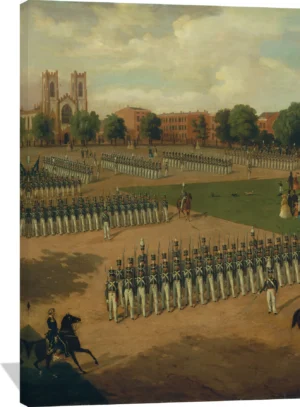
32,00 $Select options This product has multiple variants. The options may be chosen on the product pageSeventh Regiment on Review, Washington Square, New York
Otto BoetticherCanvas from
50,00 $Select options This product has multiple variants. The options may be chosen on the product pageJohn F. Kensett
George Augustus Baker Jr.Canvas from
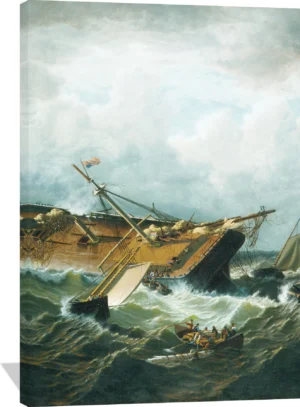
32,00 $Select options This product has multiple variants. The options may be chosen on the product pageShipwreck off Nantucket (Wreck off Nantucket after a Storm)
William BradfordCanvas from
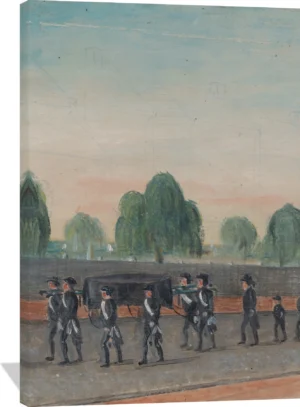
50,00 $Select options This product has multiple variants. The options may be chosen on the product pageAdult Funeral Procession
William P. ChappelCanvas from
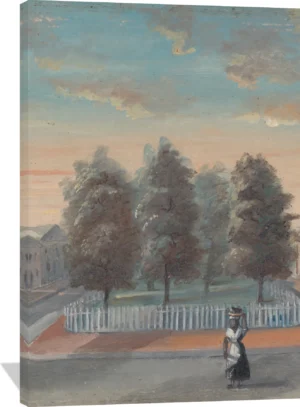
50,00 $Select options This product has multiple variants. The options may be chosen on the product pageBaked Pears in Duane Park
William P. ChappelCanvas from
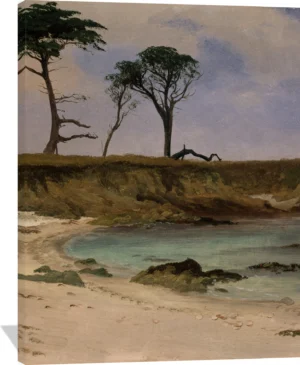
50,00 $Select options This product has multiple variants. The options may be chosen on the product pageSea Cove
Albert BierstadtCanvas from
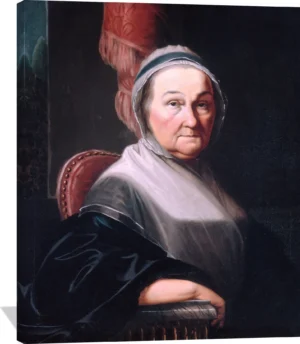
33,00 $Select options This product has multiple variants. The options may be chosen on the product pageMrs. Benjamin Simons
Henry BenbridgeCanvas from
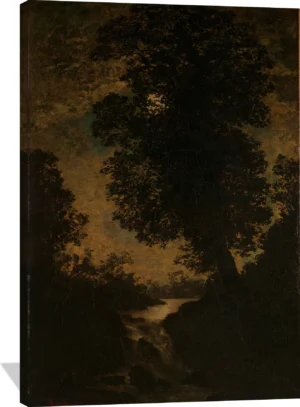
32,00 $Select options This product has multiple variants. The options may be chosen on the product pageA Waterfall, Moonlight
Ralph Albert BlakelockCanvas from
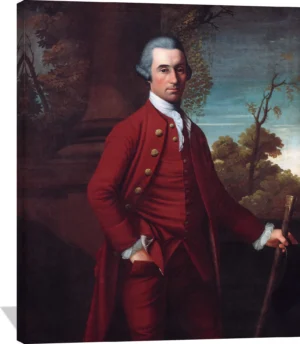
50,00 $Select options This product has multiple variants. The options may be chosen on the product pagePortrait of a Gentleman
Henry BenbridgeCanvas from
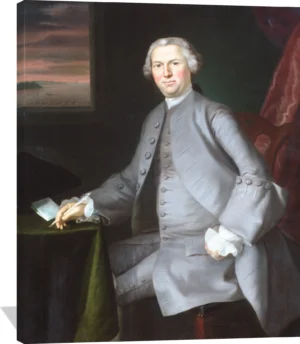
32,00 $Select options This product has multiple variants. The options may be chosen on the product pageSamuel Cutts
Joseph BlackburnCanvas from
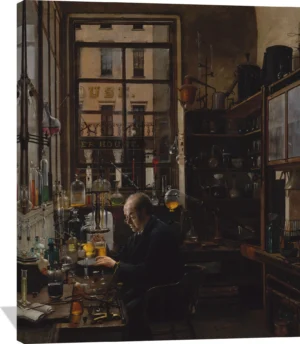
32,00 $Select options This product has multiple variants. The options may be chosen on the product pageIn the Laboratory
Henry AlexanderCanvas from
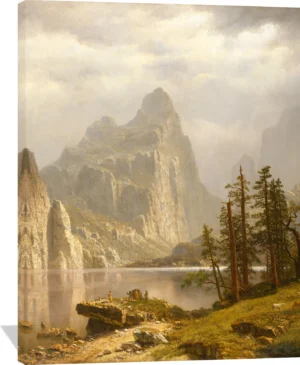
32,00 $Select options This product has multiple variants. The options may be chosen on the product pageMerced River, Yosemite Valley
Albert BierstadtCanvas from
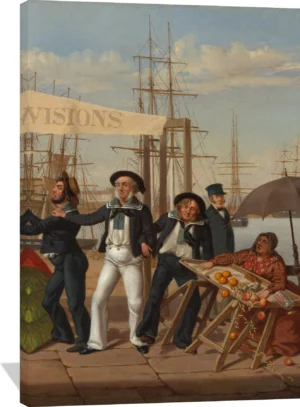
33,00 $Select options This product has multiple variants. The options may be chosen on the product pageAfter a Long Cruise
John CarlinCanvas from
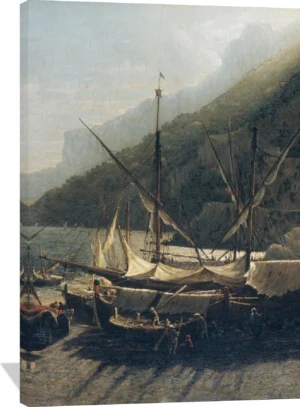
50,00 $Select options This product has multiple variants. The options may be chosen on the product pageView at Amalfi, Bay of Salerno
George Loring BrownCanvas from
50,00 $Select options This product has multiple variants. The options may be chosen on the product page
Explore Landscapes
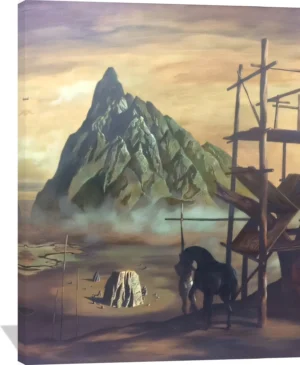
The Black Horse
John AthertonCanvas from
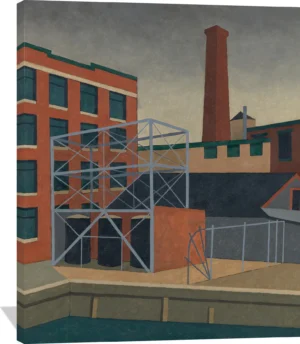
33,00 $Select options This product has multiple variants. The options may be chosen on the product pageWaterfront Mill
Niles SpencerCanvas from
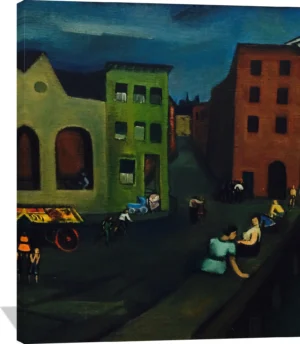
32,00 $Select options This product has multiple variants. The options may be chosen on the product pageDocks on Sunday
Joseph De MartiniCanvas from
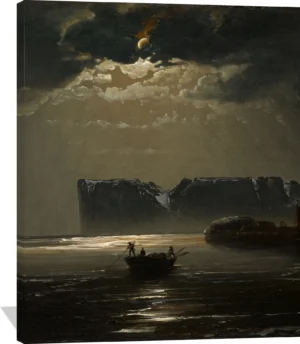
32,00 $Select options This product has multiple variants. The options may be chosen on the product pageThe North Cape by Moonlight
Peder BalkeCanvas from
32,00 $Select options This product has multiple variants. The options may be chosen on the product pageChrysanthemums in the Garden at Petit-Gennevilliers
Gustave CaillebotteCanvas from
50,00 $Select options This product has multiple variants. The options may be chosen on the product pageStudy of Palm Trees
Jean-Léon GérômeCanvas from
32,00 $Select options This product has multiple variants. The options may be chosen on the product pageA Section of the Via Sacra, Rome (The Church of Saints Cosmas and Damian)
Christoffer Wilhelm EckersbergCanvas from
33,00 $Select options This product has multiple variants. The options may be chosen on the product pageLandscape with Figures
Kenneth Hayes MillerCanvas from
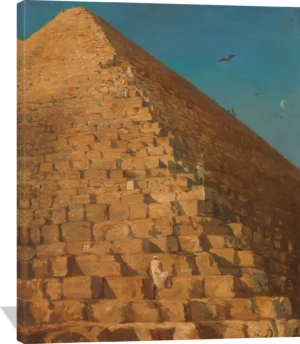
32,00 $Select options This product has multiple variants. The options may be chosen on the product pageThe Great Pyramid, Giza
Adrien DauzatsCanvas from
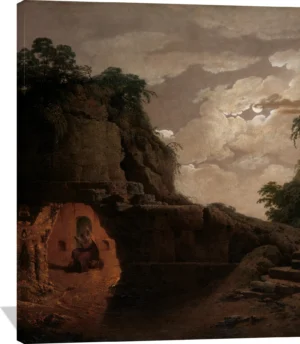
32,00 $Select options This product has multiple variants. The options may be chosen on the product pageVirgil’s Tomb by Moonlight, with Silius Italicus Declaiming
Joseph Wright (Wright of Derby)Canvas from
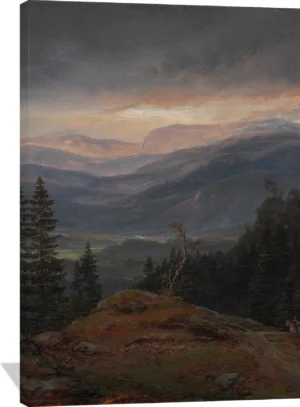
32,00 $Select options This product has multiple variants. The options may be chosen on the product pageView over Hallingdal
Johan Christian DahlCanvas from
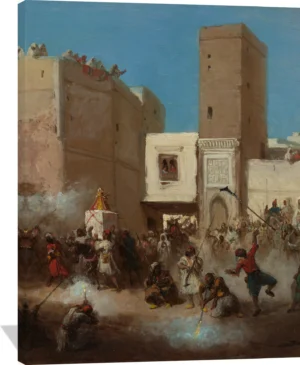
50,00 $Select options This product has multiple variants. The options may be chosen on the product pageWedding Procession
Victor EeckhoutCanvas from
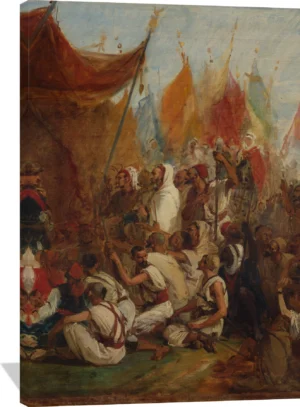
33,00 $Select options This product has multiple variants. The options may be chosen on the product pageSketch for “Reception of Emperor Napoleon III and Empress Eugénie by the Kabyle Leaders at Algiers on September 18, 1860”
Isidore PilsCanvas from
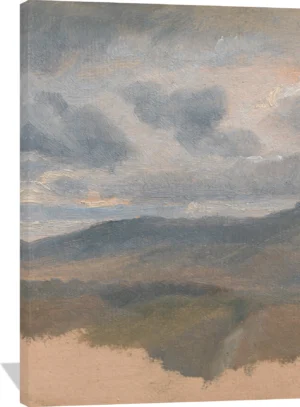
50,00 $Select options This product has multiple variants. The options may be chosen on the product pageLandscape Study with Clouds
Emile LoubonCanvas from
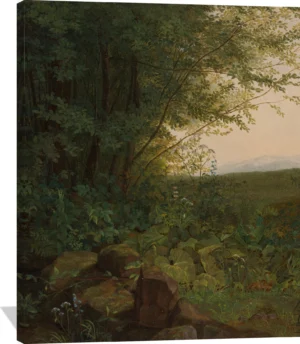
50,00 $Select options This product has multiple variants. The options may be chosen on the product pageAt the Edge of the Forest
August HeinrichCanvas from
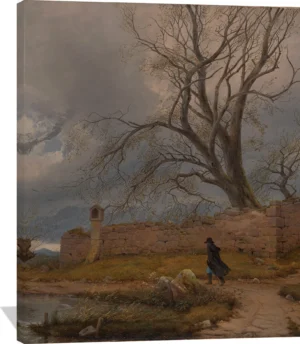
32,00 $Select options This product has multiple variants. The options may be chosen on the product pageWanderer in the Storm
Julius von LeypoldCanvas from
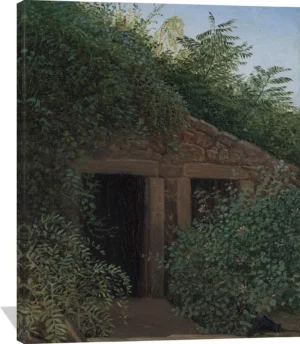
32,00 $Select options This product has multiple variants. The options may be chosen on the product pageAn Overgrown Mineshaft
Carl Gustav CarusCanvas from
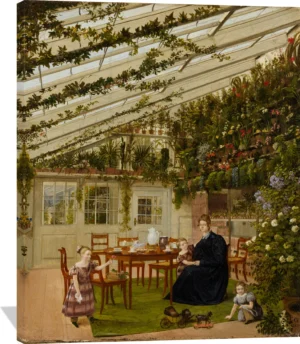
32,00 $Select options This product has multiple variants. The options may be chosen on the product pageThe Family of Mr. Westphal in the Conservatory
Eduard GaertnerCanvas from
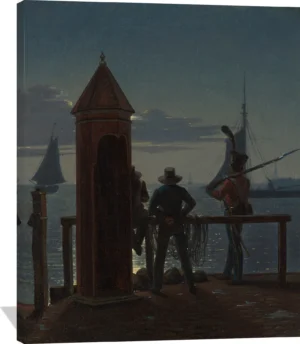
32,00 $Select options This product has multiple variants. The options may be chosen on the product pageView from the Citadel Ramparts in Copenhagen by Moonlight
Martinus RørbyeCanvas from
32,00 $Select options This product has multiple variants. The options may be chosen on the product pageThe Cemetery at Pronoia near Nauplia
Carl RottmannCanvas from
32,00 $Select options This product has multiple variants. The options may be chosen on the product pageColumns of the Temple of Neptune at Paestum
Constantin HansenCanvas from
32,00 $Select options This product has multiple variants. The options may be chosen on the product page
Explore Rustic
The Trout Pool
Worthington WhittredgeCanvas from
32,00 $Select options This product has multiple variants. The options may be chosen on the product pageEast Hampton Meadows
George Henry SmillieCanvas from
50,00 $Select options This product has multiple variants. The options may be chosen on the product pageRed School House (Country Scene)
George Henry DurrieCanvas from
33,00 $Select options This product has multiple variants. The options may be chosen on the product pageView on the Catskill—Early Autumn
Thomas ColeCanvas from
50,00 $Select options This product has multiple variants. The options may be chosen on the product pageGudvangen
Thomas FearnleyCanvas from
50,00 $Select options This product has multiple variants. The options may be chosen on the product pageThe Forest in Winter at Sunset
Théodore RousseauCanvas from
50,00 $Select options This product has multiple variants. The options may be chosen on the product pageA View of The Hague from the Northwest
Jan van GoyenCanvas from
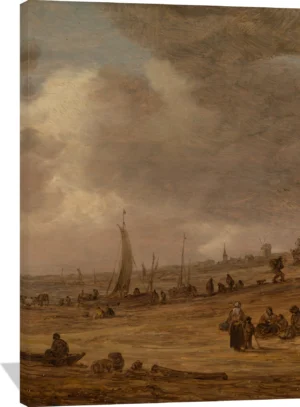
33,00 $Select options This product has multiple variants. The options may be chosen on the product pageA Beach with Fishing Boats
Jan van GoyenCanvas from
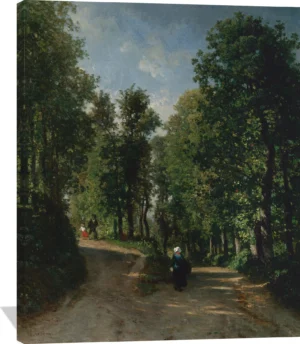
50,00 $Select options This product has multiple variants. The options may be chosen on the product pageRoad in the Woods
Constant TroyonCanvas from
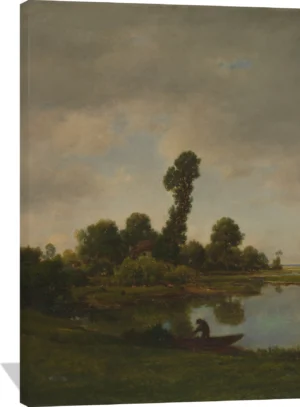
32,00 $Select options This product has multiple variants. The options may be chosen on the product pageA River Landscape
Théodore RousseauCanvas from
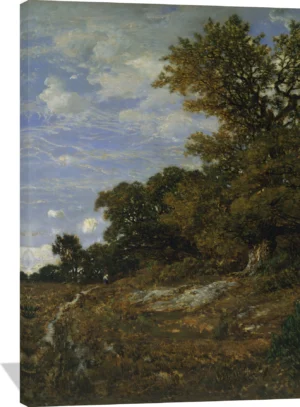
50,00 $Select options This product has multiple variants. The options may be chosen on the product pageThe Edge of the Woods at Monts-Girard, Fontainebleau Forest
Théodore RousseauCanvas from
50,00 $Select options This product has multiple variants. The options may be chosen on the product pageA Meadow Bordered by Trees
Théodore RousseauCanvas from
50,00 $Select options This product has multiple variants. The options may be chosen on the product pageSunset near Arbonne
Théodore RousseauCanvas from
50,00 $Select options This product has multiple variants. The options may be chosen on the product pageAn Early Summer Morning in the Forest of Fontainebleau
Théodore RousseauCanvas from
50,00 $Select options This product has multiple variants. The options may be chosen on the product pageJanuary: Cernay, near Rambouillet
Léon-Germain PelouseCanvas from
32,00 $Select options This product has multiple variants. The options may be chosen on the product pageNear Penshurst, Kent
Patrick NasmythCanvas from
32,00 $Select options This product has multiple variants. The options may be chosen on the product pageThe Old Castle
Emanuel MurantCanvas from
33,00 $Select options This product has multiple variants. The options may be chosen on the product pageThe Bell Inn
George MorlandCanvas from
32,00 $Select options This product has multiple variants. The options may be chosen on the product pageHaystacks: Autumn
Jean-François MilletCanvas from
32,00 $Select options This product has multiple variants. The options may be chosen on the product pageThe Mill of Montmartre
Georges MichelCanvas from
32,00 $Select options This product has multiple variants. The options may be chosen on the product pageAutumn Landscape with a Flock of Turkeys
Jean-François MilletCanvas from
32,00 $Select options This product has multiple variants. The options may be chosen on the product page
Explore Rural Scenes
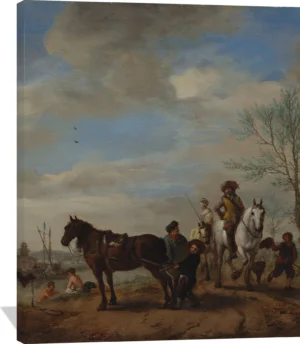
A Man and a Woman on Horseback
Philips WouwermanCanvas from
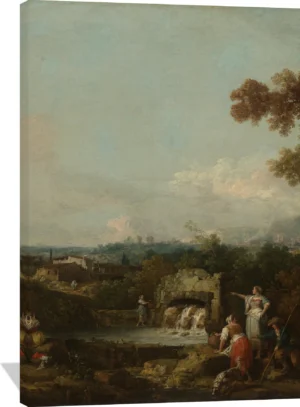
32,00 $Select options This product has multiple variants. The options may be chosen on the product pageLandscape with Peasants at a Fountain
Francesco ZuccarelliCanvas from
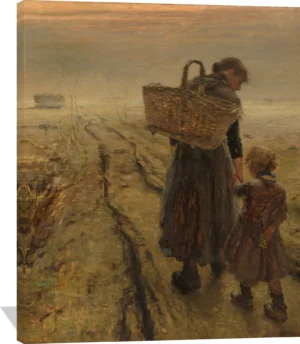
50,00 $Select options This product has multiple variants. The options may be chosen on the product pageGoing Home
Fritz von UhdeCanvas from
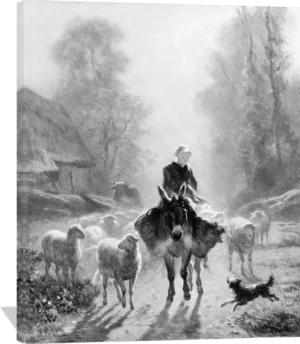
32,00 $Select options This product has multiple variants. The options may be chosen on the product pageGoing to Market
Constant TroyonCanvas from
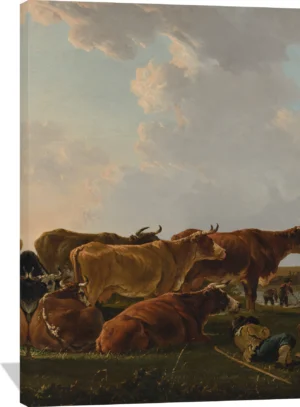
32,00 $Select options This product has multiple variants. The options may be chosen on the product pageLandscape with Cattle
Jacob van StrijCanvas from
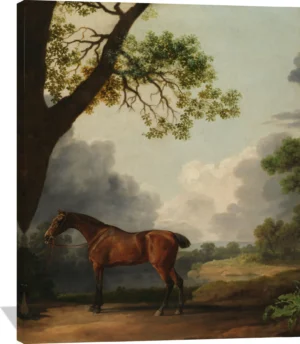
32,00 $Select options This product has multiple variants. The options may be chosen on the product pageThe Third Duke of Dorset’s Hunter with a Groom and a Dog
George StubbsCanvas from
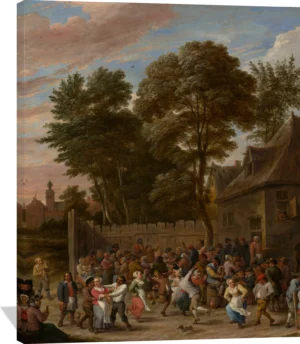
32,00 $Select options This product has multiple variants. The options may be chosen on the product pagePeasants Dancing and Feasting
David Teniers the YoungerCanvas from
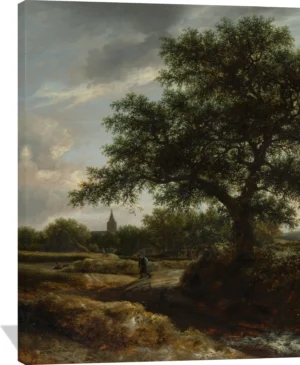
32,00 $Select options This product has multiple variants. The options may be chosen on the product pageLandscape with a Village in the Distance
Jacob van RuisdaelCanvas from
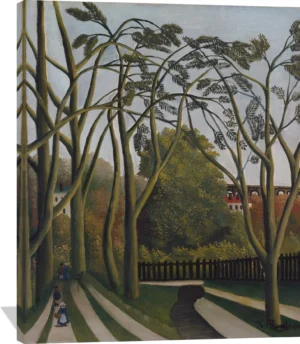
33,00 $Select options This product has multiple variants. The options may be chosen on the product pageThe Banks of the Bièvre near Bicêtre
Henri Rousseau (le Douanier)Canvas from
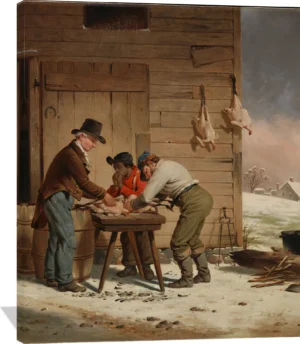
32,00 $Select options This product has multiple variants. The options may be chosen on the product pagePreparing for Christmas (Plucking Turkeys)
Francis William EdmondsCanvas from
32,00 $Select options This product has multiple variants. The options may be chosen on the product pageOn the Old Sod
William MagrathCanvas from
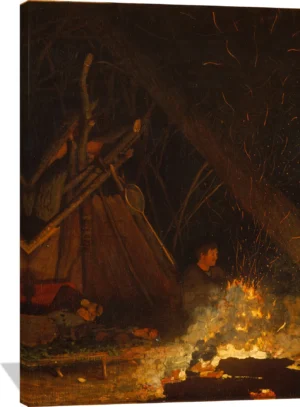
32,00 $Select options This product has multiple variants. The options may be chosen on the product pageCamp Fire
Winslow HomerCanvas from
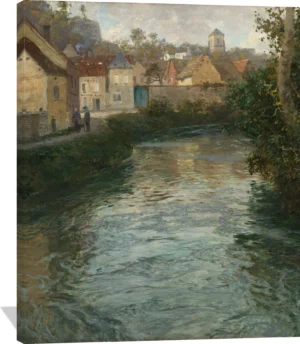
50,00 $Select options This product has multiple variants. The options may be chosen on the product pagePicquigny
Frits ThaulowCanvas from
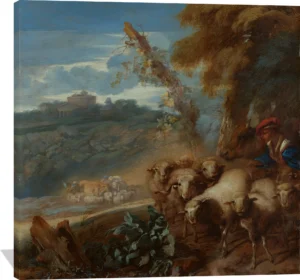
32,00 $Select options This product has multiple variants. The options may be chosen on the product pageRoman Landscape with a Shepherd and Sheep
Giovanni Benedetto Castiglione (Il Grechetto)Canvas from
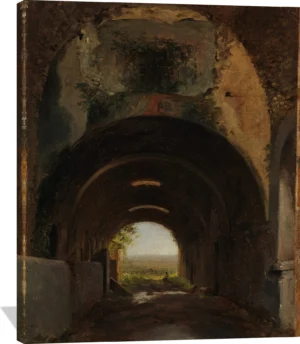
44,00 $Select options This product has multiple variants. The options may be chosen on the product pageView in the Stables of the Villa of Maecenas, Tivoli
François Marius GranetCanvas from
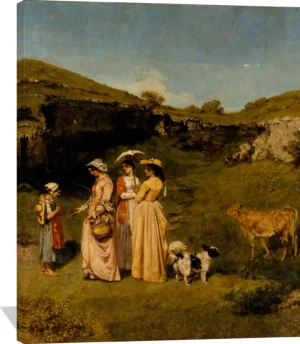
32,00 $Select options This product has multiple variants. The options may be chosen on the product pageYoung Ladies of the Village
Gustave CourbetCanvas from
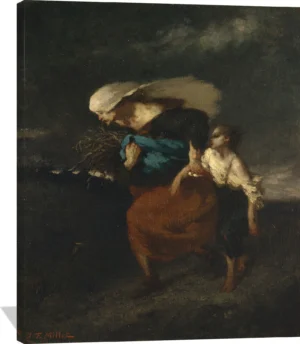
32,00 $Select options This product has multiple variants. The options may be chosen on the product pageRetreat from the Storm
Jean-François MilletCanvas from
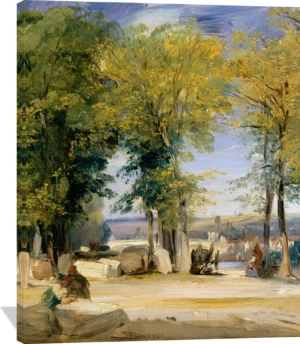
32,00 $Select options This product has multiple variants. The options may be chosen on the product pageView near Rouen
Richard Parkes BoningtonCanvas from
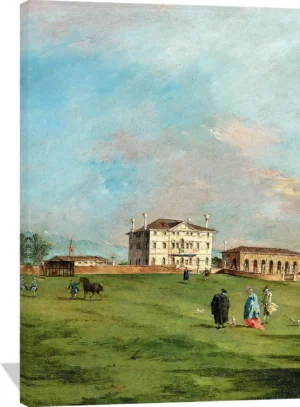
32,00 $Select options This product has multiple variants. The options may be chosen on the product pageThe Villa Loredan, Paese
Francesco GuardiCanvas from
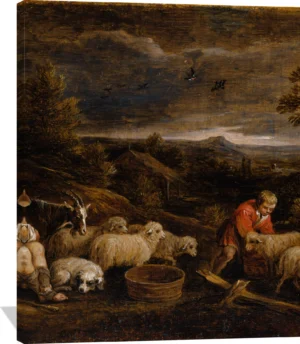
50,00 $Select options This product has multiple variants. The options may be chosen on the product pageShepherds and Sheep
David Teniers the YoungerCanvas from
32,00 $Select options This product has multiple variants. The options may be chosen on the product pageThe Road from Versailles to Louveciennes
Alfred SisleyCanvas from
32,00 $Select options This product has multiple variants. The options may be chosen on the product page