Visiting a Friend
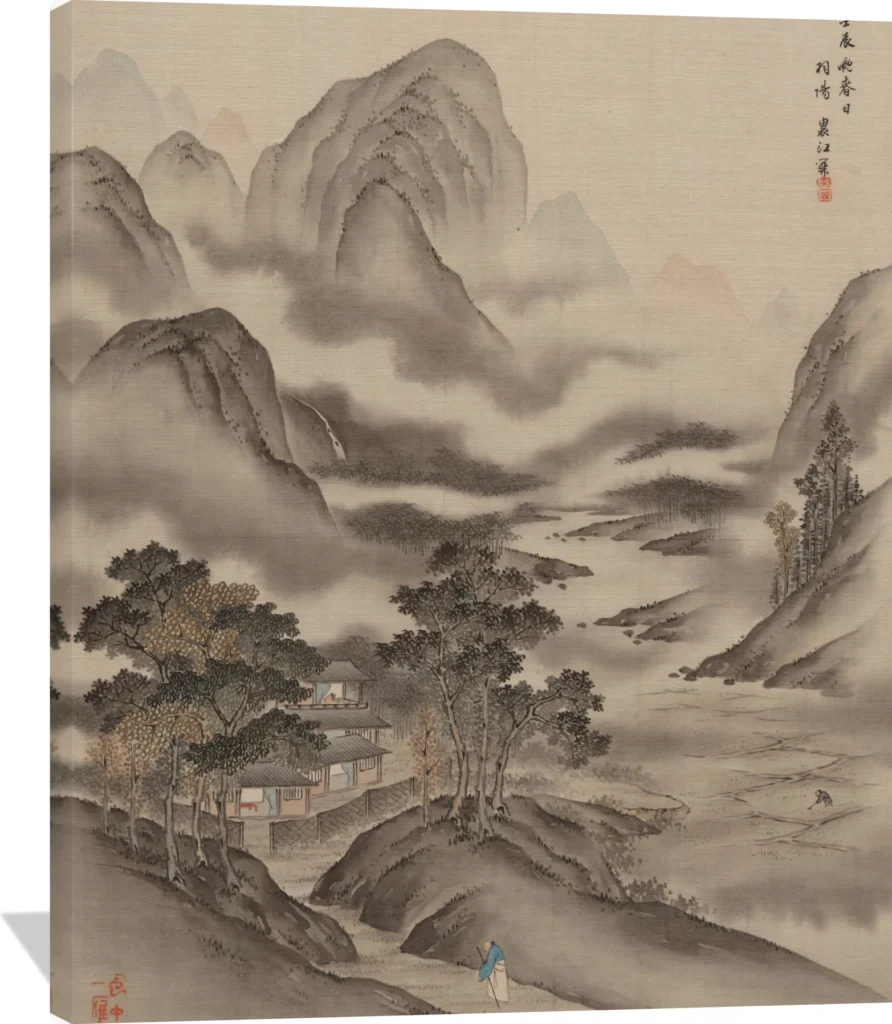
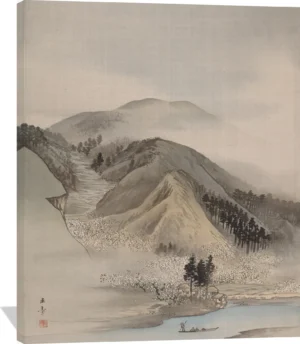
The Seki Shūkō Visiting a Friend canvas captures the quiet grace of a misty mountain landscape, where soft grays, muted browns, and gentle ink washes evoke a timeless serenity. A lone traveler approaches a secluded home nestled among trees, inviting reflection and calm. The delicate brushwork and balanced composition embody the refined aesthetic of late 19th-century Japanese art.
This elegant wall art brings a sense of stillness and depth to any space—ideal for a living room, study, or entryway. A canvas print that celebrates harmony between nature and human presence, it offers enduring beauty and contemplative charm to modern interiors.
Seki Shūkō (1858–1915) was a Japanese painter active during the transformative late‑Meiji and early‑Taishō periods, known for his refined approach to traditional aesthetics at a time when Japan was rapidly modernizing. His work embodies a sensitive balance between classical techniques and the era’s evolving artistic sensibilities.
Artistic Style
Shūkō is associated with the broad tradition of Nihonga, characterized by mineral pigments, delicate linework, and an emphasis on atmosphere. His paintings reveal a disciplined clarity, favoring compositional harmony over embellishment. The resulting imagery feels contemplative, yet vividly rooted in the natural world. His mastery of subtle tonal transitions and elegant brush handling gave his surfaces a distinctive quiet luminosity, making his style instantly recognizable.
Subjects and Themes
Nature was central to Shūkō’s work. Landscapes, seasonal scenery, and botanical studies appear frequently, each rendered with a measured restraint that highlights their inherent beauty. Whether depicting serene mountain vistas or the fleeting bloom of flowers, he approached his subjects with a poetic sensibility that reflects the Japanese tradition of observing the natural world as a mirror of human experience.
Legacy and Significance
Working during a period of cultural redefinition, Shūkō contributed to the preservation and evolution of Japanese painting. While Western techniques were becoming increasingly influential, he remained committed to the foundational principles of Japanese pictorial art, helping sustain their relevance in a changing society. His paintings continue to be admired for their meditative tone and the way they embody a distinctly Japanese vision of landscape and nature.
Collectors value Shūkō’s work for its refined craftsmanship and for the way it captures the essence of traditional Japanese aesthetics through a modernizing lens. His enduring appeal lies in the quiet confidence of his technique and the timeless serenity of his imagery.
Trust & policies
- 🚚 Free worldwide shipping
- 🔁 30-day returns (change of mind)
- 🛡️ If damaged/defective/misprinted: free replacement or full refund
- 🌍 Printed in US/CA/EU/UK/AU (based on delivery location)
- 💎 Made to order using acid-free, fade-resistant canvas
- 💎 Solid wood stretcher bars • Pine floating frames
- 🪝 Ready to hang

Repose
John White AlexanderCanvas from
142,00 leiSelect options This product has multiple variants. The options may be chosen on the product pageMountain Scene
Albert BierstadtCanvas from
146,00 leiSelect options This product has multiple variants. The options may be chosen on the product pageA Waterfall, Moonlight
Ralph Albert BlakelockCanvas from
222,00 leiSelect options This product has multiple variants. The options may be chosen on the product pageMrs. David Chesebrough
Joseph BlackburnCanvas from
142,00 leiSelect options This product has multiple variants. The options may be chosen on the product pageAfter a Long Cruise
John CarlinCanvas from
222,00 leiSelect options This product has multiple variants. The options may be chosen on the product pageMrs. Samuel Cutts
Joseph BlackburnCanvas from
142,00 leiSelect options This product has multiple variants. The options may be chosen on the product pageThe Ring
John White AlexanderCanvas from
142,00 leiSelect options This product has multiple variants. The options may be chosen on the product pageAn Indian Encampment
Ralph Albert BlakelockCanvas from
195,00 leiSelect options This product has multiple variants. The options may be chosen on the product pageNevada Falls, Yosemite
Albert BierstadtCanvas from
142,00 leiSelect options This product has multiple variants. The options may be chosen on the product pageBaked Pears in Duane Park
William P. ChappelCanvas from
222,00 leiSelect options This product has multiple variants. The options may be chosen on the product pagePortrait of a Gentleman
Henry BenbridgeCanvas from
142,00 leiSelect options This product has multiple variants. The options may be chosen on the product pageThe Way They Live
Thomas AnshutzCanvas from
146,00 leiSelect options This product has multiple variants. The options may be chosen on the product pageSeventh Regiment on Review, Washington Square, New York
Otto BoetticherCanvas from
222,00 leiSelect options This product has multiple variants. The options may be chosen on the product pageLandscape
Ralph Albert BlakelockCanvas from
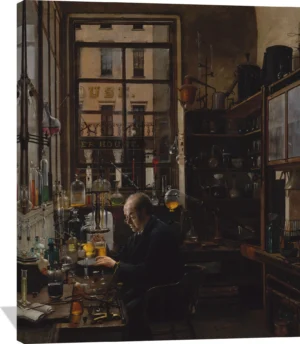
146,00 leiSelect options This product has multiple variants. The options may be chosen on the product pageIn the Laboratory
Henry AlexanderCanvas from
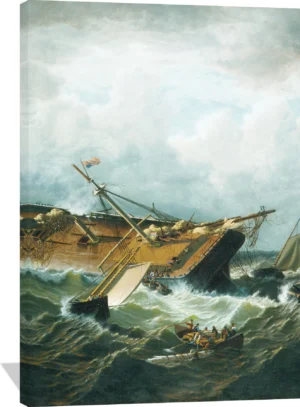
142,00 leiSelect options This product has multiple variants. The options may be chosen on the product pageShipwreck off Nantucket (Wreck off Nantucket after a Storm)
William BradfordCanvas from
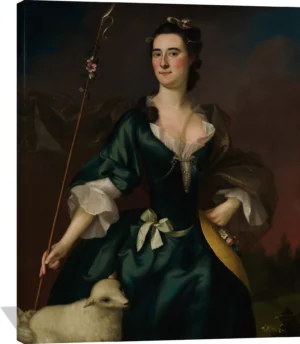
222,00 leiSelect options This product has multiple variants. The options may be chosen on the product pageMary Sylvester
Joseph BlackburnCanvas from
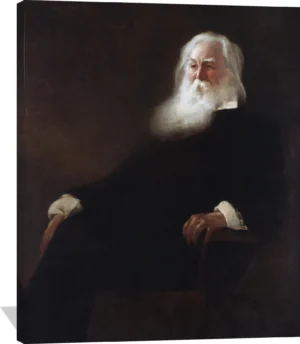
142,00 leiSelect options This product has multiple variants. The options may be chosen on the product pageWalt Whitman
John White AlexanderCanvas from
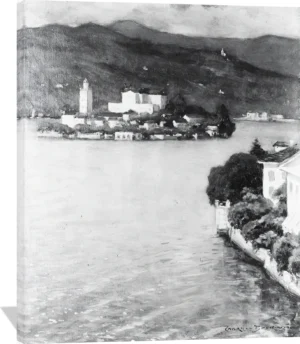
142,00 leiSelect options This product has multiple variants. The options may be chosen on the product pageLake of Orta
J. Carroll BeckwithCanvas from
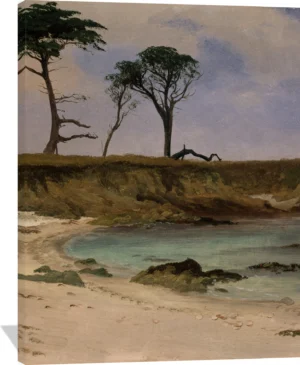
142,00 leiSelect options This product has multiple variants. The options may be chosen on the product pageSea Cove
Albert BierstadtCanvas from
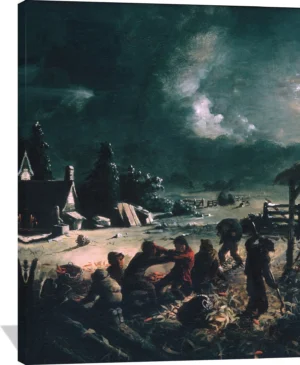
146,00 leiSelect options This product has multiple variants. The options may be chosen on the product pageCorn Husking
David Gilmour BlytheCanvas from
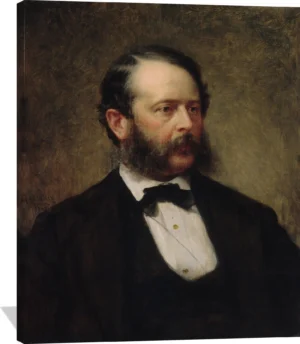
146,00 leiSelect options This product has multiple variants. The options may be chosen on the product pageJohn F. Kensett
George Augustus Baker Jr.Canvas from
142,00 leiSelect options This product has multiple variants. The options may be chosen on the product page
Explore Landscapes
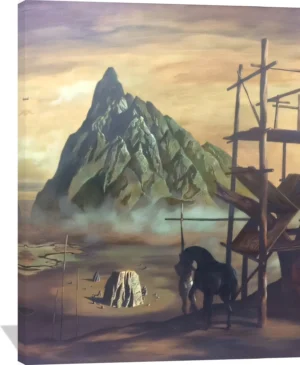
The Black Horse
John AthertonCanvas from
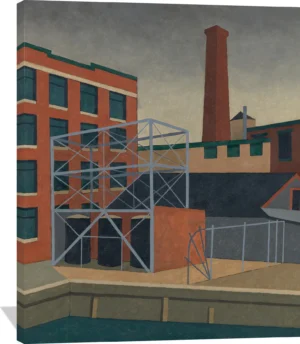
146,00 leiSelect options This product has multiple variants. The options may be chosen on the product pageWaterfront Mill
Niles SpencerCanvas from
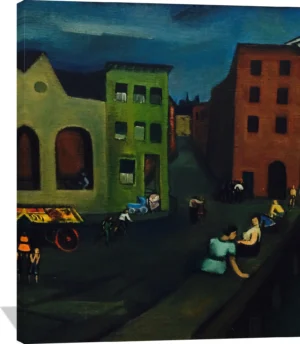
142,00 leiSelect options This product has multiple variants. The options may be chosen on the product pageDocks on Sunday
Joseph De MartiniCanvas from
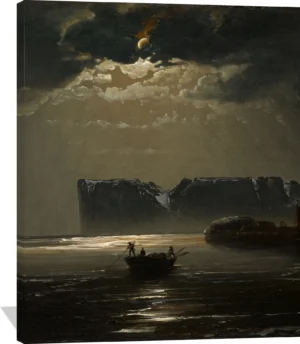
142,00 leiSelect options This product has multiple variants. The options may be chosen on the product pageThe North Cape by Moonlight
Peder BalkeCanvas from
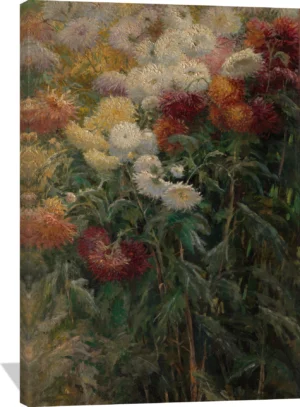
142,00 leiSelect options This product has multiple variants. The options may be chosen on the product pageChrysanthemums in the Garden at Petit-Gennevilliers
Gustave CaillebotteCanvas from
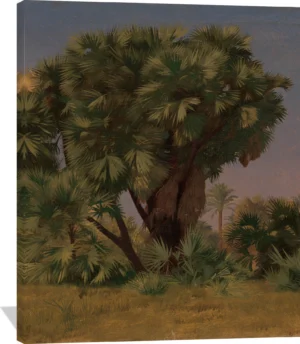
222,00 leiSelect options This product has multiple variants. The options may be chosen on the product pageStudy of Palm Trees
Jean-Léon GérômeCanvas from
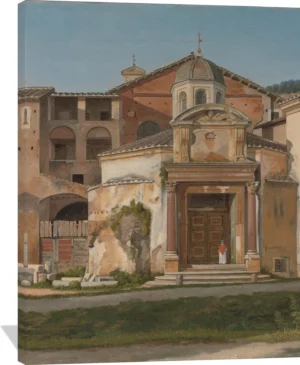
142,00 leiSelect options This product has multiple variants. The options may be chosen on the product pageA Section of the Via Sacra, Rome (The Church of Saints Cosmas and Damian)
Christoffer Wilhelm EckersbergCanvas from
146,00 leiSelect options This product has multiple variants. The options may be chosen on the product pageLandscape with Figures
Kenneth Hayes MillerCanvas from
142,00 leiSelect options This product has multiple variants. The options may be chosen on the product pageThe Great Pyramid, Giza
Adrien DauzatsCanvas from
142,00 leiSelect options This product has multiple variants. The options may be chosen on the product pageVirgil’s Tomb by Moonlight, with Silius Italicus Declaiming
Joseph Wright (Wright of Derby)Canvas from
142,00 leiSelect options This product has multiple variants. The options may be chosen on the product pageView over Hallingdal
Johan Christian DahlCanvas from
222,00 leiSelect options This product has multiple variants. The options may be chosen on the product pageWedding Procession
Victor EeckhoutCanvas from
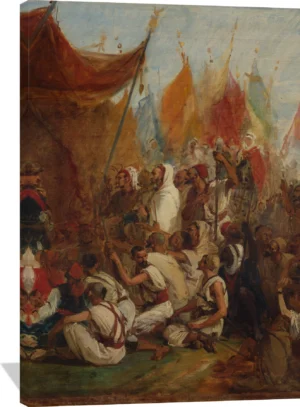
146,00 leiSelect options This product has multiple variants. The options may be chosen on the product pageSketch for “Reception of Emperor Napoleon III and Empress Eugénie by the Kabyle Leaders at Algiers on September 18, 1860”
Isidore PilsCanvas from
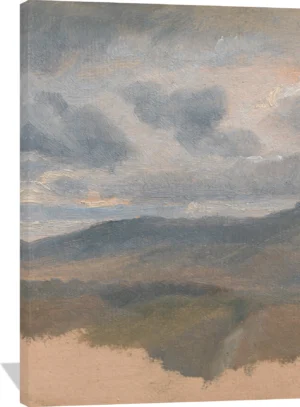
222,00 leiSelect options This product has multiple variants. The options may be chosen on the product pageLandscape Study with Clouds
Emile LoubonCanvas from
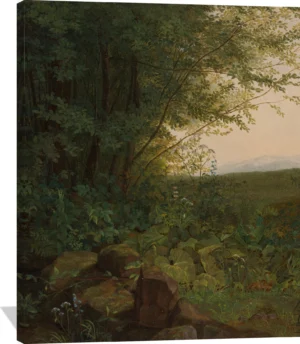
222,00 leiSelect options This product has multiple variants. The options may be chosen on the product pageAt the Edge of the Forest
August HeinrichCanvas from
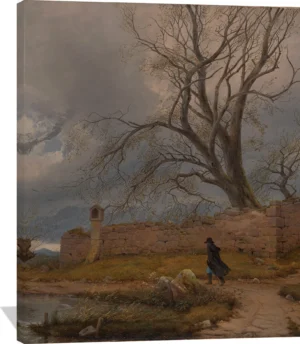
142,00 leiSelect options This product has multiple variants. The options may be chosen on the product pageWanderer in the Storm
Julius von LeypoldCanvas from
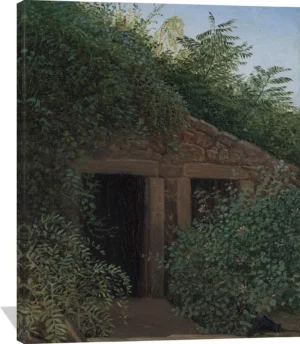
142,00 leiSelect options This product has multiple variants. The options may be chosen on the product pageAn Overgrown Mineshaft
Carl Gustav CarusCanvas from
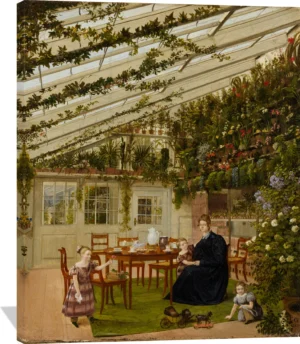
142,00 leiSelect options This product has multiple variants. The options may be chosen on the product pageThe Family of Mr. Westphal in the Conservatory
Eduard GaertnerCanvas from
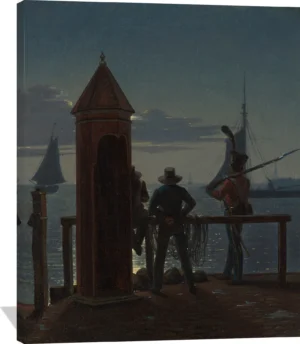
142,00 leiSelect options This product has multiple variants. The options may be chosen on the product pageView from the Citadel Ramparts in Copenhagen by Moonlight
Martinus RørbyeCanvas from
142,00 leiSelect options This product has multiple variants. The options may be chosen on the product pageThe Cemetery at Pronoia near Nauplia
Carl RottmannCanvas from
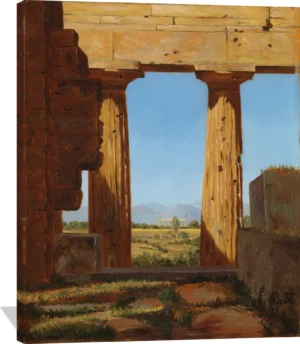
142,00 leiSelect options This product has multiple variants. The options may be chosen on the product pageColumns of the Temple of Neptune at Paestum
Constantin HansenCanvas from
142,00 leiSelect options This product has multiple variants. The options may be chosen on the product page
Explore Ethereal
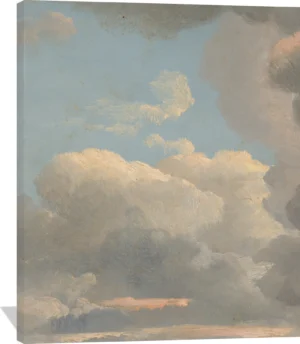
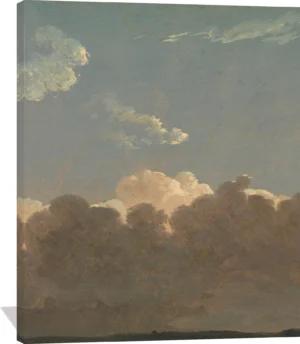
Cloud Study (Early Evening)
Simon DenisCanvas from
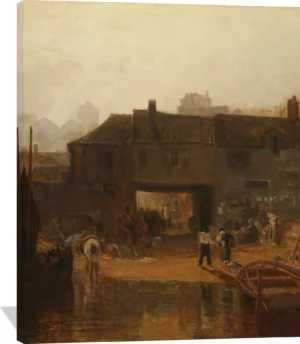
142,00 leiSelect options This product has multiple variants. The options may be chosen on the product pageSaltash with the Water Ferry, Cornwall
Joseph Mallord William TurnerCanvas from
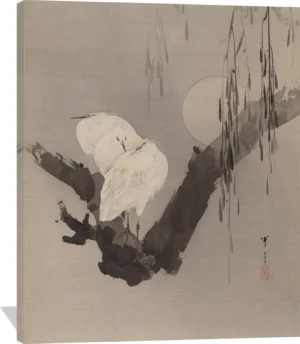
142,00 leiSelect options This product has multiple variants. The options may be chosen on the product pageEgrets in a Tree at Night
Watanabe SeiteiCanvas from
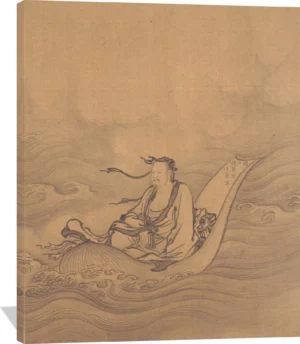
142,00 leiSelect options This product has multiple variants. The options may be chosen on the product pageSage Floating on Lotus Leaf
Unidentified artistCanvas from
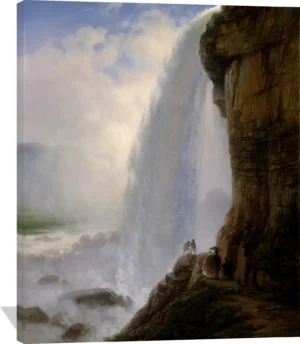
142,00 leiSelect options This product has multiple variants. The options may be chosen on the product pageUnderneath Niagara Falls
Ferdinand RichardtCanvas from
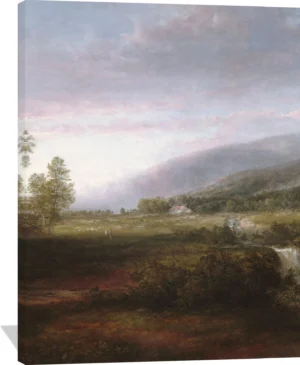
142,00 leiSelect options This product has multiple variants. The options may be chosen on the product pageSpring Landscape
Thomas DoughtyCanvas from
146,00 leiSelect options This product has multiple variants. The options may be chosen on the product pageThe Aegean Sea
Frederic Edwin ChurchCanvas from
222,00 leiSelect options This product has multiple variants. The options may be chosen on the product pageCloud Study (Distant Storm)
Simon DenisCanvas from
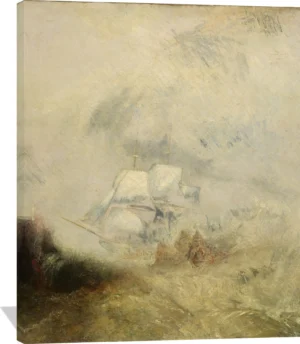
142,00 leiSelect options This product has multiple variants. The options may be chosen on the product pageWhalers
Joseph Mallord William TurnerCanvas from
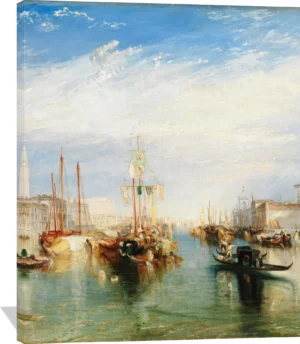
142,00 leiSelect options This product has multiple variants. The options may be chosen on the product pageVenice, from the Porch of Madonna della Salute
Joseph Mallord William TurnerCanvas from
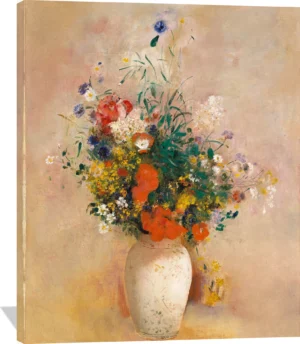
142,00 leiSelect options This product has multiple variants. The options may be chosen on the product pageVase of Flowers (Pink Background)
Odilon RedonCanvas from
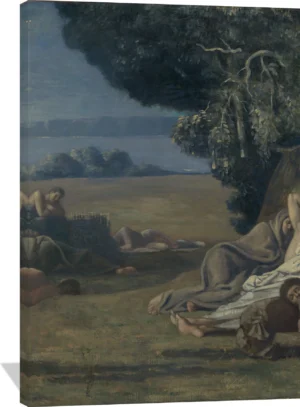
142,00 leiSelect options This product has multiple variants. The options may be chosen on the product pageTamaris
Pierre Puvis de ChavannesCanvas from
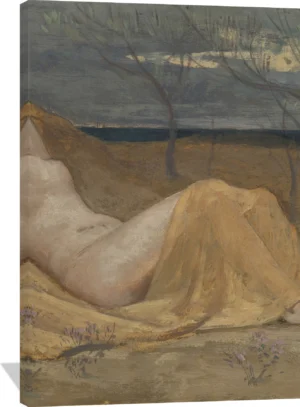
222,00 leiSelect options This product has multiple variants. The options may be chosen on the product pageSleep
Pierre Puvis de ChavannesCanvas from
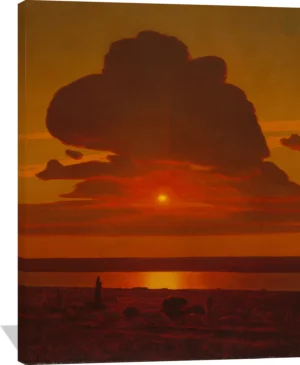
222,00 leiSelect options This product has multiple variants. The options may be chosen on the product pageRed Sunset
Arkhyp Kuindzhi (Arkhip Ivanovich Kuindzhi)Canvas from
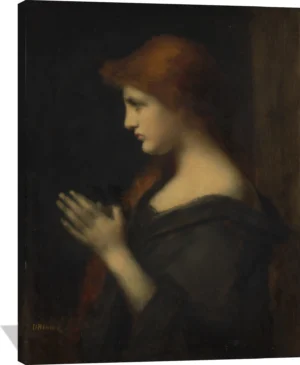
146,00 leiSelect options This product has multiple variants. The options may be chosen on the product pageYoung Woman Praying
Jean-Jacques HennerCanvas from
146,00 leiSelect options This product has multiple variants. The options may be chosen on the product pageA Bather (Echo)
Jean-Jacques HennerCanvas from
146,00 leiSelect options This product has multiple variants. The options may be chosen on the product pageThe Palace of Aurora
Henri Fantin-LatourCanvas from
142,00 leiSelect options This product has multiple variants. The options may be chosen on the product pageVille-d’Avray
Camille CorotCanvas from
222,00 leiSelect options This product has multiple variants. The options may be chosen on the product pageTraveling by Moonlight
Kawabata GyokushōCanvas from
142,00 leiSelect options This product has multiple variants. The options may be chosen on the product pageBlossoms by a River
Kawabata GyokushōCanvas from
142,00 leiSelect options This product has multiple variants. The options may be chosen on the product pageRapids and Fall of a River
Hashimoto GahōCanvas from
142,00 leiSelect options This product has multiple variants. The options may be chosen on the product page
Explore Rural Scenes
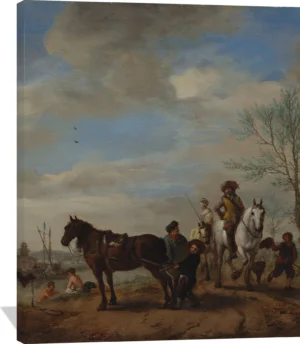
A Man and a Woman on Horseback
Philips WouwermanCanvas from
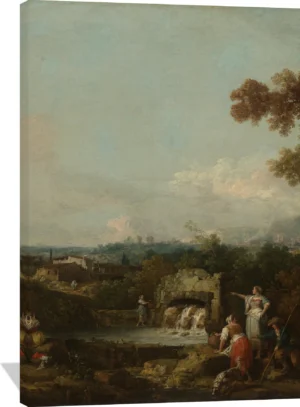
142,00 leiSelect options This product has multiple variants. The options may be chosen on the product pageLandscape with Peasants at a Fountain
Francesco ZuccarelliCanvas from
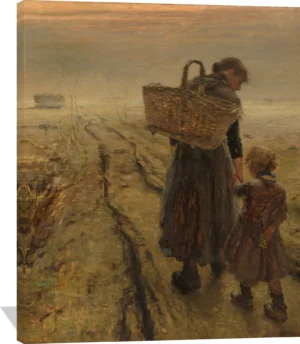
222,00 leiSelect options This product has multiple variants. The options may be chosen on the product pageGoing Home
Fritz von UhdeCanvas from
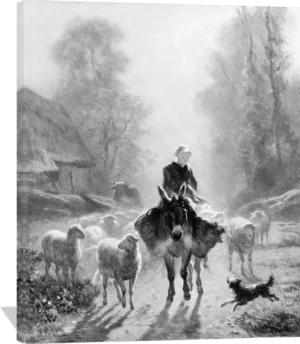
142,00 leiSelect options This product has multiple variants. The options may be chosen on the product pageGoing to Market
Constant TroyonCanvas from
142,00 leiSelect options This product has multiple variants. The options may be chosen on the product pageLandscape with Cattle
Jacob van StrijCanvas from
142,00 leiSelect options This product has multiple variants. The options may be chosen on the product pageThe Third Duke of Dorset’s Hunter with a Groom and a Dog
George StubbsCanvas from
142,00 leiSelect options This product has multiple variants. The options may be chosen on the product pagePeasants Dancing and Feasting
David Teniers the YoungerCanvas from
142,00 leiSelect options This product has multiple variants. The options may be chosen on the product pageLandscape with a Village in the Distance
Jacob van RuisdaelCanvas from
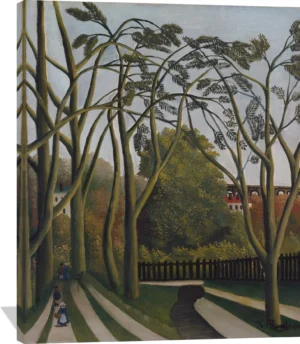
146,00 leiSelect options This product has multiple variants. The options may be chosen on the product pageThe Banks of the Bièvre near Bicêtre
Henri Rousseau (le Douanier)Canvas from
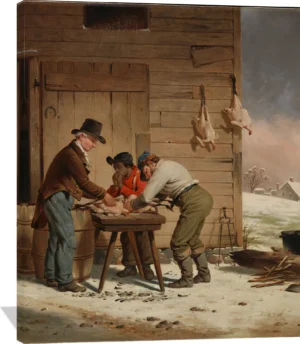
142,00 leiSelect options This product has multiple variants. The options may be chosen on the product pagePreparing for Christmas (Plucking Turkeys)
Francis William EdmondsCanvas from
142,00 leiSelect options This product has multiple variants. The options may be chosen on the product pageOn the Old Sod
William MagrathCanvas from
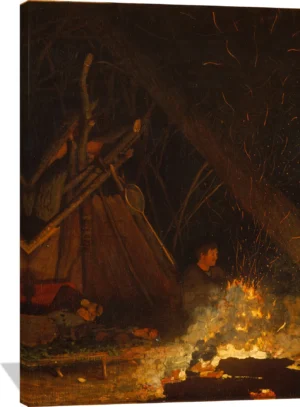
142,00 leiSelect options This product has multiple variants. The options may be chosen on the product pageCamp Fire
Winslow HomerCanvas from
222,00 leiSelect options This product has multiple variants. The options may be chosen on the product pageRed School House (Country Scene)
George Henry DurrieCanvas from
146,00 leiSelect options This product has multiple variants. The options may be chosen on the product pagePicquigny
Frits ThaulowCanvas from
142,00 leiSelect options This product has multiple variants. The options may be chosen on the product pageRoman Landscape with a Shepherd and Sheep
Giovanni Benedetto Castiglione (Il Grechetto)Canvas from
195,00 leiSelect options This product has multiple variants. The options may be chosen on the product pageView in the Stables of the Villa of Maecenas, Tivoli
François Marius GranetCanvas from
142,00 leiSelect options This product has multiple variants. The options may be chosen on the product pageYoung Ladies of the Village
Gustave CourbetCanvas from
142,00 leiSelect options This product has multiple variants. The options may be chosen on the product pageRetreat from the Storm
Jean-François MilletCanvas from
142,00 leiSelect options This product has multiple variants. The options may be chosen on the product pageView near Rouen
Richard Parkes BoningtonCanvas from
142,00 leiSelect options This product has multiple variants. The options may be chosen on the product pageThe Villa Loredan, Paese
Francesco GuardiCanvas from
222,00 leiSelect options This product has multiple variants. The options may be chosen on the product pageRoad in the Woods
Constant TroyonCanvas from
142,00 leiSelect options This product has multiple variants. The options may be chosen on the product page