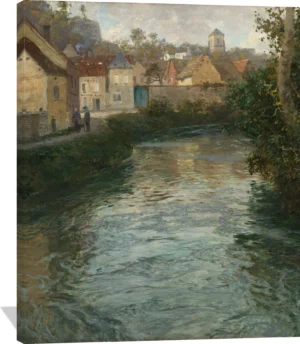
The Banks of the Bièvre near Bicêtre
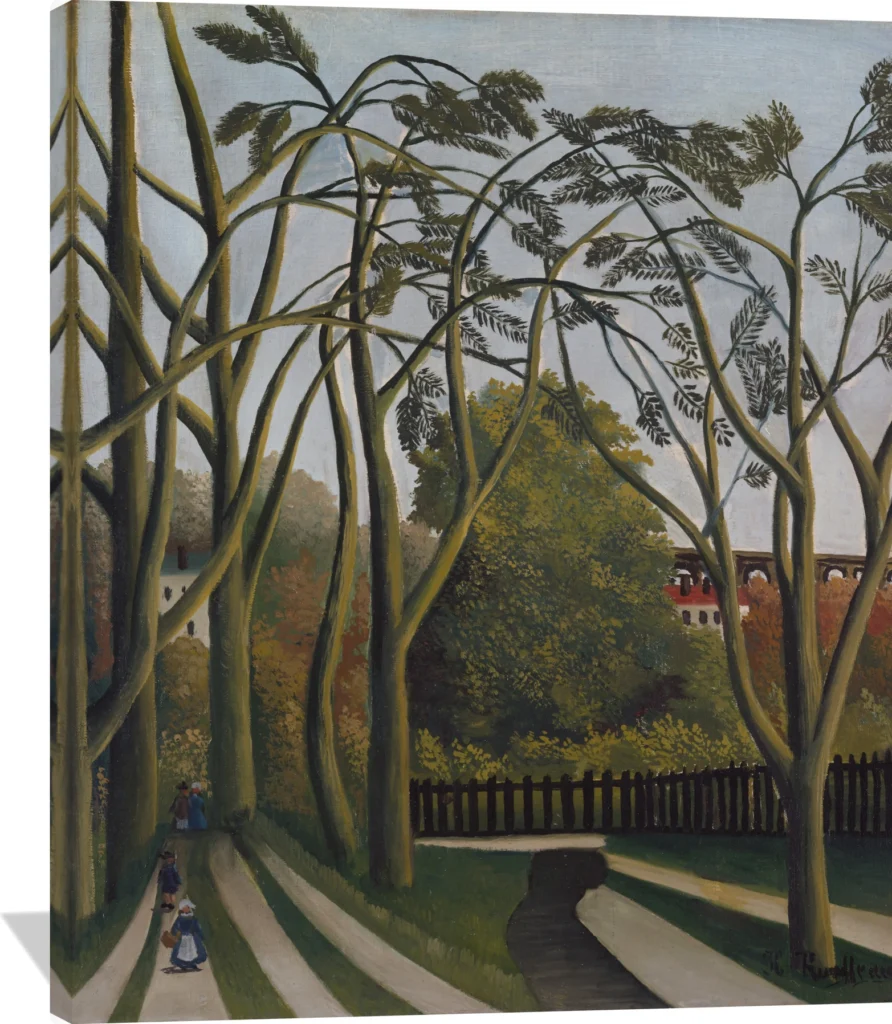
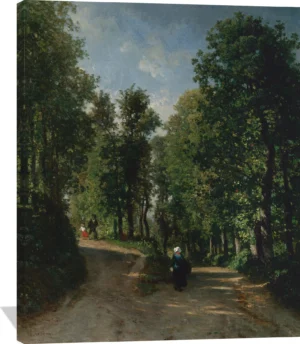
The Henri Rousseau The Banks of the Bièvre near Bicêtre canvas captures a serene stroll beneath tall, arching trees along a quiet riverside path. Soft greens, warm browns, and muted blues evoke the calm rhythm of nature on a clear afternoon, rendered in Rousseau’s signature naïve style that blends simplicity with poetic depth. This vertical composition draws the eye upward, creating a sense of peaceful escape and timeless charm.
Perfect as wall art for a living room, study, or entryway, this canvas print brings a touch of French pastoral beauty to contemporary interiors. A refined choice for collectors and admirers of tranquil, story-filled landscapes.
Henri Rousseau (le Douanier) was a self‑taught French painter born in Laval in 1844 and active in Paris until his death in 1910. Celebrated for his imaginative vision and unmistakable naïve style, he created some of the most iconic images of early modern art.
Artistic Style
Rousseau is known for a distinctive approach often described as naïve or primitive, characterized by precise outlines, flat planes of color, and dreamlike clarity. His work embodies a poetic sense of wonder, combining meticulous detail with an intentional simplicity that set him apart from academic traditions.
Subjects and Themes
Although he never left France, Rousseau painted lush jungle scenes filled with exotic plants, wild animals, and mysterious figures. These compositions, including celebrated works such as The Dream and Surprised!, draw from botanical gardens, illustrated books, and his vivid imagination. He also produced portraits, cityscapes, and allegorical scenes that reveal his fascination with storytelling and symbolic imagery.
Notable Contributions
Rousseau’s originality earned admiration from avant‑garde artists, who recognized the bold inventiveness behind his seemingly simple technique. His pioneering vision helped shape the development of modern art, influencing movements aligned with fantasy, symbolism, and early surrealism. His work stands as a testament to the expressive power of intuition and personal vision.
Cultural Significance
Today, Rousseau is celebrated for his ability to transform the ordinary into the extraordinary. His paintings carry a timeless sense of curiosity and wonder, and his fearless embrace of individual expression has secured his place as a key figure in the evolution of modern art.
Trust & policies
- 🚚 Free worldwide shipping
- 🔁 30-day returns (change of mind)
- 🛡️ If damaged/defective/misprinted: free replacement or full refund
- 🌍 Printed in US/CA/EU/UK/AU (based on delivery location)
- 💎 Made to order using acid-free, fade-resistant canvas
- 💎 Solid wood stretcher bars • Pine floating frames
- 🪝 Ready to hang

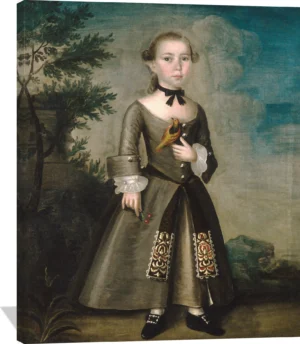
Mrs. Benjamin Simons
Henry BenbridgeCanvas from
142,00 leiSelect options This product has multiple variants. The options may be chosen on the product pageEmma Homan
John BradleyCanvas from
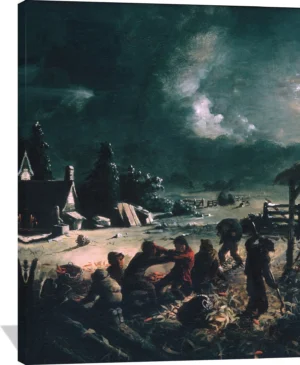
142,00 leiSelect options This product has multiple variants. The options may be chosen on the product pageCorn Husking
David Gilmour BlytheCanvas from
147,00 leiSelect options This product has multiple variants. The options may be chosen on the product pageJames Badger
Joseph BadgerCanvas from
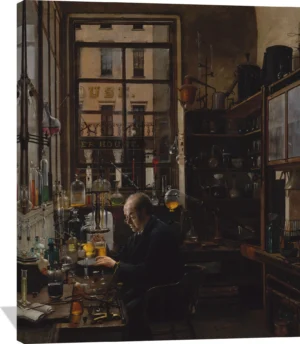
142,00 leiSelect options This product has multiple variants. The options may be chosen on the product pageIn the Laboratory
Henry AlexanderCanvas from
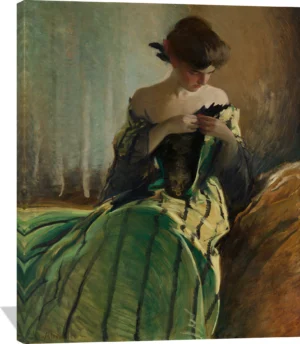
142,00 leiSelect options This product has multiple variants. The options may be chosen on the product pageStudy in Green and Black
John White AlexanderCanvas from
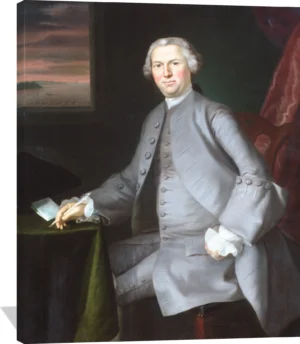
142,00 leiSelect options This product has multiple variants. The options may be chosen on the product pagePortrait of a Gentleman
Henry BenbridgeCanvas from
142,00 leiSelect options This product has multiple variants. The options may be chosen on the product pageThe Music Lesson
John George BrownCanvas from
142,00 leiSelect options This product has multiple variants. The options may be chosen on the product pageSea Cove
Albert BierstadtCanvas from
147,00 leiSelect options This product has multiple variants. The options may be chosen on the product pageJohn F. Kensett
George Augustus Baker Jr.Canvas from
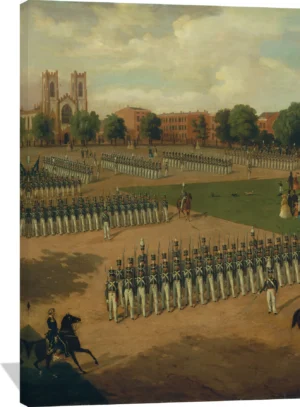
142,00 leiSelect options This product has multiple variants. The options may be chosen on the product pageSeventh Regiment on Review, Washington Square, New York
Otto BoetticherCanvas from
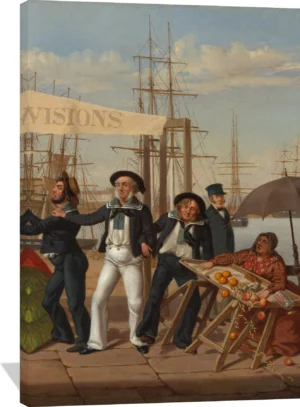
222,00 leiSelect options This product has multiple variants. The options may be chosen on the product pageAfter a Long Cruise
John CarlinCanvas from
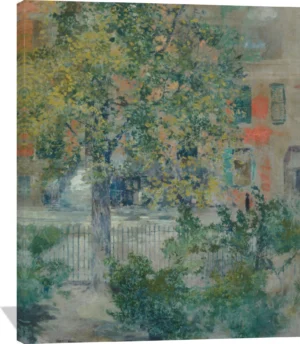
222,00 leiSelect options This product has multiple variants. The options may be chosen on the product pageView from the Artist’s Window, Grove Street
Robert Frederick BlumCanvas from
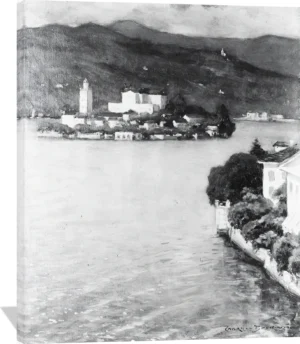
142,00 leiSelect options This product has multiple variants. The options may be chosen on the product pageLake of Orta
J. Carroll BeckwithCanvas from
142,00 leiSelect options This product has multiple variants. The options may be chosen on the product pageThe Ameya
Robert Frederick BlumCanvas from
142,00 leiSelect options This product has multiple variants. The options may be chosen on the product pageThe Pipe Dance
Ralph Albert BlakelockCanvas from
222,00 leiSelect options This product has multiple variants. The options may be chosen on the product pageFur Traders Descending the Missouri
George Caleb BinghamCanvas from
142,00 leiSelect options This product has multiple variants. The options may be chosen on the product pageAdult Funeral Procession
William P. ChappelCanvas from
222,00 leiSelect options This product has multiple variants. The options may be chosen on the product pageSamuel Cutts
Joseph BlackburnCanvas from
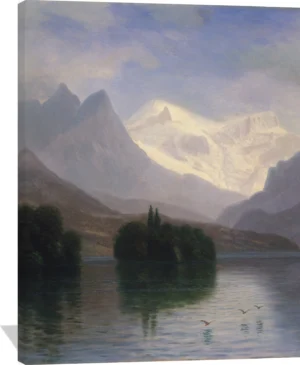
142,00 leiSelect options This product has multiple variants. The options may be chosen on the product pageMountain Scene
Albert BierstadtCanvas from
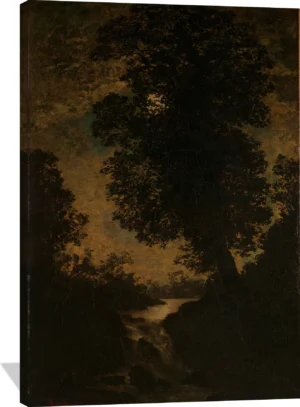
147,00 leiSelect options This product has multiple variants. The options may be chosen on the product pageA Waterfall, Moonlight
Ralph Albert BlakelockCanvas from
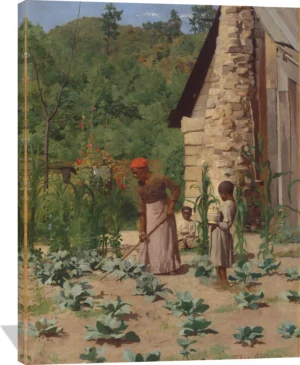
222,00 leiSelect options This product has multiple variants. The options may be chosen on the product pageThe Way They Live
Thomas AnshutzCanvas from
147,00 leiSelect options This product has multiple variants. The options may be chosen on the product page
Explore Landscapes
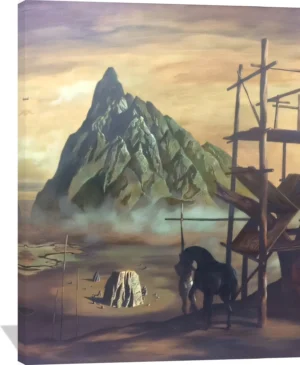
The Black Horse
John AthertonCanvas from
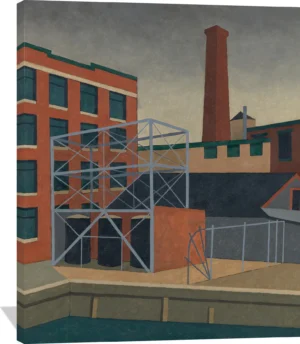
147,00 leiSelect options This product has multiple variants. The options may be chosen on the product pageWaterfront Mill
Niles SpencerCanvas from
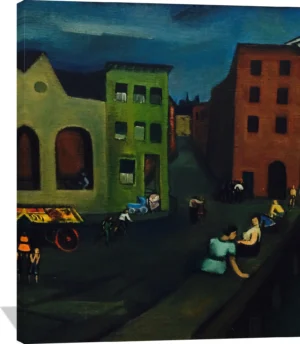
142,00 leiSelect options This product has multiple variants. The options may be chosen on the product pageDocks on Sunday
Joseph De MartiniCanvas from
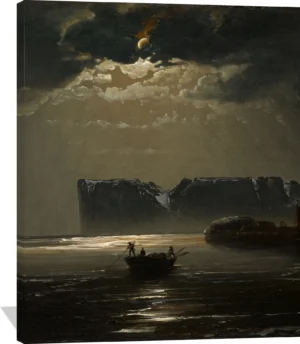
142,00 leiSelect options This product has multiple variants. The options may be chosen on the product pageThe North Cape by Moonlight
Peder BalkeCanvas from
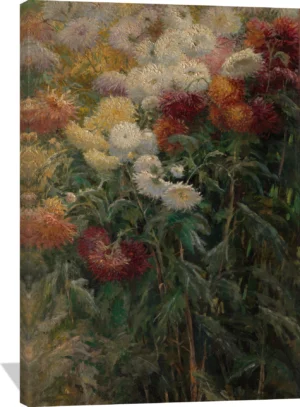
142,00 leiSelect options This product has multiple variants. The options may be chosen on the product pageChrysanthemums in the Garden at Petit-Gennevilliers
Gustave CaillebotteCanvas from
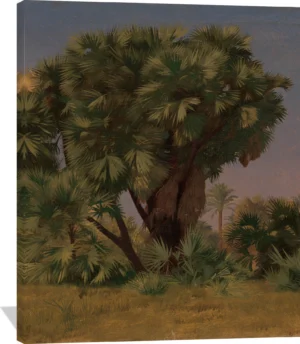
222,00 leiSelect options This product has multiple variants. The options may be chosen on the product pageStudy of Palm Trees
Jean-Léon GérômeCanvas from
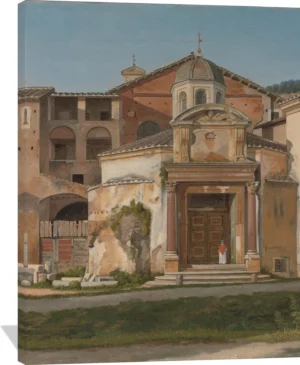
142,00 leiSelect options This product has multiple variants. The options may be chosen on the product pageA Section of the Via Sacra, Rome (The Church of Saints Cosmas and Damian)
Christoffer Wilhelm EckersbergCanvas from
147,00 leiSelect options This product has multiple variants. The options may be chosen on the product pageLandscape with Figures
Kenneth Hayes MillerCanvas from
142,00 leiSelect options This product has multiple variants. The options may be chosen on the product pageThe Great Pyramid, Giza
Adrien DauzatsCanvas from
142,00 leiSelect options This product has multiple variants. The options may be chosen on the product pageVirgil’s Tomb by Moonlight, with Silius Italicus Declaiming
Joseph Wright (Wright of Derby)Canvas from
142,00 leiSelect options This product has multiple variants. The options may be chosen on the product pageView over Hallingdal
Johan Christian DahlCanvas from
222,00 leiSelect options This product has multiple variants. The options may be chosen on the product pageWedding Procession
Victor EeckhoutCanvas from
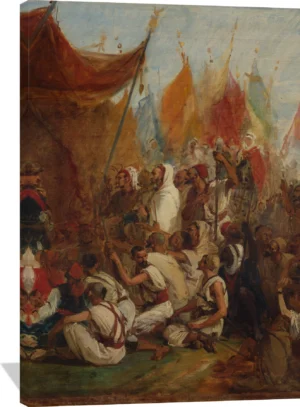
147,00 leiSelect options This product has multiple variants. The options may be chosen on the product pageSketch for “Reception of Emperor Napoleon III and Empress Eugénie by the Kabyle Leaders at Algiers on September 18, 1860”
Isidore PilsCanvas from
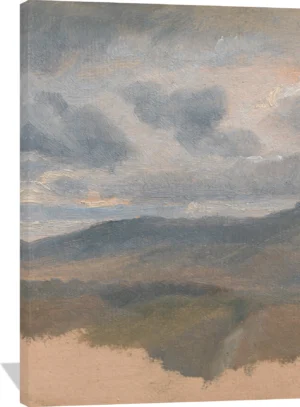
222,00 leiSelect options This product has multiple variants. The options may be chosen on the product pageLandscape Study with Clouds
Emile LoubonCanvas from
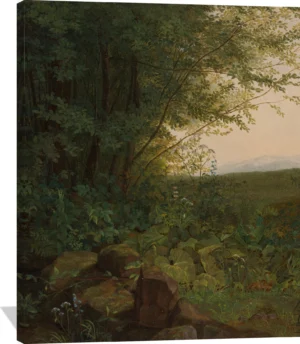
222,00 leiSelect options This product has multiple variants. The options may be chosen on the product pageAt the Edge of the Forest
August HeinrichCanvas from
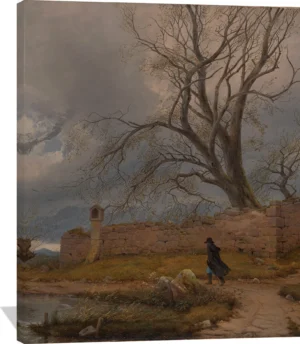
142,00 leiSelect options This product has multiple variants. The options may be chosen on the product pageWanderer in the Storm
Julius von LeypoldCanvas from
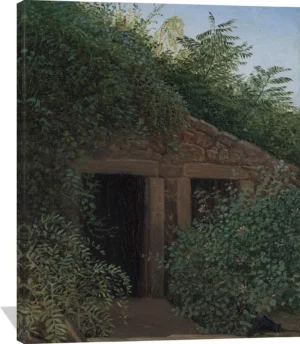
142,00 leiSelect options This product has multiple variants. The options may be chosen on the product pageAn Overgrown Mineshaft
Carl Gustav CarusCanvas from
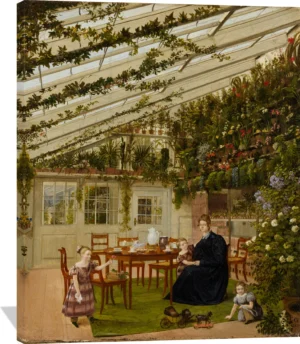
142,00 leiSelect options This product has multiple variants. The options may be chosen on the product pageThe Family of Mr. Westphal in the Conservatory
Eduard GaertnerCanvas from
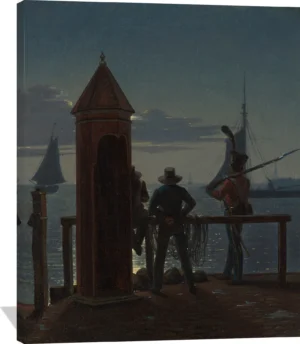
142,00 leiSelect options This product has multiple variants. The options may be chosen on the product pageView from the Citadel Ramparts in Copenhagen by Moonlight
Martinus RørbyeCanvas from
142,00 leiSelect options This product has multiple variants. The options may be chosen on the product pageThe Cemetery at Pronoia near Nauplia
Carl RottmannCanvas from
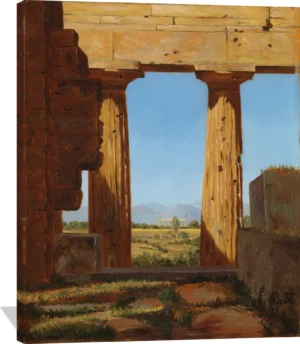
142,00 leiSelect options This product has multiple variants. The options may be chosen on the product pageColumns of the Temple of Neptune at Paestum
Constantin HansenCanvas from
142,00 leiSelect options This product has multiple variants. The options may be chosen on the product page
Explore Primitive
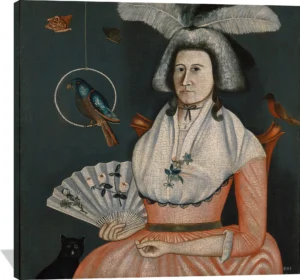
Molly Wales Fobes
Rufus HathawayCanvas from
195,00 leiSelect options This product has multiple variants. The options may be chosen on the product pageButtermilk Pedlar
William P. ChappelCanvas from
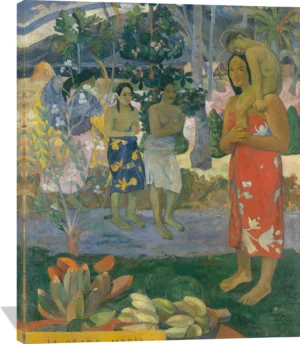
222,00 leiSelect options This product has multiple variants. The options may be chosen on the product pageIa Orana Maria (Hail Mary)
Paul GauguinCanvas from
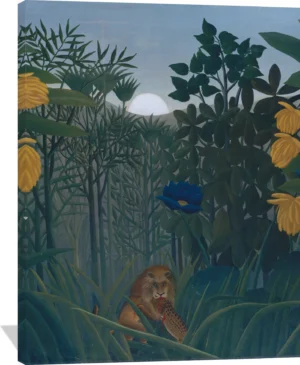
142,00 leiSelect options This product has multiple variants. The options may be chosen on the product pageThe Repast of the Lion
Henri Rousseau (le Douanier)Canvas from
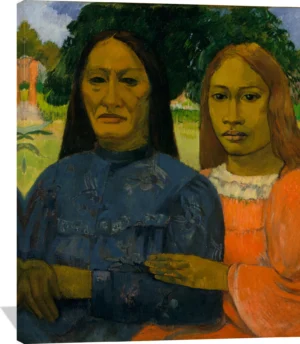
147,00 leiSelect options This product has multiple variants. The options may be chosen on the product pageTwo Women
Paul GauguinCanvas from
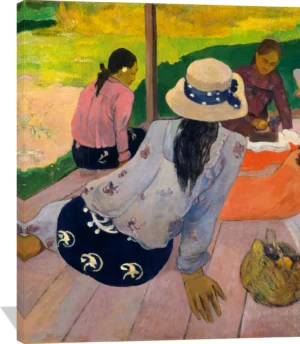
142,00 leiSelect options This product has multiple variants. The options may be chosen on the product pageThe Siesta
Paul GauguinCanvas from
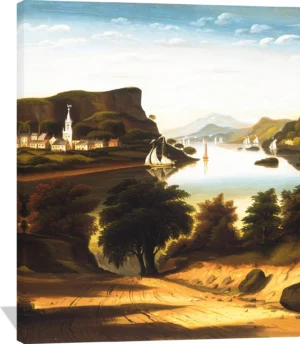
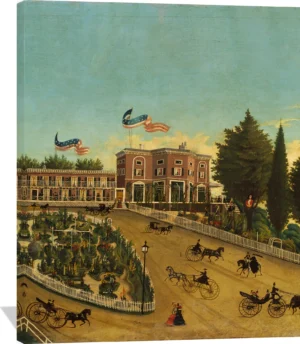
142,00 leiSelect options This product has multiple variants. The options may be chosen on the product pageLake George and the Village of Caldwell
Thomas ChambersCanvas from
142,00 leiSelect options This product has multiple variants. The options may be chosen on the product pageThe Claremont
Canvas from
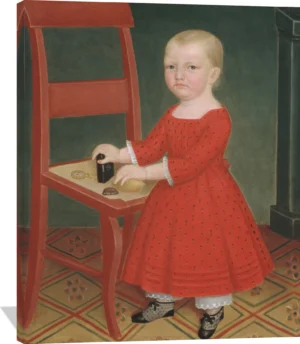
142,00 leiSelect options This product has multiple variants. The options may be chosen on the product pageBoy with Blond Hair
Canvas from
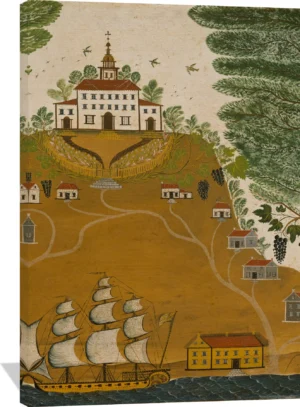
142,00 leiSelect options This product has multiple variants. The options may be chosen on the product pageThe Plantation
Canvas from
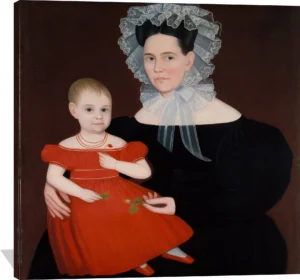
222,00 leiSelect options This product has multiple variants. The options may be chosen on the product pageMrs. Mayer and Daughter
Ammi PhillipsCanvas from
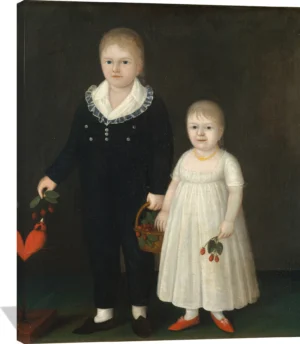
195,00 leiSelect options This product has multiple variants. The options may be chosen on the product pageEdward and Sarah Rutter
Joshua JohnsonCanvas from
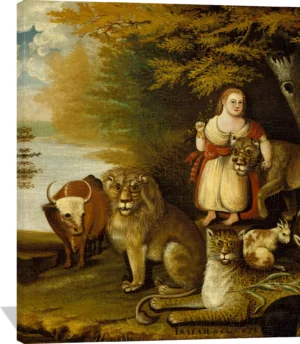
142,00 leiSelect options This product has multiple variants. The options may be chosen on the product pagePeaceable Kingdom
Edward HicksCanvas from
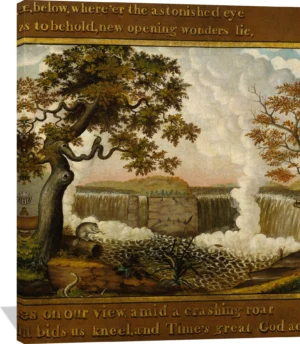
142,00 leiSelect options This product has multiple variants. The options may be chosen on the product pageThe Falls of Niagara
Edward HicksCanvas from
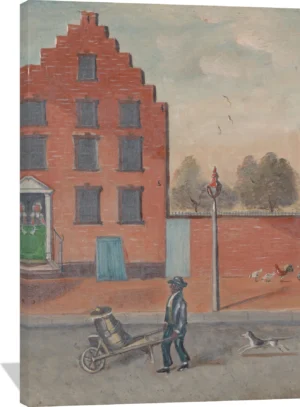
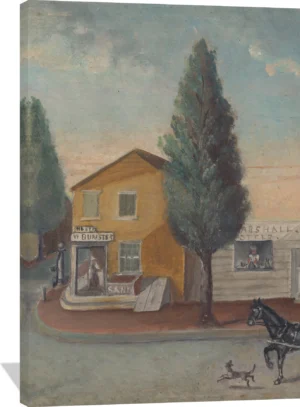
142,00 leiSelect options This product has multiple variants. The options may be chosen on the product pageThe Baker’s Wagon
William P. ChappelCanvas from
222,00 leiSelect options This product has multiple variants. The options may be chosen on the product pageTea Party
William P. ChappelCanvas from
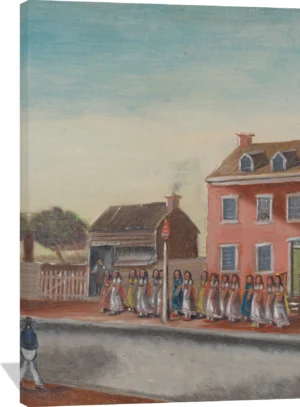
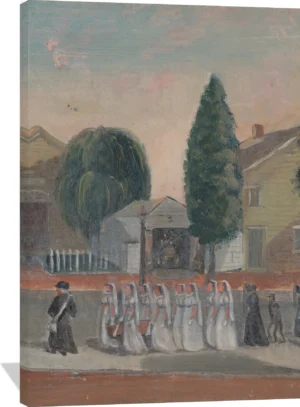
222,00 leiSelect options This product has multiple variants. The options may be chosen on the product pageInfant Funeral Procession
William P. ChappelCanvas from
222,00 leiSelect options This product has multiple variants. The options may be chosen on the product pageFiremen’s Washing Day
William P. ChappelCanvas from
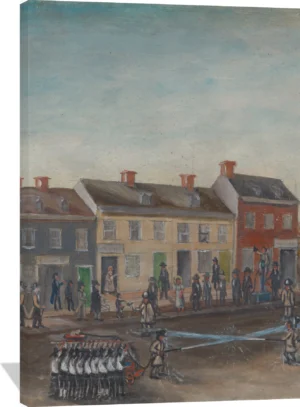
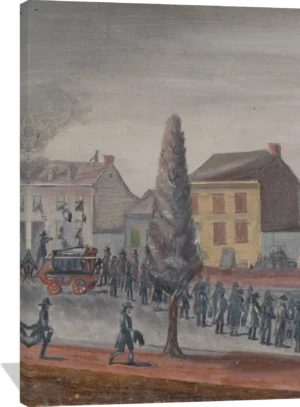
222,00 leiSelect options This product has multiple variants. The options may be chosen on the product pageFighting a Fire
William P. ChappelCanvas from
222,00 leiSelect options This product has multiple variants. The options may be chosen on the product pageThe Dog Killer
William P. ChappelCanvas from
222,00 leiSelect options This product has multiple variants. The options may be chosen on the product page
Explore Rural Scenes
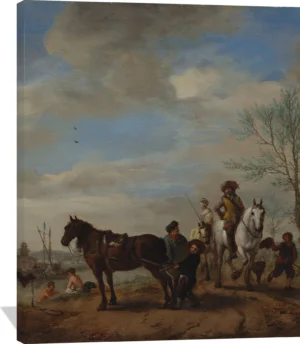
A Man and a Woman on Horseback
Philips WouwermanCanvas from
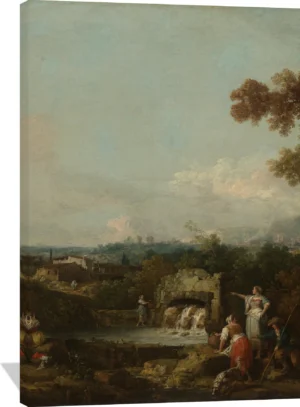
142,00 leiSelect options This product has multiple variants. The options may be chosen on the product pageLandscape with Peasants at a Fountain
Francesco ZuccarelliCanvas from
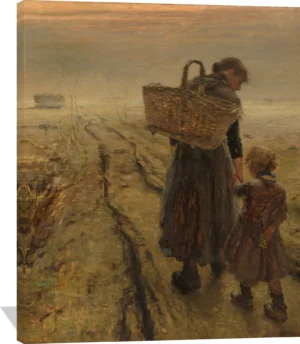
222,00 leiSelect options This product has multiple variants. The options may be chosen on the product pageGoing Home
Fritz von UhdeCanvas from
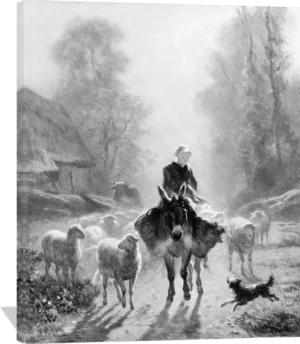
142,00 leiSelect options This product has multiple variants. The options may be chosen on the product pageGoing to Market
Constant TroyonCanvas from
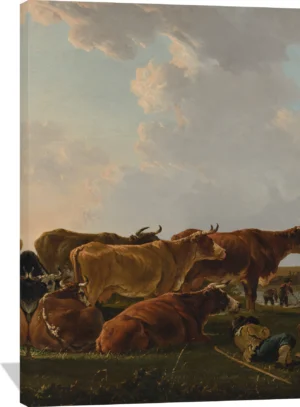
142,00 leiSelect options This product has multiple variants. The options may be chosen on the product pageLandscape with Cattle
Jacob van StrijCanvas from
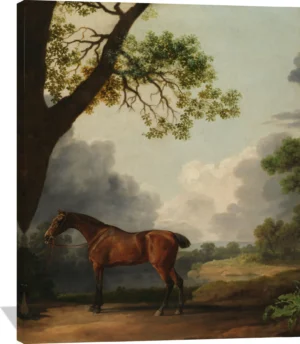
142,00 leiSelect options This product has multiple variants. The options may be chosen on the product pageThe Third Duke of Dorset’s Hunter with a Groom and a Dog
George StubbsCanvas from
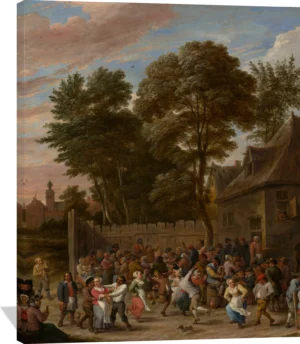
142,00 leiSelect options This product has multiple variants. The options may be chosen on the product pagePeasants Dancing and Feasting
David Teniers the YoungerCanvas from
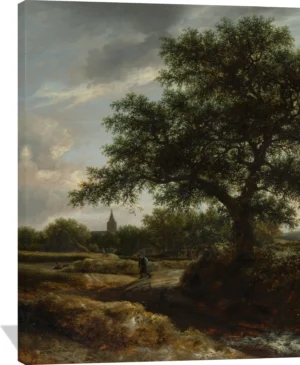
142,00 leiSelect options This product has multiple variants. The options may be chosen on the product pageLandscape with a Village in the Distance
Jacob van RuisdaelCanvas from
147,00 leiSelect options This product has multiple variants. The options may be chosen on the product pagePreparing for Christmas (Plucking Turkeys)
Francis William EdmondsCanvas from
142,00 leiSelect options This product has multiple variants. The options may be chosen on the product pageOn the Old Sod
William MagrathCanvas from
142,00 leiSelect options This product has multiple variants. The options may be chosen on the product pageCamp Fire
Winslow HomerCanvas from
222,00 leiSelect options This product has multiple variants. The options may be chosen on the product pageRed School House (Country Scene)
George Henry DurrieCanvas from
147,00 leiSelect options This product has multiple variants. The options may be chosen on the product pagePicquigny
Frits ThaulowCanvas from
142,00 leiSelect options This product has multiple variants. The options may be chosen on the product pageRoman Landscape with a Shepherd and Sheep
Giovanni Benedetto Castiglione (Il Grechetto)Canvas from
195,00 leiSelect options This product has multiple variants. The options may be chosen on the product pageView in the Stables of the Villa of Maecenas, Tivoli
François Marius GranetCanvas from
142,00 leiSelect options This product has multiple variants. The options may be chosen on the product pageYoung Ladies of the Village
Gustave CourbetCanvas from
142,00 leiSelect options This product has multiple variants. The options may be chosen on the product pageRetreat from the Storm
Jean-François MilletCanvas from
142,00 leiSelect options This product has multiple variants. The options may be chosen on the product pageView near Rouen
Richard Parkes BoningtonCanvas from
142,00 leiSelect options This product has multiple variants. The options may be chosen on the product pageThe Villa Loredan, Paese
Francesco GuardiCanvas from
222,00 leiSelect options This product has multiple variants. The options may be chosen on the product pageRoad in the Woods
Constant TroyonCanvas from
142,00 leiSelect options This product has multiple variants. The options may be chosen on the product pageShepherds and Sheep
David Teniers the YoungerCanvas from
142,00 leiSelect options This product has multiple variants. The options may be chosen on the product page