Tennessee
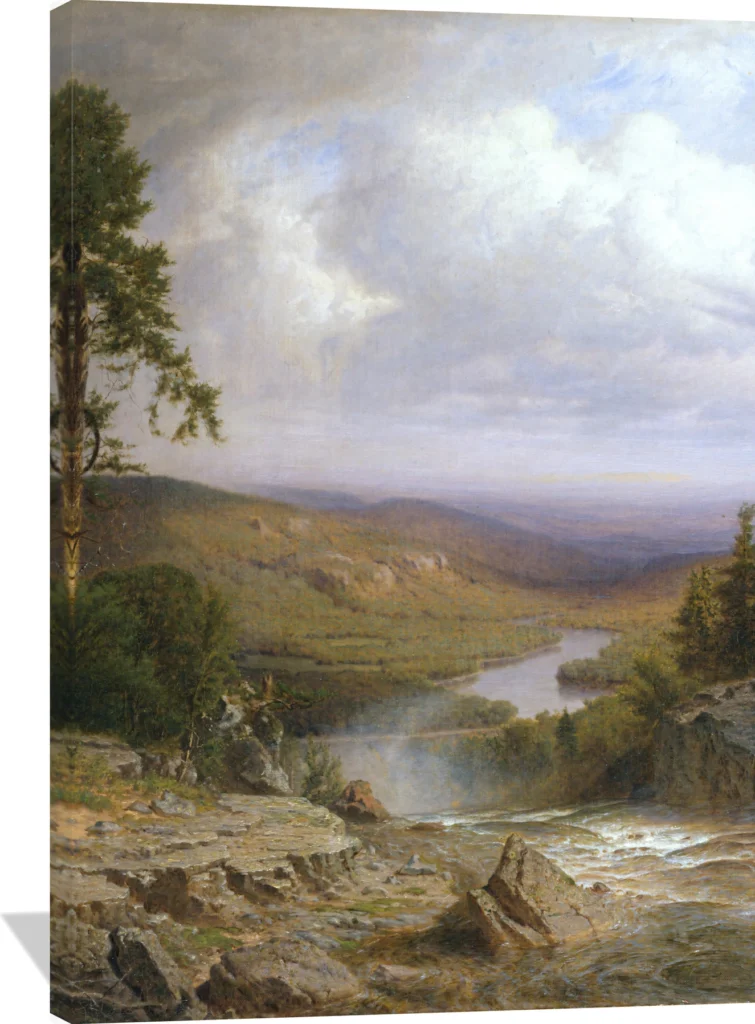
The Alexander H. Wyant Tennessee canvas captures the serene grandeur of the American landscape with luminous detail and poetic calm. Soft earth tones of moss green, golden brown, and misty blue flow across a sweeping valley and river vista, framed by rugged cliffs and towering pines beneath a vast, cloud-filled sky.
This timeless wall art evokes both solitude and wonder, making it a refined focal point for a living room, study, or entryway. A masterwork of 19th-century realism, this canvas print brings Wyant’s contemplative vision of nature into your home with enduring elegance.
Alexander H. Wyant (1836–1892) was a leading American landscape painter whose work bridged the late Hudson River School and the emerging Tonalist movement. Revered for his atmospheric sensitivity and poetic handling of light, Wyant created intimate, contemplative scenes that conveyed nature’s quiet emotional power.
Artistic Style
Wyant’s mature style is marked by soft tonal harmonies, fluid brushwork, and a restrained, meditative mood. Moving away from the grand, panoramic landscapes favored by earlier Hudson River painters, he embraced a more introspective approach, using subtle gradations of color and shadow to evoke shifting weather, mist, and twilight. His work became a cornerstone of early American Tonalism, valued for its lyrical serenity and understated depth.
Subjects and Themes
Wyant often painted secluded streams, wooded valleys, and pastoral meadows, finding inspiration in the Catskills, Adirondacks, and the American Midwest. Rather than focusing on topographical detail, he emphasized atmosphere and emotion, allowing each scene to unfold as an intimate meditation on nature. His compositions frequently center on still water, distant hills, and delicate interplay between sky and land, capturing ephemeral moments with remarkable sensitivity.
Artistic Legacy
Despite facing physical challenges later in life, Wyant continued to paint with a refined, expressive touch that influenced a generation of landscape artists. His work helped usher in a more introspective interpretation of the American landscape one rooted not in spectacle but in mood, reflection, and the quiet power of the natural world. Today, his paintings remain emblematic of the transition from the dramatic vistas of the Hudson River School to the nuanced, atmospheric language of Tonalism.
Trust & policies
- 🚚 Free worldwide shipping
- 🔁 30-day returns (change of mind)
- 🛡️ If damaged/defective/misprinted: free replacement or full refund
- 🌍 Printed in US/CA/EU/UK/AU (based on delivery location)
- 💎 Made to order using acid-free, fade-resistant canvas
- 💎 Solid wood stretcher bars • Pine floating frames
- 🪝 Ready to hang

The Music Lesson
John George BrownCanvas from
142,00 leiSelect options This product has multiple variants. The options may be chosen on the product pageThe Way They Live
Thomas AnshutzCanvas from
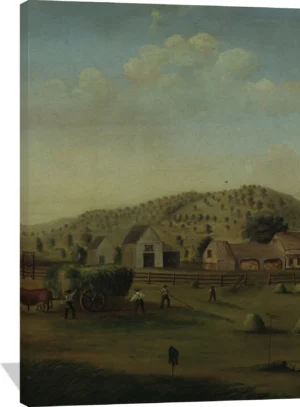
147,00 leiSelect options This product has multiple variants. The options may be chosen on the product pageLeete Farm, West Claremont, New Hampshire
Francis AlexanderCanvas from
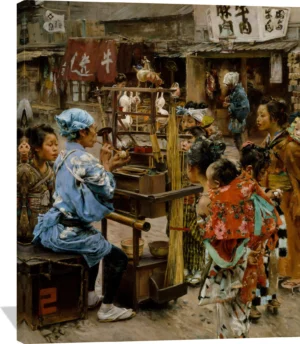
222,00 leiSelect options This product has multiple variants. The options may be chosen on the product pageThe Ameya
Robert Frederick BlumCanvas from
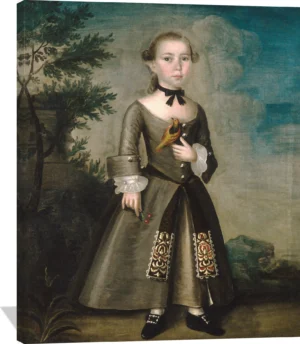
142,00 leiSelect options This product has multiple variants. The options may be chosen on the product pageJames Badger
Joseph BadgerCanvas from
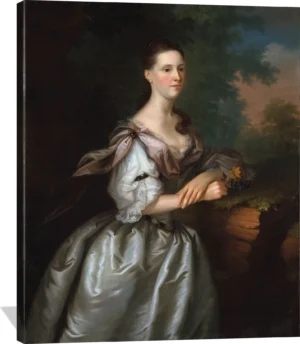
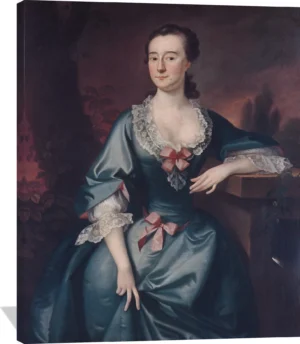
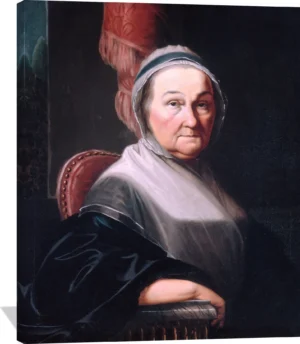
142,00 leiSelect options This product has multiple variants. The options may be chosen on the product pageMrs. Samuel Cutts
Joseph BlackburnCanvas from
142,00 leiSelect options This product has multiple variants. The options may be chosen on the product pageThe Pipe Dance
Ralph Albert BlakelockCanvas from
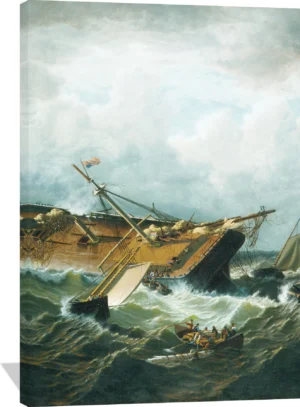
222,00 leiSelect options This product has multiple variants. The options may be chosen on the product pageShipwreck off Nantucket (Wreck off Nantucket after a Storm)
William BradfordCanvas from
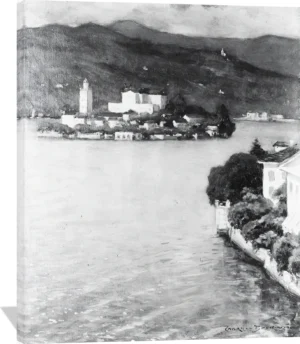
222,00 leiSelect options This product has multiple variants. The options may be chosen on the product pageLake of Orta
J. Carroll BeckwithCanvas from
142,00 leiSelect options This product has multiple variants. The options may be chosen on the product pageMrs. David Chesebrough
Joseph BlackburnCanvas from
142,00 leiSelect options This product has multiple variants. The options may be chosen on the product pagePhilip Van Cortlandt
Ezra AmesCanvas from
142,00 leiSelect options This product has multiple variants. The options may be chosen on the product pageMary Sylvester
Joseph BlackburnCanvas from
142,00 leiSelect options This product has multiple variants. The options may be chosen on the product pageBaked Pears in Duane Park
William P. ChappelCanvas from
222,00 leiSelect options This product has multiple variants. The options may be chosen on the product pageSea Cove
Albert BierstadtCanvas from
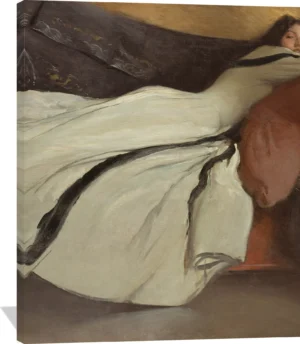
147,00 leiSelect options This product has multiple variants. The options may be chosen on the product pageRepose
John White AlexanderCanvas from
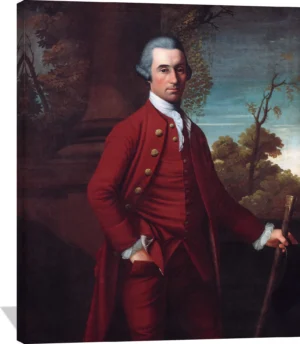
142,00 leiSelect options This product has multiple variants. The options may be chosen on the product pagePortrait of a Gentleman
Henry BenbridgeCanvas from
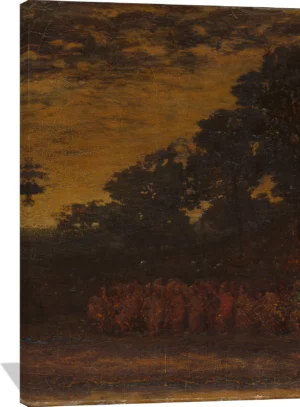
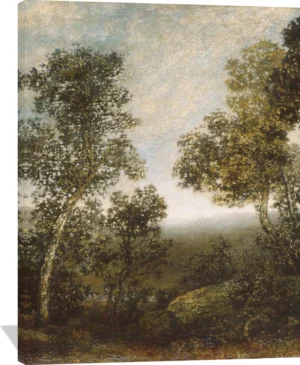
142,00 leiSelect options This product has multiple variants. The options may be chosen on the product pageLandscape
Ralph Albert BlakelockCanvas from
147,00 leiSelect options This product has multiple variants. The options may be chosen on the product pageMrs. Benjamin Simons
Henry BenbridgeCanvas from
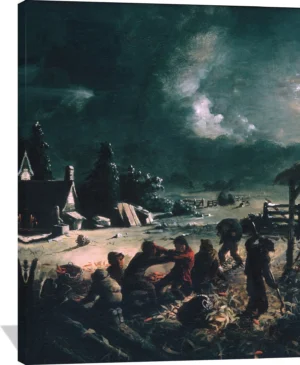
142,00 leiSelect options This product has multiple variants. The options may be chosen on the product pageCorn Husking
David Gilmour BlytheCanvas from
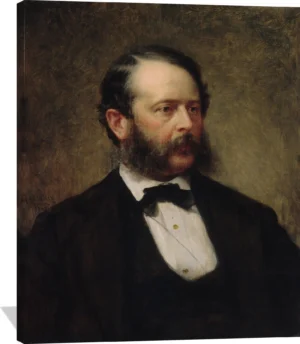
147,00 leiSelect options This product has multiple variants. The options may be chosen on the product pageJohn F. Kensett
George Augustus Baker Jr.Canvas from
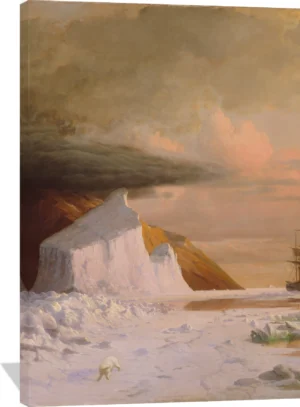
142,00 leiSelect options This product has multiple variants. The options may be chosen on the product pageAn Arctic Summer: Boring Through the Pack in Melville Bay
William BradfordCanvas from
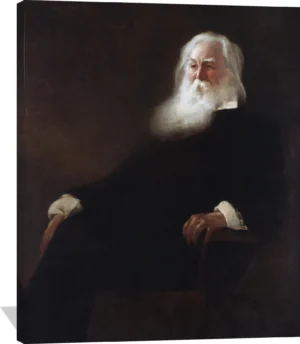
222,00 leiSelect options This product has multiple variants. The options may be chosen on the product pageWalt Whitman
John White AlexanderCanvas from
142,00 leiSelect options This product has multiple variants. The options may be chosen on the product page
Explore Landscapes
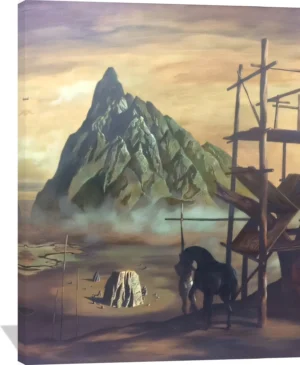
The Black Horse
John AthertonCanvas from
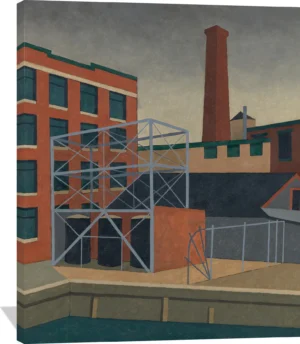
147,00 leiSelect options This product has multiple variants. The options may be chosen on the product pageWaterfront Mill
Niles SpencerCanvas from
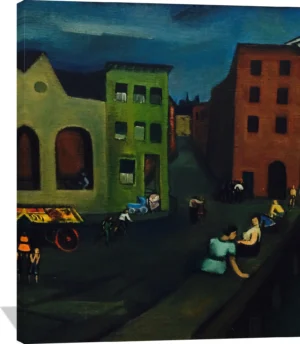
142,00 leiSelect options This product has multiple variants. The options may be chosen on the product pageDocks on Sunday
Joseph De MartiniCanvas from
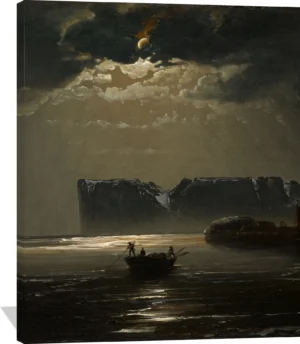
142,00 leiSelect options This product has multiple variants. The options may be chosen on the product pageThe North Cape by Moonlight
Peder BalkeCanvas from
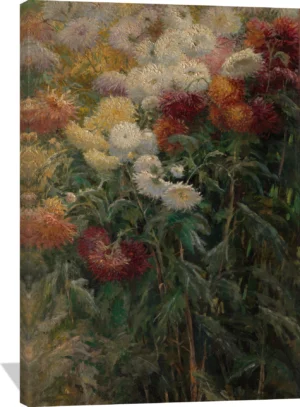
142,00 leiSelect options This product has multiple variants. The options may be chosen on the product pageChrysanthemums in the Garden at Petit-Gennevilliers
Gustave CaillebotteCanvas from
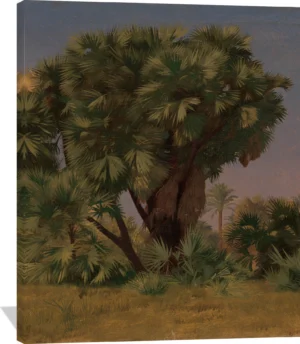
222,00 leiSelect options This product has multiple variants. The options may be chosen on the product pageStudy of Palm Trees
Jean-Léon GérômeCanvas from
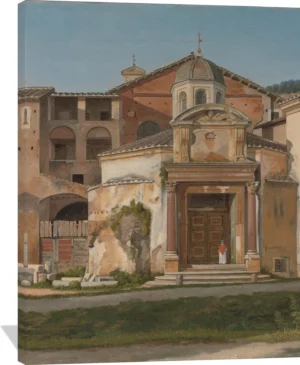
142,00 leiSelect options This product has multiple variants. The options may be chosen on the product pageA Section of the Via Sacra, Rome (The Church of Saints Cosmas and Damian)
Christoffer Wilhelm EckersbergCanvas from
147,00 leiSelect options This product has multiple variants. The options may be chosen on the product pageLandscape with Figures
Kenneth Hayes MillerCanvas from
142,00 leiSelect options This product has multiple variants. The options may be chosen on the product pageThe Great Pyramid, Giza
Adrien DauzatsCanvas from
142,00 leiSelect options This product has multiple variants. The options may be chosen on the product pageVirgil’s Tomb by Moonlight, with Silius Italicus Declaiming
Joseph Wright (Wright of Derby)Canvas from
142,00 leiSelect options This product has multiple variants. The options may be chosen on the product pageView over Hallingdal
Johan Christian DahlCanvas from
222,00 leiSelect options This product has multiple variants. The options may be chosen on the product pageWedding Procession
Victor EeckhoutCanvas from
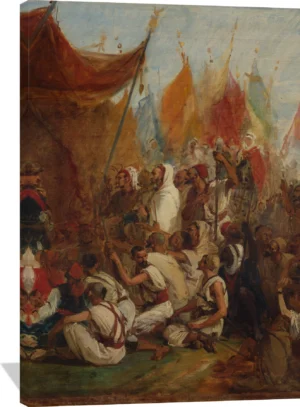
147,00 leiSelect options This product has multiple variants. The options may be chosen on the product pageSketch for “Reception of Emperor Napoleon III and Empress Eugénie by the Kabyle Leaders at Algiers on September 18, 1860”
Isidore PilsCanvas from
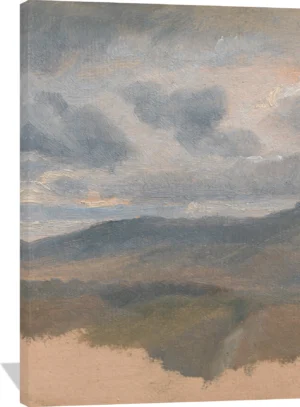
222,00 leiSelect options This product has multiple variants. The options may be chosen on the product pageLandscape Study with Clouds
Emile LoubonCanvas from
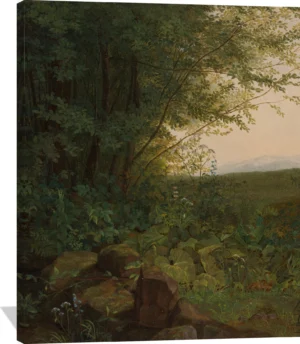
222,00 leiSelect options This product has multiple variants. The options may be chosen on the product pageAt the Edge of the Forest
August HeinrichCanvas from
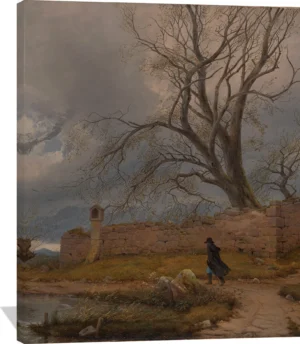
142,00 leiSelect options This product has multiple variants. The options may be chosen on the product pageWanderer in the Storm
Julius von LeypoldCanvas from
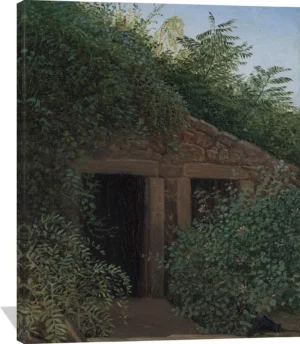
142,00 leiSelect options This product has multiple variants. The options may be chosen on the product pageAn Overgrown Mineshaft
Carl Gustav CarusCanvas from
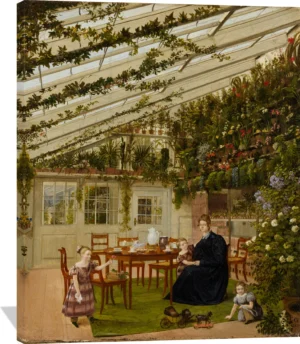
142,00 leiSelect options This product has multiple variants. The options may be chosen on the product pageThe Family of Mr. Westphal in the Conservatory
Eduard GaertnerCanvas from
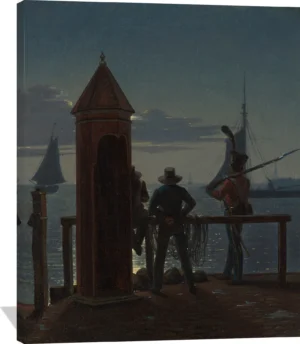
142,00 leiSelect options This product has multiple variants. The options may be chosen on the product pageView from the Citadel Ramparts in Copenhagen by Moonlight
Martinus RørbyeCanvas from
142,00 leiSelect options This product has multiple variants. The options may be chosen on the product pageThe Cemetery at Pronoia near Nauplia
Carl RottmannCanvas from
142,00 leiSelect options This product has multiple variants. The options may be chosen on the product pageColumns of the Temple of Neptune at Paestum
Constantin HansenCanvas from
142,00 leiSelect options This product has multiple variants. The options may be chosen on the product page
Explore Organic
Return of the Redwing
Allen B. TalcottCanvas from
147,00 leiSelect options This product has multiple variants. The options may be chosen on the product pageSummer Afternoon
Asher Brown DurandCanvas from
222,00 leiSelect options This product has multiple variants. The options may be chosen on the product pageStudy of Water and Plants
Thomas FearnleyCanvas from
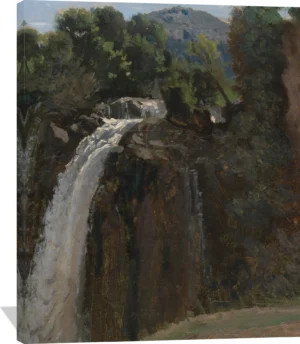
142,00 leiSelect options This product has multiple variants. The options may be chosen on the product pageWaterfall at Terni
Camille CorotCanvas from
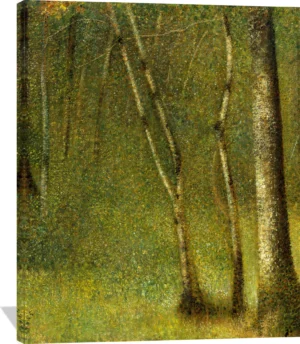
142,00 leiSelect options This product has multiple variants. The options may be chosen on the product pageThe Forest at Pontaubert
Georges SeuratCanvas from
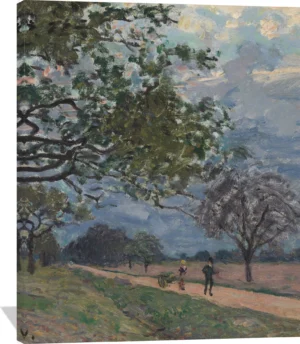
142,00 leiSelect options This product has multiple variants. The options may be chosen on the product pageThe Road from Versailles to Louveciennes
Alfred SisleyCanvas from
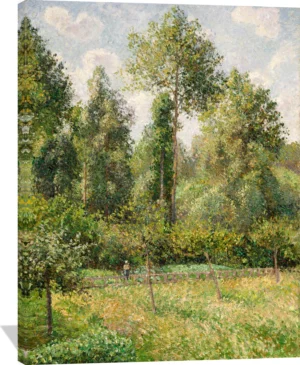
142,00 leiSelect options This product has multiple variants. The options may be chosen on the product pagePoplars, Eragny
Camille PissarroCanvas from
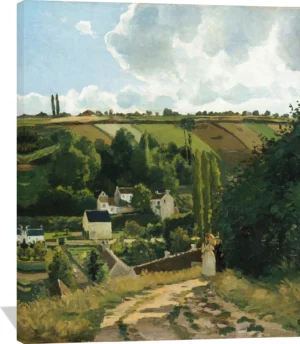
147,00 leiSelect options This product has multiple variants. The options may be chosen on the product pageJalais Hill, Pontoise
Camille PissarroCanvas from
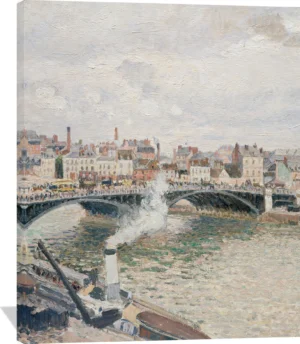
142,00 leiSelect options This product has multiple variants. The options may be chosen on the product pageMorning, An Overcast Day, Rouen
Camille PissarroCanvas from
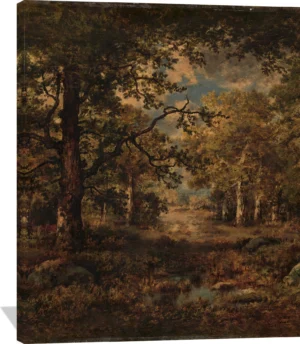
142,00 leiSelect options This product has multiple variants. The options may be chosen on the product pageA Vista through Trees: Fontainebleau
Narcisse-Virgile Diaz de la PeñaCanvas from
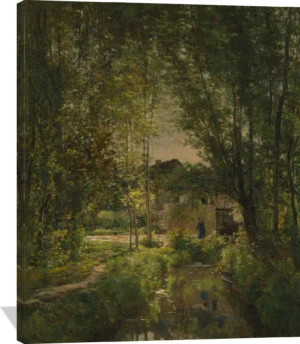
142,00 leiSelect options This product has multiple variants. The options may be chosen on the product pageLandscape with a Sunlit Stream
Charles-François DaubignyCanvas from
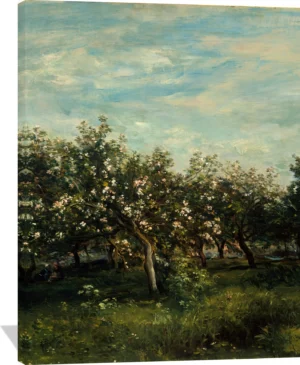
142,00 leiSelect options This product has multiple variants. The options may be chosen on the product pageApple Blossoms
Charles-François DaubignyCanvas from
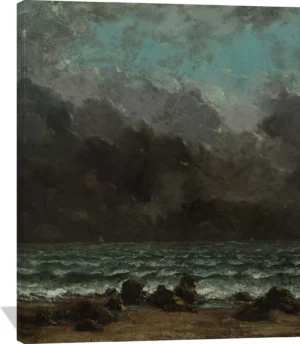
147,00 leiSelect options This product has multiple variants. The options may be chosen on the product pageThe Sea
Gustave CourbetCanvas from
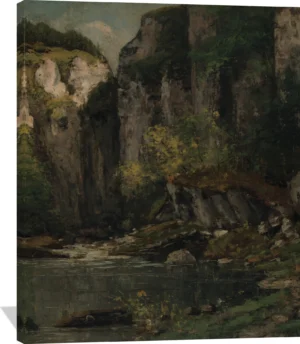
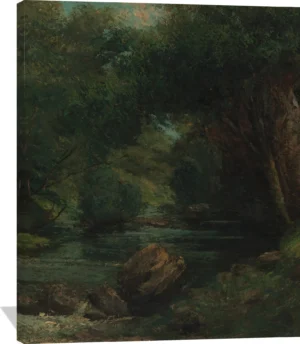
142,00 leiSelect options This product has multiple variants. The options may be chosen on the product pageRiver and Rocks
Gustave CourbetCanvas from
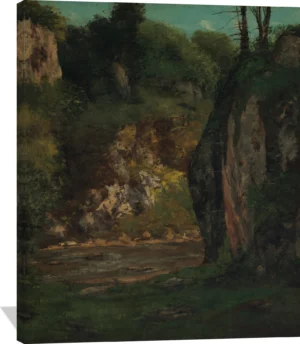
142,00 leiSelect options This product has multiple variants. The options may be chosen on the product pageThe Hidden Brook
Gustave CourbetCanvas from
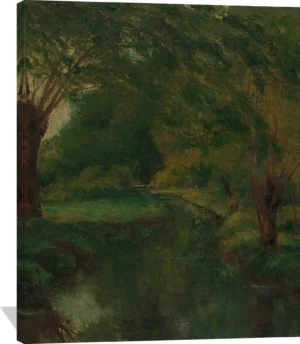
142,00 leiSelect options This product has multiple variants. The options may be chosen on the product pageA Brook in the Forest
Gustave CourbetCanvas from
142,00 leiSelect options This product has multiple variants. The options may be chosen on the product pageA Brook in a Clearing (possibly “Brook, Valley of Fontcouverte; Study”)
Gustave CourbetCanvas from
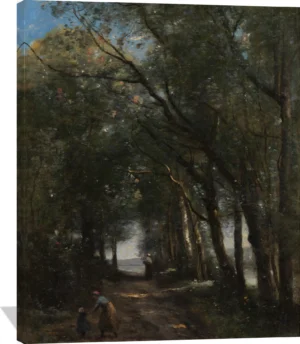
142,00 leiSelect options This product has multiple variants. The options may be chosen on the product pageA Lane through the Trees
Camille CorotCanvas from
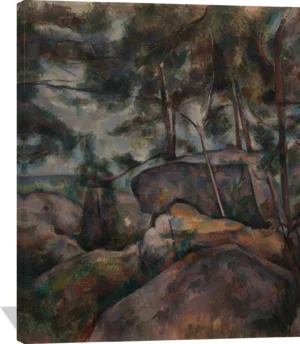
142,00 leiSelect options This product has multiple variants. The options may be chosen on the product pageRocks at Fontainebleau
Paul CézanneCanvas from
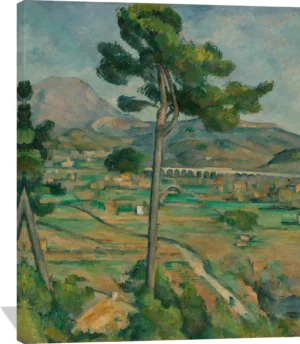
142,00 leiSelect options This product has multiple variants. The options may be chosen on the product pageMont Sainte-Victoire and the Viaduct of the Arc River Valley
Paul CézanneCanvas from
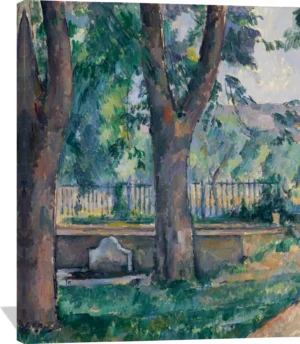
142,00 leiSelect options This product has multiple variants. The options may be chosen on the product pageThe Pool at Jas de Bouffan
Paul CézanneCanvas from
142,00 leiSelect options This product has multiple variants. The options may be chosen on the product page
Explore Rural Scenes
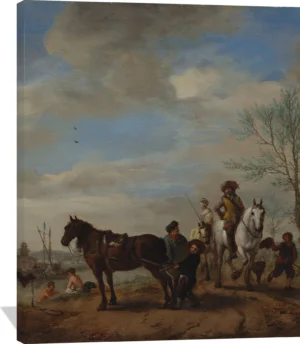
A Man and a Woman on Horseback
Philips WouwermanCanvas from
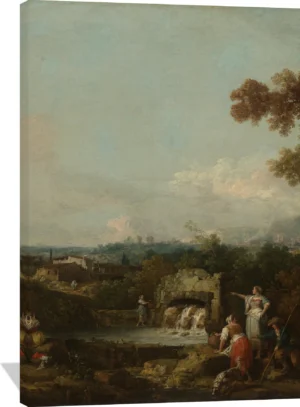
142,00 leiSelect options This product has multiple variants. The options may be chosen on the product pageLandscape with Peasants at a Fountain
Francesco ZuccarelliCanvas from
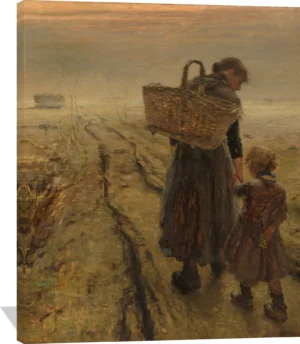
222,00 leiSelect options This product has multiple variants. The options may be chosen on the product pageGoing Home
Fritz von UhdeCanvas from
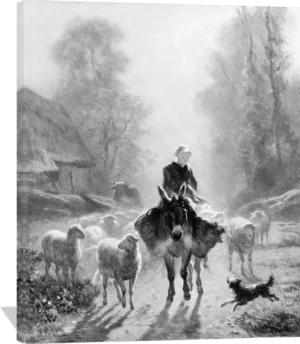
142,00 leiSelect options This product has multiple variants. The options may be chosen on the product pageGoing to Market
Constant TroyonCanvas from
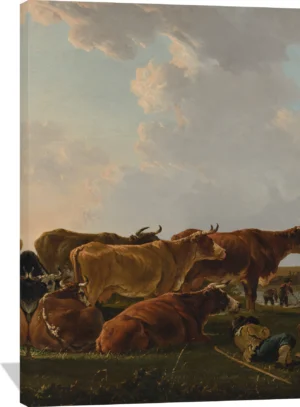
142,00 leiSelect options This product has multiple variants. The options may be chosen on the product pageLandscape with Cattle
Jacob van StrijCanvas from
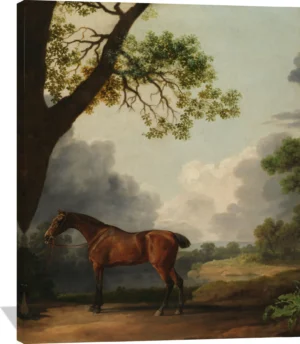
142,00 leiSelect options This product has multiple variants. The options may be chosen on the product pageThe Third Duke of Dorset’s Hunter with a Groom and a Dog
George StubbsCanvas from
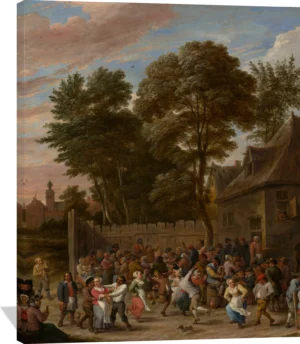
142,00 leiSelect options This product has multiple variants. The options may be chosen on the product pagePeasants Dancing and Feasting
David Teniers the YoungerCanvas from
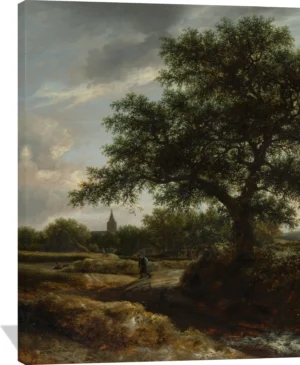
142,00 leiSelect options This product has multiple variants. The options may be chosen on the product pageLandscape with a Village in the Distance
Jacob van RuisdaelCanvas from
147,00 leiSelect options This product has multiple variants. The options may be chosen on the product pageThe Banks of the Bièvre near Bicêtre
Henri Rousseau (le Douanier)Canvas from
142,00 leiSelect options This product has multiple variants. The options may be chosen on the product pagePreparing for Christmas (Plucking Turkeys)
Francis William EdmondsCanvas from
142,00 leiSelect options This product has multiple variants. The options may be chosen on the product pageOn the Old Sod
William MagrathCanvas from
142,00 leiSelect options This product has multiple variants. The options may be chosen on the product pageCamp Fire
Winslow HomerCanvas from
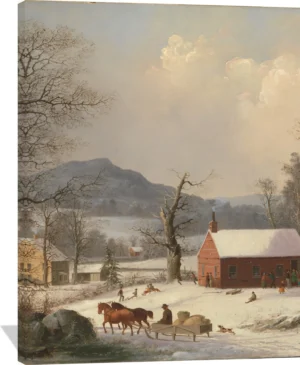
222,00 leiSelect options This product has multiple variants. The options may be chosen on the product pageRed School House (Country Scene)
George Henry DurrieCanvas from
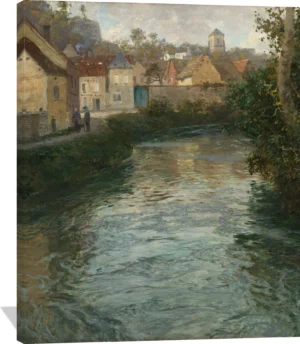
147,00 leiSelect options This product has multiple variants. The options may be chosen on the product pagePicquigny
Frits ThaulowCanvas from
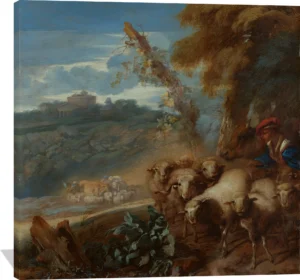
142,00 leiSelect options This product has multiple variants. The options may be chosen on the product pageRoman Landscape with a Shepherd and Sheep
Giovanni Benedetto Castiglione (Il Grechetto)Canvas from
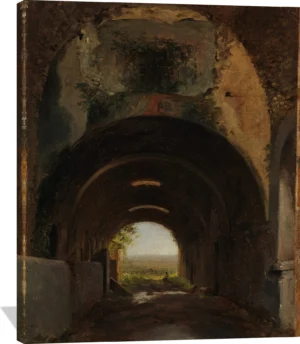
195,00 leiSelect options This product has multiple variants. The options may be chosen on the product pageView in the Stables of the Villa of Maecenas, Tivoli
François Marius GranetCanvas from
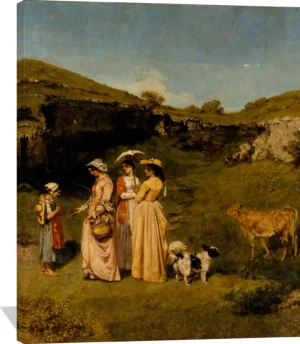
142,00 leiSelect options This product has multiple variants. The options may be chosen on the product pageYoung Ladies of the Village
Gustave CourbetCanvas from
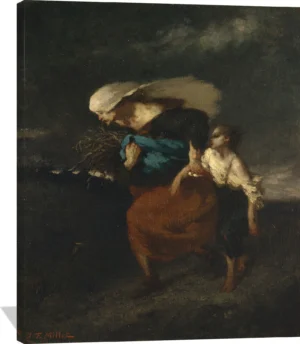
142,00 leiSelect options This product has multiple variants. The options may be chosen on the product pageRetreat from the Storm
Jean-François MilletCanvas from
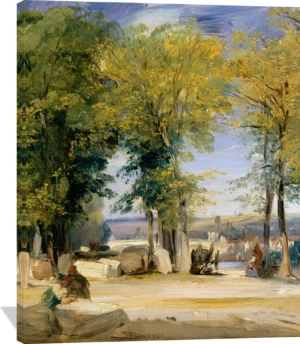
142,00 leiSelect options This product has multiple variants. The options may be chosen on the product pageView near Rouen
Richard Parkes BoningtonCanvas from
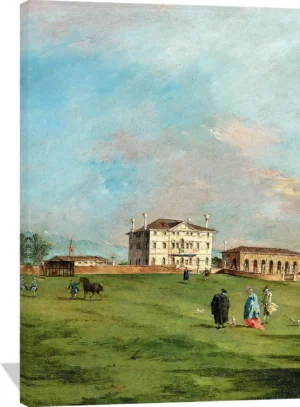
142,00 leiSelect options This product has multiple variants. The options may be chosen on the product pageThe Villa Loredan, Paese
Francesco GuardiCanvas from
222,00 leiSelect options This product has multiple variants. The options may be chosen on the product pageRoad in the Woods
Constant TroyonCanvas from
142,00 leiSelect options This product has multiple variants. The options may be chosen on the product page