Artistic Style and Technique
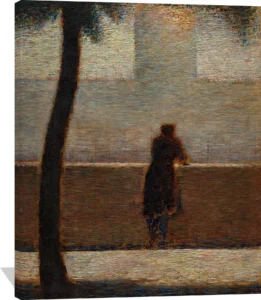
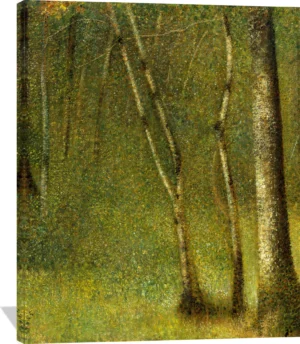
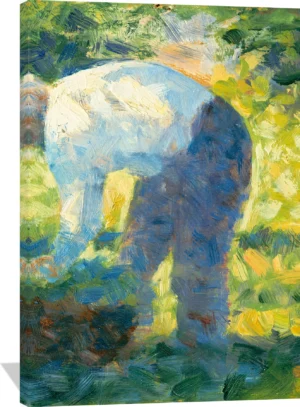
Seurat’s work is defined by a disciplined yet poetic balance of structure and light. His exploration of optical color theory set him apart from his contemporaries, giving rise to a new visual language that later influenced major movements across Europe. Through the application of tiny, discrete strokes, he achieved a vibrant surface quality that feels both calculated and atmospheric.
Subjects and Themes
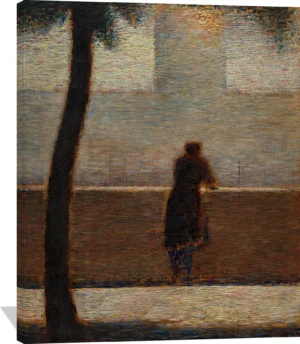
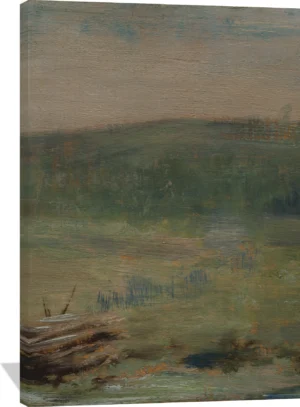
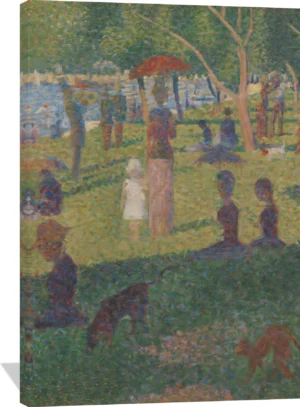
He often focused on scenes of urban leisure, quiet landscapes, and everyday modern life. Works such as A Sunday on La Grande Jatte exemplify his interest in capturing the rhythm of public spaces, while other compositions reveal a fascination with stillness, geometry, and human presence within changing city environments. His figures, though simplified, carry a quiet dignity that underscores the contemplative mood of his paintings.
Legacy and Significance
Despite his brief career, Seurat’s impact was profound. His art bridged Impressionism and the emerging modernist sensibilities that would define the early twentieth century. His innovations in color, structure, and visual perception continue to resonate, establishing him as a foundational figure in Neo-Impressionism and one of the most influential artists of his generation.