Sir Henry Capel (1638–1696)
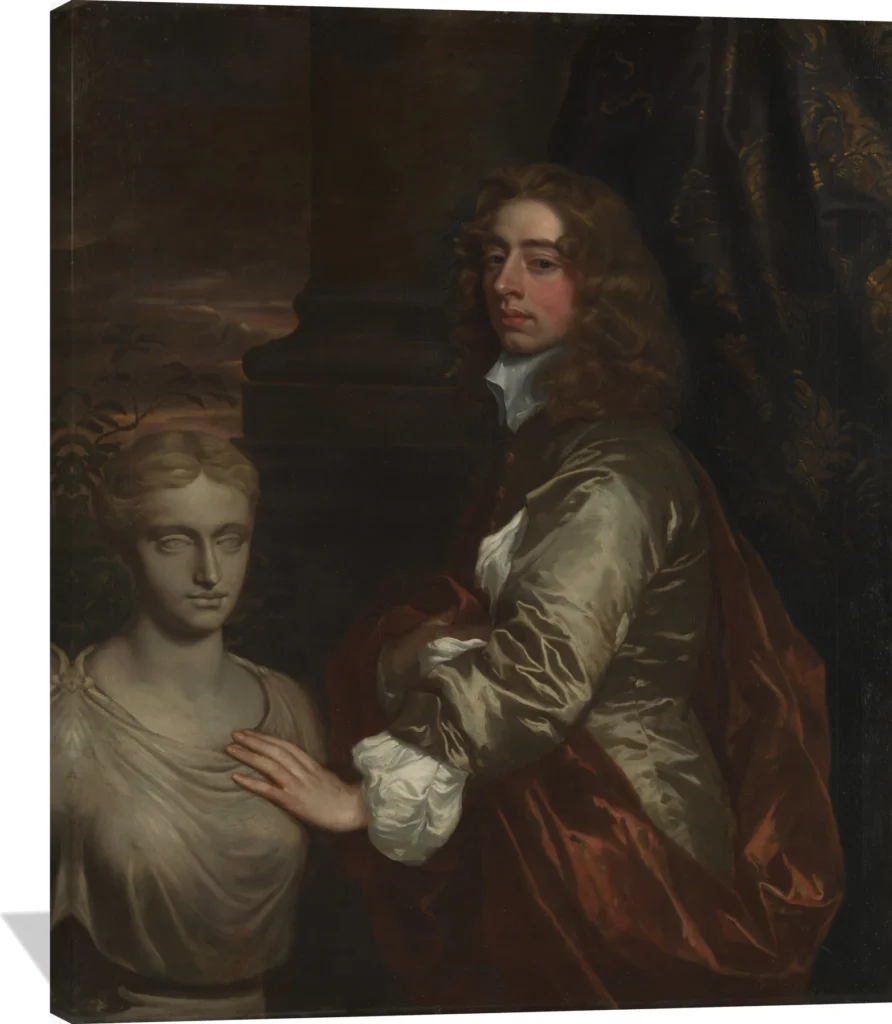
The Sir Peter Lely Sir Henry Capel canvas captures the refined elegance of 17th-century portraiture with masterful use of light and texture. Rich tones of deep bronze, soft ivory, and muted crimson create a sophisticated palette that enhances the sitter’s composed presence beside a classical bust. The subtle interplay of shadow and sheen evokes timeless grace and quiet authority.
This exquisite Sir Henry Capel canvas print brings a touch of aristocratic charm to any interior. Perfect for a study, library, or formal living room, it adds depth and historical character while celebrating the artistry of Sir Peter Lely, one of Britain’s most distinguished portrait painters.
Sir Peter Lely, born Pieter van der Faes in Soest in 1618 and active in London until his death in 1680, was a defining figure of seventeenth-century British portraiture. His rise to prominence during the English Civil War and his long tenure as principal court painter positioned him as a central voice in shaping the visual identity of the Restoration era.
Artistic Style and Technique
Lely’s work is distinguished by its graceful elegance, refined naturalism, and the soft, luminous handling of skin tones. His portraits often feature poised, composed sitters set against subtly atmospheric backgrounds, creating a sense of quiet sophistication. The fluidity of his brushwork and his gift for capturing delicate textures made his paintings highly sought after among the English elite.
Notable Contributions
As the successor to Anthony van Dyck’s portrait legacy, Lely advanced the genre through a distinctly Restoration sensibility. His celebrated series, the Windsor Beauties, exemplifies his ability to blend realism with idealization, portraying aristocratic women with both individuality and courtly glamour. His role as court painter to Charles II cemented his reputation, and his studio became one of the most productive artistic workshops of the period, influencing an entire generation of British portraitists.
Subjects and Significance
Lely’s portraits of nobles, courtiers, and intellectuals provide a vivid window into the cultural and political world of seventeenth-century England. His work is admired today for its combination of psychological depth and visual opulence. As a key figure in the evolution of English art, he helped define the aesthetic language of Restoration portraiture and left a legacy that resonates strongly in the history of European painting.
Trust & policies
- 🚚 Free worldwide shipping
- 🔁 30-day returns (change of mind)
- 🛡️ If damaged/defective/misprinted: free replacement or full refund
- 🌍 Printed in US/CA/EU/UK/AU (based on delivery location)
- 💎 Made to order using acid-free, fade-resistant canvas
- 💎 Solid wood stretcher bars • Pine floating frames
- 🪝 Ready to hang

Meditation
John George BrownCanvas from
32,00 $Select options This product has multiple variants. The options may be chosen on the product pageAfter a Long Cruise
John CarlinCanvas from
50,00 $Select options This product has multiple variants. The options may be chosen on the product pageJohn F. Kensett
George Augustus Baker Jr.Canvas from
32,00 $Select options This product has multiple variants. The options may be chosen on the product pageThe Way They Live
Thomas AnshutzCanvas from
33,00 $Select options This product has multiple variants. The options may be chosen on the product pageMountain Scene
Albert BierstadtCanvas from
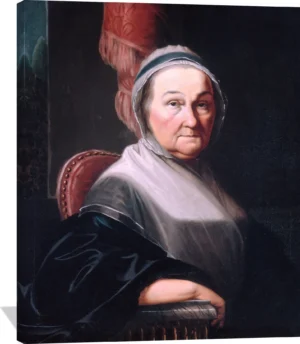
33,00 $Select options This product has multiple variants. The options may be chosen on the product pageMrs. David Chesebrough
Joseph BlackburnCanvas from
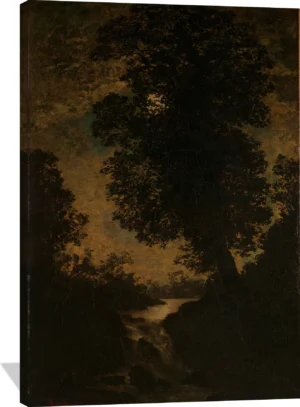
32,00 $Select options This product has multiple variants. The options may be chosen on the product pageA Waterfall, Moonlight
Ralph Albert BlakelockCanvas from
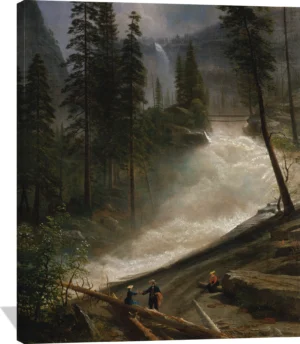
50,00 $Select options This product has multiple variants. The options may be chosen on the product pageNevada Falls, Yosemite
Albert BierstadtCanvas from
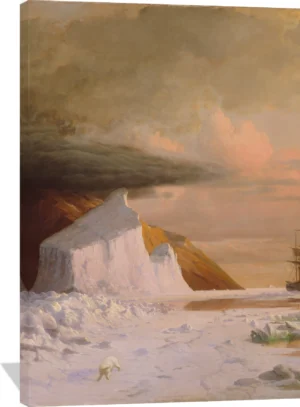
32,00 $Select options This product has multiple variants. The options may be chosen on the product pageAn Arctic Summer: Boring Through the Pack in Melville Bay
William BradfordCanvas from
50,00 $Select options This product has multiple variants. The options may be chosen on the product pageMrs. Benjamin Simons
Henry BenbridgeCanvas from
32,00 $Select options This product has multiple variants. The options may be chosen on the product pagePhilip Van Cortlandt
Ezra AmesCanvas from
32,00 $Select options This product has multiple variants. The options may be chosen on the product pageAdult Funeral Procession
William P. ChappelCanvas from
50,00 $Select options This product has multiple variants. The options may be chosen on the product pageCorn Husking
David Gilmour BlytheCanvas from
33,00 $Select options This product has multiple variants. The options may be chosen on the product pageSea Cove
Albert BierstadtCanvas from
33,00 $Select options This product has multiple variants. The options may be chosen on the product pageThe Pipe Dance
Ralph Albert BlakelockCanvas from
50,00 $Select options This product has multiple variants. The options may be chosen on the product pageThe Ring
John White AlexanderCanvas from
32,00 $Select options This product has multiple variants. The options may be chosen on the product pageView at Amalfi, Bay of Salerno
George Loring BrownCanvas from
50,00 $Select options This product has multiple variants. The options may be chosen on the product pageAn Indian Encampment
Ralph Albert BlakelockCanvas from
44,00 $Select options This product has multiple variants. The options may be chosen on the product pageThe Ameya
Robert Frederick BlumCanvas from
32,00 $Select options This product has multiple variants. The options may be chosen on the product pageLake of Orta
J. Carroll BeckwithCanvas from
32,00 $Select options This product has multiple variants. The options may be chosen on the product pageWalt Whitman
John White AlexanderCanvas from
32,00 $Select options This product has multiple variants. The options may be chosen on the product pageMerced River, Yosemite Valley
Albert BierstadtCanvas from
33,00 $Select options This product has multiple variants. The options may be chosen on the product page
Explore Portraits
Jeanne Hébuterne
Amedeo ModiglianiCanvas from
32,00 $Select options This product has multiple variants. The options may be chosen on the product pageGirl in a Sailor’s Blouse
Amedeo ModiglianiCanvas from
33,00 $Select options This product has multiple variants. The options may be chosen on the product pageSelf-Portrait
Umberto BoccioniCanvas from
32,00 $Select options This product has multiple variants. The options may be chosen on the product pageThe Fitting Room
Kenneth Hayes MillerCanvas from
32,00 $Select options This product has multiple variants. The options may be chosen on the product pageThe Jabach Family
Charles Le BrunCanvas from
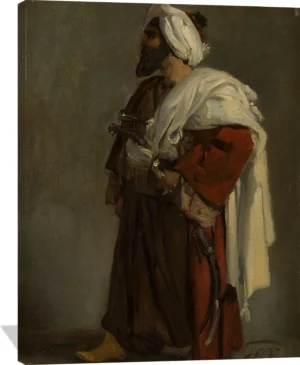
32,00 $Select options This product has multiple variants. The options may be chosen on the product pageArab Warrior
Horace VernetCanvas from
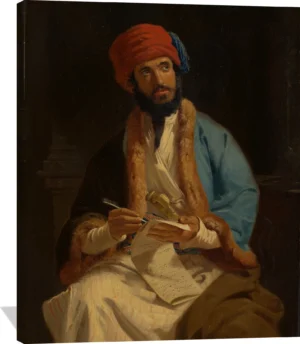
33,00 $Select options This product has multiple variants. The options may be chosen on the product pageThe Arab Sage
German PainterCanvas from
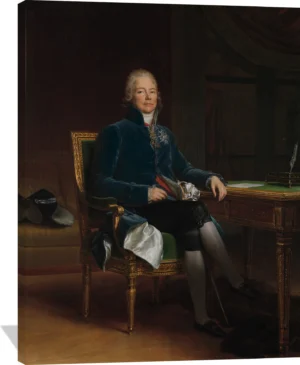
32,00 $Select options This product has multiple variants. The options may be chosen on the product pageCharles Maurice de Talleyrand Périgord (1754–1838), Prince de Bénévent
baron François GérardCanvas from
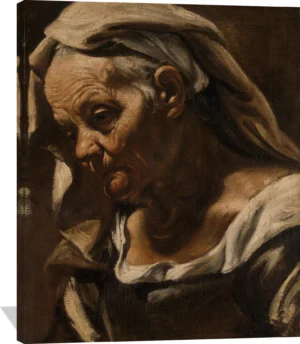
33,00 $Select options This product has multiple variants. The options may be chosen on the product pageHead of an Old Woman
Orazio BorgianniCanvas from
32,00 $Select options This product has multiple variants. The options may be chosen on the product pageSelf-Portrait
Anton Raphael MengsCanvas from
32,00 $Select options This product has multiple variants. The options may be chosen on the product pageSeated Arab Man with Horse
Alfred DedreuxCanvas from
32,00 $Select options This product has multiple variants. The options may be chosen on the product pageA Cardinal’s Procession
Ottavio Leoni (Il Padovano)Canvas from
44,00 $Select options This product has multiple variants. The options may be chosen on the product pageAn Egyptian in a Doorway
Sir Lawrence Alma-TademaCanvas from
33,00 $Select options This product has multiple variants. The options may be chosen on the product pageWestern Gentleman in Oriental Costume
British PainterCanvas from
32,00 $Select options This product has multiple variants. The options may be chosen on the product pageA Female Martyr Saint
Carlo Francesco NuvoloneCanvas from
32,00 $Select options This product has multiple variants. The options may be chosen on the product pageGirl in a Courtyard, Algiers (formerly Courtyard in Tangier)
Philippe PavyCanvas from
50,00 $Select options This product has multiple variants. The options may be chosen on the product pageLute Player
Valentin de BoulogneCanvas from
32,00 $Select options This product has multiple variants. The options may be chosen on the product pageThe Opium Smokers
Georges ClairinCanvas from
44,00 $Select options This product has multiple variants. The options may be chosen on the product pageHead of a Bishop
Gaetano GandolfiCanvas from
32,00 $Select options This product has multiple variants. The options may be chosen on the product pageThe Two Central Figures in “Derby Day”
William Powell FrithCanvas from
33,00 $Select options This product has multiple variants. The options may be chosen on the product pageThe Saithwaite Family
Francis WheatleyCanvas from
32,00 $Select options This product has multiple variants. The options may be chosen on the product page

Explore Baroque
Saint Francis in Ecstasy
Giovanni Benedetto Castiglione (Il Grechetto)Canvas from
33,00 $Select options This product has multiple variants. The options may be chosen on the product pageThe Sacrifice of Polyxena
Charles Le BrunCanvas from
32,00 $Select options This product has multiple variants. The options may be chosen on the product pageDead Christ Supported by Angels
Francesco TrevisaniCanvas from
32,00 $Select options This product has multiple variants. The options may be chosen on the product pageThe Agony in the Garden
Nicolas PoussinCanvas from
32,00 $Select options This product has multiple variants. The options may be chosen on the product pageStill Life with Silver and Gold Plate, Shells, and a Sword
Meiffren ConteCanvas from
32,00 $Select options This product has multiple variants. The options may be chosen on the product pageThe Tears of Saint Peter
Jusepe de Ribera (called Lo Spagnoletto)Canvas from
33,00 $Select options This product has multiple variants. The options may be chosen on the product pageThe Annunciation
Peter Candid (Pieter de Witte, Pietro Candido)Canvas from
32,00 $Select options This product has multiple variants. The options may be chosen on the product pageHagar and the Angel
Francesco MaffeiCanvas from
32,00 $Select options This product has multiple variants. The options may be chosen on the product pageSaint Dominic in Penitence
Filippo TarchianiCanvas from
32,00 $Select options This product has multiple variants. The options may be chosen on the product pageStudy of a Girl in Red
Benedetto LutiCanvas from
32,00 $Select options This product has multiple variants. The options may be chosen on the product pageSaint John the Baptist Preaching
Mattia Preti (Il Cavalier Calabrese)Canvas from
33,00 $Select options This product has multiple variants. The options may be chosen on the product pageA Peasant Family
Antoine Le NainCanvas from
32,00 $Select options This product has multiple variants. The options may be chosen on the product pageSaint Francis
Federico BarocciCanvas from
32,00 $Select options This product has multiple variants. The options may be chosen on the product pageStill Life with Shells and a Chip-Wood Box
Sebastian StoskopffCanvas from
32,00 $Select options This product has multiple variants. The options may be chosen on the product pageThe Denial of Saint Peter
Ludovico CarracciCanvas from
50,00 $Select options This product has multiple variants. The options may be chosen on the product pageThe Virgin Adored by Saints
Scarsellino (Ippolito Scarsella)Canvas from
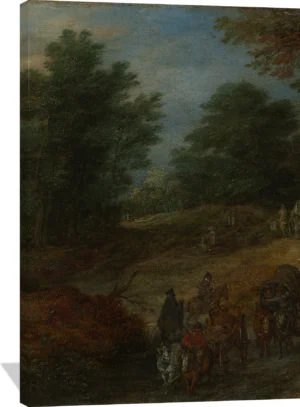
33,00 $Select options This product has multiple variants. The options may be chosen on the product pageLandscape with Travelers on a Woodland Path
Jan Brueghel the ElderCanvas from
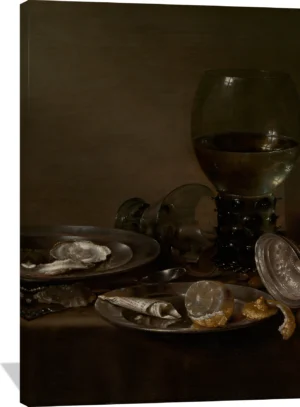
50,00 $Select options This product has multiple variants. The options may be chosen on the product pageStill Life with Oysters, a Silver Tazza, and Glassware
Willem Claesz HedaCanvas from
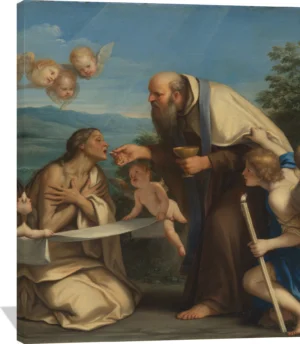
50,00 $Select options This product has multiple variants. The options may be chosen on the product pageThe Last Communion of Saint Mary of Egypt
Marcantonio FranceschiniCanvas from
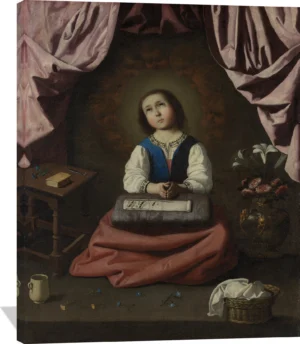
32,00 $Select options This product has multiple variants. The options may be chosen on the product pageThe Young Virgin
Francisco de ZurbaránCanvas from
32,00 $Select options This product has multiple variants. The options may be chosen on the product pageThe Golden Age
Joachim WtewaelCanvas from
32,00 $Select options This product has multiple variants. The options may be chosen on the product page