Artistic Style and Technique
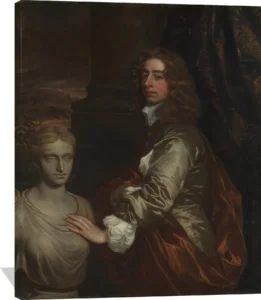
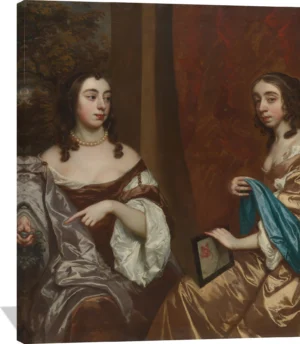
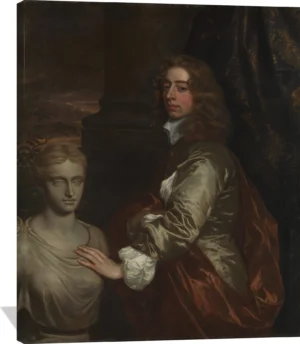
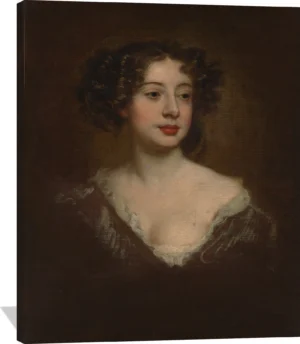
Lely’s work is distinguished by its graceful elegance, refined naturalism, and the soft, luminous handling of skin tones. His portraits often feature poised, composed sitters set against subtly atmospheric backgrounds, creating a sense of quiet sophistication. The fluidity of his brushwork and his gift for capturing delicate textures made his paintings highly sought after among the English elite.
Notable Contributions
As the successor to Anthony van Dyck’s portrait legacy, Lely advanced the genre through a distinctly Restoration sensibility. His celebrated series, the Windsor Beauties, exemplifies his ability to blend realism with idealization, portraying aristocratic women with both individuality and courtly glamour. His role as court painter to Charles II cemented his reputation, and his studio became one of the most productive artistic workshops of the period, influencing an entire generation of British portraitists.
Subjects and Significance
Lely’s portraits of nobles, courtiers, and intellectuals provide a vivid window into the cultural and political world of seventeenth-century England. His work is admired today for its combination of psychological depth and visual opulence. As a key figure in the evolution of English art, he helped define the aesthetic language of Restoration portraiture and left a legacy that resonates strongly in the history of European painting.