Landscape with Shepherd
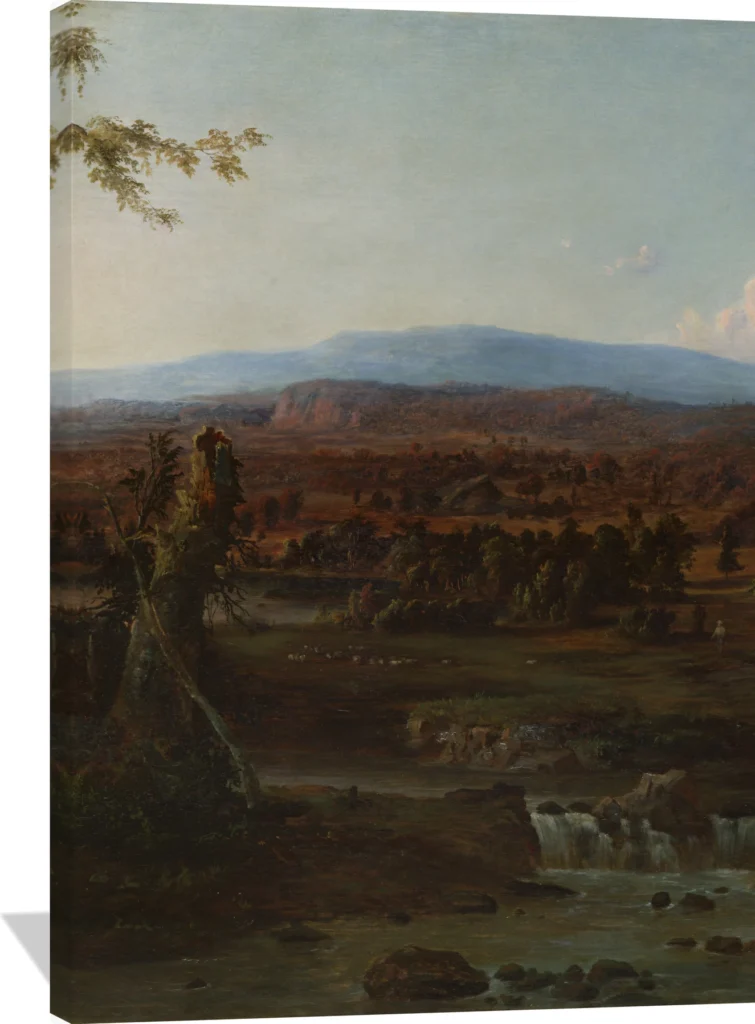
The Robert S. Duncanson Landscape with Shepherd canvas captures the serene harmony of nature bathed in warm, golden light. Rolling hills and a tranquil stream unfold beneath a vast sky, blending earthy greens, russet browns, and soft blues into a luminous, romantic vista. The shepherd and flock add a quiet human presence, inviting reflection and calm.
This timeless wall art evokes the grandeur of 19th-century American landscapes, making it a refined focal point for a living room, study, or entryway. A canvas print that brings depth, balance, and a sense of peaceful escape to any interior space.
Robert S. Duncanson (1821–1872) emerged as one of the most significant American landscape painters of the nineteenth century, celebrated for his poetic vistas and mastery of atmospheric light. Often associated with the Hudson River School, he brought a uniquely lyrical sensibility to the tradition, blending meticulous natural detail with a sense of sweeping Romanticism.
Artistic Style and Approach
Duncanson’s paintings are distinguished by their serene compositions, refined brushwork, and luminous handling of sky and water. His style balances naturalistic observation with idealized beauty, creating landscapes that feel both real and elevated. He often incorporated balanced spatial design and soft, glowing color palettes that guide the viewer through expansive, emotionally resonant scenes.
Subjects and Themes
Influenced by European and American Romanticism, Duncanson favored tranquil rivers, forests, and mountainous terrain, frequently rendering them with symbolic undertones. Works such as Landscape with Rainbow exemplify his ability to merge nature’s grandeur with gentle optimism. His subjects reflect a deep appreciation for the American wilderness, yet they also suggest broader themes of harmony, hope, and introspection.
Legacy and Significance
Widely regarded as one of the first African American artists to gain international acclaim, Duncanson holds a pivotal place in art history. His travels to Canada and Europe broadened his vision, and his exhibitions abroad introduced global audiences to the richness of American landscape painting. His work continues to stand out for its balance of technical refinement and emotional depth, marking him as a trailblazing voice in nineteenth‑century art and a key figure in shaping the visual identity of the era.
Trust & policies
- 🚚 Free worldwide shipping
- 🔁 30-day returns (change of mind)
- 🛡️ If damaged/defective/misprinted: free replacement or full refund
- 🌍 Printed in US/CA/EU/UK/AU (based on delivery location)
- 💎 Made to order using acid-free, fade-resistant canvas
- 💎 Solid wood stretcher bars • Pine floating frames
- 🪝 Ready to hang

Sea Cove
Albert BierstadtCanvas from
146,00 leiSelect options This product has multiple variants. The options may be chosen on the product pageShipwreck off Nantucket (Wreck off Nantucket after a Storm)
William BradfordCanvas from
222,00 leiSelect options This product has multiple variants. The options may be chosen on the product pageJohn F. Kensett
George Augustus Baker Jr.Canvas from
142,00 leiSelect options This product has multiple variants. The options may be chosen on the product pageLake of Orta
J. Carroll BeckwithCanvas from
142,00 leiSelect options This product has multiple variants. The options may be chosen on the product pageA Waterfall, Moonlight
Ralph Albert BlakelockCanvas from
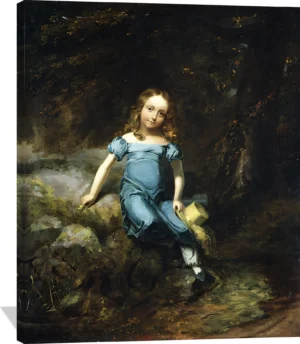
222,00 leiSelect options This product has multiple variants. The options may be chosen on the product pageEmma Homan
John BradleyCanvas from
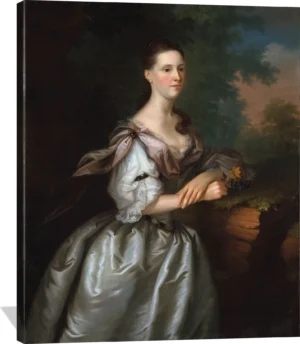
142,00 leiSelect options This product has multiple variants. The options may be chosen on the product pageJanet Halleck Drake
Henry InmanCanvas from
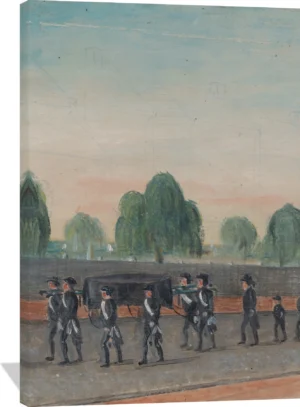
142,00 leiSelect options This product has multiple variants. The options may be chosen on the product pageAdult Funeral Procession
William P. ChappelCanvas from
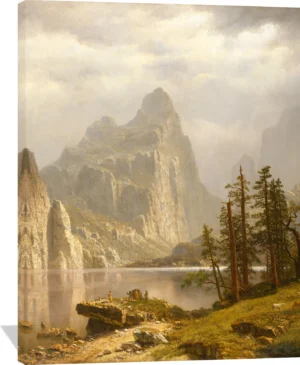
222,00 leiSelect options This product has multiple variants. The options may be chosen on the product pageMerced River, Yosemite Valley
Albert BierstadtCanvas from
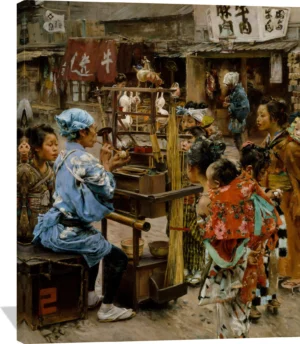
146,00 leiSelect options This product has multiple variants. The options may be chosen on the product pageThe Ameya
Robert Frederick BlumCanvas from
142,00 leiSelect options This product has multiple variants. The options may be chosen on the product pageMrs. Benjamin Simons
Henry BenbridgeCanvas from
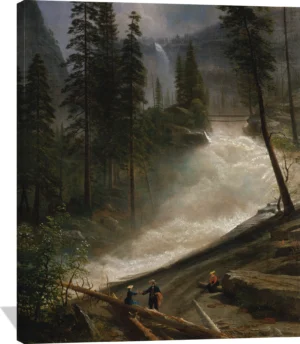
142,00 leiSelect options This product has multiple variants. The options may be chosen on the product pageNevada Falls, Yosemite
Albert BierstadtCanvas from
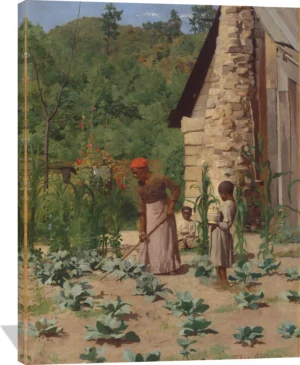
142,00 leiSelect options This product has multiple variants. The options may be chosen on the product pageThe Way They Live
Thomas AnshutzCanvas from
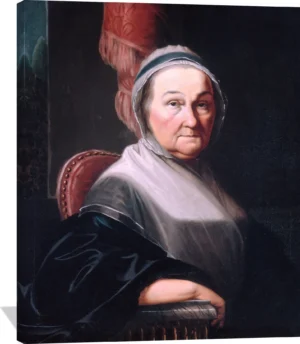
146,00 leiSelect options This product has multiple variants. The options may be chosen on the product pageMrs. Samuel Cutts
Joseph BlackburnCanvas from
142,00 leiSelect options This product has multiple variants. The options may be chosen on the product pageLandscape
Ralph Albert BlakelockCanvas from
146,00 leiSelect options This product has multiple variants. The options may be chosen on the product pageMountain Scene
Albert BierstadtCanvas from
146,00 leiSelect options This product has multiple variants. The options may be chosen on the product pageFur Traders Descending the Missouri
George Caleb BinghamCanvas from
142,00 leiSelect options This product has multiple variants. The options may be chosen on the product pageView from the Artist’s Window, Grove Street
Robert Frederick BlumCanvas from
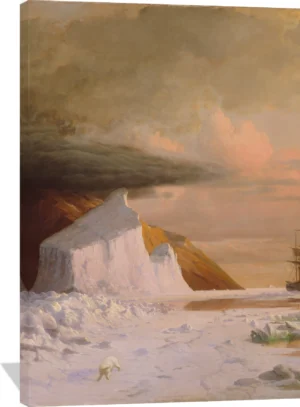
142,00 leiSelect options This product has multiple variants. The options may be chosen on the product pageAn Arctic Summer: Boring Through the Pack in Melville Bay
William BradfordCanvas from
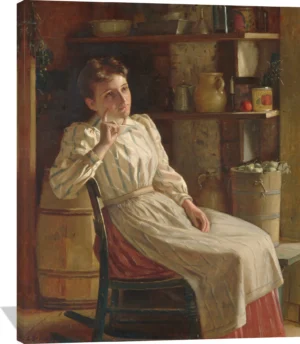
222,00 leiSelect options This product has multiple variants. The options may be chosen on the product pageMeditation
John George BrownCanvas from
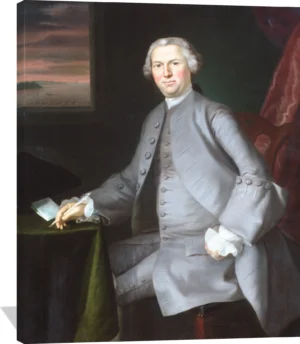
142,00 leiSelect options This product has multiple variants. The options may be chosen on the product pageSamuel Cutts
Joseph BlackburnCanvas from
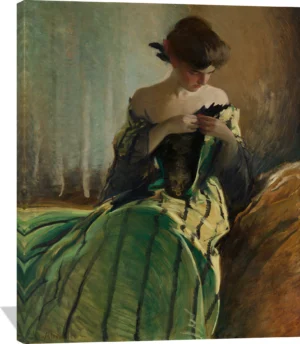
142,00 leiSelect options This product has multiple variants. The options may be chosen on the product pageStudy in Green and Black
John White AlexanderCanvas from
142,00 leiSelect options This product has multiple variants. The options may be chosen on the product page
Explore Landscapes
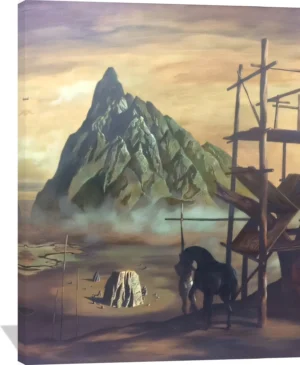
The Black Horse
John AthertonCanvas from
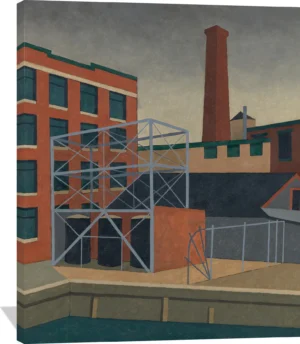
146,00 leiSelect options This product has multiple variants. The options may be chosen on the product pageWaterfront Mill
Niles SpencerCanvas from
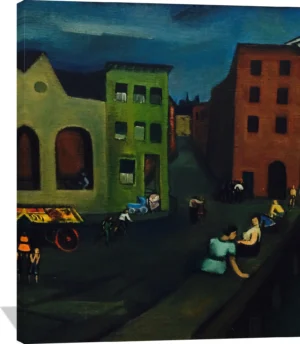
142,00 leiSelect options This product has multiple variants. The options may be chosen on the product pageDocks on Sunday
Joseph De MartiniCanvas from
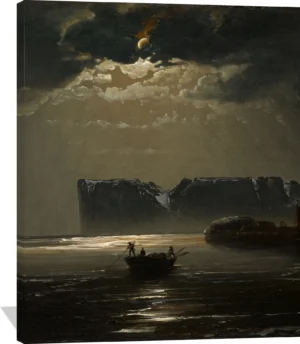
142,00 leiSelect options This product has multiple variants. The options may be chosen on the product pageThe North Cape by Moonlight
Peder BalkeCanvas from
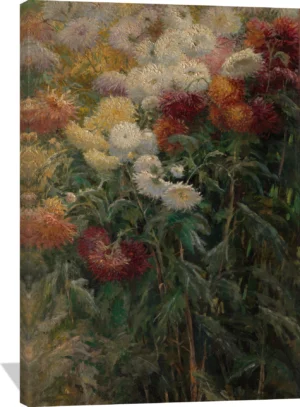
142,00 leiSelect options This product has multiple variants. The options may be chosen on the product pageChrysanthemums in the Garden at Petit-Gennevilliers
Gustave CaillebotteCanvas from
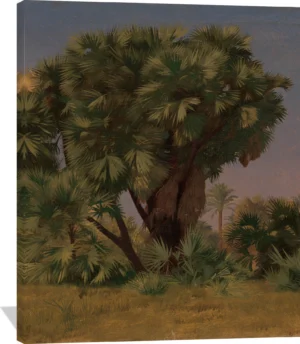
222,00 leiSelect options This product has multiple variants. The options may be chosen on the product pageStudy of Palm Trees
Jean-Léon GérômeCanvas from
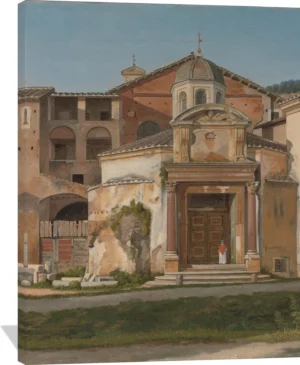
142,00 leiSelect options This product has multiple variants. The options may be chosen on the product pageA Section of the Via Sacra, Rome (The Church of Saints Cosmas and Damian)
Christoffer Wilhelm EckersbergCanvas from
146,00 leiSelect options This product has multiple variants. The options may be chosen on the product pageLandscape with Figures
Kenneth Hayes MillerCanvas from
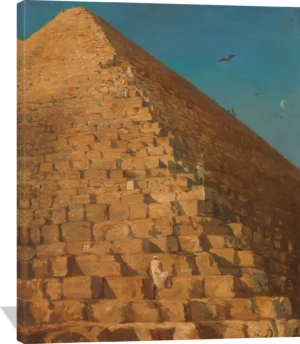
142,00 leiSelect options This product has multiple variants. The options may be chosen on the product pageThe Great Pyramid, Giza
Adrien DauzatsCanvas from
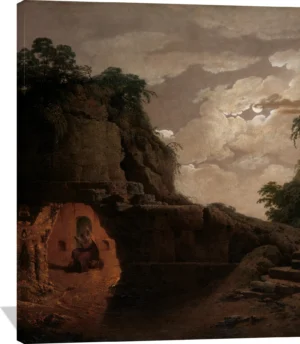
142,00 leiSelect options This product has multiple variants. The options may be chosen on the product pageVirgil’s Tomb by Moonlight, with Silius Italicus Declaiming
Joseph Wright (Wright of Derby)Canvas from
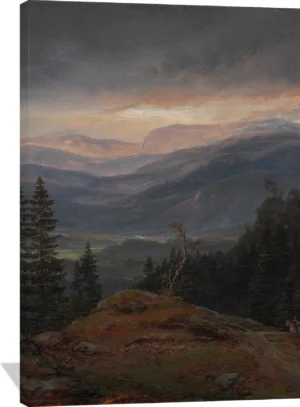
142,00 leiSelect options This product has multiple variants. The options may be chosen on the product pageView over Hallingdal
Johan Christian DahlCanvas from
222,00 leiSelect options This product has multiple variants. The options may be chosen on the product pageWedding Procession
Victor EeckhoutCanvas from
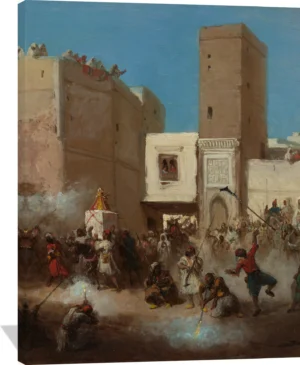
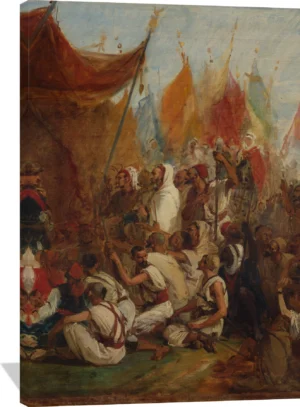
146,00 leiSelect options This product has multiple variants. The options may be chosen on the product pageSketch for “Reception of Emperor Napoleon III and Empress Eugénie by the Kabyle Leaders at Algiers on September 18, 1860”
Isidore PilsCanvas from
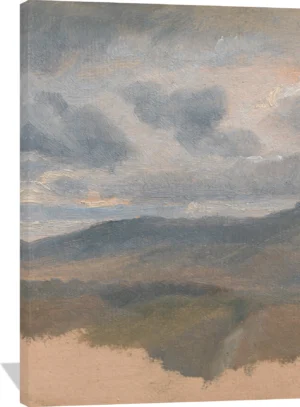
222,00 leiSelect options This product has multiple variants. The options may be chosen on the product pageLandscape Study with Clouds
Emile LoubonCanvas from
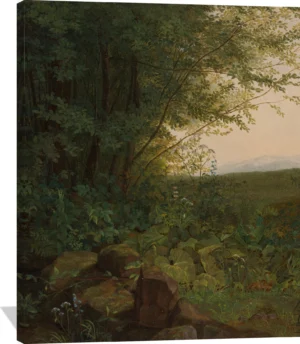
222,00 leiSelect options This product has multiple variants. The options may be chosen on the product pageAt the Edge of the Forest
August HeinrichCanvas from
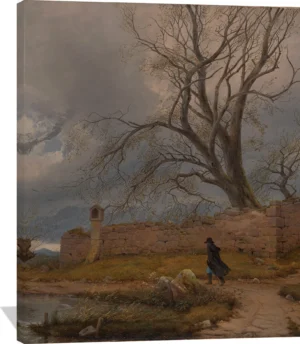
142,00 leiSelect options This product has multiple variants. The options may be chosen on the product pageWanderer in the Storm
Julius von LeypoldCanvas from
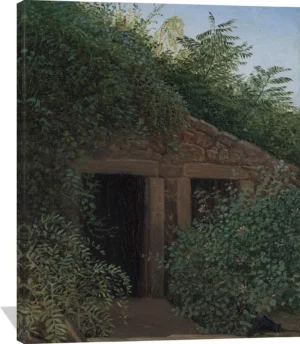
142,00 leiSelect options This product has multiple variants. The options may be chosen on the product pageAn Overgrown Mineshaft
Carl Gustav CarusCanvas from
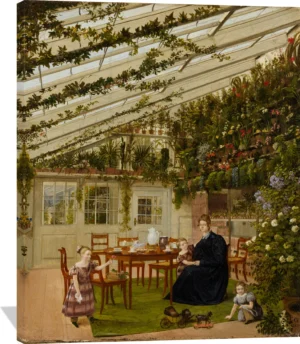
142,00 leiSelect options This product has multiple variants. The options may be chosen on the product pageThe Family of Mr. Westphal in the Conservatory
Eduard GaertnerCanvas from
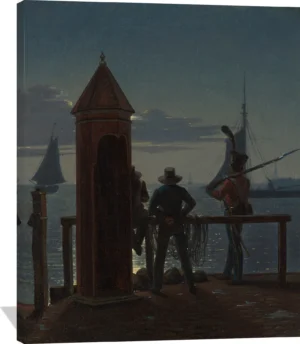
142,00 leiSelect options This product has multiple variants. The options may be chosen on the product pageView from the Citadel Ramparts in Copenhagen by Moonlight
Martinus RørbyeCanvas from
142,00 leiSelect options This product has multiple variants. The options may be chosen on the product pageThe Cemetery at Pronoia near Nauplia
Carl RottmannCanvas from
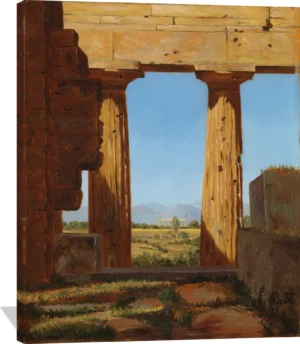
142,00 leiSelect options This product has multiple variants. The options may be chosen on the product pageColumns of the Temple of Neptune at Paestum
Constantin HansenCanvas from
142,00 leiSelect options This product has multiple variants. The options may be chosen on the product page
Explore Ethereal
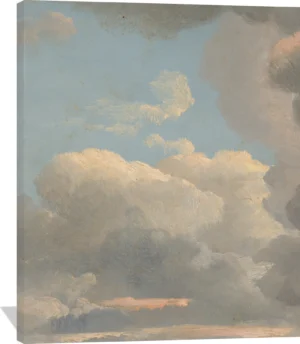
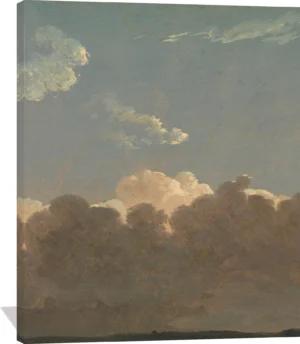
Cloud Study (Early Evening)
Simon DenisCanvas from
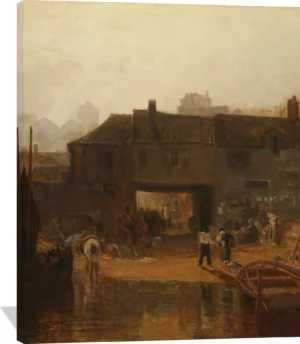
142,00 leiSelect options This product has multiple variants. The options may be chosen on the product pageSaltash with the Water Ferry, Cornwall
Joseph Mallord William TurnerCanvas from
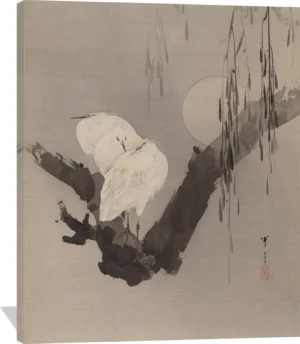
142,00 leiSelect options This product has multiple variants. The options may be chosen on the product pageEgrets in a Tree at Night
Watanabe SeiteiCanvas from
142,00 leiSelect options This product has multiple variants. The options may be chosen on the product pageSage Floating on Lotus Leaf
Unidentified artistCanvas from
142,00 leiSelect options This product has multiple variants. The options may be chosen on the product pageUnderneath Niagara Falls
Ferdinand RichardtCanvas from
142,00 leiSelect options This product has multiple variants. The options may be chosen on the product pageSpring Landscape
Thomas DoughtyCanvas from
146,00 leiSelect options This product has multiple variants. The options may be chosen on the product pageThe Aegean Sea
Frederic Edwin ChurchCanvas from
222,00 leiSelect options This product has multiple variants. The options may be chosen on the product pageCloud Study (Distant Storm)
Simon DenisCanvas from
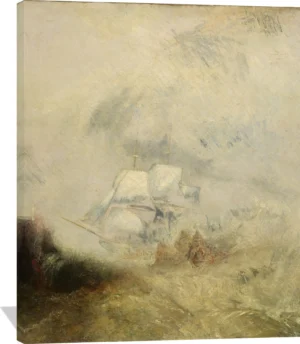
142,00 leiSelect options This product has multiple variants. The options may be chosen on the product pageWhalers
Joseph Mallord William TurnerCanvas from
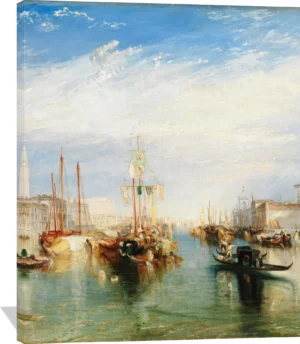
142,00 leiSelect options This product has multiple variants. The options may be chosen on the product pageVenice, from the Porch of Madonna della Salute
Joseph Mallord William TurnerCanvas from
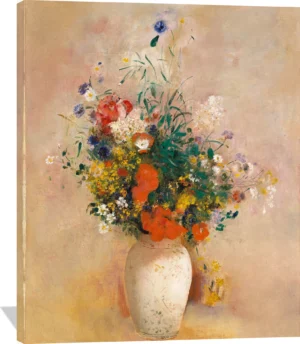
142,00 leiSelect options This product has multiple variants. The options may be chosen on the product pageVase of Flowers (Pink Background)
Odilon RedonCanvas from
142,00 leiSelect options This product has multiple variants. The options may be chosen on the product pageTamaris
Pierre Puvis de ChavannesCanvas from
222,00 leiSelect options This product has multiple variants. The options may be chosen on the product pageSleep
Pierre Puvis de ChavannesCanvas from
222,00 leiSelect options This product has multiple variants. The options may be chosen on the product pageRed Sunset
Arkhyp Kuindzhi (Arkhip Ivanovich Kuindzhi)Canvas from
146,00 leiSelect options This product has multiple variants. The options may be chosen on the product pageYoung Woman Praying
Jean-Jacques HennerCanvas from
146,00 leiSelect options This product has multiple variants. The options may be chosen on the product pageA Bather (Echo)
Jean-Jacques HennerCanvas from
146,00 leiSelect options This product has multiple variants. The options may be chosen on the product pageThe Palace of Aurora
Henri Fantin-LatourCanvas from
142,00 leiSelect options This product has multiple variants. The options may be chosen on the product pageVille-d’Avray
Camille CorotCanvas from
222,00 leiSelect options This product has multiple variants. The options may be chosen on the product pageVisiting a Friend
Seki ShūkōCanvas from
142,00 leiSelect options This product has multiple variants. The options may be chosen on the product pageTraveling by Moonlight
Kawabata GyokushōCanvas from
142,00 leiSelect options This product has multiple variants. The options may be chosen on the product pageBlossoms by a River
Kawabata GyokushōCanvas from
142,00 leiSelect options This product has multiple variants. The options may be chosen on the product page

Explore Mammals
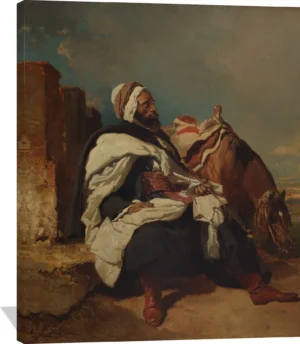
Seated Arab Man with Horse
Alfred DedreuxCanvas from
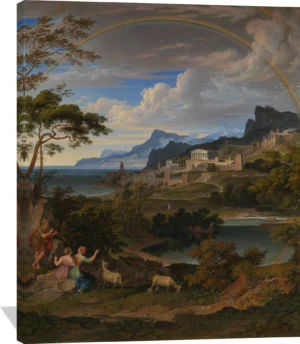
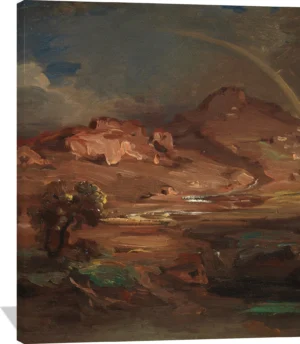
142,00 leiSelect options This product has multiple variants. The options may be chosen on the product pageHeroic Landscape with Rainbow
Joseph Anton KochCanvas from
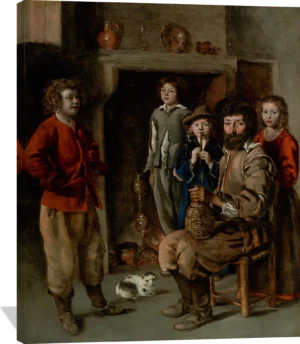
142,00 leiSelect options This product has multiple variants. The options may be chosen on the product pageA Peasant Family
Antoine Le NainCanvas from
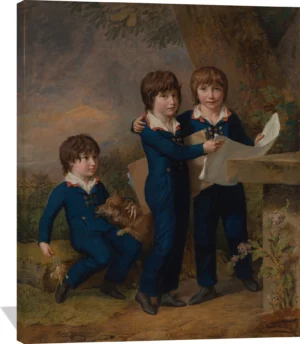
142,00 leiSelect options This product has multiple variants. The options may be chosen on the product pageThe Children of Martin Anton Heckscher: Johann Gustav Wilhelm Moritz (1797–1865), Carl Martin Adolph (1796–1850), and Leopold (born 1792)
Johann Heinrich Wilhelm TischbeinCanvas from
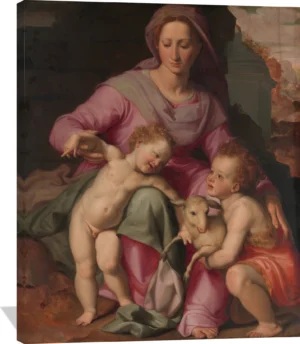
142,00 leiSelect options This product has multiple variants. The options may be chosen on the product pageMadonna and Child with the Infant Saint John the Baptist
Santi di TitoCanvas from
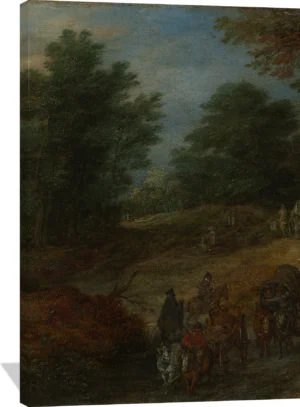
142,00 leiSelect options This product has multiple variants. The options may be chosen on the product pageLandscape with Travelers on a Woodland Path
Jan Brueghel the ElderCanvas from
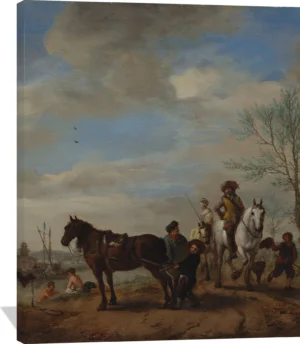
222,00 leiSelect options This product has multiple variants. The options may be chosen on the product pageA Man and a Woman on Horseback
Philips WouwermanCanvas from
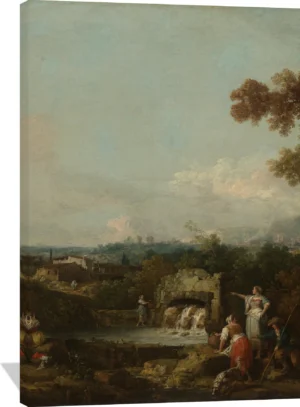
142,00 leiSelect options This product has multiple variants. The options may be chosen on the product pageLandscape with Peasants at a Fountain
Francesco ZuccarelliCanvas from
222,00 leiSelect options This product has multiple variants. The options may be chosen on the product pageMrs. Walter Rathbone Bacon (Virginia Purdy Barker, 1862–1919)
Anders ZornCanvas from
222,00 leiSelect options This product has multiple variants. The options may be chosen on the product pageThe Highland Family
Sir David WilkieCanvas from
222,00 leiSelect options This product has multiple variants. The options may be chosen on the product pageMars and Venus United by Love
Paolo Veronese (Paolo Caliari)Canvas from
142,00 leiSelect options This product has multiple variants. The options may be chosen on the product pageHalt of the Hunt
Carle (Charles André) VanlooCanvas from
142,00 leiSelect options This product has multiple variants. The options may be chosen on the product pageThe Start of the Race of the Riderless Horses
Horace VernetCanvas from
142,00 leiSelect options This product has multiple variants. The options may be chosen on the product pageAbraham’s Parting from the Family of Lot
Jan VictorsCanvas from
142,00 leiSelect options This product has multiple variants. The options may be chosen on the product pageGoing to Market
Constant TroyonCanvas from
142,00 leiSelect options This product has multiple variants. The options may be chosen on the product pageSaint Margaret of Cortona
Gaspare TraversiCanvas from
146,00 leiSelect options This product has multiple variants. The options may be chosen on the product pageThe Flight into Egypt
Cosmè Tura (Cosimo di Domenico di Bonaventura)Canvas from
195,00 leiSelect options This product has multiple variants. The options may be chosen on the product pageThe Billiard Room
Nicolas Antoine TaunayCanvas from
142,00 leiSelect options This product has multiple variants. The options may be chosen on the product pageLandscape with Cattle
Jacob van StrijCanvas from
142,00 leiSelect options This product has multiple variants. The options may be chosen on the product pageThe Third Duke of Dorset’s Hunter with a Groom and a Dog
George StubbsCanvas from
142,00 leiSelect options This product has multiple variants. The options may be chosen on the product pageTobias Curing His Father’s Blindness
Bernardo StrozziCanvas from
222,00 leiSelect options This product has multiple variants. The options may be chosen on the product page