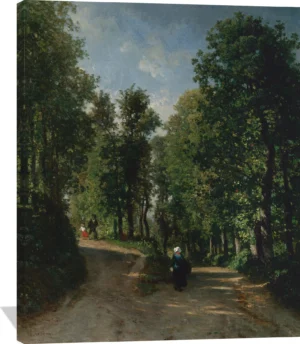
Apple Blossoms
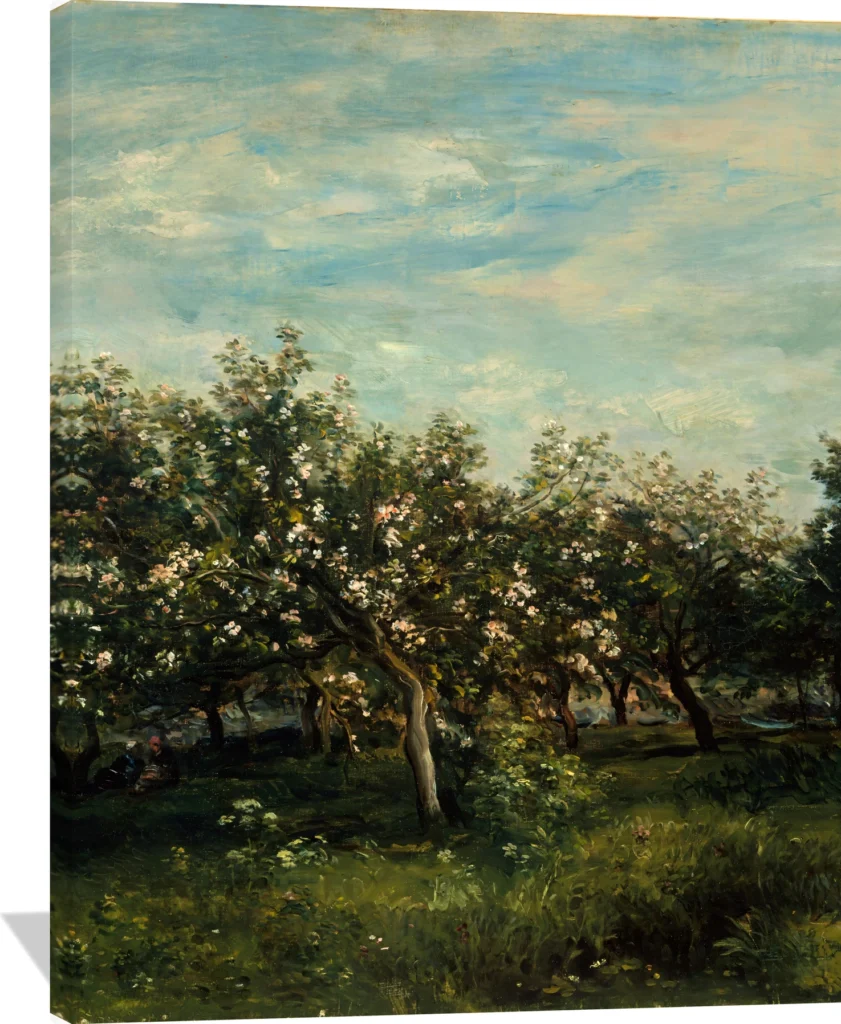
The Charles-François Daubigny Apple Blossoms canvas captures the quiet poetry of springtime in the French countryside. Soft greens, gentle blues, and delicate pinks blend in a luminous landscape of flowering trees beneath an open sky, evoking calm and renewal. Daubigny’s painterly brushwork and natural light invite a serene sense of space and air.
This elegant wall art brings a timeless pastoral charm to any setting—perfect for a living room, study, or entryway seeking warmth and refinement. A museum-quality canvas print that celebrates the harmony of nature through Daubigny’s masterful eye.
Charles-François Daubigny (1817–1878) was a leading figure of the French landscape tradition and an important forerunner of Impressionism. Born and based in Paris, he built a career that reshaped nineteenth‑century approaches to nature painting through his sensitivity to light, atmosphere, and everyday rural scenery.
Artistic Style and Vision
Daubigny is celebrated for his fluid brushwork, naturalistic observation, and harmonious tonal palettes. Associated with the Barbizon School, he embraced painting directly from nature, favoring spontaneity over academic finish. His innovative use of a studio boat, which allowed him to work along the Seine and Oise, enabled him to capture shifting reflections, riverbanks, and skies with unprecedented immediacy. This fresh, open-air approach had a profound influence on younger painters, including the emerging Impressionists.
Subjects and Distinctive Qualities
His canvases often depict tranquil waters, farmland, orchards, and quiet villages, rendered with an atmosphere that feels both poetic and grounded. Daubigny’s ability to convey subtle transitions of daylight and weather became one of his hallmark strengths. Works such as The River and Sunset on the Oise demonstrate his talent for infusing humble landscapes with emotional resonance. His compositions avoid dramatic spectacle in favor of serene, immersive scenes that invite slow contemplation.
Legacy and Cultural Significance
Daubigny occupies a pivotal place in nineteenth‑century art as a bridge between the Barbizon painters and the Impressionists. His early advocacy for working outdoors, along with his looser handling of paint, helped shift French landscape art toward greater immediacy and authenticity. Widely respected in his time and influential well beyond it, he is remembered as a key precursor to Impressionism whose devotion to the natural world shaped modern landscape painting.
Trust & policies
- 🚚 Free worldwide shipping
- 🔁 30-day returns (change of mind)
- 🛡️ If damaged/defective/misprinted: free replacement or full refund
- 🌍 Printed in US/CA/EU/UK/AU (based on delivery location)
- 💎 Made to order using acid-free, fade-resistant canvas
- 💎 Solid wood stretcher bars • Pine floating frames
- 🪝 Ready to hang

View at Amalfi, Bay of Salerno
George Loring BrownCanvas from
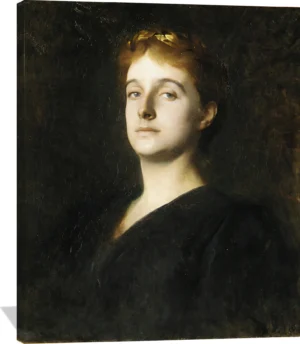
222,00 leiSelect options This product has multiple variants. The options may be chosen on the product pageStudy in Green and Black
John White AlexanderCanvas from
142,00 leiSelect options This product has multiple variants. The options may be chosen on the product pageThe Ring
John White AlexanderCanvas from
142,00 leiSelect options This product has multiple variants. The options may be chosen on the product pagePhilip Van Cortlandt
Ezra AmesCanvas from
142,00 leiSelect options This product has multiple variants. The options may be chosen on the product pageMerced River, Yosemite Valley
Albert BierstadtCanvas from
147,00 leiSelect options This product has multiple variants. The options may be chosen on the product pageNevada Falls, Yosemite
Albert BierstadtCanvas from
142,00 leiSelect options This product has multiple variants. The options may be chosen on the product pageA Waterfall, Moonlight
Ralph Albert BlakelockCanvas from
222,00 leiSelect options This product has multiple variants. The options may be chosen on the product pageLake of Orta
J. Carroll BeckwithCanvas from
142,00 leiSelect options This product has multiple variants. The options may be chosen on the product pageMrs. David Chesebrough
Joseph BlackburnCanvas from
142,00 leiSelect options This product has multiple variants. The options may be chosen on the product pageAn Indian Encampment
Ralph Albert BlakelockCanvas from
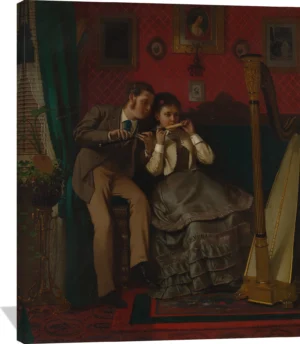
195,00 leiSelect options This product has multiple variants. The options may be chosen on the product pageThe Music Lesson
John George BrownCanvas from
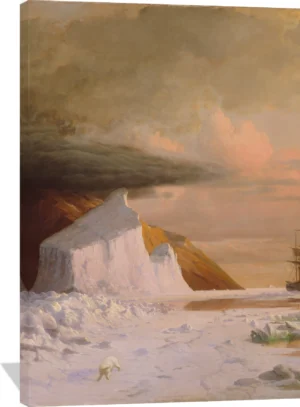
142,00 leiSelect options This product has multiple variants. The options may be chosen on the product pageAn Arctic Summer: Boring Through the Pack in Melville Bay
William BradfordCanvas from
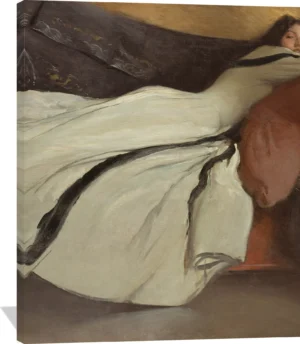
222,00 leiSelect options This product has multiple variants. The options may be chosen on the product pageRepose
John White AlexanderCanvas from
142,00 leiSelect options This product has multiple variants. The options may be chosen on the product pageJanet Halleck Drake
Henry InmanCanvas from
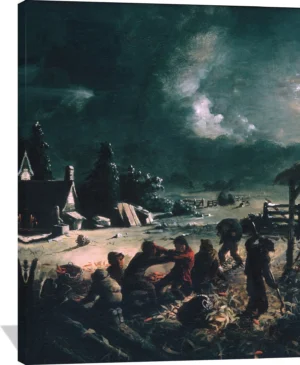
142,00 leiSelect options This product has multiple variants. The options may be chosen on the product pageCorn Husking
David Gilmour BlytheCanvas from
147,00 leiSelect options This product has multiple variants. The options may be chosen on the product pageEleanor Hardy Bunker
Dennis Miller BunkerCanvas from
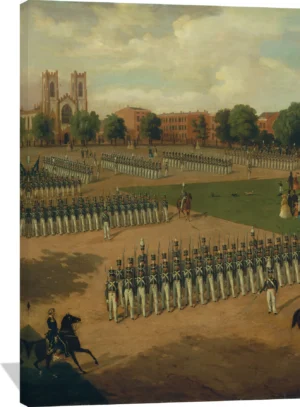
142,00 leiSelect options This product has multiple variants. The options may be chosen on the product pageSeventh Regiment on Review, Washington Square, New York
Otto BoetticherCanvas from
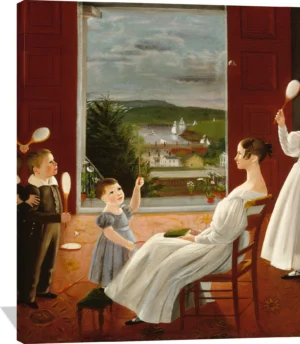
222,00 leiSelect options This product has multiple variants. The options may be chosen on the product pageThe Children of Nathan Starr
Ambrose AndrewsCanvas from
142,00 leiSelect options This product has multiple variants. The options may be chosen on the product pageShipwreck off Nantucket (Wreck off Nantucket after a Storm)
William BradfordCanvas from
222,00 leiSelect options This product has multiple variants. The options may be chosen on the product pageAfter a Long Cruise
John CarlinCanvas from
222,00 leiSelect options This product has multiple variants. The options may be chosen on the product pageThe Ameya
Robert Frederick BlumCanvas from
142,00 leiSelect options This product has multiple variants. The options may be chosen on the product pageEmma Homan
John BradleyCanvas from
142,00 leiSelect options This product has multiple variants. The options may be chosen on the product page
Explore Landscapes
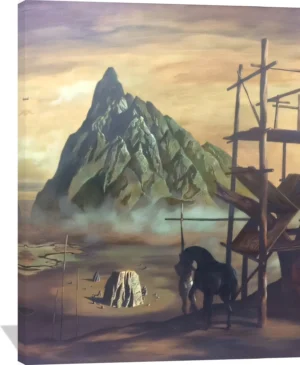
The Black Horse
John AthertonCanvas from
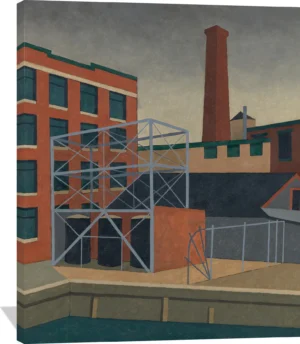
147,00 leiSelect options This product has multiple variants. The options may be chosen on the product pageWaterfront Mill
Niles SpencerCanvas from
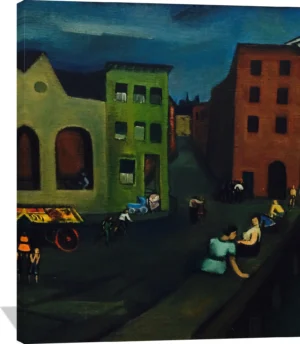
142,00 leiSelect options This product has multiple variants. The options may be chosen on the product pageDocks on Sunday
Joseph De MartiniCanvas from
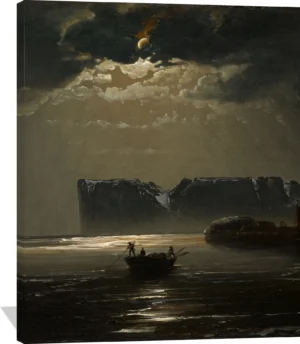
142,00 leiSelect options This product has multiple variants. The options may be chosen on the product pageThe North Cape by Moonlight
Peder BalkeCanvas from
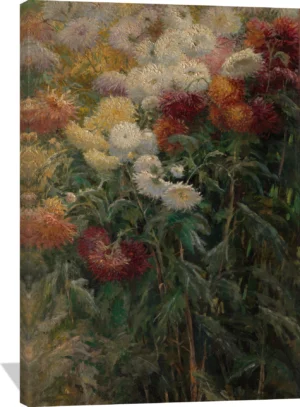
142,00 leiSelect options This product has multiple variants. The options may be chosen on the product pageChrysanthemums in the Garden at Petit-Gennevilliers
Gustave CaillebotteCanvas from
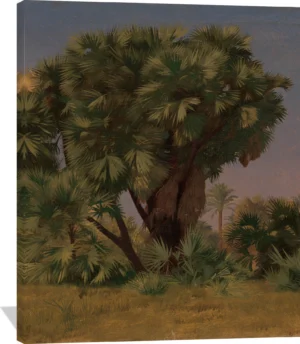
222,00 leiSelect options This product has multiple variants. The options may be chosen on the product pageStudy of Palm Trees
Jean-Léon GérômeCanvas from
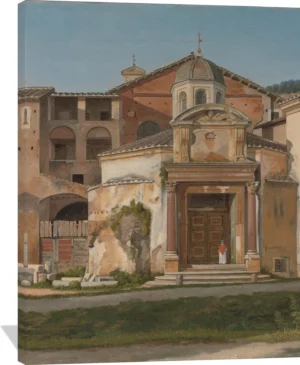
142,00 leiSelect options This product has multiple variants. The options may be chosen on the product pageA Section of the Via Sacra, Rome (The Church of Saints Cosmas and Damian)
Christoffer Wilhelm EckersbergCanvas from
147,00 leiSelect options This product has multiple variants. The options may be chosen on the product pageLandscape with Figures
Kenneth Hayes MillerCanvas from
142,00 leiSelect options This product has multiple variants. The options may be chosen on the product pageThe Great Pyramid, Giza
Adrien DauzatsCanvas from
142,00 leiSelect options This product has multiple variants. The options may be chosen on the product pageVirgil’s Tomb by Moonlight, with Silius Italicus Declaiming
Joseph Wright (Wright of Derby)Canvas from
142,00 leiSelect options This product has multiple variants. The options may be chosen on the product pageView over Hallingdal
Johan Christian DahlCanvas from
222,00 leiSelect options This product has multiple variants. The options may be chosen on the product pageWedding Procession
Victor EeckhoutCanvas from
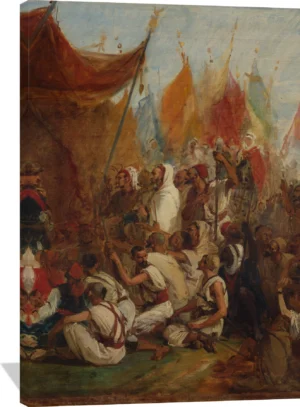
147,00 leiSelect options This product has multiple variants. The options may be chosen on the product pageSketch for “Reception of Emperor Napoleon III and Empress Eugénie by the Kabyle Leaders at Algiers on September 18, 1860”
Isidore PilsCanvas from
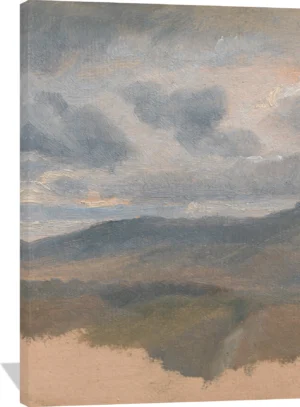
222,00 leiSelect options This product has multiple variants. The options may be chosen on the product pageLandscape Study with Clouds
Emile LoubonCanvas from
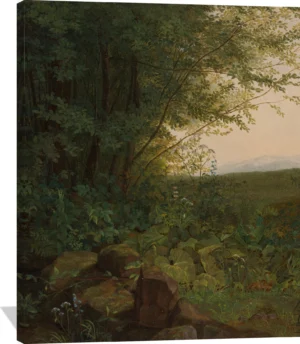
222,00 leiSelect options This product has multiple variants. The options may be chosen on the product pageAt the Edge of the Forest
August HeinrichCanvas from
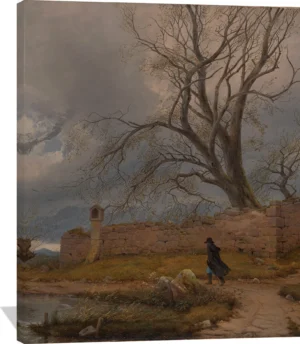
142,00 leiSelect options This product has multiple variants. The options may be chosen on the product pageWanderer in the Storm
Julius von LeypoldCanvas from
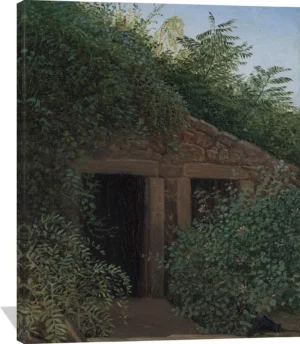
142,00 leiSelect options This product has multiple variants. The options may be chosen on the product pageAn Overgrown Mineshaft
Carl Gustav CarusCanvas from
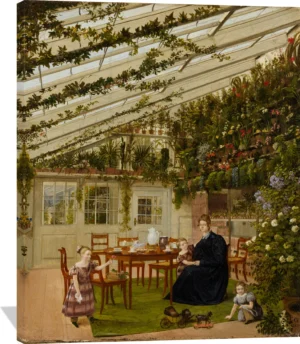
142,00 leiSelect options This product has multiple variants. The options may be chosen on the product pageThe Family of Mr. Westphal in the Conservatory
Eduard GaertnerCanvas from
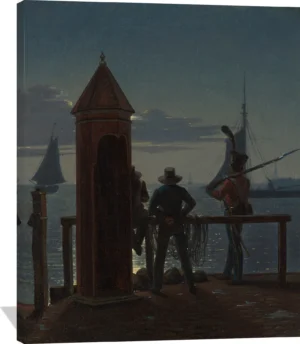
142,00 leiSelect options This product has multiple variants. The options may be chosen on the product pageView from the Citadel Ramparts in Copenhagen by Moonlight
Martinus RørbyeCanvas from
142,00 leiSelect options This product has multiple variants. The options may be chosen on the product pageThe Cemetery at Pronoia near Nauplia
Carl RottmannCanvas from
142,00 leiSelect options This product has multiple variants. The options may be chosen on the product pageColumns of the Temple of Neptune at Paestum
Constantin HansenCanvas from
142,00 leiSelect options This product has multiple variants. The options may be chosen on the product page
Explore Organic
Return of the Redwing
Allen B. TalcottCanvas from
147,00 leiSelect options This product has multiple variants. The options may be chosen on the product pageSummer Afternoon
Asher Brown DurandCanvas from
222,00 leiSelect options This product has multiple variants. The options may be chosen on the product pageStudy of Water and Plants
Thomas FearnleyCanvas from
142,00 leiSelect options This product has multiple variants. The options may be chosen on the product pageWaterfall at Terni
Camille CorotCanvas from
142,00 leiSelect options This product has multiple variants. The options may be chosen on the product pageThe Forest at Pontaubert
Georges SeuratCanvas from
142,00 leiSelect options This product has multiple variants. The options may be chosen on the product pageThe Road from Versailles to Louveciennes
Alfred SisleyCanvas from
142,00 leiSelect options This product has multiple variants. The options may be chosen on the product pagePoplars, Eragny
Camille PissarroCanvas from
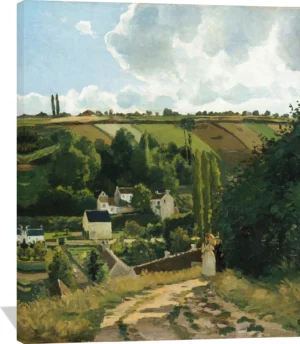
147,00 leiSelect options This product has multiple variants. The options may be chosen on the product pageJalais Hill, Pontoise
Camille PissarroCanvas from
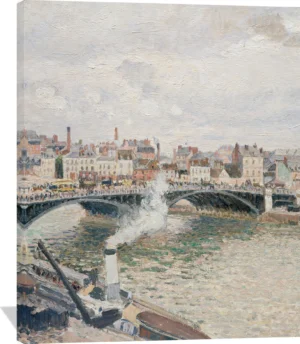
142,00 leiSelect options This product has multiple variants. The options may be chosen on the product pageMorning, An Overcast Day, Rouen
Camille PissarroCanvas from
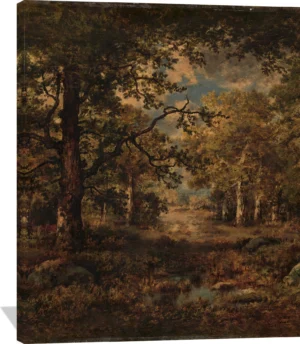
142,00 leiSelect options This product has multiple variants. The options may be chosen on the product pageA Vista through Trees: Fontainebleau
Narcisse-Virgile Diaz de la PeñaCanvas from
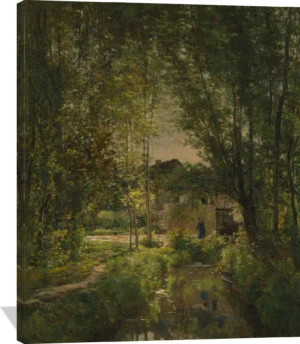
142,00 leiSelect options This product has multiple variants. The options may be chosen on the product pageLandscape with a Sunlit Stream
Charles-François DaubignyCanvas from
142,00 leiSelect options This product has multiple variants. The options may be chosen on the product pageThe Sea
Gustave CourbetCanvas from
142,00 leiSelect options This product has multiple variants. The options may be chosen on the product pageRiver and Rocks
Gustave CourbetCanvas from
142,00 leiSelect options This product has multiple variants. The options may be chosen on the product pageThe Hidden Brook
Gustave CourbetCanvas from
142,00 leiSelect options This product has multiple variants. The options may be chosen on the product pageA Brook in the Forest
Gustave CourbetCanvas from
142,00 leiSelect options This product has multiple variants. The options may be chosen on the product pageA Brook in a Clearing (possibly “Brook, Valley of Fontcouverte; Study”)
Gustave CourbetCanvas from
142,00 leiSelect options This product has multiple variants. The options may be chosen on the product pageA Lane through the Trees
Camille CorotCanvas from
142,00 leiSelect options This product has multiple variants. The options may be chosen on the product pageRocks at Fontainebleau
Paul CézanneCanvas from
142,00 leiSelect options This product has multiple variants. The options may be chosen on the product pageMont Sainte-Victoire and the Viaduct of the Arc River Valley
Paul CézanneCanvas from
142,00 leiSelect options This product has multiple variants. The options may be chosen on the product pageThe Pool at Jas de Bouffan
Paul CézanneCanvas from
142,00 leiSelect options This product has multiple variants. The options may be chosen on the product pageTennessee
Alexander H. WyantCanvas from
222,00 leiSelect options This product has multiple variants. The options may be chosen on the product page
Explore Rural Scenes
A Man and a Woman on Horseback
Philips WouwermanCanvas from
142,00 leiSelect options This product has multiple variants. The options may be chosen on the product pageLandscape with Peasants at a Fountain
Francesco ZuccarelliCanvas from
222,00 leiSelect options This product has multiple variants. The options may be chosen on the product pageGoing Home
Fritz von UhdeCanvas from
142,00 leiSelect options This product has multiple variants. The options may be chosen on the product pageGoing to Market
Constant TroyonCanvas from
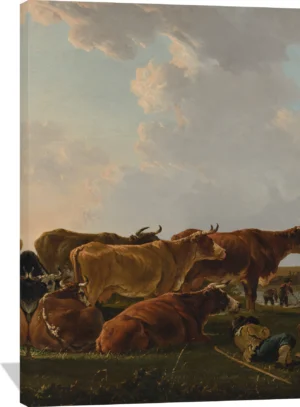
142,00 leiSelect options This product has multiple variants. The options may be chosen on the product pageLandscape with Cattle
Jacob van StrijCanvas from
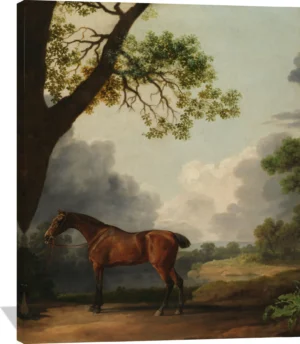
142,00 leiSelect options This product has multiple variants. The options may be chosen on the product pageThe Third Duke of Dorset’s Hunter with a Groom and a Dog
George StubbsCanvas from
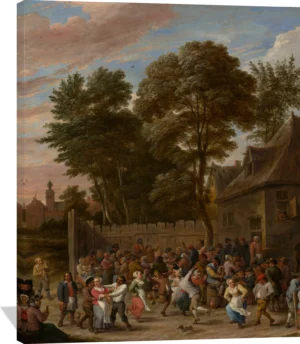
142,00 leiSelect options This product has multiple variants. The options may be chosen on the product pagePeasants Dancing and Feasting
David Teniers the YoungerCanvas from
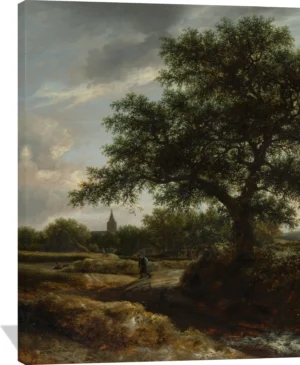
142,00 leiSelect options This product has multiple variants. The options may be chosen on the product pageLandscape with a Village in the Distance
Jacob van RuisdaelCanvas from
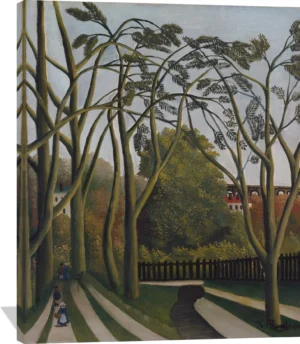
147,00 leiSelect options This product has multiple variants. The options may be chosen on the product pageThe Banks of the Bièvre near Bicêtre
Henri Rousseau (le Douanier)Canvas from
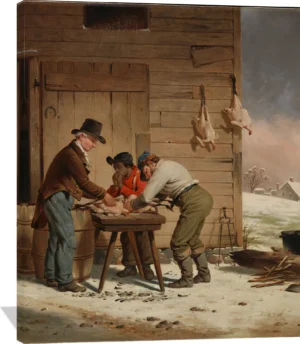
142,00 leiSelect options This product has multiple variants. The options may be chosen on the product pagePreparing for Christmas (Plucking Turkeys)
Francis William EdmondsCanvas from
142,00 leiSelect options This product has multiple variants. The options may be chosen on the product pageOn the Old Sod
William MagrathCanvas from
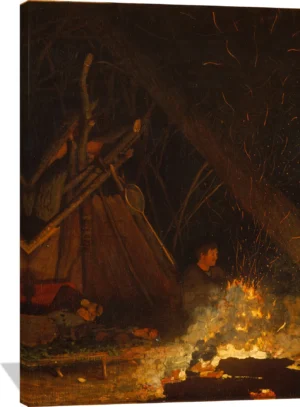
142,00 leiSelect options This product has multiple variants. The options may be chosen on the product pageCamp Fire
Winslow HomerCanvas from
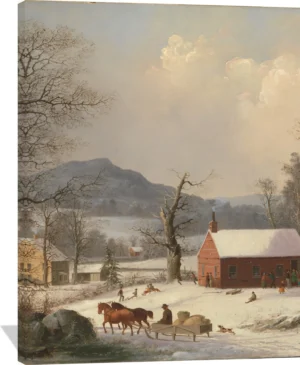
222,00 leiSelect options This product has multiple variants. The options may be chosen on the product pageRed School House (Country Scene)
George Henry DurrieCanvas from
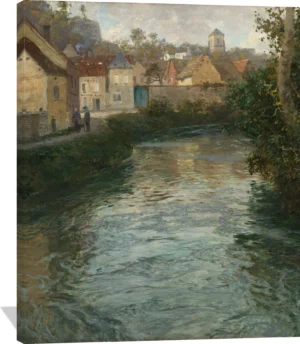
147,00 leiSelect options This product has multiple variants. The options may be chosen on the product pagePicquigny
Frits ThaulowCanvas from
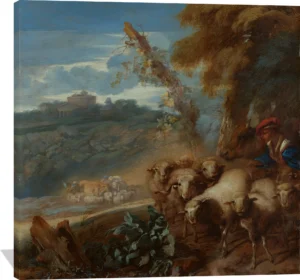
142,00 leiSelect options This product has multiple variants. The options may be chosen on the product pageRoman Landscape with a Shepherd and Sheep
Giovanni Benedetto Castiglione (Il Grechetto)Canvas from
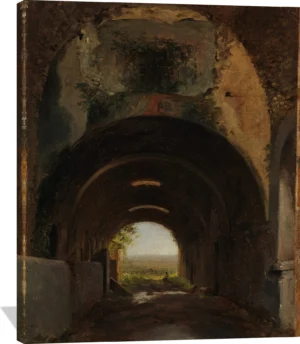
195,00 leiSelect options This product has multiple variants. The options may be chosen on the product pageView in the Stables of the Villa of Maecenas, Tivoli
François Marius GranetCanvas from
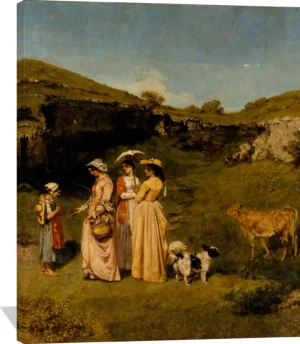
142,00 leiSelect options This product has multiple variants. The options may be chosen on the product pageYoung Ladies of the Village
Gustave CourbetCanvas from
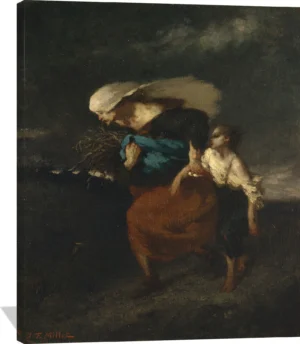
142,00 leiSelect options This product has multiple variants. The options may be chosen on the product pageRetreat from the Storm
Jean-François MilletCanvas from
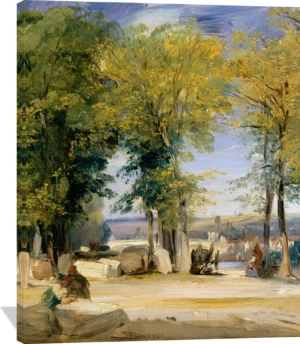
142,00 leiSelect options This product has multiple variants. The options may be chosen on the product pageView near Rouen
Richard Parkes BoningtonCanvas from
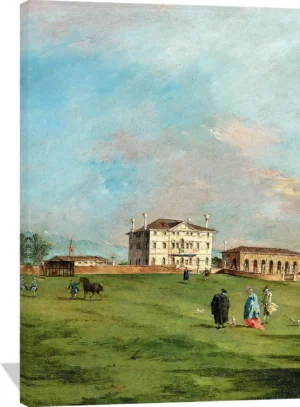
142,00 leiSelect options This product has multiple variants. The options may be chosen on the product pageThe Villa Loredan, Paese
Francesco GuardiCanvas from
222,00 leiSelect options This product has multiple variants. The options may be chosen on the product pageRoad in the Woods
Constant TroyonCanvas from
142,00 leiSelect options This product has multiple variants. The options may be chosen on the product page