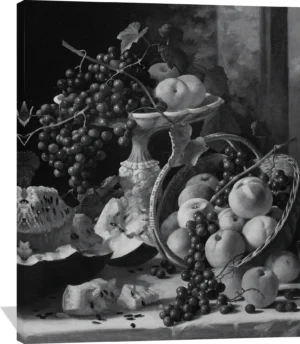
Still Life with a Vase of Flowers, Melon, Peaches, and Grapes
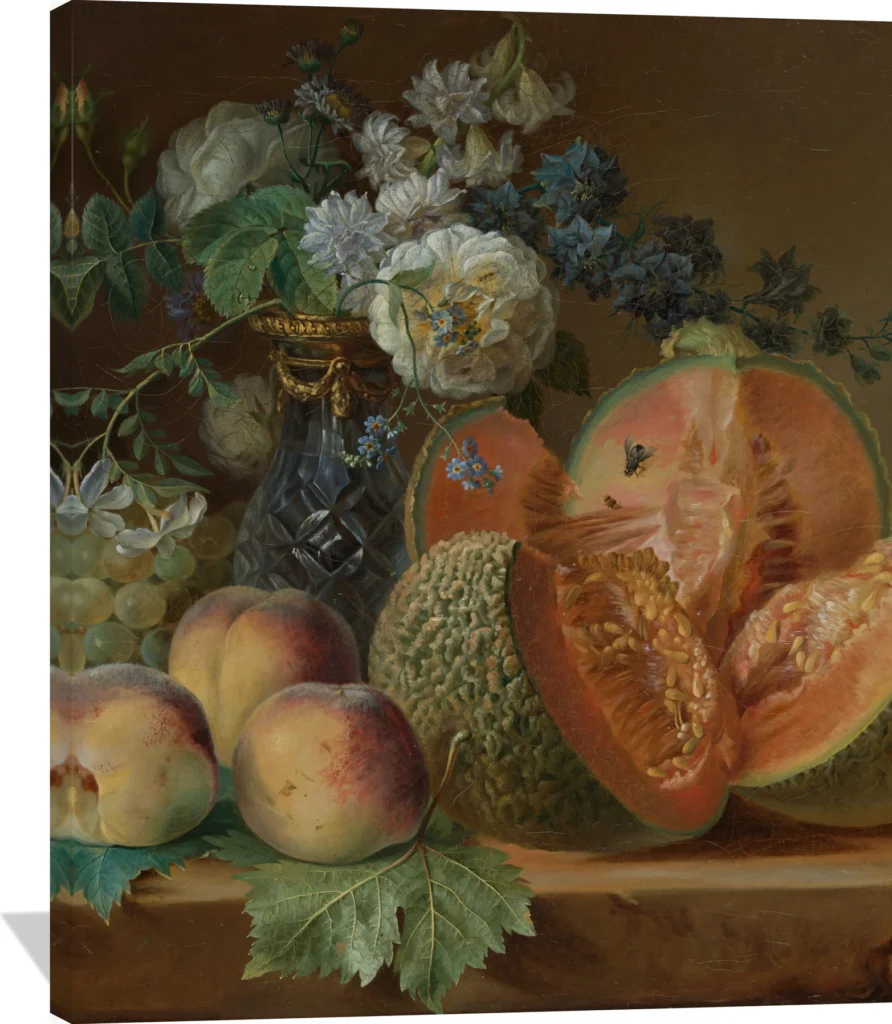
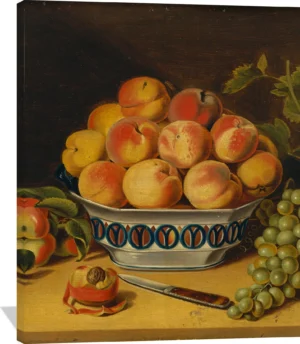
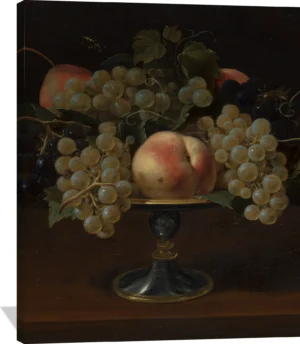
The Charlotte Eustache Sophie de Fuligny Damas, marquise de Grollier Still Life with a Vase of Flowers, Melon, Peaches, and Grapes canvas captures the refined elegance of 18th‑century French artistry. Lush peaches, ripe melon, and delicate blossoms rest against a warm, earthy backdrop, their soft hues of amber, green, and cream glowing with quiet sophistication. Every detail—down to the glint of light on the crystal vase—invites a moment of calm reflection.
This exquisite wall art brings timeless grace to any interior. Perfect for a living room, study, or entryway, this canvas print evokes the harmony of nature and artistry, enriching your space with classic beauty and serene balance.
Charlotte Eustache Sophie de Fuligny Damas, marquise de Grollier (1741–1828), was a distinguished French noblewoman whose refined artistic pursuits placed her among the most cultured figures of late eighteenth‑century Paris. Living at the crossroads of Enlightenment thought and the dawn of modern aesthetics, she became known for her cultivated taste, her commitment to artistic study, and her role within the vibrant intellectual salons of the era.
Artistic Style and Practice
The Marquise de Grollier worked primarily as an accomplished amateur artist, embracing the delicate visual language favored by her contemporaries. Her style reflects the elegance and restraint associated with late Rococo and early Neoclassicism, characterized by graceful linework, balanced compositions, and a nuanced sensitivity to form. She often explored intimate subjects, drawing inspiration from classical motifs, refined portrait studies, and the genteel domestic scenes that resonated with the cultivated circles in which she lived.
Notable Contributions
Although not a professional artist in the conventional sense, de Grollier played a significant cultural role as a patron and participant in the artistic life of her time. Her home functioned as a gathering place for writers, philosophers, and artists, allowing her to shape and support the creative dialogues that flourished in pre‑Revolutionary and early nineteenth‑century France. Her work and her influence reflect a deep engagement with the arts, underscored by a refined intellectual curiosity and a commitment to aesthetic excellence.
Cultural Significance
De Grollier’s legacy lies in her embodiment of the enlightened aristocratic woman educated, artistically inclined, and actively involved in the cultural exchanges that defined French artistic identity. Her drawings and collected works offer insight into the tastes and values of her milieu, while her participation in artistic circles highlights the essential but often understated contributions of women to France’s creative heritage.
Today, her name evokes a world of elegance, artistic inquiry, and the enduring presence of women whose influence helped shape the visual and intellectual landscape of their age.
Trust & policies
- 🚚 Free worldwide shipping
- 🔁 30-day returns (change of mind)
- 🛡️ If damaged/defective/misprinted: free replacement or full refund
- 🌍 Printed in US/CA/EU/UK/AU (based on delivery location)
- 💎 Made to order using acid-free, fade-resistant canvas
- 💎 Solid wood stretcher bars • Pine floating frames
- 🪝 Ready to hang

Seventh Regiment on Review, Washington Square, New York
Otto BoetticherCanvas from
222,00 leiSelect options This product has multiple variants. The options may be chosen on the product pageMeditation
John George BrownCanvas from
142,00 leiSelect options This product has multiple variants. The options may be chosen on the product pageAfter a Long Cruise
John CarlinCanvas from
222,00 leiSelect options This product has multiple variants. The options may be chosen on the product pageThe Ameya
Robert Frederick BlumCanvas from
142,00 leiSelect options This product has multiple variants. The options may be chosen on the product pageA Waterfall, Moonlight
Ralph Albert BlakelockCanvas from
222,00 leiSelect options This product has multiple variants. The options may be chosen on the product pageThe Music Lesson
John George BrownCanvas from
142,00 leiSelect options This product has multiple variants. The options may be chosen on the product pageBaked Pears in Duane Park
William P. ChappelCanvas from
222,00 leiSelect options This product has multiple variants. The options may be chosen on the product pageFur Traders Descending the Missouri
George Caleb BinghamCanvas from
142,00 leiSelect options This product has multiple variants. The options may be chosen on the product pageThe Way They Live
Thomas AnshutzCanvas from
147,00 leiSelect options This product has multiple variants. The options may be chosen on the product pageAdult Funeral Procession
William P. ChappelCanvas from
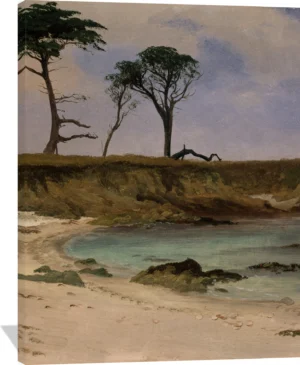
222,00 leiSelect options This product has multiple variants. The options may be chosen on the product pageSea Cove
Albert BierstadtCanvas from
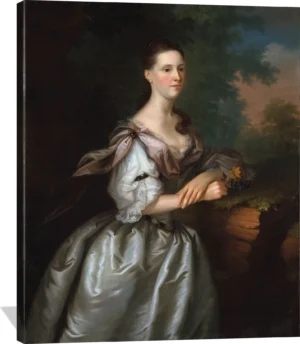
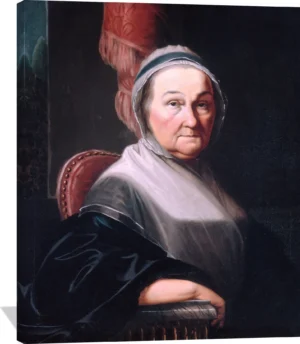
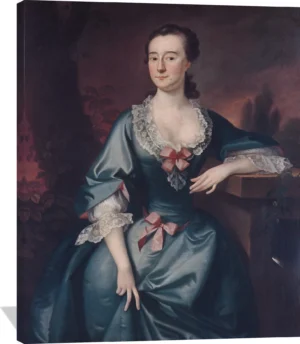
147,00 leiSelect options This product has multiple variants. The options may be chosen on the product pageMrs. Samuel Cutts
Joseph BlackburnCanvas from
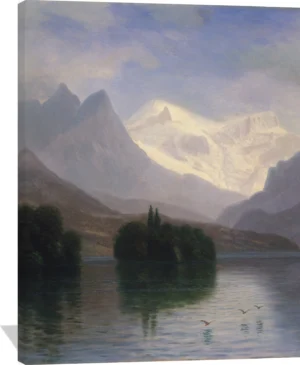
142,00 leiSelect options This product has multiple variants. The options may be chosen on the product pageMountain Scene
Albert BierstadtCanvas from
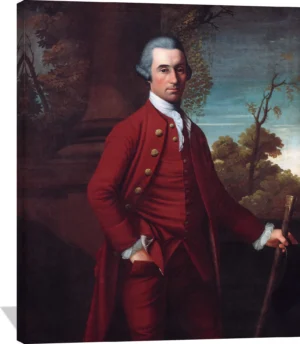
147,00 leiSelect options This product has multiple variants. The options may be chosen on the product pagePortrait of a Gentleman
Henry BenbridgeCanvas from
142,00 leiSelect options This product has multiple variants. The options may be chosen on the product pageMrs. Benjamin Simons
Henry BenbridgeCanvas from
142,00 leiSelect options This product has multiple variants. The options may be chosen on the product pageJames Badger
Joseph BadgerCanvas from
142,00 leiSelect options This product has multiple variants. The options may be chosen on the product pageJanet Halleck Drake
Henry InmanCanvas from
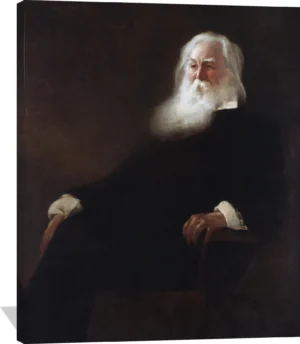
142,00 leiSelect options This product has multiple variants. The options may be chosen on the product pageWalt Whitman
John White AlexanderCanvas from
142,00 leiSelect options This product has multiple variants. The options may be chosen on the product pageMrs. David Chesebrough
Joseph BlackburnCanvas from
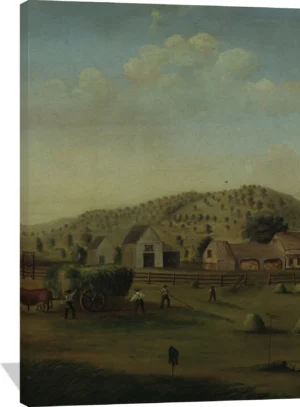
142,00 leiSelect options This product has multiple variants. The options may be chosen on the product pageLeete Farm, West Claremont, New Hampshire
Francis AlexanderCanvas from
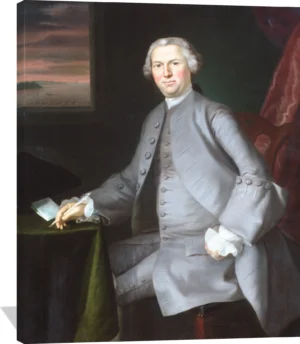
222,00 leiSelect options This product has multiple variants. The options may be chosen on the product pageSamuel Cutts
Joseph BlackburnCanvas from
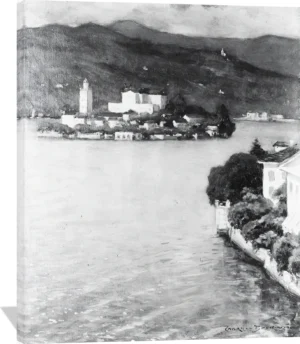
142,00 leiSelect options This product has multiple variants. The options may be chosen on the product pageLake of Orta
J. Carroll BeckwithCanvas from
142,00 leiSelect options This product has multiple variants. The options may be chosen on the product page
Explore Still Life
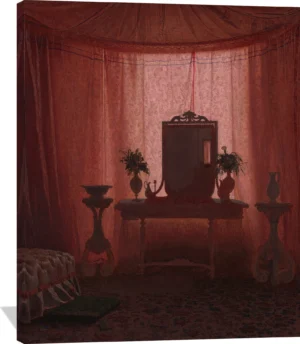
A Bedroom in Bernstorff Palace near Copenhagen
Johan Vilhelm GertnerCanvas from
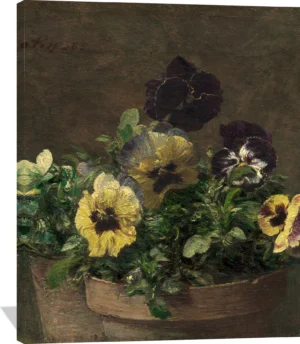
142,00 leiSelect options This product has multiple variants. The options may be chosen on the product pagePotted Pansies
Henri Fantin-LatourCanvas from
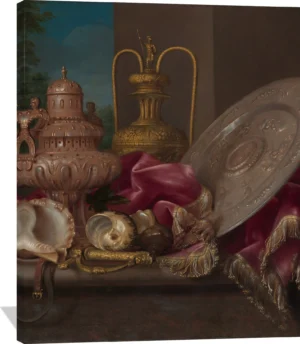
142,00 leiSelect options This product has multiple variants. The options may be chosen on the product pageStill Life with Silver and Gold Plate, Shells, and a Sword
Meiffren ConteCanvas from
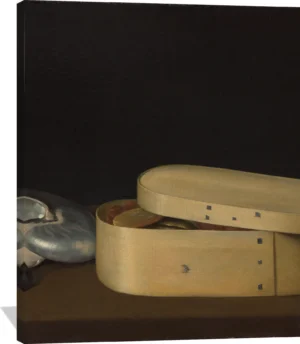
142,00 leiSelect options This product has multiple variants. The options may be chosen on the product pageStill Life with Shells and a Chip-Wood Box
Sebastian StoskopffCanvas from
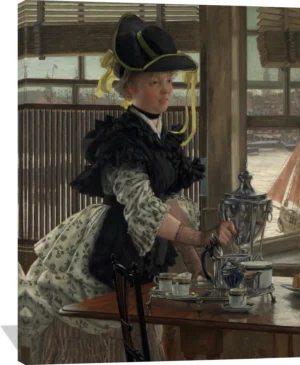
142,00 leiSelect options This product has multiple variants. The options may be chosen on the product pageTea
James TissotCanvas from
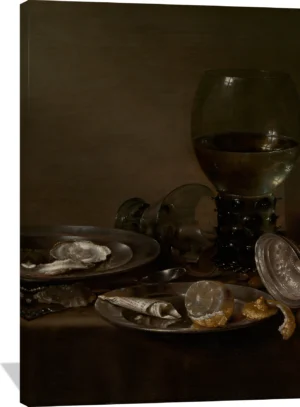
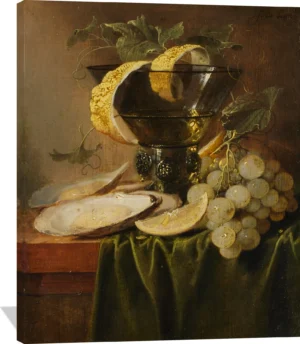
147,00 leiSelect options This product has multiple variants. The options may be chosen on the product pageStill Life with Oysters, a Silver Tazza, and Glassware
Willem Claesz HedaCanvas from
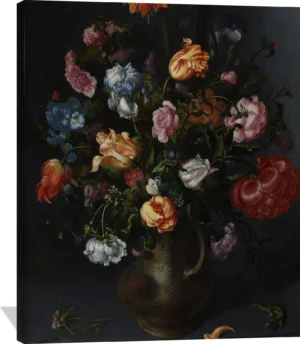
222,00 leiSelect options This product has multiple variants. The options may be chosen on the product pageA Vase with Flowers
Jacob VosmaerCanvas from
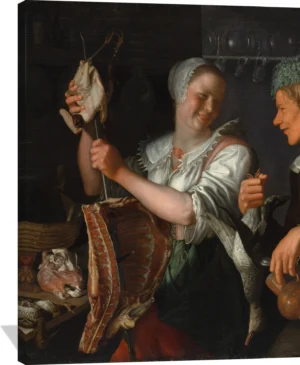
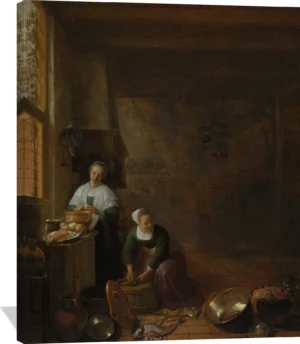
142,00 leiSelect options This product has multiple variants. The options may be chosen on the product pageKitchen Scene
Peter WtewaelCanvas from
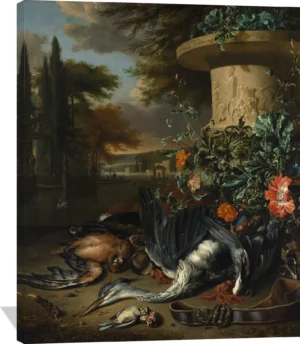
147,00 leiSelect options This product has multiple variants. The options may be chosen on the product pageGamepiece with a Dead Heron
Jan WeenixCanvas from
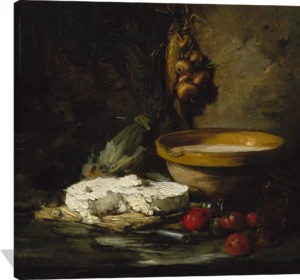
142,00 leiSelect options This product has multiple variants. The options may be chosen on the product pageStill Life with Cheese
Antoine VollonCanvas from
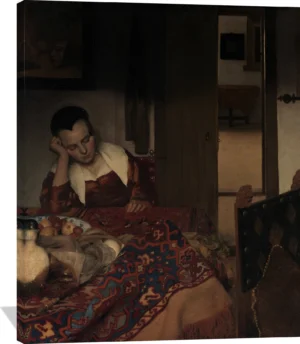
195,00 leiSelect options This product has multiple variants. The options may be chosen on the product pageA Maid Asleep
Johannes VermeerCanvas from
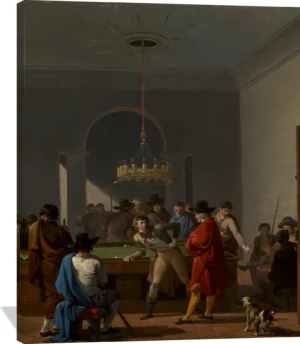
142,00 leiSelect options This product has multiple variants. The options may be chosen on the product pageThe Billiard Room
Nicolas Antoine TaunayCanvas from
142,00 leiSelect options This product has multiple variants. The options may be chosen on the product pageA Kitchen
Hendrick SorghCanvas from
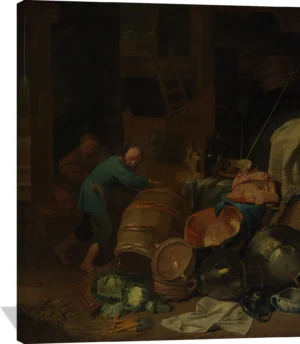
142,00 leiSelect options This product has multiple variants. The options may be chosen on the product pageRustic Interior
David Ryckaert IIICanvas from
142,00 leiSelect options This product has multiple variants. The options may be chosen on the product pageStill Life with a Glass and Oysters
Jan Davidsz de HeemCanvas from
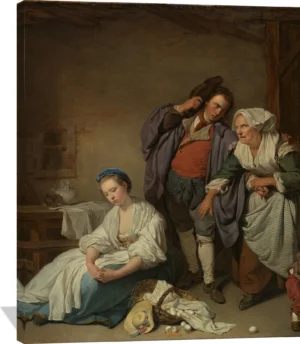
142,00 leiSelect options This product has multiple variants. The options may be chosen on the product pageBroken Eggs
Jean-Baptiste GreuzeCanvas from
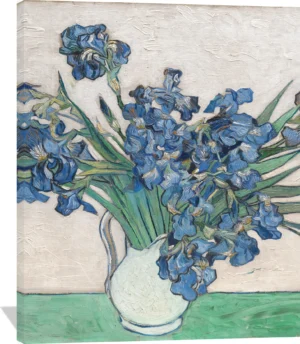
142,00 leiSelect options This product has multiple variants. The options may be chosen on the product pageIrises
Vincent van GoghCanvas from
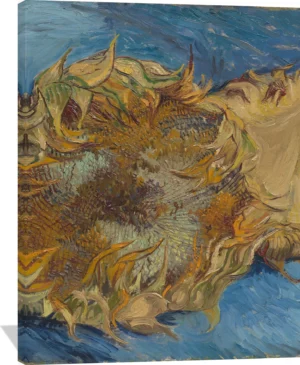
142,00 leiSelect options This product has multiple variants. The options may be chosen on the product pageSunflowers
Vincent van GoghCanvas from
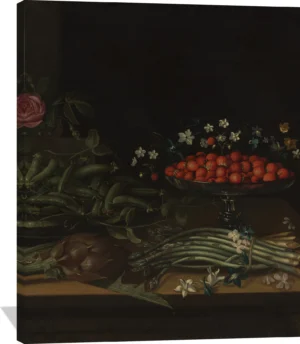
147,00 leiSelect options This product has multiple variants. The options may be chosen on the product pageStill Life with Strawberries
French PainterCanvas from
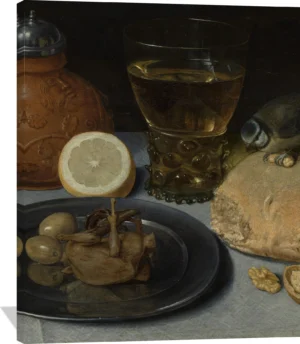
142,00 leiSelect options This product has multiple variants. The options may be chosen on the product pageStill Life
Georg FlegelCanvas from
142,00 leiSelect options This product has multiple variants. The options may be chosen on the product pageVanitas Still Life
Edwaert CollierCanvas from
142,00 leiSelect options This product has multiple variants. The options may be chosen on the product page
Explore Rococo
Medea Rejuvenating Aeson
Corrado GiaquintoCanvas from
142,00 leiSelect options This product has multiple variants. The options may be chosen on the product pageSelf-Portrait
Anton Raphael MengsCanvas from
142,00 leiSelect options This product has multiple variants. The options may be chosen on the product pageThe Servant Justified
Nicolas LancretCanvas from
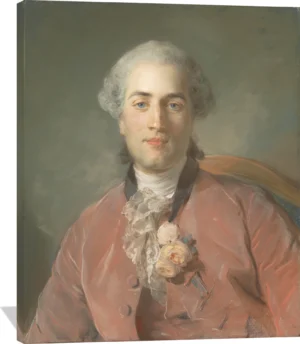
142,00 leiSelect options This product has multiple variants. The options may be chosen on the product pageOlivier Journu (1724–1783)
Jean-Baptiste PerronneauCanvas from
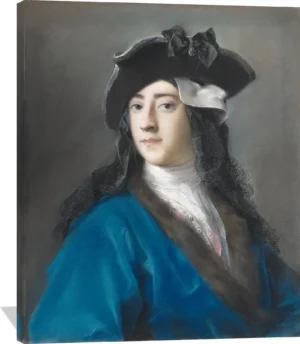
142,00 leiSelect options This product has multiple variants. The options may be chosen on the product pageGustavus Hamilton (1710–1746), Second Viscount Boyne, in Masquerade Costume
Rosalba CarrieraCanvas from
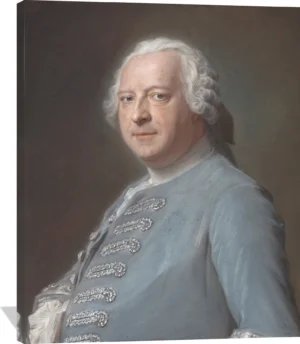
142,00 leiSelect options This product has multiple variants. The options may be chosen on the product pageJean Charles Garnier d’Isle (1697–1755)
Maurice Quentin de La TourCanvas from
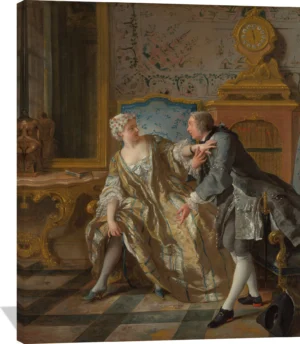
142,00 leiSelect options This product has multiple variants. The options may be chosen on the product pageThe Garter
Jean François de TroyCanvas from
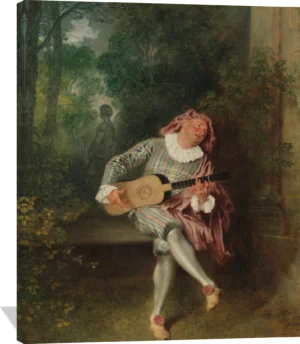
142,00 leiSelect options This product has multiple variants. The options may be chosen on the product pageMezzetin
Antoine WatteauCanvas from
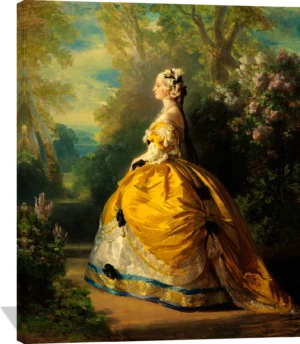
142,00 leiSelect options This product has multiple variants. The options may be chosen on the product pageThe Empress Eugénie (Eugénie de Montijo, 1826–1920, Condesa de Teba)
Franz Xaver WinterhalterCanvas from
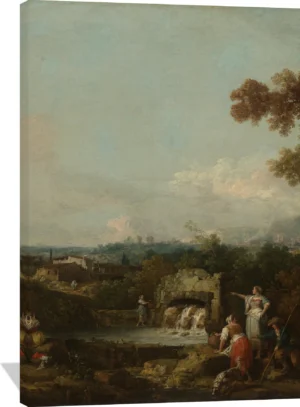
142,00 leiSelect options This product has multiple variants. The options may be chosen on the product pageLandscape with Peasants at a Fountain
Francesco ZuccarelliCanvas from
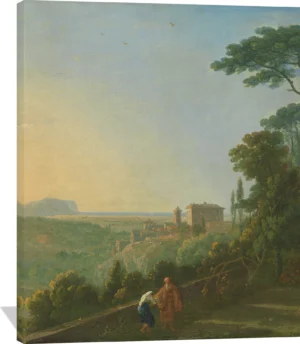
222,00 leiSelect options This product has multiple variants. The options may be chosen on the product pageLake Nemi and Genzano from the Terrace of the Capuchin Monastery
Richard WilsonCanvas from
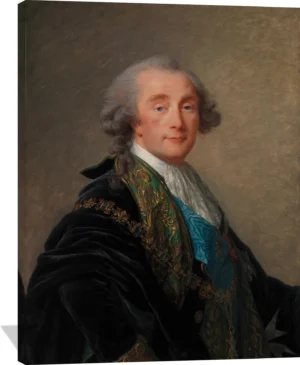
142,00 leiSelect options This product has multiple variants. The options may be chosen on the product pageAlexandre Charles Emmanuel de Crussol-Florensac (1743–1815)
Elisabeth Louise Vigée Le BrunCanvas from
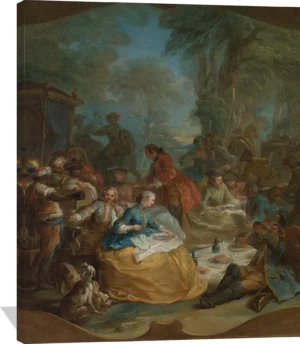
147,00 leiSelect options This product has multiple variants. The options may be chosen on the product pageHalt of the Hunt
Carle (Charles André) VanlooCanvas from
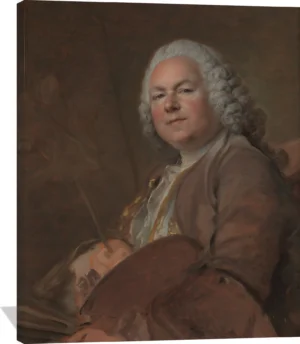
142,00 leiSelect options This product has multiple variants. The options may be chosen on the product pageJean Marc Nattier (1685–1766)
Louis TocquéCanvas from
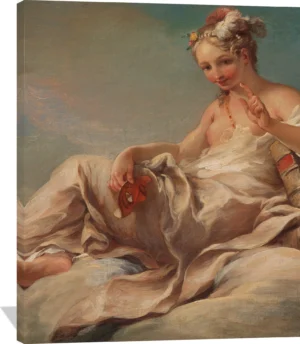
142,00 leiSelect options This product has multiple variants. The options may be chosen on the product pageComedy
Pierre Charles TrémolièresCanvas from
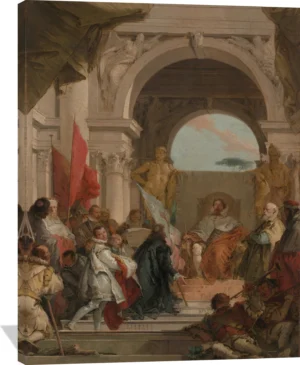
142,00 leiSelect options This product has multiple variants. The options may be chosen on the product pageThe Investiture of Bishop Harold as Duke of Franconia
Giovanni Battista TiepoloCanvas from
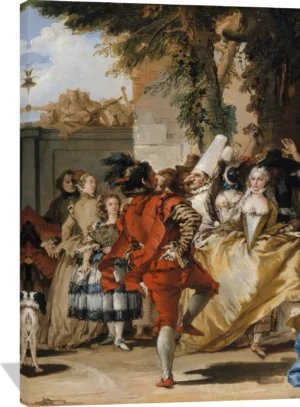
147,00 leiSelect options This product has multiple variants. The options may be chosen on the product pageA Dance in the Country
Giovanni Domenico TiepoloCanvas from
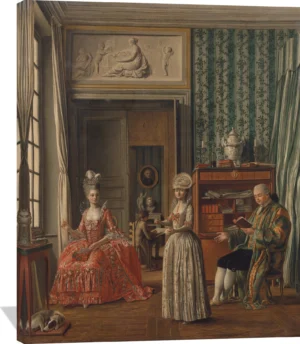
222,00 leiSelect options This product has multiple variants. The options may be chosen on the product pageDomestic Scene
German PainterCanvas from
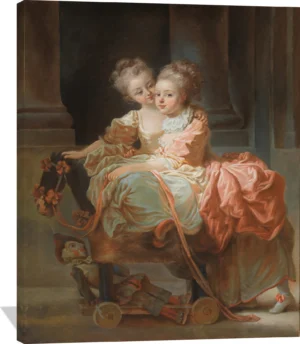
142,00 leiSelect options This product has multiple variants. The options may be chosen on the product pageThe Two Sisters
Jean Claude Richard, Abbé de Saint-NonCanvas from
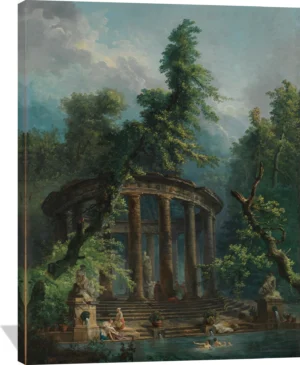
142,00 leiSelect options This product has multiple variants. The options may be chosen on the product pageThe Bathing Pool
Hubert RobertCanvas from
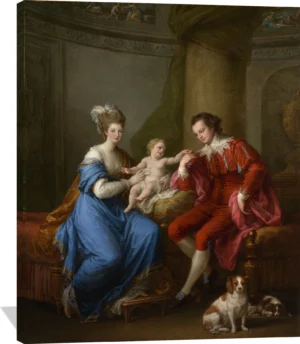
147,00 leiSelect options This product has multiple variants. The options may be chosen on the product pageEdward Smith Stanley (1752–1834), Twelfth Earl of Derby, Elizabeth, Countess of Derby (Lady Elizabeth Hamilton, 1753–1797), and Their Son (Edward Smith Stanley, 1775–1851)
Angelica KauffmannCanvas from
142,00 leiSelect options This product has multiple variants. The options may be chosen on the product page
Explore Fruits
Girl with Cherries
Marco d'OggionoCanvas from
142,00 leiSelect options This product has multiple variants. The options may be chosen on the product pageStill Life with Jar, Cup, and Apples
Paul CézanneCanvas from
142,00 leiSelect options This product has multiple variants. The options may be chosen on the product pageParrot on a Pear Branch
Jin ZunnianCanvas from
142,00 leiSelect options This product has multiple variants. The options may be chosen on the product pageStill Life with Ewer and Fruit
Carducius Plantagenet ReamCanvas from
142,00 leiSelect options This product has multiple variants. The options may be chosen on the product pageStill Life: Peaches and Grapes
John A. WoodsideCanvas from
142,00 leiSelect options This product has multiple variants. The options may be chosen on the product pageStill Life—Flowers and Fruit in White and Pink Bowl
Canvas from
142,00 leiSelect options This product has multiple variants. The options may be chosen on the product pageStill Life with Cake
Raphaelle PealeCanvas from
147,00 leiSelect options This product has multiple variants. The options may be chosen on the product pageHummingbird and Apple Blossoms
Martin Johnson HeadeCanvas from
142,00 leiSelect options This product has multiple variants. The options may be chosen on the product pageStill Life with Fruit
John F. FrancisCanvas from
142,00 leiSelect options This product has multiple variants. The options may be chosen on the product pageStrawberry Pedlar
William P. ChappelCanvas from
222,00 leiSelect options This product has multiple variants. The options may be chosen on the product pageBasket of Fruit
Bartolomeo CavarozziCanvas from
142,00 leiSelect options This product has multiple variants. The options may be chosen on the product pageFruit and Flowers
Orsola Maddalena CacciaCanvas from
142,00 leiSelect options This product has multiple variants. The options may be chosen on the product pageStill Life of Grapes and Peaches
Panfilo NuvoloneCanvas from
142,00 leiSelect options This product has multiple variants. The options may be chosen on the product pageGrape Vines and Fruit, with Three Wagtails
Bartolomeo CavarozziCanvas from
222,00 leiSelect options This product has multiple variants. The options may be chosen on the product pageStill Life with Flowers and Prickly Pears
Auguste RenoirCanvas from
142,00 leiSelect options This product has multiple variants. The options may be chosen on the product pageStill Life with Teapot and Fruit
Paul GauguinCanvas from
147,00 leiSelect options This product has multiple variants. The options may be chosen on the product pageDish of Apples
Paul CézanneCanvas from
142,00 leiSelect options This product has multiple variants. The options may be chosen on the product pageAsters and Fruit on a Table
Henri Fantin-LatourCanvas from
195,00 leiSelect options This product has multiple variants. The options may be chosen on the product pageStill Life with Peaches
Auguste RenoirCanvas from
142,00 leiSelect options This product has multiple variants. The options may be chosen on the product pageStill Life with Peaches and Grapes
Auguste RenoirCanvas from
142,00 leiSelect options This product has multiple variants. The options may be chosen on the product pageStill Life with Apples and Pitcher
Camille PissarroCanvas from
142,00 leiSelect options This product has multiple variants. The options may be chosen on the product page