Artistic Style
Woodside’s style balanced polished draftsmanship with the bold clarity characteristic of early nineteenth‑century American painting. His compositions often featured crisp contours, vivid coloration, and carefully structured symbolism. Whether designing emblems or creating still‑life imagery, he brought a refined sense of order and visual impact to every surface he touched.
Notable Contributions
Highly respected in his era, Woodside became widely known for his work on parade banners, firemen’s regalia, and ship decorations. His imagery helped shape the emerging visual vocabulary of civic pride and institutional identity in the young United States. These commissions showcased his ability to transform functional objects into expressive works of art, a hallmark of his practice and a key reason he remains a distinctive figure in early American art.
Typical Subjects
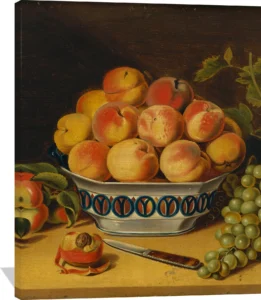
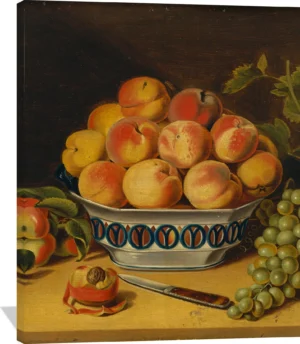
Woodside frequently depicted allegorical figures, patriotic motifs, and richly detailed still lifes. Symbolic imagery such as anchors, eagles, and personifications of virtues appeared throughout his work, reflecting the period’s fascination with moral and national ideals. His still-life paintings, meanwhile, conveyed a quiet elegance, emphasizing texture, balance, and a carefully orchestrated realism.
Cultural Significance
As one of Philadelphia’s most sought‑after decorative painters, Woodside contributed to the visual identity of a rapidly developing nation. His work bridged the realms of artistry and craftsmanship, illustrating how functional objects could embody broader cultural values. Today, he is remembered for his distinctive fusion of symbolism and refinement, and for his role in capturing the aspirations and aesthetics of early nineteenth‑century America.