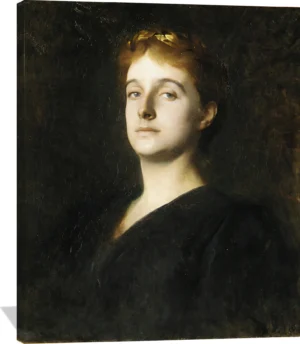
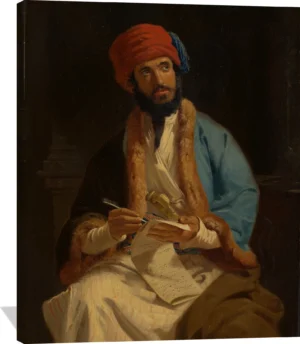
Self-Portrait
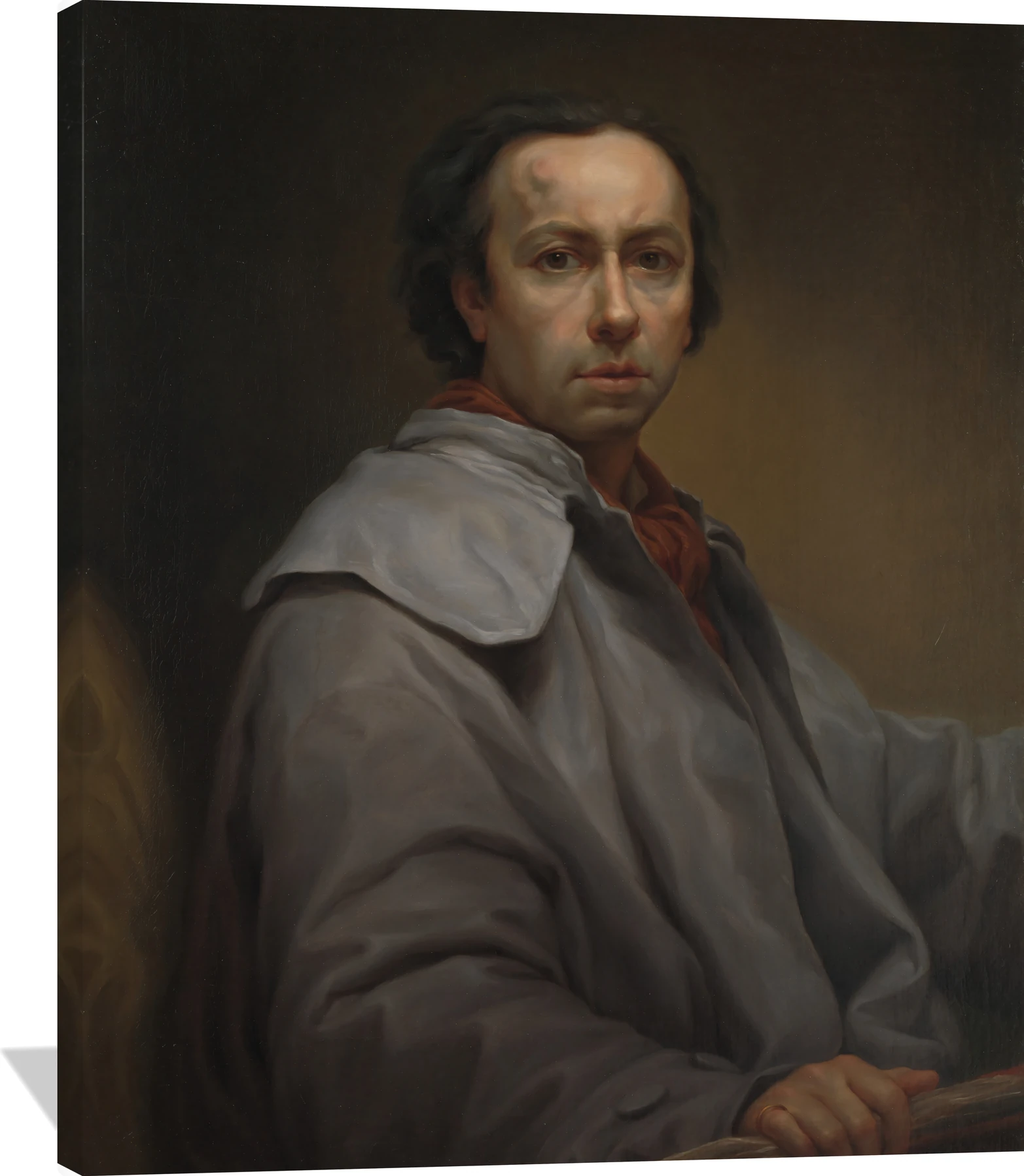
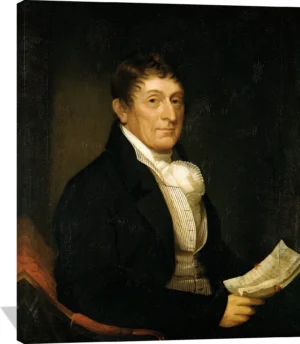
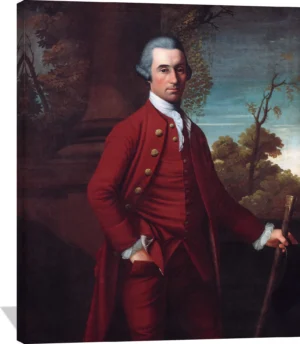
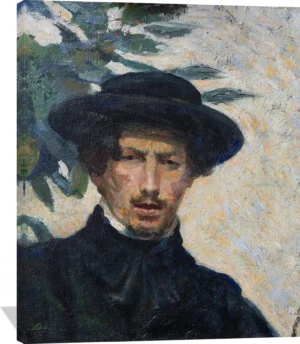
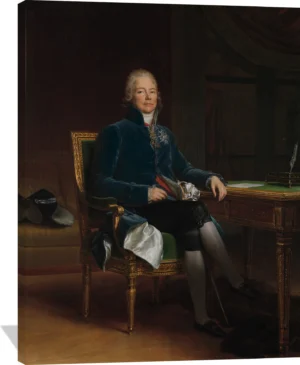
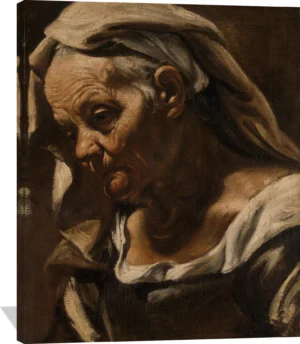
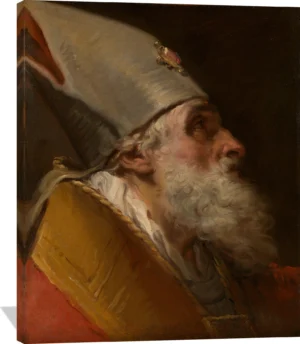
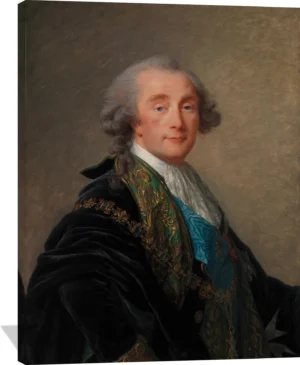
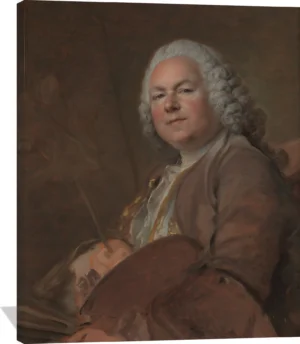
The Anton Raphael Mengs Self-Portrait canvas captures the refined poise and introspective depth of one of the 18th century’s most celebrated German painters. Rendered in soft earth tones of umber, slate gray, and muted gold, this masterful composition radiates calm confidence and classical balance. The artist’s steady gaze and the subtle interplay of light and shadow lend the piece a timeless dignity that enriches any interior.
Perfect as wall art for a study, library, or elegant living room, this premium canvas print brings the sophistication of Neoclassical portraiture into your space, celebrating Mengs’s mastery of form and emotion with enduring grace.
Anton Raphael Mengs (German, Ústi nad Labem 1728–1779 Rome) stands as one of the defining figures of eighteenth‑century Neoclassicism, admired for his clarity of form, intellectual rigor, and refined painterly technique. Active across the major artistic centers of Dresden, Madrid, and Rome, he helped shape the movement that sought a return to classical harmony after the ornamental excesses of the Rococo.
Artistic Style and Approach
Mengs is celebrated for his disciplined draftsmanship, balanced compositions, and pursuit of ideal beauty inspired by ancient sculpture and High Renaissance masters. His paintings embody a measured elegance, merging precise contour with a cool, luminous palette. This synthesis gave his work a distinctly rational yet expressive character, making him a central voice of the emerging Neoclassical aesthetic and a champion of artistic reform.
Typical Subjects and Notable Contributions
Mengs excelled in portraiture, religious scenes, and allegorical compositions, often imbuing his sitters and narratives with a serene, sculptural presence. His portraits of European nobility reflect an elevated psychological clarity, while his religious works and mythological subjects reveal a dedication to classical ideals. His fresco The Apotheosis of Trajan and celebrated painting Parnassus exemplify his commitment to disciplined form and intellectual sophistication.
Cultural and Historical Significance
A close associate of leading antiquarian Johann Joachim Winckelmann, Mengs played a key role in articulating the theoretical foundation of Neoclassicism. His writings and teaching influenced a generation of artists, spreading the belief that art should aspire to the purity and moral clarity of antiquity. Revered in his time as a model of artistic integrity, he remains a pivotal figure whose work bridges the Baroque and the modern academic tradition.
Self-Portrait
Trust & policies
- 🚚 Free worldwide shipping
- 🔁 30-day returns (change of mind)
- 🛡️ If damaged/defective/misprinted: free replacement or full refund
- 🌍 Printed in US/CA/EU/UK/AU (based on delivery location)
- 💎 Made to order using acid-free, fade-resistant canvas
- 💎 Solid wood stretcher bars • Pine floating frames
- 🪝 Ready to hang