Old Souvenirs
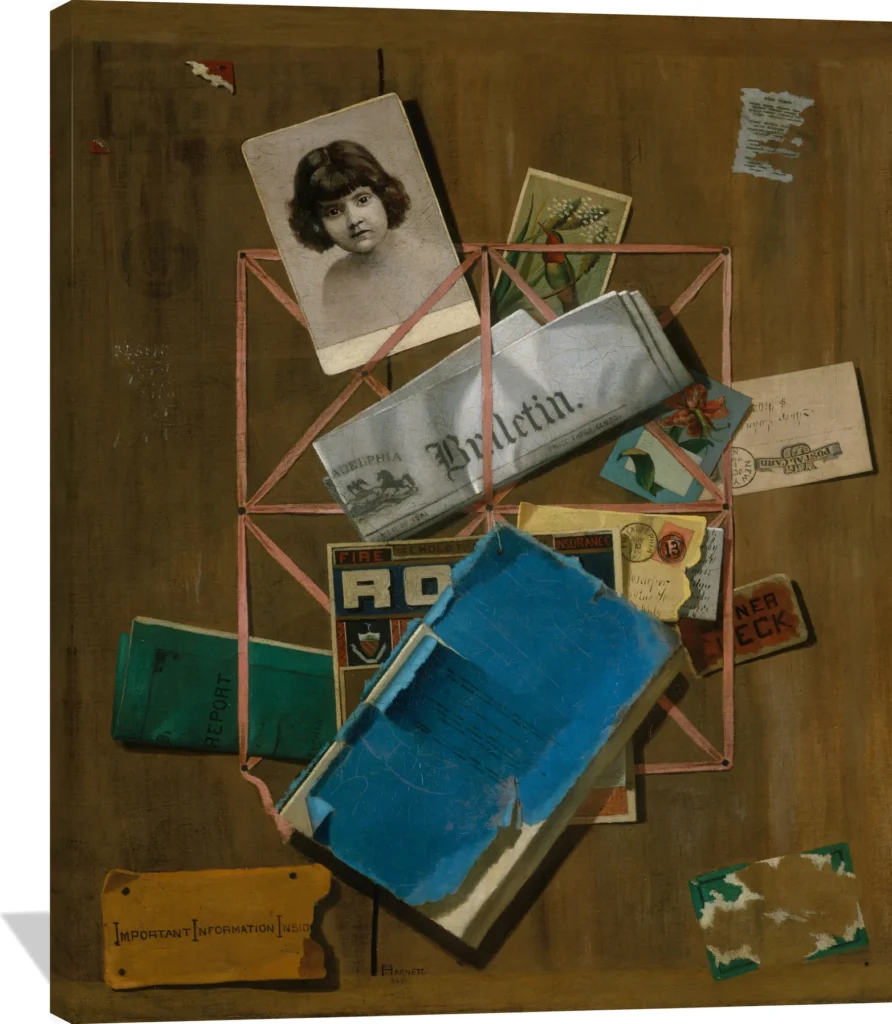
The John F. Peto Old Souvenirs canvas captures the quiet poetry of memory through a masterful trompe-l’œil composition. Letters, photographs, and mementos are pinned against a warm wooden backdrop, rendered in rich browns, muted blues, and soft ivory tones that evoke nostalgia and timeless charm.
This finely detailed wall art brings a touch of vintage sophistication to any space—perfect for a study, library, or refined living room. A Old Souvenirs canvas print adds depth and conversation to your décor, celebrating the artistry of one of America’s most evocative still-life painters, John F. Peto (1854–1907).
John F. Peto (1854–1907) was an American painter celebrated for his quietly evocative still-life compositions and his mastery of trompe-l’oeil illusionism. His work, once overshadowed during his lifetime, is now recognized for its poetic restraint and powerful sense of atmosphere.
Artistic Style and Approach
Peto specialized in trompe-l’oeil painting, creating images that convincingly simulate three‑dimensional objects on a flat surface. Unlike many contemporaries, he favored a subtly weathered aesthetic, using worn books, tarnished metal, fading photographs, and timeworn personal items. His muted palettes and soft handling of light lend these objects a contemplative, almost meditative quality. This distinctive sensibility established him as a major figure in the tradition of American illusionistic still life.
Subjects and Themes
Peto’s compositions often feature everyday objects arranged with deliberate imperfection. Items appear chipped, frayed, or slightly askew, revealing his fascination with memory, transience, and the passage of time. Works such as his iconic board paintings and arrangements of battered books evoke a mood of quiet introspection. Through carefully rendered surfaces and modest subjects, he transformed the ordinary into a source of visual poetry.
Legacy and Significance
Though he achieved limited recognition during his lifetime, Peto’s contributions came to be highly valued in the decades following his death. His paintings display a uniquely American blend of realism and emotional depth, standing apart for their intimate scale and contemplative tone. Today, he is celebrated for his innovative trompe-l’oeil technique and his ability to imbue humble objects with a profound sense of presence. His work continues to resonate with collectors and viewers drawn to images that honor the beauty found in everyday experience.
Trust & policies
- 🚚 Free worldwide shipping
- 🔁 30-day returns (change of mind)
- 🛡️ If damaged/defective/misprinted: free replacement or full refund
- 🌍 Printed in US/CA/EU/UK/AU (based on delivery location)
- 💎 Made to order using acid-free, fade-resistant canvas
- 💎 Solid wood stretcher bars • Pine floating frames
- 🪝 Ready to hang

Fur Traders Descending the Missouri
George Caleb BinghamCanvas from
142,00 leiSelect options This product has multiple variants. The options may be chosen on the product pageAn Arctic Summer: Boring Through the Pack in Melville Bay
William BradfordCanvas from
222,00 leiSelect options This product has multiple variants. The options may be chosen on the product pageWalt Whitman
John White AlexanderCanvas from
142,00 leiSelect options This product has multiple variants. The options may be chosen on the product pageAfter a Long Cruise
John CarlinCanvas from
222,00 leiSelect options This product has multiple variants. The options may be chosen on the product pageEleanor Hardy Bunker
Dennis Miller BunkerCanvas from
142,00 leiSelect options This product has multiple variants. The options may be chosen on the product pageLandscape
Ralph Albert BlakelockCanvas from
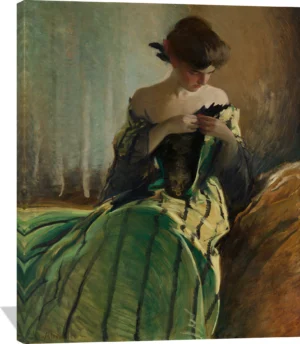
146,00 leiSelect options This product has multiple variants. The options may be chosen on the product pageStudy in Green and Black
John White AlexanderCanvas from
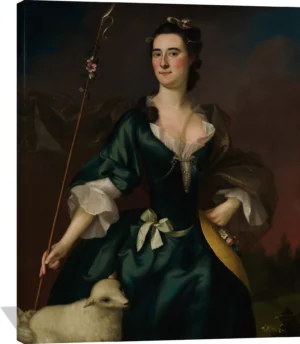
142,00 leiSelect options This product has multiple variants. The options may be chosen on the product pageMary Sylvester
Joseph BlackburnCanvas from
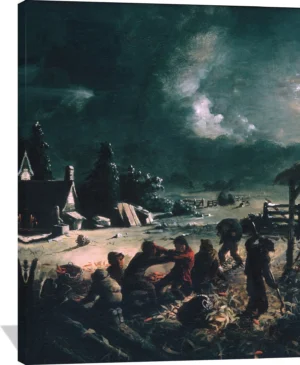
142,00 leiSelect options This product has multiple variants. The options may be chosen on the product pageCorn Husking
David Gilmour BlytheCanvas from
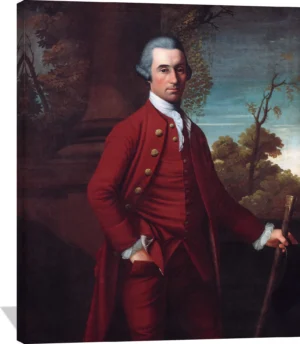
146,00 leiSelect options This product has multiple variants. The options may be chosen on the product pagePortrait of a Gentleman
Henry BenbridgeCanvas from
142,00 leiSelect options This product has multiple variants. The options may be chosen on the product pageRepose
John White AlexanderCanvas from
142,00 leiSelect options This product has multiple variants. The options may be chosen on the product pageThe Ring
John White AlexanderCanvas from
142,00 leiSelect options This product has multiple variants. The options may be chosen on the product pageMrs. Samuel Cutts
Joseph BlackburnCanvas from
142,00 leiSelect options This product has multiple variants. The options may be chosen on the product pageJohn F. Kensett
George Augustus Baker Jr.Canvas from
142,00 leiSelect options This product has multiple variants. The options may be chosen on the product pageIn the Laboratory
Henry AlexanderCanvas from
142,00 leiSelect options This product has multiple variants. The options may be chosen on the product pageLeete Farm, West Claremont, New Hampshire
Francis AlexanderCanvas from
222,00 leiSelect options This product has multiple variants. The options may be chosen on the product pageView from the Artist’s Window, Grove Street
Robert Frederick BlumCanvas from
142,00 leiSelect options This product has multiple variants. The options may be chosen on the product pageMountain Scene
Albert BierstadtCanvas from
146,00 leiSelect options This product has multiple variants. The options may be chosen on the product pageEmma Homan
John BradleyCanvas from
142,00 leiSelect options This product has multiple variants. The options may be chosen on the product pageJames Badger
Joseph BadgerCanvas from
142,00 leiSelect options This product has multiple variants. The options may be chosen on the product pageThe Pipe Dance
Ralph Albert BlakelockCanvas from
222,00 leiSelect options This product has multiple variants. The options may be chosen on the product pageJanet Halleck Drake
Henry InmanCanvas from
142,00 leiSelect options This product has multiple variants. The options may be chosen on the product page
Explore Still Life
Still Life with a Vase of Flowers, Melon, Peaches, and Grapes
Charlotte Eustache Sophie de Fuligny Damas, marquise de GrollierCanvas from
142,00 leiSelect options This product has multiple variants. The options may be chosen on the product pageA Bedroom in Bernstorff Palace near Copenhagen
Johan Vilhelm GertnerCanvas from
142,00 leiSelect options This product has multiple variants. The options may be chosen on the product pagePotted Pansies
Henri Fantin-LatourCanvas from
142,00 leiSelect options This product has multiple variants. The options may be chosen on the product pageStill Life with Silver and Gold Plate, Shells, and a Sword
Meiffren ConteCanvas from
142,00 leiSelect options This product has multiple variants. The options may be chosen on the product pageStill Life with Shells and a Chip-Wood Box
Sebastian StoskopffCanvas from
142,00 leiSelect options This product has multiple variants. The options may be chosen on the product pageTea
James TissotCanvas from
146,00 leiSelect options This product has multiple variants. The options may be chosen on the product pageStill Life with Oysters, a Silver Tazza, and Glassware
Willem Claesz HedaCanvas from
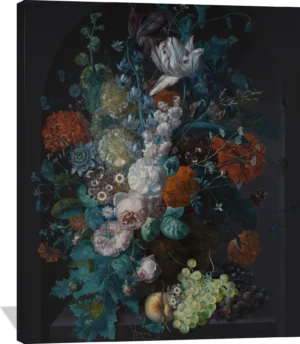
222,00 leiSelect options This product has multiple variants. The options may be chosen on the product pageA Vase with Flowers
Jacob VosmaerCanvas from
142,00 leiSelect options This product has multiple variants. The options may be chosen on the product pageKitchen Scene
Peter WtewaelCanvas from
146,00 leiSelect options This product has multiple variants. The options may be chosen on the product pageGamepiece with a Dead Heron
Jan WeenixCanvas from
142,00 leiSelect options This product has multiple variants. The options may be chosen on the product pageStill Life with Cheese
Antoine VollonCanvas from
195,00 leiSelect options This product has multiple variants. The options may be chosen on the product pageA Maid Asleep
Johannes VermeerCanvas from
142,00 leiSelect options This product has multiple variants. The options may be chosen on the product pageThe Billiard Room
Nicolas Antoine TaunayCanvas from
142,00 leiSelect options This product has multiple variants. The options may be chosen on the product pageA Kitchen
Hendrick SorghCanvas from
142,00 leiSelect options This product has multiple variants. The options may be chosen on the product pageRustic Interior
David Ryckaert IIICanvas from
142,00 leiSelect options This product has multiple variants. The options may be chosen on the product pageStill Life with a Glass and Oysters
Jan Davidsz de HeemCanvas from
142,00 leiSelect options This product has multiple variants. The options may be chosen on the product pageBroken Eggs
Jean-Baptiste GreuzeCanvas from
142,00 leiSelect options This product has multiple variants. The options may be chosen on the product pageIrises
Vincent van GoghCanvas from
142,00 leiSelect options This product has multiple variants. The options may be chosen on the product pageSunflowers
Vincent van GoghCanvas from
146,00 leiSelect options This product has multiple variants. The options may be chosen on the product pageStill Life with Strawberries
French PainterCanvas from
142,00 leiSelect options This product has multiple variants. The options may be chosen on the product pageStill Life
Georg FlegelCanvas from
142,00 leiSelect options This product has multiple variants. The options may be chosen on the product page
Explore Still Life
Still Life with Ham
Philippe RousseauCanvas from
142,00 leiSelect options This product has multiple variants. The options may be chosen on the product pageStill Life with Jar, Cup, and Apples
Paul CézanneCanvas from
142,00 leiSelect options This product has multiple variants. The options may be chosen on the product pageStill Life with Ewer and Fruit
Carducius Plantagenet ReamCanvas from
142,00 leiSelect options This product has multiple variants. The options may be chosen on the product pageStill Life: Peaches and Grapes
John A. WoodsideCanvas from
142,00 leiSelect options This product has multiple variants. The options may be chosen on the product pageStill Life—Flowers and Fruit in White and Pink Bowl
Canvas from
142,00 leiSelect options This product has multiple variants. The options may be chosen on the product pageStill Life with Cake
Raphaelle PealeCanvas from
146,00 leiSelect options This product has multiple variants. The options may be chosen on the product pageSide of a Greenhouse
George Cochran LambdinCanvas from
142,00 leiSelect options This product has multiple variants. The options may be chosen on the product pageHummingbird and Apple Blossoms
Martin Johnson HeadeCanvas from
142,00 leiSelect options This product has multiple variants. The options may be chosen on the product pageStill Life with Fruit
John F. FrancisCanvas from
142,00 leiSelect options This product has multiple variants. The options may be chosen on the product pagePink Azalea—Chinese Vase
William Merritt ChaseCanvas from
146,00 leiSelect options This product has multiple variants. The options may be chosen on the product pageStill Life: Fish
William Merritt ChaseCanvas from
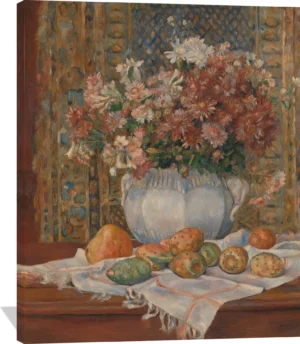
142,00 leiSelect options This product has multiple variants. The options may be chosen on the product pageStill Life with Flowers and Prickly Pears
Auguste RenoirCanvas from
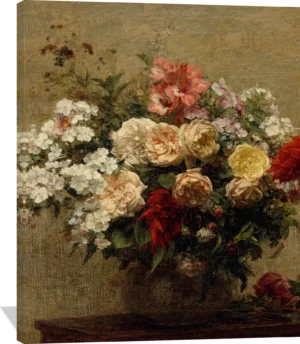
142,00 leiSelect options This product has multiple variants. The options may be chosen on the product pageSummer Flowers
Henri Fantin-LatourCanvas from
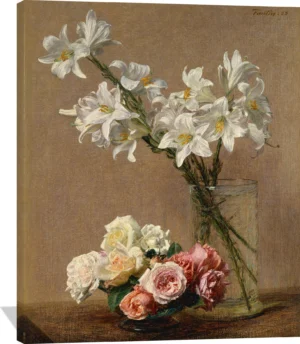
142,00 leiSelect options This product has multiple variants. The options may be chosen on the product pageRoses and Lilies
Henri Fantin-LatourCanvas from
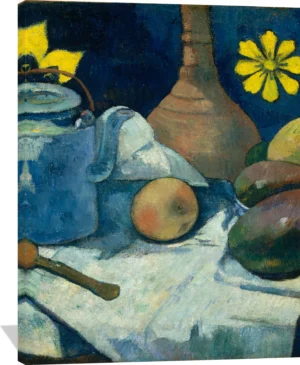
142,00 leiSelect options This product has multiple variants. The options may be chosen on the product pageStill Life with Teapot and Fruit
Paul GauguinCanvas from
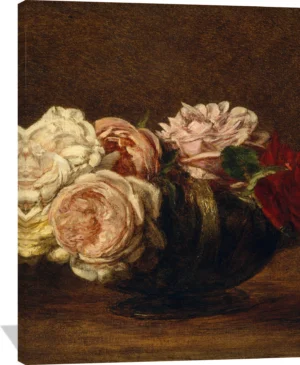
146,00 leiSelect options This product has multiple variants. The options may be chosen on the product pageRoses in a Bowl
Henri Fantin-LatourCanvas from
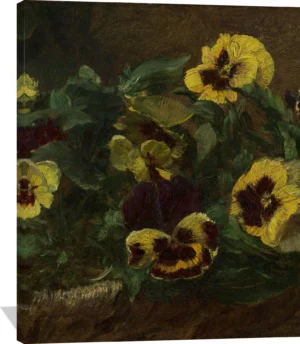
146,00 leiSelect options This product has multiple variants. The options may be chosen on the product pagePansies
Henri Fantin-LatourCanvas from
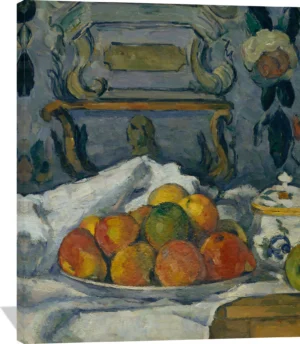
142,00 leiSelect options This product has multiple variants. The options may be chosen on the product pageDish of Apples
Paul CézanneCanvas from
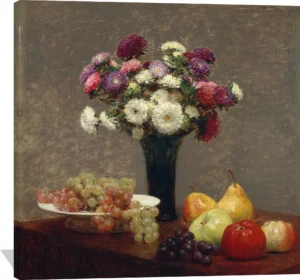
142,00 leiSelect options This product has multiple variants. The options may be chosen on the product pageAsters and Fruit on a Table
Henri Fantin-LatourCanvas from
195,00 leiSelect options This product has multiple variants. The options may be chosen on the product pageStill Life with Peaches
Auguste RenoirCanvas from
142,00 leiSelect options This product has multiple variants. The options may be chosen on the product pageStill Life with Peaches and Grapes
Auguste RenoirCanvas from
142,00 leiSelect options This product has multiple variants. The options may be chosen on the product page
Explore Flowers (still Life)
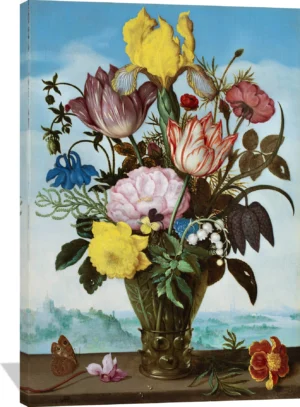
Bouquet of Flowers in a Roemer
Ambrosius Bosschaert the ElderCanvas from
222,00 leiSelect options This product has multiple variants. The options may be chosen on the product pageRachel Ruysch (1664–1750)
Rachel RuyschCanvas from
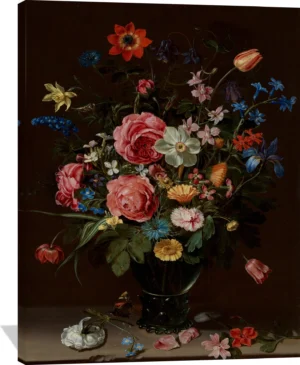
142,00 leiSelect options This product has multiple variants. The options may be chosen on the product pageA Bouquet of Flowers
Clara PeetersCanvas from
146,00 leiSelect options This product has multiple variants. The options may be chosen on the product pageFruit and Flowers
Orsola Maddalena CacciaCanvas from
142,00 leiSelect options This product has multiple variants. The options may be chosen on the product pageFlowers in a Grotesque Vase
Orsola Maddalena CacciaCanvas from
142,00 leiSelect options This product has multiple variants. The options may be chosen on the product pageHortensia
Fernand KhnopffCanvas from
142,00 leiSelect options This product has multiple variants. The options may be chosen on the product pageBouquet of Chrysanthemums
Auguste RenoirCanvas from
142,00 leiSelect options This product has multiple variants. The options may be chosen on the product pageVase of Flowers (Pink Background)
Odilon RedonCanvas from
142,00 leiSelect options This product has multiple variants. The options may be chosen on the product pageEtruscan Vase with Flowers
Odilon RedonCanvas from
142,00 leiSelect options This product has multiple variants. The options may be chosen on the product pageBouquet in a Chinese Vase
Odilon RedonCanvas from
142,00 leiSelect options This product has multiple variants. The options may be chosen on the product pageFlowers in a Blue Vase
Adolphe MonticelliCanvas from
146,00 leiSelect options This product has multiple variants. The options may be chosen on the product pageThe Brioche
Edouard ManetCanvas from
142,00 leiSelect options This product has multiple variants. The options may be chosen on the product pageA Vase of Flowers
Margareta HavermanCanvas from
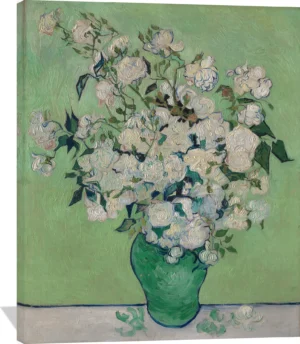
142,00 leiSelect options This product has multiple variants. The options may be chosen on the product pageRoses
Vincent van GoghCanvas from
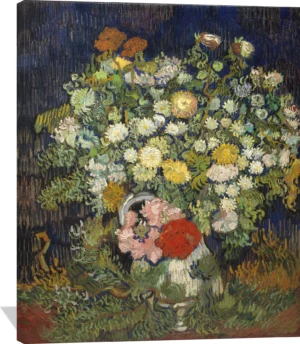
142,00 leiSelect options This product has multiple variants. The options may be chosen on the product pageBouquet of Flowers in a Vase
Vincent van GoghCanvas from
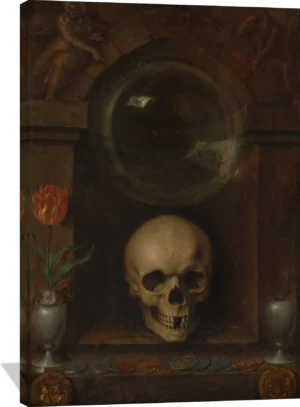
142,00 leiSelect options This product has multiple variants. The options may be chosen on the product pageVanitas Still Life
Jacques de Gheyn IICanvas from
222,00 leiSelect options This product has multiple variants. The options may be chosen on the product pageStill Life with Flowers and Fruit
Henri Fantin-LatourCanvas from
142,00 leiSelect options This product has multiple variants. The options may be chosen on the product pageStill Life with Pansies
Henri Fantin-LatourCanvas from
142,00 leiSelect options This product has multiple variants. The options may be chosen on the product pageBasket of Flowers
Eugène DelacroixCanvas from
142,00 leiSelect options This product has multiple variants. The options may be chosen on the product pageA Woman Seated beside a Vase of Flowers (Madame Paul Valpinçon?)
Edgar DegasCanvas from
142,00 leiSelect options This product has multiple variants. The options may be chosen on the product pageA Basket of Flowers
Jan Brueghel the YoungerCanvas from
146,00 leiSelect options This product has multiple variants. The options may be chosen on the product page