Bacchus and Ariadne
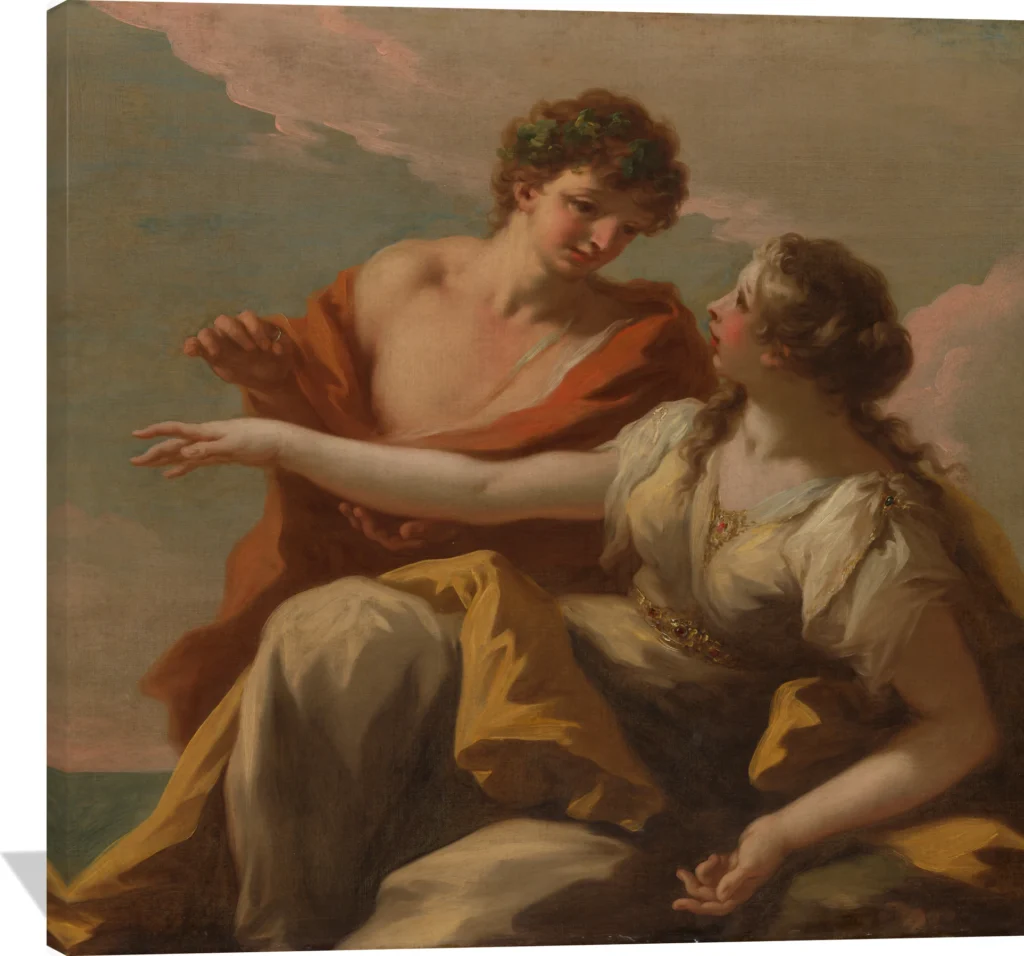
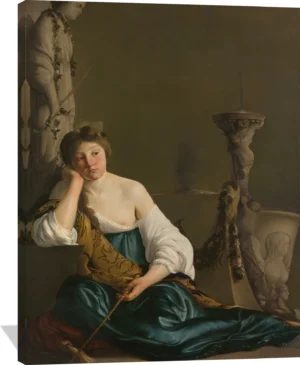
The Giovanni Antonio Pellegrini Bacchus and Ariadne canvas captures a tender mythological encounter bathed in soft golden light. With warm ochres, rose tones, and gentle blues, Pellegrini’s Venetian mastery infuses the scene with grace and intimacy, evoking both divine romance and human emotion. The fluid brushwork and luminous atmosphere make this piece a timeless expression of 18th-century elegance.
This exquisite wall art brings a refined classical touch to any living room, study, or entryway. A canvas print of Bacchus and Ariadne offers a serene yet captivating focal point—perfect for collectors and admirers of Italian Baroque artistry.
Giovanni Antonio Pellegrini (1675–1741), a Venetian painter of the late Baroque, is celebrated for his fluid brushwork, luminous color, and elegant theatricality. Rising to prominence in his native Venice, he became one of the most sought-after decorative painters of early eighteenth‑century Europe, completing grand commissions in cities such as London, Paris, and Düsseldorf.
Artistic Style
Pellegrini’s work is distinguished by its graceful compositional flow, warm chromatic harmonies, and a painterly touch influenced by both Paolo Veronese and Pietro da Cortona. His scenes often blend narrative clarity with atmospheric softness, resulting in a refined visual poetry that helped shape the transition from the Baroque toward the lighter aesthetics of the Rococo. His mastery of large-scale decorative cycles made him a pivotal figure in the development of European ceiling and wall painting.
Subjects and Themes
Pellegrini excelled in mythological and historical subjects, rendering classical narratives with a keen sense of movement and emotional nuance. He also produced religious works that combined spiritual intensity with subtle elegance. His allegorical compositions, rich with symbolism and expressive gesture, reveal his gift for storytelling through color, texture, and form.
Cultural Significance
A key contributor to the international spread of Venetian artistic ideals, Pellegrini brought the city’s opulent colorism and vibrant theatricality to courts and palaces across Europe. His work influenced a generation of painters and helped establish the prestige of Venetian decorative art outside Italy. Today, he is remembered as an innovator whose refined sensibility and command of monumental composition left a lasting mark on the visual culture of the eighteenth century.
Trust & policies
- 🚚 Free worldwide shipping
- 🔁 30-day returns (change of mind)
- 🛡️ If damaged/defective/misprinted: free replacement or full refund
- 🌍 Printed in US/CA/EU/UK/AU (based on delivery location)
- 💎 Made to order using acid-free, fade-resistant canvas
- 💎 Solid wood stretcher bars • Pine floating frames
- 🪝 Ready to hang

A Waterfall, Moonlight
Ralph Albert BlakelockCanvas from
222,00 leiSelect options This product has multiple variants. The options may be chosen on the product pageAdult Funeral Procession
William P. ChappelCanvas from
222,00 leiSelect options This product has multiple variants. The options may be chosen on the product pageRepose
John White AlexanderCanvas from
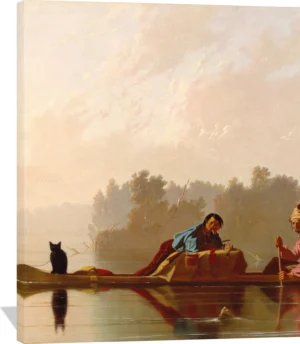
142,00 leiSelect options This product has multiple variants. The options may be chosen on the product pageFur Traders Descending the Missouri
George Caleb BinghamCanvas from
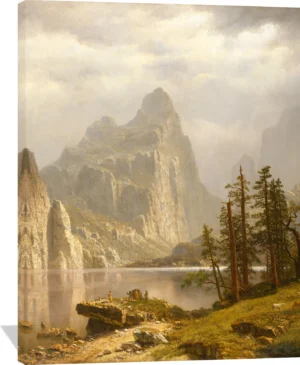
142,00 leiSelect options This product has multiple variants. The options may be chosen on the product pageMerced River, Yosemite Valley
Albert BierstadtCanvas from
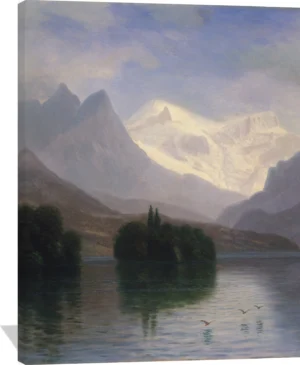
147,00 leiSelect options This product has multiple variants. The options may be chosen on the product pageMountain Scene
Albert BierstadtCanvas from
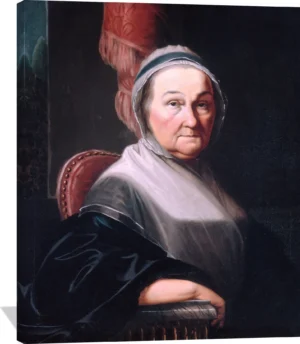
147,00 leiSelect options This product has multiple variants. The options may be chosen on the product pageMrs. Benjamin Simons
Henry BenbridgeCanvas from
142,00 leiSelect options This product has multiple variants. The options may be chosen on the product pagePhilip Van Cortlandt
Ezra AmesCanvas from
142,00 leiSelect options This product has multiple variants. The options may be chosen on the product pageNevada Falls, Yosemite
Albert BierstadtCanvas from
142,00 leiSelect options This product has multiple variants. The options may be chosen on the product pagePortrait of a Gentleman
Henry BenbridgeCanvas from
142,00 leiSelect options This product has multiple variants. The options may be chosen on the product pageLandscape
Ralph Albert BlakelockCanvas from
147,00 leiSelect options This product has multiple variants. The options may be chosen on the product pageThe Children of Nathan Starr
Ambrose AndrewsCanvas from
142,00 leiSelect options This product has multiple variants. The options may be chosen on the product pageSamuel Cutts
Joseph BlackburnCanvas from
142,00 leiSelect options This product has multiple variants. The options may be chosen on the product pageBaked Pears in Duane Park
William P. ChappelCanvas from
222,00 leiSelect options This product has multiple variants. The options may be chosen on the product pageAn Indian Encampment
Ralph Albert BlakelockCanvas from
195,00 leiSelect options This product has multiple variants. The options may be chosen on the product pageView from the Artist’s Window, Grove Street
Robert Frederick BlumCanvas from
142,00 leiSelect options This product has multiple variants. The options may be chosen on the product pageLeete Farm, West Claremont, New Hampshire
Francis AlexanderCanvas from
222,00 leiSelect options This product has multiple variants. The options may be chosen on the product pageJohn F. Kensett
George Augustus Baker Jr.Canvas from
142,00 leiSelect options This product has multiple variants. The options may be chosen on the product pageThe Pipe Dance
Ralph Albert BlakelockCanvas from
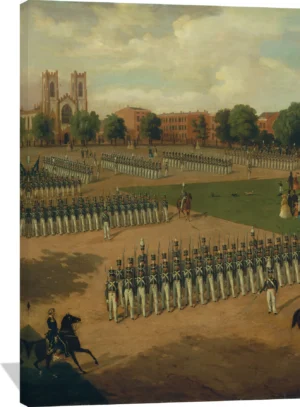
222,00 leiSelect options This product has multiple variants. The options may be chosen on the product pageSeventh Regiment on Review, Washington Square, New York
Otto BoetticherCanvas from
222,00 leiSelect options This product has multiple variants. The options may be chosen on the product pageJames Badger
Joseph BadgerCanvas from
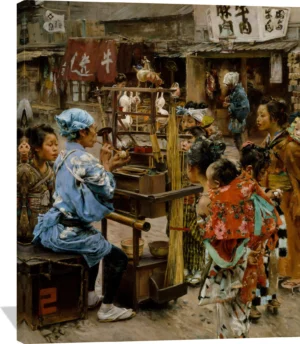
142,00 leiSelect options This product has multiple variants. The options may be chosen on the product pageThe Ameya
Robert Frederick BlumCanvas from
142,00 leiSelect options This product has multiple variants. The options may be chosen on the product page
Explore Portraits
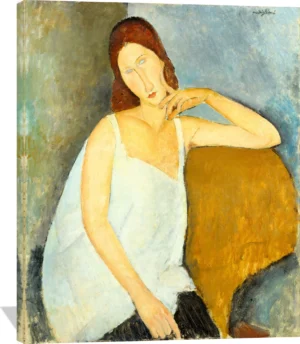
Jeanne Hébuterne
Amedeo ModiglianiCanvas from
142,00 leiSelect options This product has multiple variants. The options may be chosen on the product pageGirl in a Sailor’s Blouse
Amedeo ModiglianiCanvas from
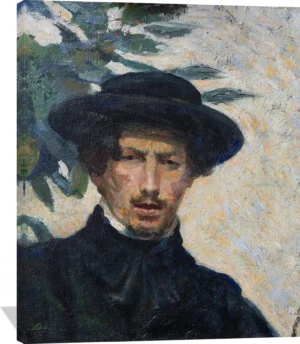
147,00 leiSelect options This product has multiple variants. The options may be chosen on the product pageSelf-Portrait
Umberto BoccioniCanvas from
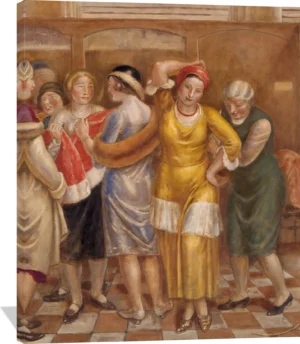
142,00 leiSelect options This product has multiple variants. The options may be chosen on the product pageThe Fitting Room
Kenneth Hayes MillerCanvas from
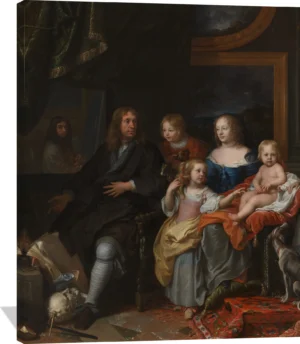
142,00 leiSelect options This product has multiple variants. The options may be chosen on the product pageThe Jabach Family
Charles Le BrunCanvas from
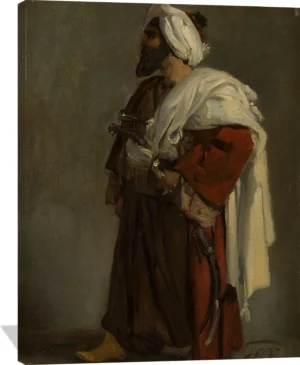
142,00 leiSelect options This product has multiple variants. The options may be chosen on the product pageArab Warrior
Horace VernetCanvas from
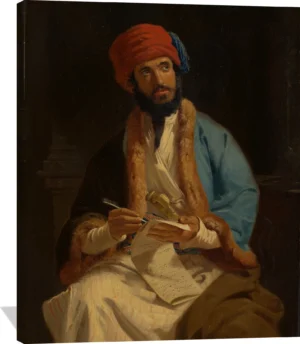
147,00 leiSelect options This product has multiple variants. The options may be chosen on the product pageThe Arab Sage
German PainterCanvas from
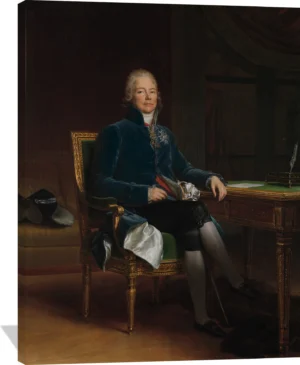
142,00 leiSelect options This product has multiple variants. The options may be chosen on the product pageCharles Maurice de Talleyrand Périgord (1754–1838), Prince de Bénévent
baron François GérardCanvas from
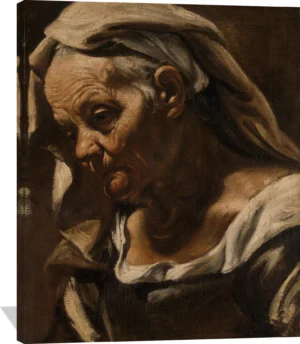
147,00 leiSelect options This product has multiple variants. The options may be chosen on the product pageHead of an Old Woman
Orazio BorgianniCanvas from
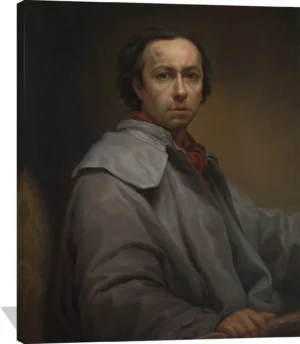
142,00 leiSelect options This product has multiple variants. The options may be chosen on the product pageSelf-Portrait
Anton Raphael MengsCanvas from
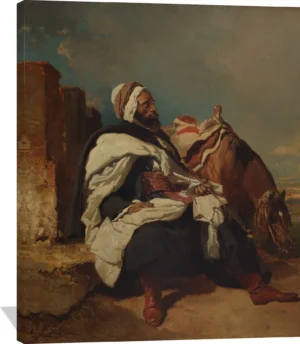
142,00 leiSelect options This product has multiple variants. The options may be chosen on the product pageSeated Arab Man with Horse
Alfred DedreuxCanvas from
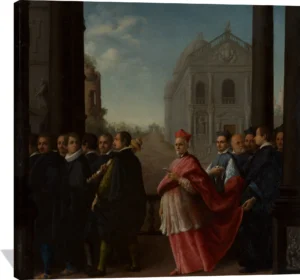
142,00 leiSelect options This product has multiple variants. The options may be chosen on the product pageA Cardinal’s Procession
Ottavio Leoni (Il Padovano)Canvas from
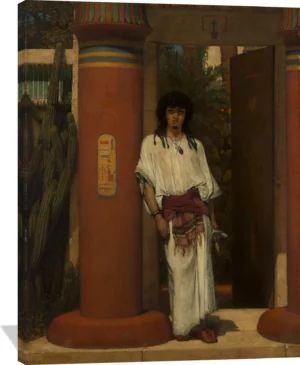
195,00 leiSelect options This product has multiple variants. The options may be chosen on the product pageAn Egyptian in a Doorway
Sir Lawrence Alma-TademaCanvas from
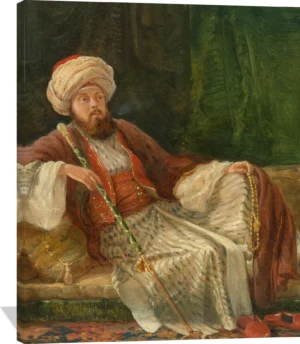
147,00 leiSelect options This product has multiple variants. The options may be chosen on the product pageWestern Gentleman in Oriental Costume
British PainterCanvas from
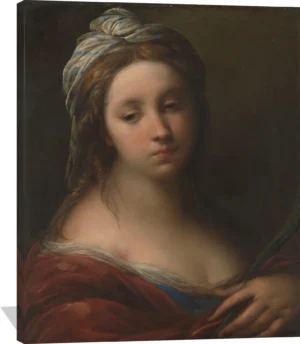
142,00 leiSelect options This product has multiple variants. The options may be chosen on the product pageA Female Martyr Saint
Carlo Francesco NuvoloneCanvas from
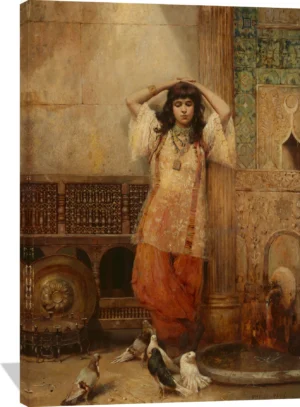
142,00 leiSelect options This product has multiple variants. The options may be chosen on the product pageGirl in a Courtyard, Algiers (formerly Courtyard in Tangier)
Philippe PavyCanvas from
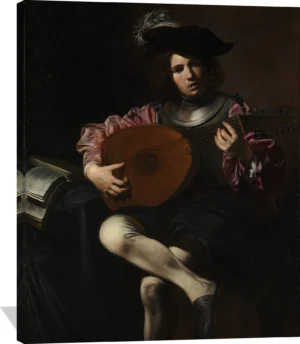
222,00 leiSelect options This product has multiple variants. The options may be chosen on the product pageLute Player
Valentin de BoulogneCanvas from
142,00 leiSelect options This product has multiple variants. The options may be chosen on the product pageThe Opium Smokers
Georges ClairinCanvas from
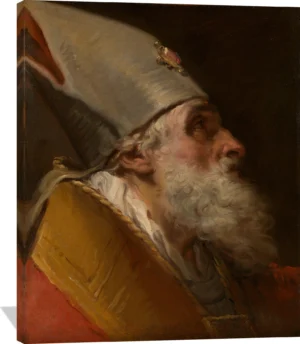
195,00 leiSelect options This product has multiple variants. The options may be chosen on the product pageHead of a Bishop
Gaetano GandolfiCanvas from
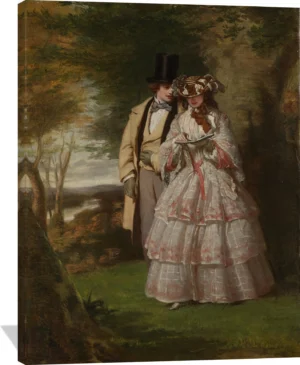
142,00 leiSelect options This product has multiple variants. The options may be chosen on the product pageThe Two Central Figures in “Derby Day”
William Powell FrithCanvas from
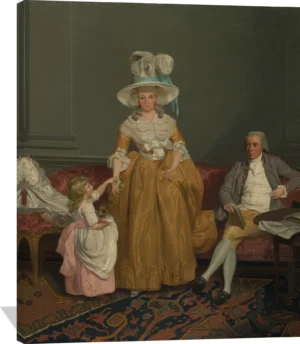
147,00 leiSelect options This product has multiple variants. The options may be chosen on the product pageThe Saithwaite Family
Francis WheatleyCanvas from
142,00 leiSelect options This product has multiple variants. The options may be chosen on the product page

Explore Rococo
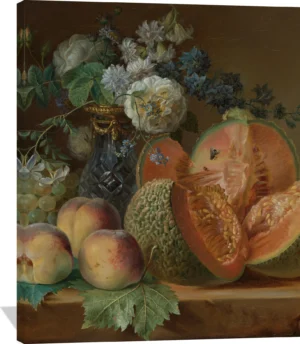
Still Life with a Vase of Flowers, Melon, Peaches, and Grapes
Charlotte Eustache Sophie de Fuligny Damas, marquise de GrollierCanvas from
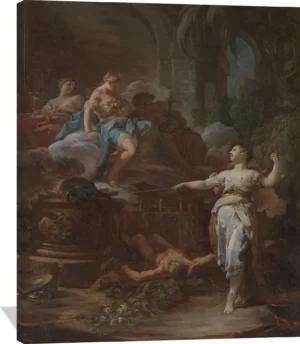
142,00 leiSelect options This product has multiple variants. The options may be chosen on the product pageMedea Rejuvenating Aeson
Corrado GiaquintoCanvas from
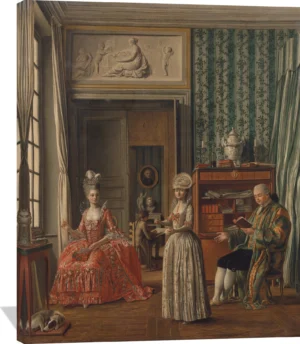
142,00 leiSelect options This product has multiple variants. The options may be chosen on the product pageThe Servant Justified
Nicolas LancretCanvas from
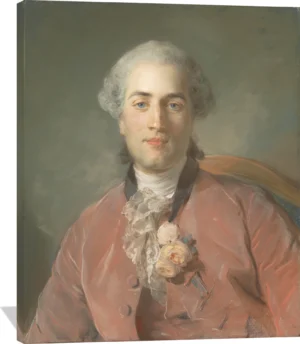
142,00 leiSelect options This product has multiple variants. The options may be chosen on the product pageOlivier Journu (1724–1783)
Jean-Baptiste PerronneauCanvas from
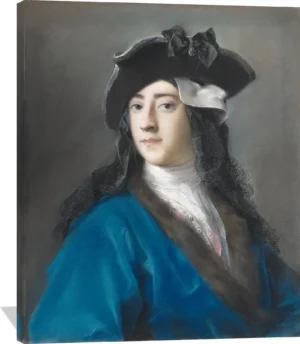
142,00 leiSelect options This product has multiple variants. The options may be chosen on the product pageGustavus Hamilton (1710–1746), Second Viscount Boyne, in Masquerade Costume
Rosalba CarrieraCanvas from
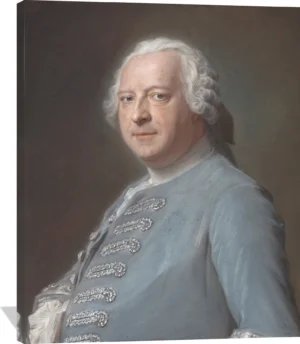
142,00 leiSelect options This product has multiple variants. The options may be chosen on the product pageJean Charles Garnier d’Isle (1697–1755)
Maurice Quentin de La TourCanvas from
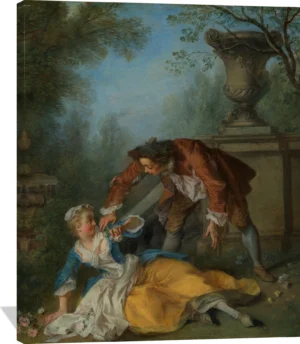
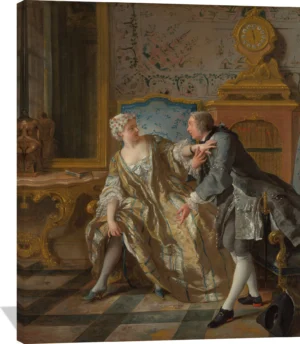
142,00 leiSelect options This product has multiple variants. The options may be chosen on the product pageThe Garter
Jean François de TroyCanvas from
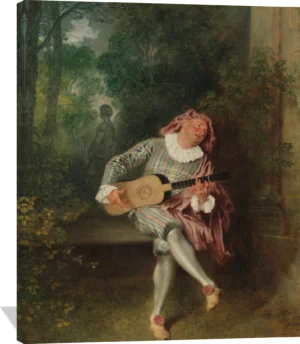
142,00 leiSelect options This product has multiple variants. The options may be chosen on the product pageMezzetin
Antoine WatteauCanvas from
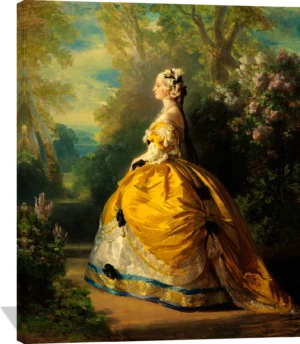
142,00 leiSelect options This product has multiple variants. The options may be chosen on the product pageThe Empress Eugénie (Eugénie de Montijo, 1826–1920, Condesa de Teba)
Franz Xaver WinterhalterCanvas from
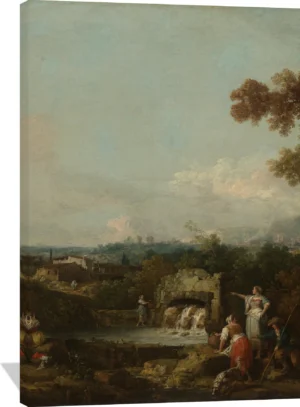
142,00 leiSelect options This product has multiple variants. The options may be chosen on the product pageLandscape with Peasants at a Fountain
Francesco ZuccarelliCanvas from
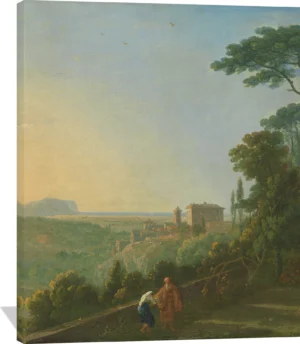
222,00 leiSelect options This product has multiple variants. The options may be chosen on the product pageLake Nemi and Genzano from the Terrace of the Capuchin Monastery
Richard WilsonCanvas from
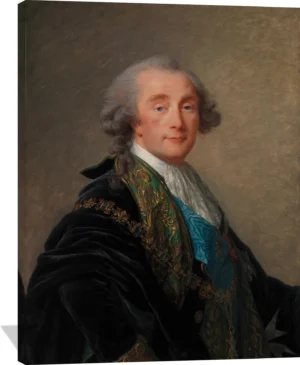
142,00 leiSelect options This product has multiple variants. The options may be chosen on the product pageAlexandre Charles Emmanuel de Crussol-Florensac (1743–1815)
Elisabeth Louise Vigée Le BrunCanvas from
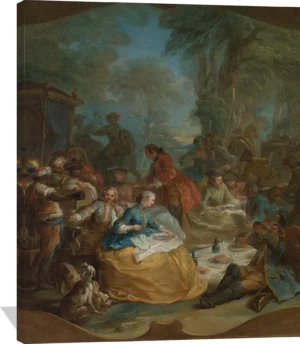
147,00 leiSelect options This product has multiple variants. The options may be chosen on the product pageHalt of the Hunt
Carle (Charles André) VanlooCanvas from
142,00 leiSelect options This product has multiple variants. The options may be chosen on the product pageJean Marc Nattier (1685–1766)
Louis TocquéCanvas from
142,00 leiSelect options This product has multiple variants. The options may be chosen on the product pageComedy
Pierre Charles TrémolièresCanvas from
142,00 leiSelect options This product has multiple variants. The options may be chosen on the product pageThe Investiture of Bishop Harold as Duke of Franconia
Giovanni Battista TiepoloCanvas from
147,00 leiSelect options This product has multiple variants. The options may be chosen on the product pageA Dance in the Country
Giovanni Domenico TiepoloCanvas from
222,00 leiSelect options This product has multiple variants. The options may be chosen on the product pageDomestic Scene
German PainterCanvas from
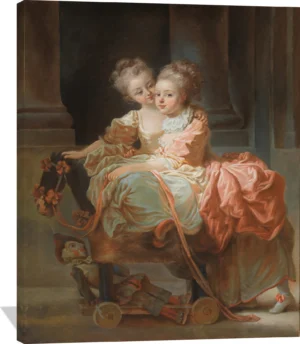
142,00 leiSelect options This product has multiple variants. The options may be chosen on the product pageThe Two Sisters
Jean Claude Richard, Abbé de Saint-NonCanvas from
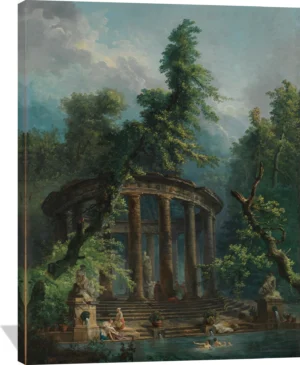
142,00 leiSelect options This product has multiple variants. The options may be chosen on the product pageThe Bathing Pool
Hubert RobertCanvas from
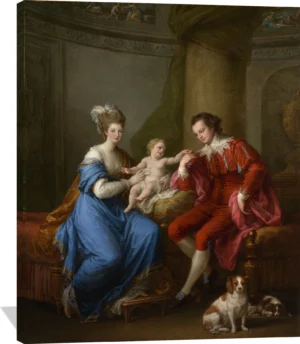
147,00 leiSelect options This product has multiple variants. The options may be chosen on the product pageEdward Smith Stanley (1752–1834), Twelfth Earl of Derby, Elizabeth, Countess of Derby (Lady Elizabeth Hamilton, 1753–1797), and Their Son (Edward Smith Stanley, 1775–1851)
Angelica KauffmannCanvas from
142,00 leiSelect options This product has multiple variants. The options may be chosen on the product page
Explore Fairy
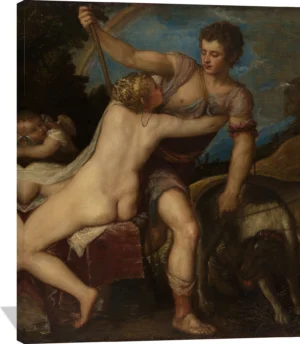
Venus and Adonis
Titian (Tiziano Vecellio)Canvas from
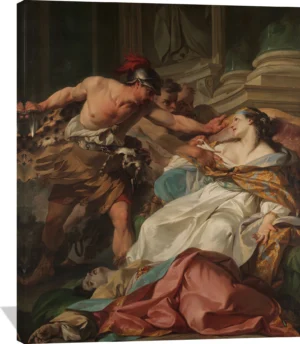
142,00 leiSelect options This product has multiple variants. The options may be chosen on the product pageThe Death of Harmonia
Jean-Baptiste Marie PierreCanvas from
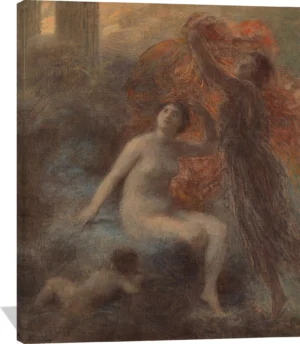
142,00 leiSelect options This product has multiple variants. The options may be chosen on the product pageThe Palace of Aurora
Henri Fantin-LatourCanvas from
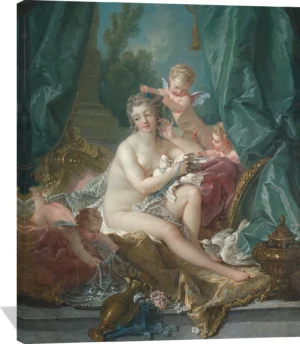
142,00 leiSelect options This product has multiple variants. The options may be chosen on the product pageThe Toilette of Venus
François BoucherCanvas from
142,00 leiSelect options This product has multiple variants. The options may be chosen on the product pageThe Disillusioned Medea
Paulus BorCanvas from
147,00 leiSelect options This product has multiple variants. The options may be chosen on the product pagePygmalion and Galatea as Infants
French PainterCanvas from
195,00 leiSelect options This product has multiple variants. The options may be chosen on the product pageThe Temptation of Eros
Angelica KauffmannCanvas from
142,00 leiSelect options This product has multiple variants. The options may be chosen on the product pageThe Victory of Eros
Angelica KauffmannCanvas from
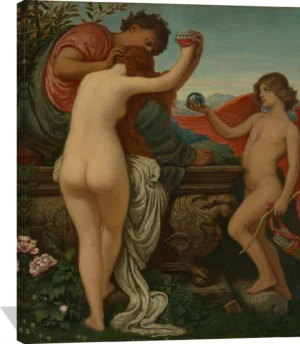
142,00 leiSelect options This product has multiple variants. The options may be chosen on the product pageThe Cup of Love
Elihu VedderCanvas from
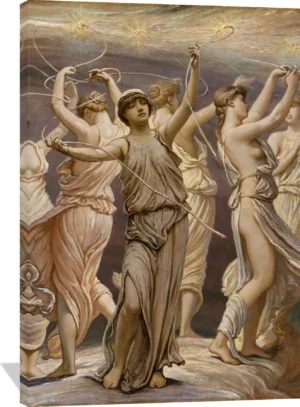
142,00 leiSelect options This product has multiple variants. The options may be chosen on the product pageThe Pleiades
Elihu VedderCanvas from
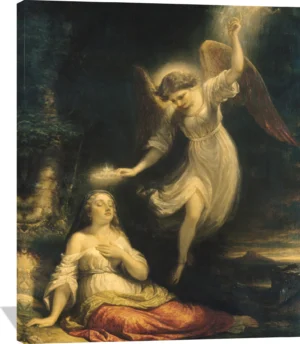
222,00 leiSelect options This product has multiple variants. The options may be chosen on the product pageMercy’s Dream
Daniel HuntingtonCanvas from
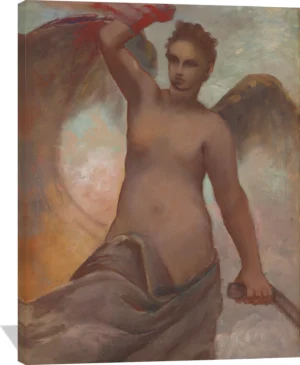
142,00 leiSelect options This product has multiple variants. The options may be chosen on the product pageFortune: A Study for “The Discoverer”
William Morris HuntCanvas from
147,00 leiSelect options This product has multiple variants. The options may be chosen on the product page