View from Mount Holyoke, Northampton, Massachusetts, after a Thunderstorm—The Oxbow
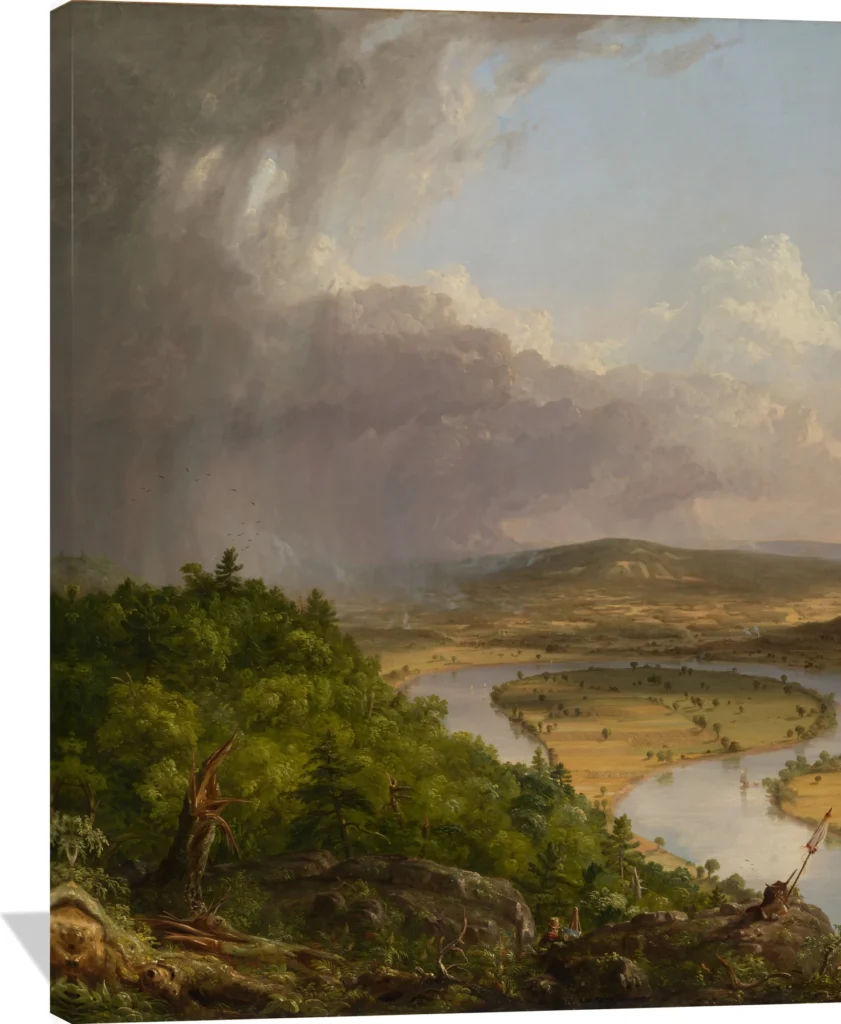
The Thomas Cole View from Mount Holyoke, Northampton, Massachusetts, after a Thunderstorm—The Oxbow canvas captures the breathtaking contrast between storm and serenity. Sweeping clouds roll over lush green hills and a winding river bathed in soft golden light, creating a powerful sense of renewal and awe. Rich tones of emerald, slate gray, and sky blue bring depth and drama to this panoramic landscape.
This museum-quality wall art embodies the grandeur of the American wilderness and the harmony between nature’s wildness and calm. Perfect for a living room, study, or entryway, this timeless canvas print invites reflection and elevates any space with its luminous balance of storm and sunlight.
Thomas Cole (American, Lancashire 1801–1848 Catskill, New York) was a pioneering figure of the Hudson River School and a foundational voice in nineteenth‑century American landscape painting. His work helped define a new artistic identity for the young nation, emphasizing the sublime grandeur of the natural world and the spiritual resonance found within it.
Artistic Style
Cole is best known for his dramatic, meticulously rendered landscapes that blend realistic detail with imaginative, often allegorical elements. His paintings combine crisp natural observation with sweeping atmospheric effects, creating vistas that feel both intimate and monumental. This distinctive synthesis of realism and romanticism became a hallmark of the Hudson River School and established Cole as its undisputed founder.
Subjects and Themes
Cole frequently depicted the untamed wilderness of the northeastern United States, capturing mountains, rivers, and forests with a reverence that reflected both environmental awareness and philosophical depth. Many of his works explore themes of nature’s purity, the passage of time, and the tension between civilization and the natural world. His celebrated cycles, including narratives such as The Course of Empire, use landscape as a stage for broader meditations on human ambition and decline.
Cultural and Historical Significance
As one of the first major landscape painters in America, Cole played a pivotal role in shaping the nation’s visual culture. His paintings encouraged viewers to see the American landscape not merely as scenery, but as a source of identity, contemplation, and moral insight. Through his influence on students and contemporaries, he helped establish the tradition of American landscape art as a distinctive and enduring pillar of the country’s artistic heritage. His legacy endures in the continued appreciation of the natural world as a subject of both beauty and profound meaning, a perspective he articulated with exceptional vision and enduring poetic power.
Trust & policies
- 🚚 Free worldwide shipping
- 🔁 30-day returns (change of mind)
- 🛡️ If damaged/defective/misprinted: free replacement or full refund
- 🌍 Printed in US/CA/EU/UK/AU (based on delivery location)
- 💎 Made to order using acid-free, fade-resistant canvas
- 💎 Solid wood stretcher bars • Pine floating frames
- 🪝 Ready to hang

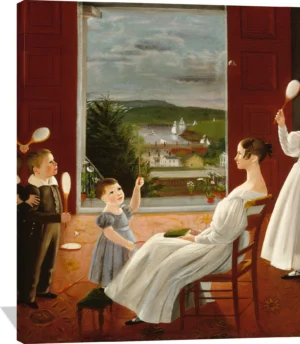
The Children of Nathan Starr
Ambrose AndrewsCanvas from
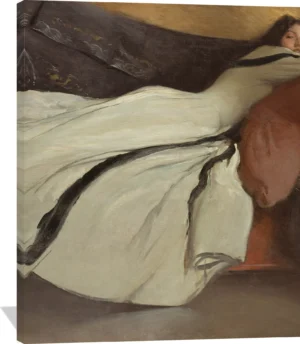
32,00 $Select options This product has multiple variants. The options may be chosen on the product pageRepose
John White AlexanderCanvas from
32,00 $Select options This product has multiple variants. The options may be chosen on the product pageMerced River, Yosemite Valley
Albert BierstadtCanvas from
33,00 $Select options This product has multiple variants. The options may be chosen on the product pageJanet Halleck Drake
Henry InmanCanvas from
32,00 $Select options This product has multiple variants. The options may be chosen on the product pageSea Cove
Albert BierstadtCanvas from
33,00 $Select options This product has multiple variants. The options may be chosen on the product pageView at Amalfi, Bay of Salerno
George Loring BrownCanvas from
50,00 $Select options This product has multiple variants. The options may be chosen on the product pageAfter a Long Cruise
John CarlinCanvas from
50,00 $Select options This product has multiple variants. The options may be chosen on the product pageStudy in Green and Black
John White AlexanderCanvas from
32,00 $Select options This product has multiple variants. The options may be chosen on the product pageWalt Whitman
John White AlexanderCanvas from
32,00 $Select options This product has multiple variants. The options may be chosen on the product pageMrs. Samuel Cutts
Joseph BlackburnCanvas from
32,00 $Select options This product has multiple variants. The options may be chosen on the product pageAdult Funeral Procession
William P. ChappelCanvas from
50,00 $Select options This product has multiple variants. The options may be chosen on the product pageLake of Orta
J. Carroll BeckwithCanvas from
32,00 $Select options This product has multiple variants. The options may be chosen on the product pageEmma Homan
John BradleyCanvas from
32,00 $Select options This product has multiple variants. The options may be chosen on the product pageThe Way They Live
Thomas AnshutzCanvas from
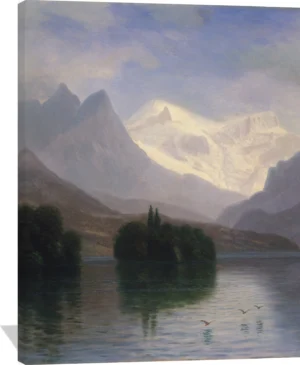
33,00 $Select options This product has multiple variants. The options may be chosen on the product pageMountain Scene
Albert BierstadtCanvas from
33,00 $Select options This product has multiple variants. The options may be chosen on the product pageThe Pipe Dance
Ralph Albert BlakelockCanvas from
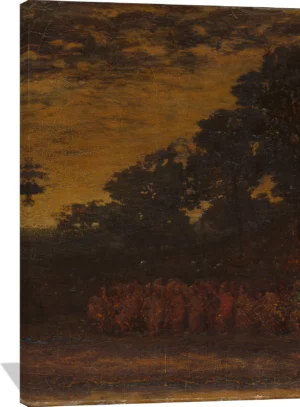
50,00 $Select options This product has multiple variants. The options may be chosen on the product pageLandscape
Ralph Albert BlakelockCanvas from
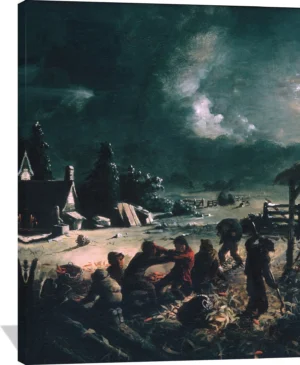
33,00 $Select options This product has multiple variants. The options may be chosen on the product pageCorn Husking
David Gilmour BlytheCanvas from
33,00 $Select options This product has multiple variants. The options may be chosen on the product pageThe Music Lesson
John George BrownCanvas from
32,00 $Select options This product has multiple variants. The options may be chosen on the product pageMeditation
John George BrownCanvas from
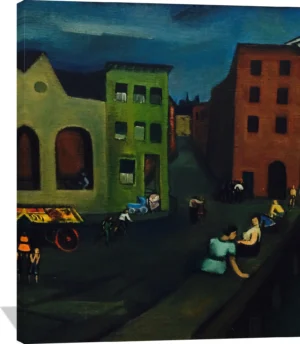
32,00 $Select options This product has multiple variants. The options may be chosen on the product pageView from the Artist’s Window, Grove Street
Robert Frederick BlumCanvas from
32,00 $Select options This product has multiple variants. The options may be chosen on the product pageMrs. David Chesebrough
Joseph BlackburnCanvas from
32,00 $Select options This product has multiple variants. The options may be chosen on the product page
Explore Thomas Cole
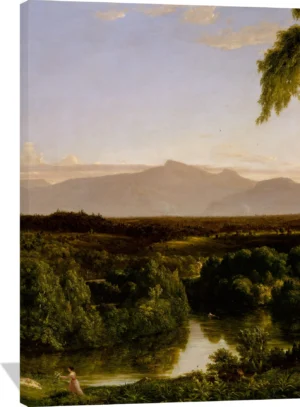
View on the Catskill—Early Autumn
Thomas ColeCanvas from
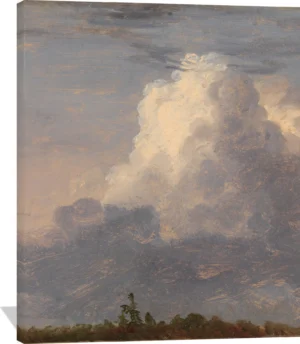
50,00 $Select options This product has multiple variants. The options may be chosen on the product pageClouds
Thomas ColeCanvas from
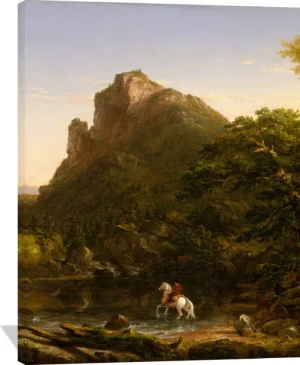
32,00 $Select options This product has multiple variants. The options may be chosen on the product pageThe Mountain Ford
Thomas ColeCanvas from
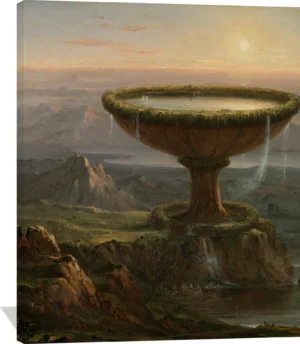
33,00 $Select options This product has multiple variants. The options may be chosen on the product pageThe Titan’s Goblet
Thomas ColeCanvas from
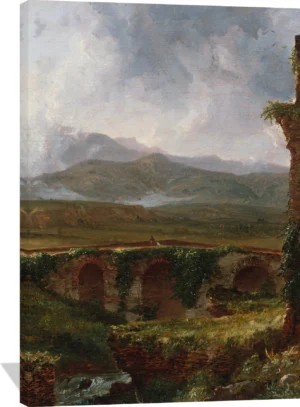
32,00 $Select options This product has multiple variants. The options may be chosen on the product pageA View near Tivoli (Morning)
Thomas ColeCanvas from
50,00 $Select options This product has multiple variants. The options may be chosen on the product pageView on the Catskill—Early Autumn
Thomas ColeCanvas from
50,00 $Select options This product has multiple variants. The options may be chosen on the product page
Explore Landscapes
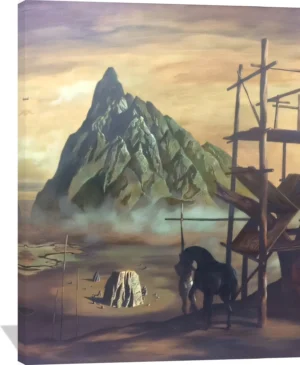
The Black Horse
John AthertonCanvas from
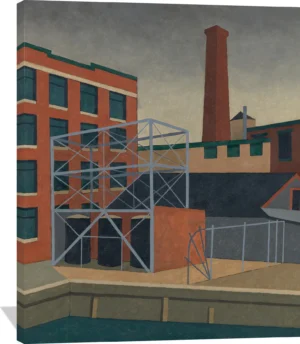
33,00 $Select options This product has multiple variants. The options may be chosen on the product pageWaterfront Mill
Niles SpencerCanvas from
32,00 $Select options This product has multiple variants. The options may be chosen on the product pageDocks on Sunday
Joseph De MartiniCanvas from
32,00 $Select options This product has multiple variants. The options may be chosen on the product pageThe North Cape by Moonlight
Peder BalkeCanvas from
32,00 $Select options This product has multiple variants. The options may be chosen on the product pageChrysanthemums in the Garden at Petit-Gennevilliers
Gustave CaillebotteCanvas from
50,00 $Select options This product has multiple variants. The options may be chosen on the product pageStudy of Palm Trees
Jean-Léon GérômeCanvas from
32,00 $Select options This product has multiple variants. The options may be chosen on the product pageA Section of the Via Sacra, Rome (The Church of Saints Cosmas and Damian)
Christoffer Wilhelm EckersbergCanvas from
33,00 $Select options This product has multiple variants. The options may be chosen on the product pageLandscape with Figures
Kenneth Hayes MillerCanvas from
32,00 $Select options This product has multiple variants. The options may be chosen on the product pageThe Great Pyramid, Giza
Adrien DauzatsCanvas from
32,00 $Select options This product has multiple variants. The options may be chosen on the product pageVirgil’s Tomb by Moonlight, with Silius Italicus Declaiming
Joseph Wright (Wright of Derby)Canvas from
32,00 $Select options This product has multiple variants. The options may be chosen on the product pageView over Hallingdal
Johan Christian DahlCanvas from
50,00 $Select options This product has multiple variants. The options may be chosen on the product pageWedding Procession
Victor EeckhoutCanvas from
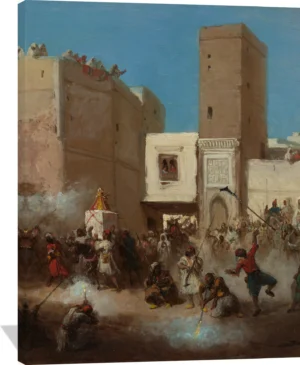
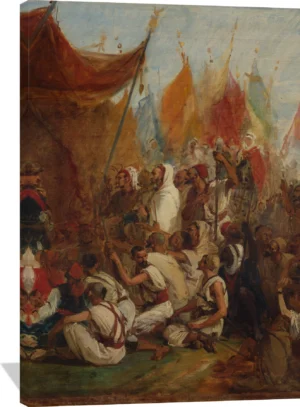
33,00 $Select options This product has multiple variants. The options may be chosen on the product pageSketch for “Reception of Emperor Napoleon III and Empress Eugénie by the Kabyle Leaders at Algiers on September 18, 1860”
Isidore PilsCanvas from
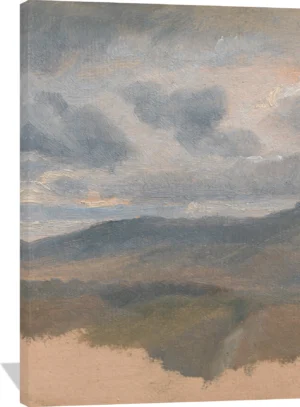
50,00 $Select options This product has multiple variants. The options may be chosen on the product pageLandscape Study with Clouds
Emile LoubonCanvas from
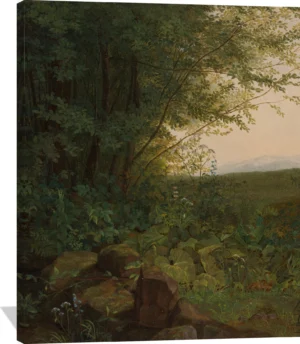
50,00 $Select options This product has multiple variants. The options may be chosen on the product pageAt the Edge of the Forest
August HeinrichCanvas from
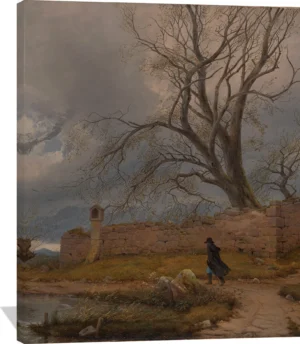
32,00 $Select options This product has multiple variants. The options may be chosen on the product pageWanderer in the Storm
Julius von LeypoldCanvas from
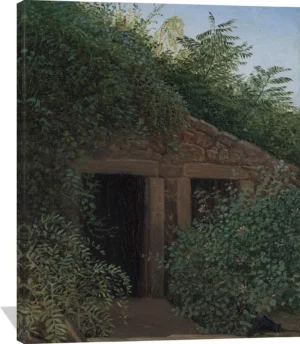
32,00 $Select options This product has multiple variants. The options may be chosen on the product pageAn Overgrown Mineshaft
Carl Gustav CarusCanvas from
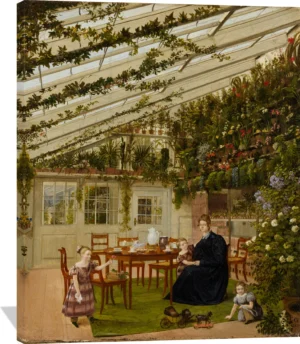
32,00 $Select options This product has multiple variants. The options may be chosen on the product pageThe Family of Mr. Westphal in the Conservatory
Eduard GaertnerCanvas from
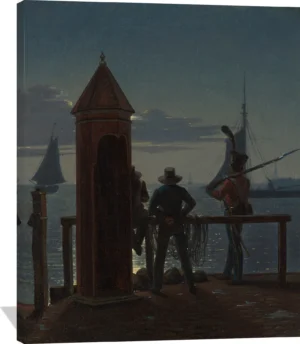
32,00 $Select options This product has multiple variants. The options may be chosen on the product pageView from the Citadel Ramparts in Copenhagen by Moonlight
Martinus RørbyeCanvas from
32,00 $Select options This product has multiple variants. The options may be chosen on the product pageThe Cemetery at Pronoia near Nauplia
Carl RottmannCanvas from
32,00 $Select options This product has multiple variants. The options may be chosen on the product pageColumns of the Temple of Neptune at Paestum
Constantin HansenCanvas from
32,00 $Select options This product has multiple variants. The options may be chosen on the product page
Explore Symbolic
Heroic Landscape with Rainbow
Joseph Anton KochCanvas from
32,00 $Select options This product has multiple variants. The options may be chosen on the product pageTwo Men Contemplating the Moon
Caspar David FriedrichCanvas from
32,00 $Select options This product has multiple variants. The options may be chosen on the product pageThe Chariot of Apollo
Odilon RedonCanvas from
32,00 $Select options This product has multiple variants. The options may be chosen on the product pageLiberty
Canvas from
33,00 $Select options This product has multiple variants. The options may be chosen on the product pageLiberty
Chinese PainterCanvas from
33,00 $Select options This product has multiple variants. The options may be chosen on the product pageEtruscan Vase with Flowers
Odilon RedonCanvas from
32,00 $Select options This product has multiple variants. The options may be chosen on the product pageThe Shepherd’s Song
Pierre Puvis de ChavannesCanvas from
44,00 $Select options This product has multiple variants. The options may be chosen on the product pagePater Patriae
Canvas from
33,00 $Select options This product has multiple variants. The options may be chosen on the product pageFortune: A Study for “The Discoverer”
William Morris HuntCanvas from
33,00 $Select options This product has multiple variants. The options may be chosen on the product page
Explore Rural Scenes
A Man and a Woman on Horseback
Philips WouwermanCanvas from
32,00 $Select options This product has multiple variants. The options may be chosen on the product pageLandscape with Peasants at a Fountain
Francesco ZuccarelliCanvas from
50,00 $Select options This product has multiple variants. The options may be chosen on the product pageGoing Home
Fritz von UhdeCanvas from
32,00 $Select options This product has multiple variants. The options may be chosen on the product pageGoing to Market
Constant TroyonCanvas from
32,00 $Select options This product has multiple variants. The options may be chosen on the product pageLandscape with Cattle
Jacob van StrijCanvas from
32,00 $Select options This product has multiple variants. The options may be chosen on the product pageThe Third Duke of Dorset’s Hunter with a Groom and a Dog
George StubbsCanvas from
32,00 $Select options This product has multiple variants. The options may be chosen on the product pagePeasants Dancing and Feasting
David Teniers the YoungerCanvas from
32,00 $Select options This product has multiple variants. The options may be chosen on the product pageLandscape with a Village in the Distance
Jacob van RuisdaelCanvas from
33,00 $Select options This product has multiple variants. The options may be chosen on the product pageThe Banks of the Bièvre near Bicêtre
Henri Rousseau (le Douanier)Canvas from
32,00 $Select options This product has multiple variants. The options may be chosen on the product pagePreparing for Christmas (Plucking Turkeys)
Francis William EdmondsCanvas from
32,00 $Select options This product has multiple variants. The options may be chosen on the product pageOn the Old Sod
William MagrathCanvas from
32,00 $Select options This product has multiple variants. The options may be chosen on the product pageCamp Fire
Winslow HomerCanvas from
50,00 $Select options This product has multiple variants. The options may be chosen on the product pageRed School House (Country Scene)
George Henry DurrieCanvas from
33,00 $Select options This product has multiple variants. The options may be chosen on the product pagePicquigny
Frits ThaulowCanvas from
32,00 $Select options This product has multiple variants. The options may be chosen on the product pageRoman Landscape with a Shepherd and Sheep
Giovanni Benedetto Castiglione (Il Grechetto)Canvas from
44,00 $Select options This product has multiple variants. The options may be chosen on the product pageView in the Stables of the Villa of Maecenas, Tivoli
François Marius GranetCanvas from
32,00 $Select options This product has multiple variants. The options may be chosen on the product pageYoung Ladies of the Village
Gustave CourbetCanvas from
32,00 $Select options This product has multiple variants. The options may be chosen on the product pageRetreat from the Storm
Jean-François MilletCanvas from
32,00 $Select options This product has multiple variants. The options may be chosen on the product pageView near Rouen
Richard Parkes BoningtonCanvas from
32,00 $Select options This product has multiple variants. The options may be chosen on the product pageThe Villa Loredan, Paese
Francesco GuardiCanvas from
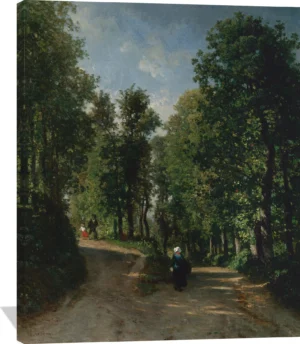
50,00 $Select options This product has multiple variants. The options may be chosen on the product pageRoad in the Woods
Constant TroyonCanvas from
32,00 $Select options This product has multiple variants. The options may be chosen on the product page