The Death of Harmonia
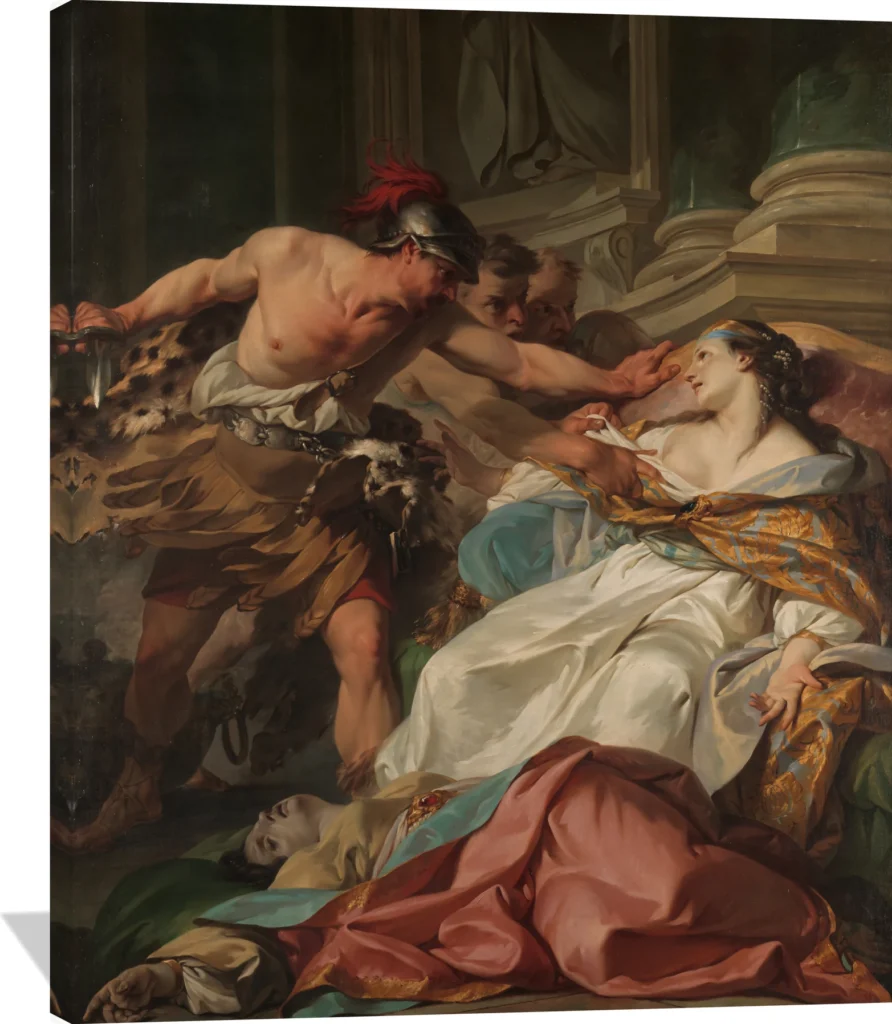
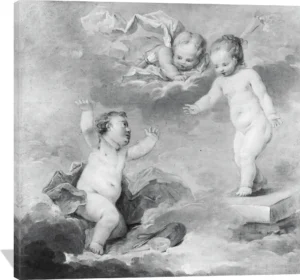
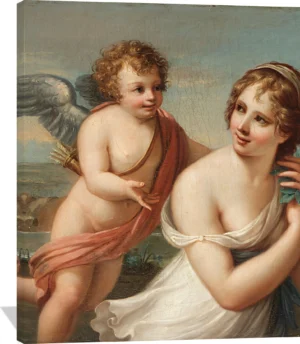
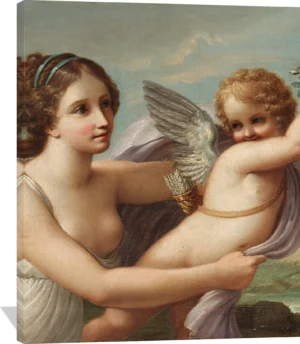
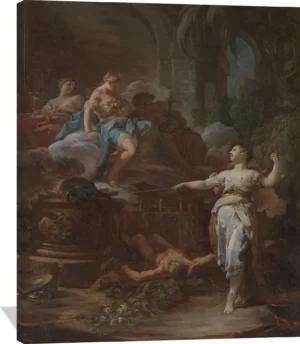
The Jean-Baptiste Marie Pierre The Death of Harmonia canvas captures a moment of mythic tragedy with masterful drama and grace. Rich tones of gold, crimson, ivory, and deep green illuminate the figures, their gestures charged with emotion against a backdrop of classical architecture. Pierre’s refined Rococo style and fluid brushwork lend both grandeur and sensitivity to this powerful composition.
This museum-quality wall art brings timeless storytelling and elegance to any interior. Perfect for a living room, study, or entryway, this exquisite canvas print transforms your space with the intensity and beauty of 18th-century French artistry.
Jean-Baptiste Marie Pierre (1714–1789) was a distinguished French painter and draftsman active in Paris, celebrated for his refined mastery of the Rococo and early Neoclassical styles. Trained within the French academic tradition, he rose to prominence for his graceful compositions, polished technique, and ability to merge elegance with narrative clarity.
Artistic Style
Pierre’s work is characterized by fluid draftsmanship, luminous color, and a delicate sense of movement. His paintings often balance decorative charm with structured classical influence, reflecting the shifting tastes of eighteenth‑century France as the ornate Rococo gave way to a more sober aesthetic. His controlled brushwork and harmonious palettes became hallmarks of his mature style.
Subjects and Themes
Pierre frequently painted mythological and allegorical scenes, creating compositions that blended idealized figures with theatrical staging. These subjects allowed him to display his talent for expressive anatomy, refined detail, and atmospheric softness. He also contributed extensively to large-scale decorative programs, producing ceiling paintings and elaborate schemes for royal and ecclesiastical settings.
Legacy and Significance
Throughout his career, Pierre held influential positions within the French art establishment, shaping the academic standards of his era. His work served as a bridge between Rococo elegance and emerging Neoclassical discipline, making him a significant figure in the visual culture of pre-Revolutionary France. Today, he is remembered for his elegant narrative vision and his ability to unite decorative beauty with classical structure, qualities that give his artworks a lasting appeal.
Trust & policies
- 🚚 Free worldwide shipping
- 🔁 30-day returns (change of mind)
- 🛡️ If damaged/defective/misprinted: free replacement or full refund
- 🌍 Printed in US/CA/EU/UK/AU (based on delivery location)
- 💎 Made to order using acid-free, fade-resistant canvas
- 💎 Solid wood stretcher bars • Pine floating frames
- 🪝 Ready to hang

Adult Funeral Procession
William P. ChappelCanvas from
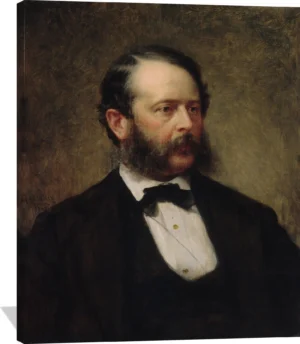
50,00 $Select options This product has multiple variants. The options may be chosen on the product pageJohn F. Kensett
George Augustus Baker Jr.Canvas from
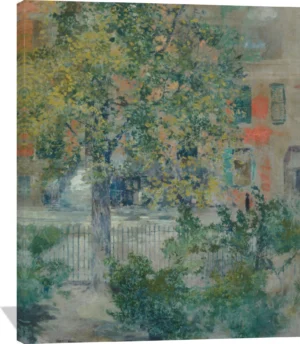
32,00 $Select options This product has multiple variants. The options may be chosen on the product pageView from the Artist’s Window, Grove Street
Robert Frederick BlumCanvas from
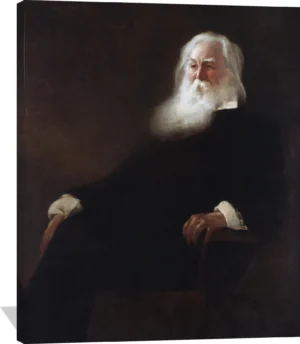
32,00 $Select options This product has multiple variants. The options may be chosen on the product pageWalt Whitman
John White AlexanderCanvas from
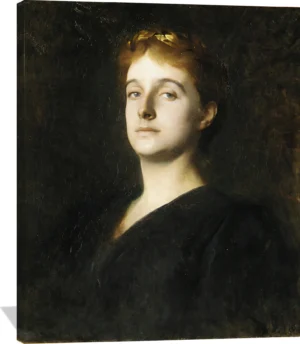
32,00 $Select options This product has multiple variants. The options may be chosen on the product pageJanet Halleck Drake
Henry InmanCanvas from
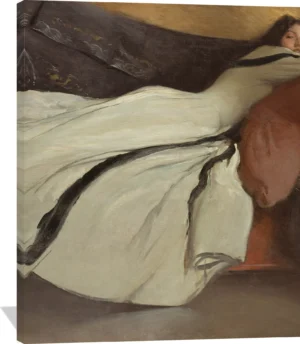
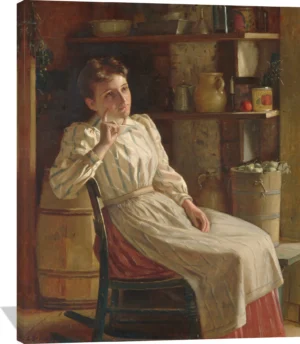
32,00 $Select options This product has multiple variants. The options may be chosen on the product pageRepose
John White AlexanderCanvas from
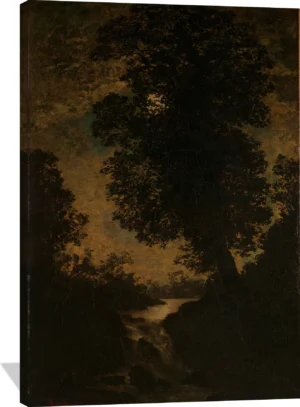
32,00 $Select options This product has multiple variants. The options may be chosen on the product pageA Waterfall, Moonlight
Ralph Albert BlakelockCanvas from
50,00 $Select options This product has multiple variants. The options may be chosen on the product pageMountain Scene
Albert BierstadtCanvas from
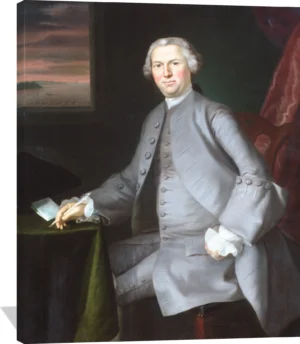
33,00 $Select options This product has multiple variants. The options may be chosen on the product pageSamuel Cutts
Joseph BlackburnCanvas from
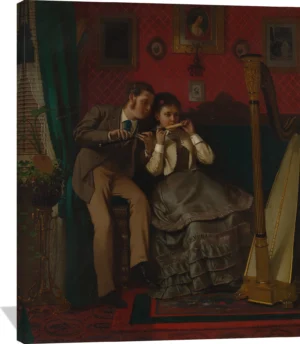
32,00 $Select options This product has multiple variants. The options may be chosen on the product pageThe Music Lesson
John George BrownCanvas from
32,00 $Select options This product has multiple variants. The options may be chosen on the product pageEleanor Hardy Bunker
Dennis Miller BunkerCanvas from
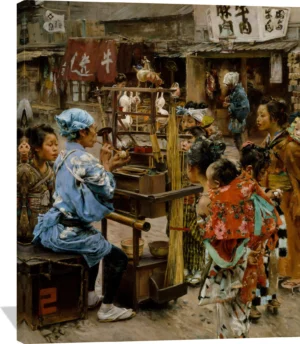
32,00 $Select options This product has multiple variants. The options may be chosen on the product pageThe Ameya
Robert Frederick BlumCanvas from
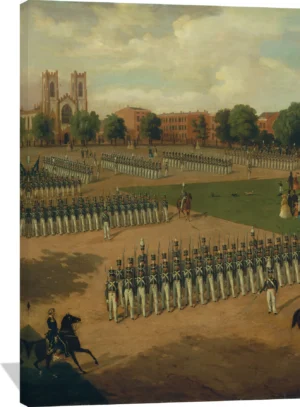
32,00 $Select options This product has multiple variants. The options may be chosen on the product pageSeventh Regiment on Review, Washington Square, New York
Otto BoetticherCanvas from
50,00 $Select options This product has multiple variants. The options may be chosen on the product pageLake of Orta
J. Carroll BeckwithCanvas from
32,00 $Select options This product has multiple variants. The options may be chosen on the product pageMeditation
John George BrownCanvas from
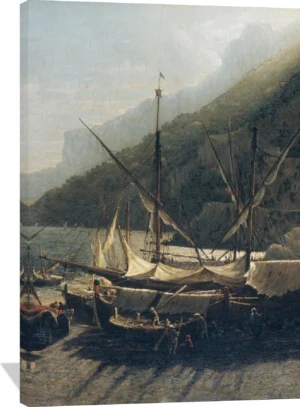
32,00 $Select options This product has multiple variants. The options may be chosen on the product pageView at Amalfi, Bay of Salerno
George Loring BrownCanvas from
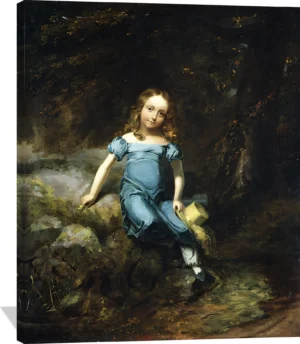
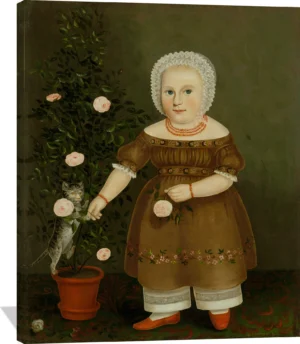
50,00 $Select options This product has multiple variants. The options may be chosen on the product pageEmma Homan
John BradleyCanvas from
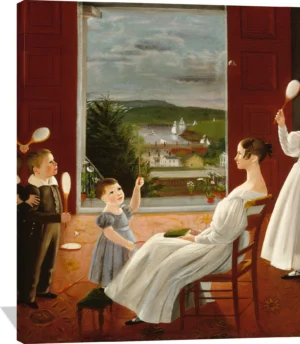
32,00 $Select options This product has multiple variants. The options may be chosen on the product pageThe Children of Nathan Starr
Ambrose AndrewsCanvas from
32,00 $Select options This product has multiple variants. The options may be chosen on the product pageMrs. David Chesebrough
Joseph BlackburnCanvas from
32,00 $Select options This product has multiple variants. The options may be chosen on the product pageMerced River, Yosemite Valley
Albert BierstadtCanvas from
33,00 $Select options This product has multiple variants. The options may be chosen on the product pagePhilip Van Cortlandt
Ezra AmesCanvas from
32,00 $Select options This product has multiple variants. The options may be chosen on the product pageMrs. Samuel Cutts
Joseph BlackburnCanvas from
32,00 $Select options This product has multiple variants. The options may be chosen on the product page


Explore Fantasy
Medea Rejuvenating Aeson
Corrado GiaquintoCanvas from
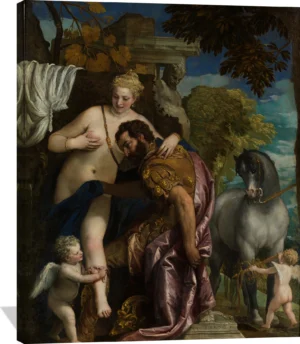
32,00 $Select options This product has multiple variants. The options may be chosen on the product pageMars and Venus United by Love
Paolo Veronese (Paolo Caliari)Canvas from
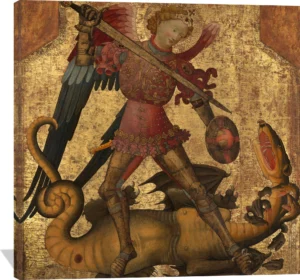
32,00 $Select options This product has multiple variants. The options may be chosen on the product pageSaint Michael and the Dragon
Spanish (Valencian) Painter(?)Canvas from
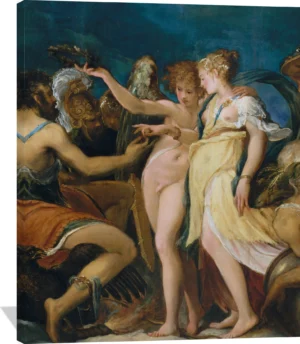
44,00 $Select options This product has multiple variants. The options may be chosen on the product pageThe Marriage of Cupid and Psyche
Andrea Schiavone (Andrea Meldola)Canvas from
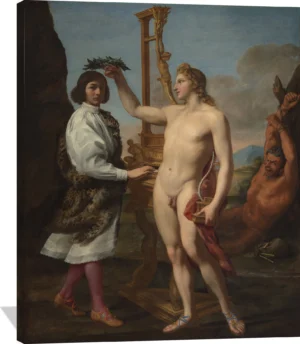
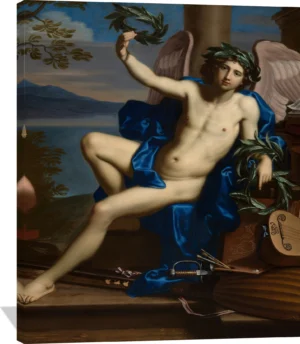
32,00 $Select options This product has multiple variants. The options may be chosen on the product pageMarcantonio Pasqualini (1614–1691) Crowned by Apollo
Andrea SacchiCanvas from
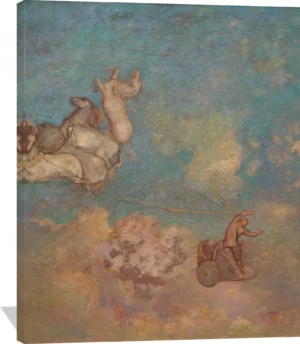
32,00 $Select options This product has multiple variants. The options may be chosen on the product pageThe Chariot of Apollo
Odilon RedonCanvas from
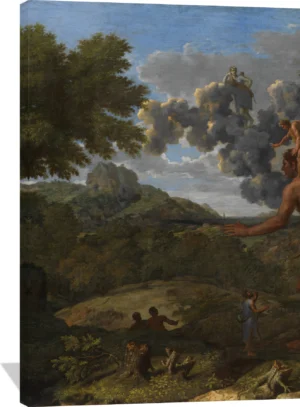
32,00 $Select options This product has multiple variants. The options may be chosen on the product pageBlind Orion Searching for the Rising Sun
Nicolas PoussinCanvas from
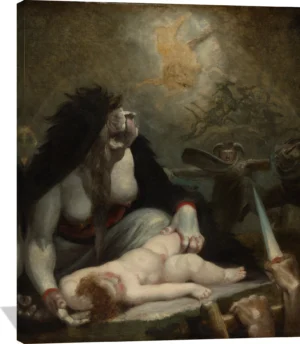
50,00 $Select options This product has multiple variants. The options may be chosen on the product pageThe Night-Hag Visiting Lapland Witches
Henry FuseliCanvas from
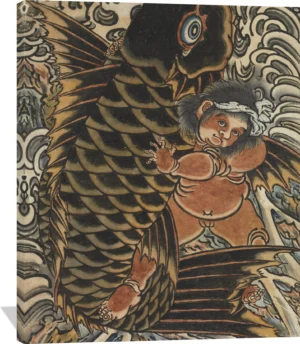
32,00 $Select options This product has multiple variants. The options may be chosen on the product pageKintaro with Carp
Canvas from
32,00 $Select options This product has multiple variants. The options may be chosen on the product pageDemons Fighting Over an Animal Limb
Canvas from
50,00 $Select options This product has multiple variants. The options may be chosen on the product pageOmnia Vincit Amor, or The Power of Love in the Three Elements
Benjamin WestCanvas from
32,00 $Select options This product has multiple variants. The options may be chosen on the product pageThe Wages of War
Henry Peters GrayCanvas from
50,00 $Select options This product has multiple variants. The options may be chosen on the product pageThe Hill of the Alhambra, Granada
Samuel ColmanCanvas from
50,00 $Select options This product has multiple variants. The options may be chosen on the product pageThe Return of Neptune
John Singleton CopleyCanvas from
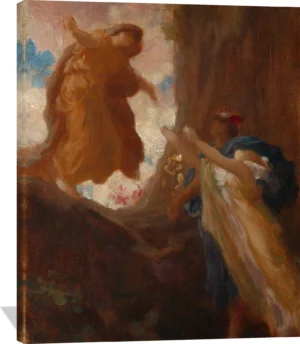
50,00 $Select options This product has multiple variants. The options may be chosen on the product pageThe Return of Persephone
Frederic, Lord LeightonCanvas from
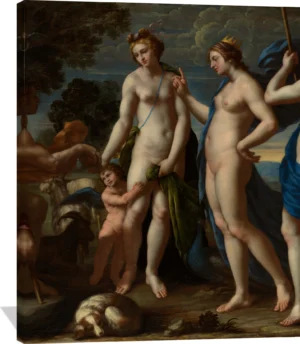
32,00 $Select options This product has multiple variants. The options may be chosen on the product pageJudgment of Paris
Alessandro TurchiCanvas from
32,00 $Select options This product has multiple variants. The options may be chosen on the product pageAllegory of Sacred and Profane Love
Michele DesubleoCanvas from
32,00 $Select options This product has multiple variants. The options may be chosen on the product pageImaginary View with a Tomb by the Lagoon
Canaletto (Giovanni Antonio Canal)Canvas from
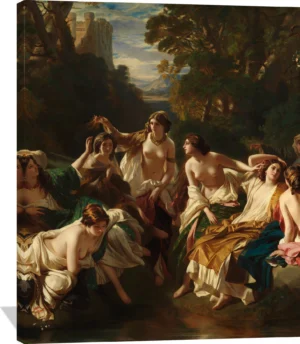
32,00 $Select options This product has multiple variants. The options may be chosen on the product pageFlorinda
Franz Xaver WinterhalterCanvas from
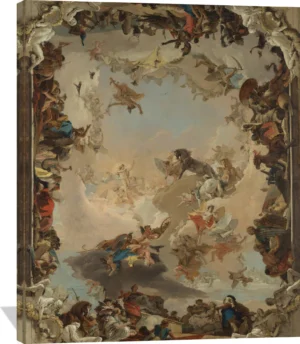
32,00 $Select options This product has multiple variants. The options may be chosen on the product pageAllegory of the Planets and Continents
Giovanni Battista TiepoloCanvas from
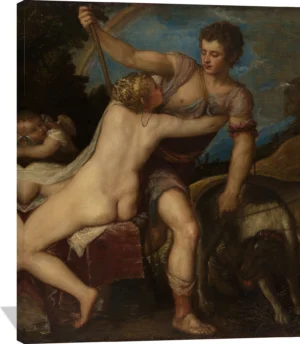
32,00 $Select options This product has multiple variants. The options may be chosen on the product pageVenus and Adonis
Titian (Tiziano Vecellio)Canvas from
32,00 $Select options This product has multiple variants. The options may be chosen on the product page


Explore Rococo
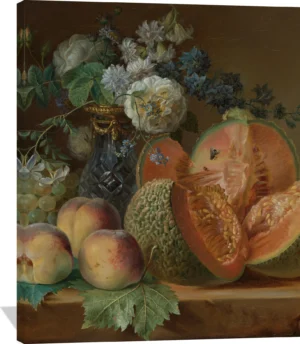
Still Life with a Vase of Flowers, Melon, Peaches, and Grapes
Charlotte Eustache Sophie de Fuligny Damas, marquise de GrollierCanvas from
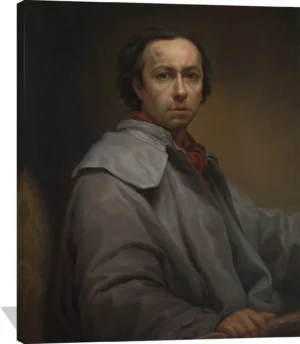
32,00 $Select options This product has multiple variants. The options may be chosen on the product pageSelf-Portrait
Anton Raphael MengsCanvas from
32,00 $Select options This product has multiple variants. The options may be chosen on the product pageThe Servant Justified
Nicolas LancretCanvas from
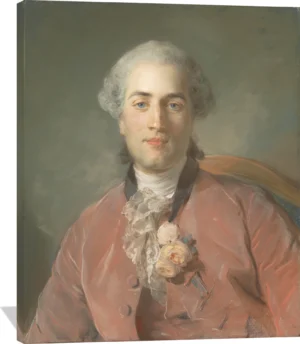
32,00 $Select options This product has multiple variants. The options may be chosen on the product pageOlivier Journu (1724–1783)
Jean-Baptiste PerronneauCanvas from
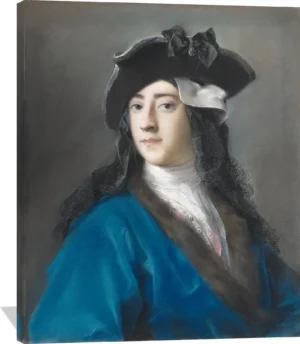
32,00 $Select options This product has multiple variants. The options may be chosen on the product pageGustavus Hamilton (1710–1746), Second Viscount Boyne, in Masquerade Costume
Rosalba CarrieraCanvas from
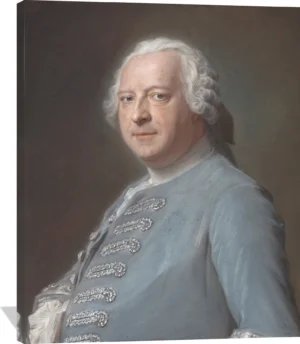
32,00 $Select options This product has multiple variants. The options may be chosen on the product pageJean Charles Garnier d’Isle (1697–1755)
Maurice Quentin de La TourCanvas from
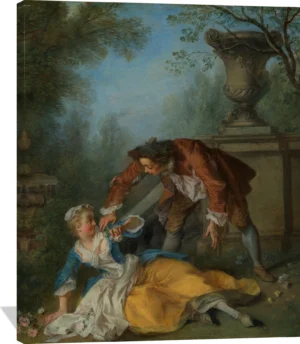
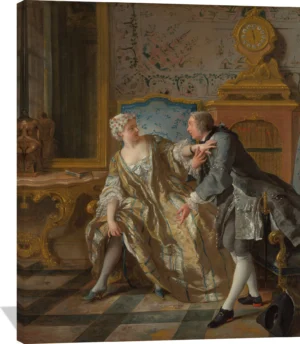
32,00 $Select options This product has multiple variants. The options may be chosen on the product pageThe Garter
Jean François de TroyCanvas from
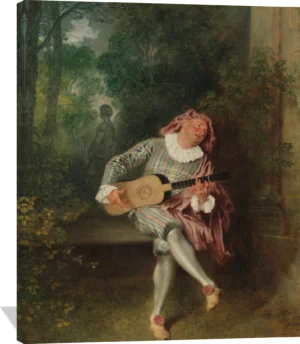
32,00 $Select options This product has multiple variants. The options may be chosen on the product pageMezzetin
Antoine WatteauCanvas from
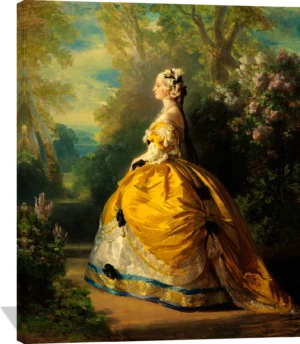
32,00 $Select options This product has multiple variants. The options may be chosen on the product pageThe Empress Eugénie (Eugénie de Montijo, 1826–1920, Condesa de Teba)
Franz Xaver WinterhalterCanvas from
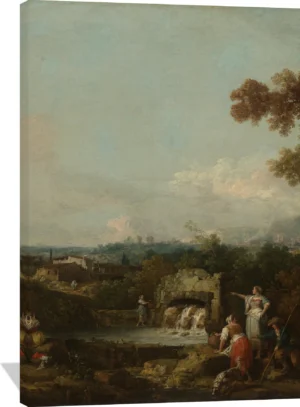
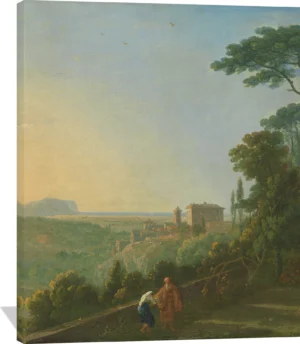
32,00 $Select options This product has multiple variants. The options may be chosen on the product pageLandscape with Peasants at a Fountain
Francesco ZuccarelliCanvas from
50,00 $Select options This product has multiple variants. The options may be chosen on the product pageLake Nemi and Genzano from the Terrace of the Capuchin Monastery
Richard WilsonCanvas from
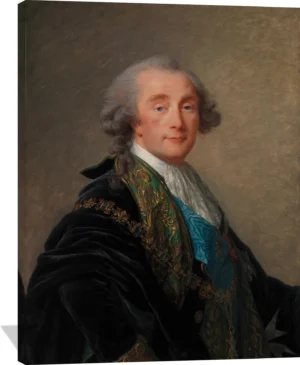
32,00 $Select options This product has multiple variants. The options may be chosen on the product pageAlexandre Charles Emmanuel de Crussol-Florensac (1743–1815)
Elisabeth Louise Vigée Le BrunCanvas from
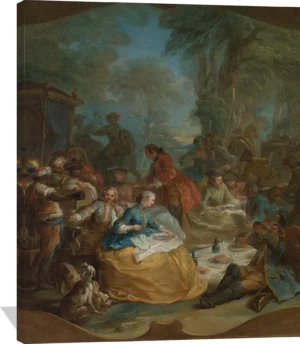
33,00 $Select options This product has multiple variants. The options may be chosen on the product pageHalt of the Hunt
Carle (Charles André) VanlooCanvas from
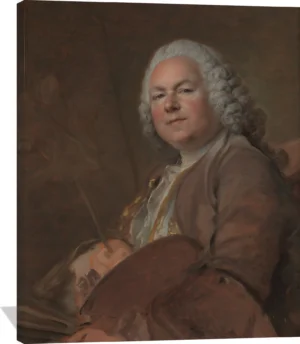
32,00 $Select options This product has multiple variants. The options may be chosen on the product pageJean Marc Nattier (1685–1766)
Louis TocquéCanvas from
32,00 $Select options This product has multiple variants. The options may be chosen on the product pageComedy
Pierre Charles TrémolièresCanvas from
32,00 $Select options This product has multiple variants. The options may be chosen on the product pageThe Investiture of Bishop Harold as Duke of Franconia
Giovanni Battista TiepoloCanvas from
33,00 $Select options This product has multiple variants. The options may be chosen on the product pageA Dance in the Country
Giovanni Domenico TiepoloCanvas from
50,00 $Select options This product has multiple variants. The options may be chosen on the product pageDomestic Scene
German PainterCanvas from
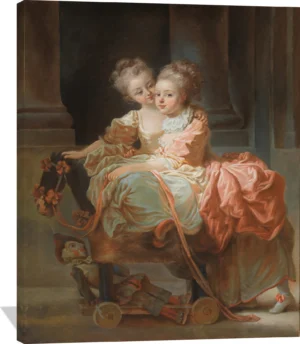
32,00 $Select options This product has multiple variants. The options may be chosen on the product pageThe Two Sisters
Jean Claude Richard, Abbé de Saint-NonCanvas from
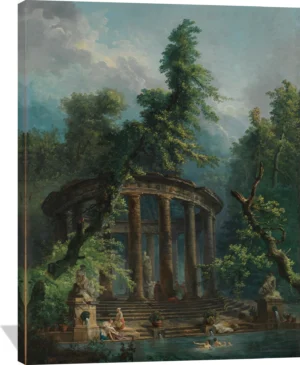
32,00 $Select options This product has multiple variants. The options may be chosen on the product pageThe Bathing Pool
Hubert RobertCanvas from
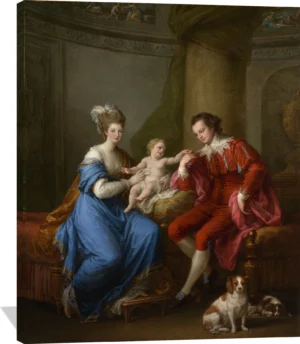
33,00 $Select options This product has multiple variants. The options may be chosen on the product pageEdward Smith Stanley (1752–1834), Twelfth Earl of Derby, Elizabeth, Countess of Derby (Lady Elizabeth Hamilton, 1753–1797), and Their Son (Edward Smith Stanley, 1775–1851)
Angelica KauffmannCanvas from
32,00 $Select options This product has multiple variants. The options may be chosen on the product page
Explore Fairy
The Palace of Aurora
Henri Fantin-LatourCanvas from
32,00 $Select options This product has multiple variants. The options may be chosen on the product pageThe Toilette of Venus
François BoucherCanvas from
32,00 $Select options This product has multiple variants. The options may be chosen on the product pageThe Disillusioned Medea
Paulus BorCanvas from
33,00 $Select options This product has multiple variants. The options may be chosen on the product pagePygmalion and Galatea as Infants
French PainterCanvas from
44,00 $Select options This product has multiple variants. The options may be chosen on the product pageThe Temptation of Eros
Angelica KauffmannCanvas from
32,00 $Select options This product has multiple variants. The options may be chosen on the product pageThe Victory of Eros
Angelica KauffmannCanvas from
32,00 $Select options This product has multiple variants. The options may be chosen on the product pageThe Cup of Love
Elihu VedderCanvas from
32,00 $Select options This product has multiple variants. The options may be chosen on the product pageThe Pleiades
Elihu VedderCanvas from
50,00 $Select options This product has multiple variants. The options may be chosen on the product pageMercy’s Dream
Daniel HuntingtonCanvas from
32,00 $Select options This product has multiple variants. The options may be chosen on the product pageFortune: A Study for “The Discoverer”
William Morris HuntCanvas from
33,00 $Select options This product has multiple variants. The options may be chosen on the product page