Artistic Style
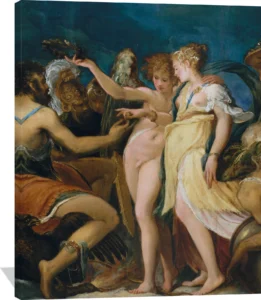
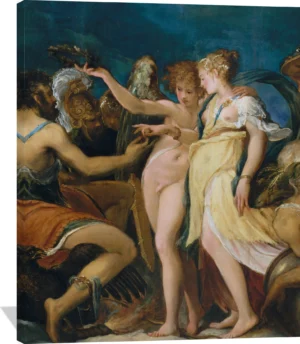
Schiavone is celebrated for merging the luminosity of the Venetian school with the expressive distortion characteristic of Mannerism. His paintings often feature fluid brushwork, shimmering surfaces, and an experimental softness that anticipates later Venetian colorism. His approach to form and atmosphere marked a departure from rigid compositional norms, contributing to a broader shift toward more poetic and emotionally charged painting.
Notable Contributions
A pioneering draftsman and painter, Schiavone was among the first Venetian artists to integrate Tuscan-inspired Mannerist elements into the city’s deeply rooted color tradition. His work in both oil and etching reveals a restless inventiveness and a willingness to blur the lines between finished artwork and exploratory study. This experimental spirit positioned him as a key transitional figure influencing painters such as Tintoretto and the later generations of Venetian masters. His interpretations of mythological narratives, religious scenes, and allegorical subjects display a distinctive blend of elegance and intensity.
Subjects and Themes
Schiavone frequently depicted mythological stories, sacred history, and courtly allegories, imbuing familiar subjects with newfound dynamism. His compositions often feature swirling figures, atmospheric light, and a sense of movement that creates a dreamlike, almost improvisational effect. This ability to animate classical themes with lyrical nuance remains one of the hallmarks of his oeuvre.
Cultural and Historical Significance
Working during a period of artistic transformation, Andrea Schiavone played a crucial role in bridging the High Renaissance and the emerging Mannerist sensibility. His daring approach to color and form helped broaden the expressive vocabulary of Venetian painting. Today his work stands as a testament to a moment when artistic boundaries were shifting, and experimentation was becoming a vital force in visual culture.