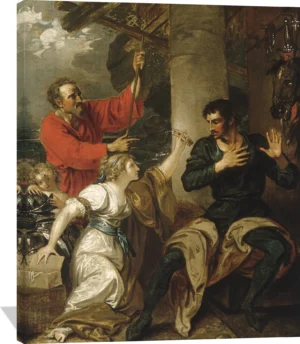
Artistic Style and Approach
West’s work is distinguished by its harmonious balance of neoclassical clarity and dramatic narrative. He often employed luminous color, controlled composition, and expressive yet dignified figures to convey moral and historical gravity. His ability to merge contemporary events with classical visual language made his paintings both accessible and elevated.
Notable Contributions
As a co-founder and eventual president of the Royal Academy in London, West played a formative role in establishing academic art standards in Britain. His groundbreaking decision to depict modern subjects in contemporary dress most famously in works such as The Death of General Wolfe helped redefine the conventions of historical painting and influenced generations of artists.
Subjects and Themes
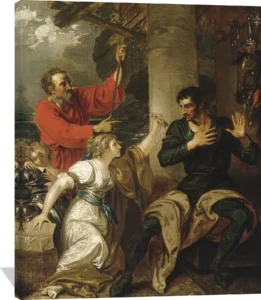
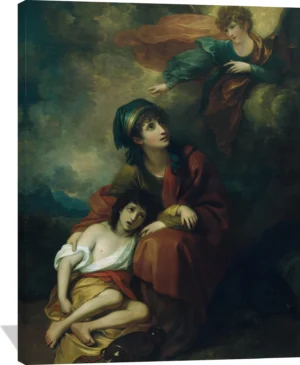
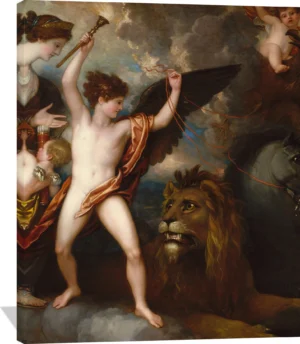
West specialized in large-scale historical, biblical, and allegorical scenes, focusing on themes of heroism, sacrifice, and moral virtue. His compositions often highlight pivotal moments that shaped national identity or conveyed timeless ethical narratives.
Cultural and Historical Significance
As one of the first internationally renowned American artists, West bridged cultural worlds. His career demonstrated that an artist from the American colonies could achieve acclaim at the highest levels of the European art world. Through his teaching, leadership, and prolific output, he left a lasting legacy that helped define the trajectory of Western painting during a period of profound artistic and political change.